2018 Honda CR-V: What to check before buying
Owners have filed 1,960 complaints with NHTSA about this car, most about the engine, fuel system, and steering. The 9 checks below target those problems, in the order you would do them at the car.
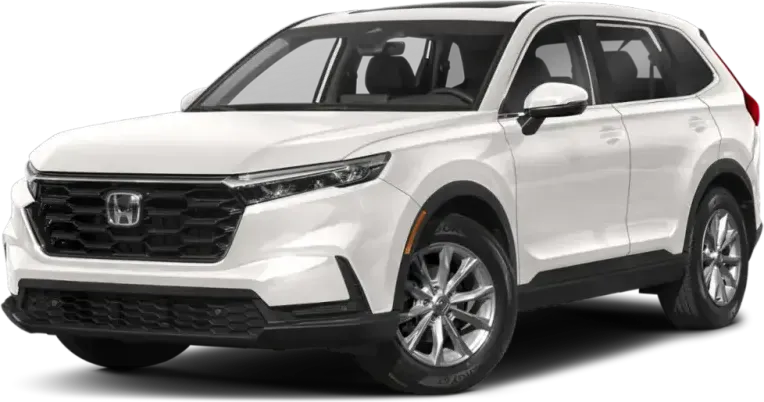 2018
- Owner complaints
- 1,960
- Recalls
- 4
- Crashes reported
- 43
- 46 injuries
Your inspection sheet
Tick items off on your phone at the car, or print it. Ticks stay on this device.
0/9 checked
2018 Honda CR-V: inspection sheet
Paperwork and questions
Before you go, or before you touch the car0/4
Walk-around and cabin
Engine off, key in hand0/1
Cold start, engine bay, and underside
Ask the seller not to warm the car up first0/2
Test drive
At least 20 minutes, with some highway0/2
These checks are specific to this model year. For tires, body panels, fluids, and the other basics every used car needs, use the general inspection guide.
Which CR-V is it?
EPA figures for each version of the 2018 Honda CR-V. Use them to confirm you are looking at the version that was advertised, and as a yardstick on the test drive.
| Version | Drive | EPA rating |
|---|---|---|
| 1.5L 4-cyl | AWD, FWD | 29–30 mpg |
| 2.4L 4-cyl | AWD, FWD | 27–28 mpg |
- The 2018 Honda CR-V was sold in two versions. Confirm which one this is from the window sticker, the engine cover, or the VIN report before you compare prices.
- Reset the trip computer at the start of the drive. A CR-V that averages well under the EPA 27 mpg combined on a mixed route may have an engine or tire problem.
Check the odometer against these mileages
Owners report these failures starting around the mileages below. A car inside one of these ranges deserves a closer look at that part, or records showing it was already fixed.
Sticky steering, rack replacement
42,000–61,000 miles
Fuel injector failure
57,000–96,000 miles
Head gasket failure
77,213–83,000 miles
Why these checks: what owners reported
NHTSA complaints for the 2018 Honda CR-V, grouped by the part owners named. Open a row to read what goes wrong.
Engine3612 crashes
Gasoline seeps into the engine oil. The dipstick reads above full and smells of fuel, sometimes within the first few thousand miles. A strong fuel odor fills the cabin and garage, and some owners report headaches and stinging eyes. Other reports describe the engine stalling at intersections, with one fender bender, and sudden power loss with a flashing check engine light and limp mode. These are often traced to failed fuel injectors, which Honda sells only as a set of four. A few owners report head gasket failure.
Fuel system3581 crash
Most of these filings are about recall 23V858000, where dealers could not get the repair part. Owners call the wait unreasonable, and many had no failure at the time they filed. The actual failures are fuel injector faults that bring on warning lights and limp mode, plus high-pressure fuel pump failures that cause stalling and a fuel smell. Injector failures appear anywhere from 27,000 to 116,000 miles. Some owners say the problem returned after the recall repair and they paid for new injectors.
Fuel injectors fail and the car turns on almost every warning light at once. Adaptive cruise, stability control, power steering, and parking brake warnings all come on, and the driver-assist systems shut off. Symptoms include rough idle, stuttering on acceleration, a P0172 rich code, and limp mode that cuts speed sharply on the highway. Most failures fall between 57,000 and 88,400 miles, with repairs around $2,000. Owners describe injector parts backordered for weeks and VINs left out of warranty coverage. One crash involves a stall blamed on the fuel pump.
Steering2575 crashes
The wheel feels sticky or notchy, as if it is caught in a groove. It gets worse once the car is warm and at highway speeds, and drivers end up overcorrecting. Dealers usually find a failed steering rack or electric steering gearbox, with repair bills in the thousands at roughly 42,000 to 61,000 miles. Many owners say their VIN was left out of recall 18V663000. Several crashes involve the wheel suddenly stiffening, locking, or pushing back during low-speed turns or parking.
Automatic emergency braking2433 crashes
The automatic emergency braking slams on the brakes with nothing ahead. It happens mostly at 15 to 45 mph and is often set off by steel road plates, railroad tracks, or dips. The red BRAKE warning tends to flash at the same moment the car stops, so there is no real warning. Drivers following behind have rear-ended these cars, and owners report neck, back, and whiplash injuries. Dealers often cannot reproduce the fault, and some only recalibrate the sensors.
Electrical2323 crashes
Batteries die early and keep dying. Some owners are on their second or third battery, a few as early as 21,000 miles, and some suspect weak alternator output. Many reports describe nearly every dashboard warning lighting up at once. Others mention a touchscreen that flickers and beeps, a radio that changes on its own, and a car that powers back on after shutdown. One crash came from the car being shut off in Drive with no alert. One owner reports a heated seat overheating to the point of burns.
Brakes1187 crashes
Most of these reports describe false automatic braking. The car stops hard on clear roads, over steel plates, at railroad crossings, and on bridges, and in some cases it was rear-ended. A smaller group reports the opposite: a pedal with no resistance, brakes that do not stop the car, or surging while braking, several ending in crashes and totaled vehicles. One parked car rolled away with a brake hold warning showing. Seven filings are crash-related and nine people were injured.
Transmission532 crashes
Fuel in the oil shows up here too. Owners smell gasoline, find the oil overfilled, and change it well before 5,000 miles, some starting under 500 miles. Others describe sudden power loss on the highway with every dash light on, traced to an ECM fault or a relay module. One owner cites a federal investigation into differential problems on 2018 to 2022 models and a leaking pinion seal at 74,400 miles. Two crashes involve the car moving on its own while the shifter was in Drive or not fully engaged.
Acceleration and cruise control403 crashes
Sudden unintended acceleration while parking sends some cars through garage doors, into walls, or into trees. Owners say the brake did not hold, and airbags deployed in some of these crashes. Other reports describe the opposite problem: lost acceleration and limp mode with misfire codes, turbo faults, or a power grille warning. Owners also mention cascades of driver-assist warnings and the car braking on its own while cruise control is on. Dealers often cannot duplicate the acceleration events.
In owners' own words
Excerpts from complaints CR-V owners filed with NHTSA, as written. Listen for the same symptoms on your test drive.
Steering is popping and sticking when making a hard turn. It has gradually become worse. We're not comfortable taking it on long trips. A claim was filed with Honda this week. It has been 5 days and we only get voice mail when we call. Its very scary to think our steering could go out and the car only has 90,000 miles. It's going to cost $5,000 to fix. A recall for this problem was issued, but dealer says my vin is not included in the recall.
Filed with NHTSA, June 2025
Steering wheel sticks when turning, as has been reported by many others. It becomes difficult to make even small movements with the steering wheel and is a clear safety issue. When the issue first began, my car had only 30K miles on it - it now has 34K, and the problem has gotten materially worse. I see that this problem exists in recent CR-V models as well, so this appears to be a systemic issue.
Filed with NHTSA, June 2024
As I drove down the street at around 43 miles per hour my car suddenly braked then the sound and sign for brake came on. It came on after the car had breaker already.
Filed with NHTSA, September 2023
Stopped at a red light then proceeded to drive through the intersection on the green light. No cars or pedestrians in front of the car. Driving about 15 - 20 mph when the automatic braking system engaged and slammed on the brakes for no reason. The jeep behind me rear-ended me then drove off.
Filed with NHTSA, February 2023
How the 2018 compares with other CR-V years
Complaints for this year next to the average for the other model years, area by area.
The 2018 has the most owner complaints of the 9 CR-V years we cover, about 5.1 times the average of the others. Newer years have had less time to collect complaints, so compare like with like.
- Engine36113
- Fuel system35829
- Steering257113
- Automatic emergency braking24352
- Electrical23240
- Brakes11821
Where the 2018 fits in the CR-V's history
Redesigns and mid-cycle updates change what can go wrong.
The 2018 is the second model year of the CR-V's fifth generation (2017–2022).
Honda updated the CR-V for 2020, so a 2018 does not have those changes.
What changed for 2020 (not on a 2018)
- Hybrid powertrain option
- Standard advanced safety features
Recalls to confirm (4)
Recall repairs are free at any Honda dealer, but the seller may never have had them done. Check each campaign number against the VIN.
23V858000Fuel systemDec 2023
Honda (American Honda Motor Co.) is recalling certain 2013-2023 Honda Accord, Civic Coupe, Civic Sedan, Civic Hatchback, Civic Type R, CR-V, HR-V, Ridgeline, Odyssey, Acura ILX, MDX, MDX Hybrid, RDX, RLX, TLX, 2019-2022 Honda Insight, Passport, 2020 Honda CR-V Hybrid, 2018-2019 Honda Clarity PHEV, Fit, and 2015-2020 Honda Accord Hybrid, Pilot, Acura NSX vehicles. The fuel pump inside the fuel tank may fail.
Risk: Fuel pump failure can cause an engine stall while driving, increasing the risk of a crash.
Fix: Dealers will replace the fuel pump module, free of charge. Owner letters were mailed September 6, 2024. Owners may contact Honda customer service at 1-888-234-2138. Honda's numbers for this recall are KGC and KGD. This recall is an expansion of NHTSA recall numbers 21V-215 and 20V-314.
23V158000Seat beltsMar 2023
Honda (American Honda Motor Co.) is recalling certain 2017-2020 CR-V, 2018-2019 Accord and Accord Hybrid, 2018-2020 Odyssey, 2019 Insight, and 2019-2020 Acura RDX vehicles. A manufacturing issue with the front seat belts may cause the seat belt buckle channel to interfere with the release button, preventing the seat belt buckle from latching.
Risk: An unlatched seat belt cannot properly restrain the seat occupant during a crash, increasing their risk of injury.
Fix: Dealers will replace the driver and front passenger seat belt buckle release buttons or the buckle assemblies as necessary, free of charge. Owner notification letters were mailed April 18, 2023. Owners may contact Honda customer service at 1-888-234-2138. Honda's numbers for this recall are NDA, QDB, BDC, MDD, LD9. TDF, FDG, ODH, YDI, ZDE.
21V215000Fuel systemMar 2021
Honda (American Honda Motor Co.) is recalling certain 2019-2020 Acura MDX, MDX Sport Hybrid, RDX, TLX, Honda Accord, Civic Hatchback, Insight, 2019 Acura ILX, Honda Accord Hybrid, Civic Coupe, Civic Coupe Si, Civic Sedan, Civic Sedan Si, Civic Type R, Fit, HR-V, Odyssey, Passport, Pilot and Ridgeline, and 2018-2019 CR-V vehicles. The low-pressure fuel pump inside the fuel tank may fail.
Risk: Fuel pump failure can cause an engine stall while driving, increasing the risk of a crash.
Fix: Honda will notify owners, and dealers will replace the fuel pump assembly, free of charge. Owner letters were mailed May 18, 2021. Owners may contact Honda customer service at 1-888-234-2138. Note: This recall is an expansion of recall 20V-314.
18V663000SteeringSep 2018
Honda (American Honda Motor Co.) is recalling certain 2017-2018 Honda Civic and CR-V vehicles. The magnet that controls the torque sensor output signal for the electronic power steering system may not be properly secured, allowing the magnet to become dislodged. During a full lock turn, the dislodged magnet may cause steering assist to be applied in the opposite direction.
Risk: The unintended steering input reduces vehicle maneuverability and increases the risk of a crash.
Fix: Honda will notify owners, and dealers will replace the steering gearbox assembly, free of charge. The recall began November 9, 2018. Owners may contact Honda customer service at 1-888-234-2138. Honda's numbers for this recall are C2N, P2O.
Also looking at these instead of a CR-V?
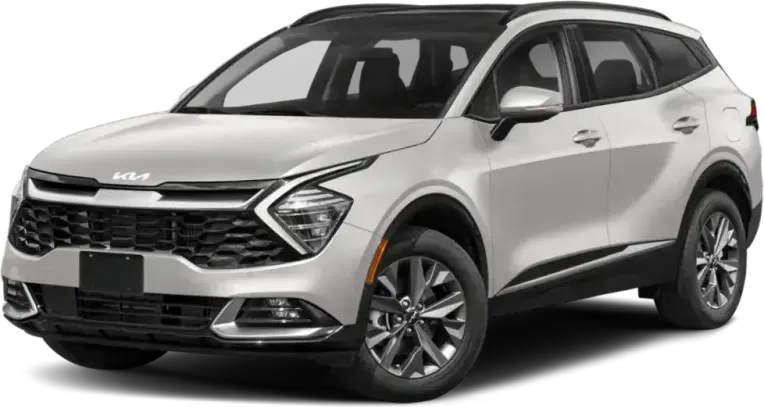
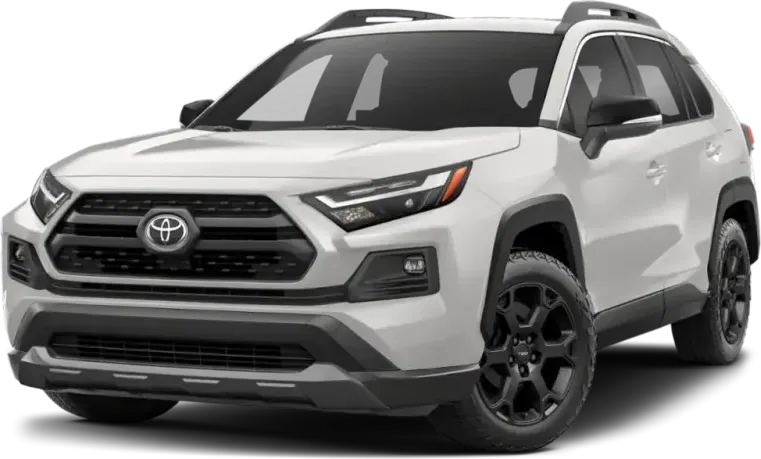
Cars shoppers compare with the Honda CR-V, with their own 2018 checklists.
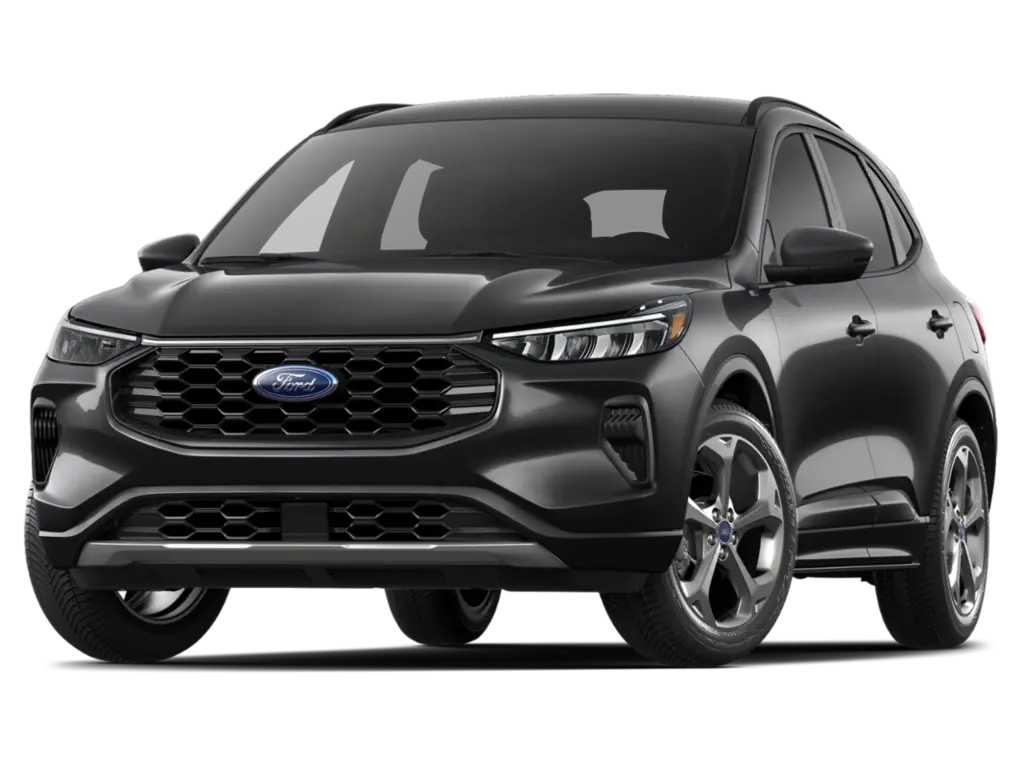
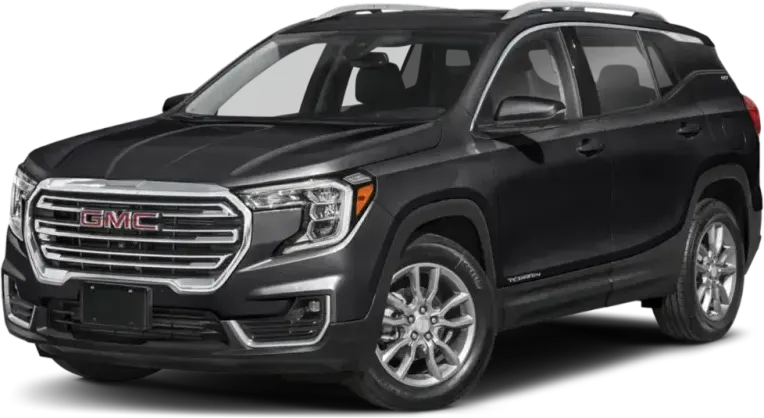
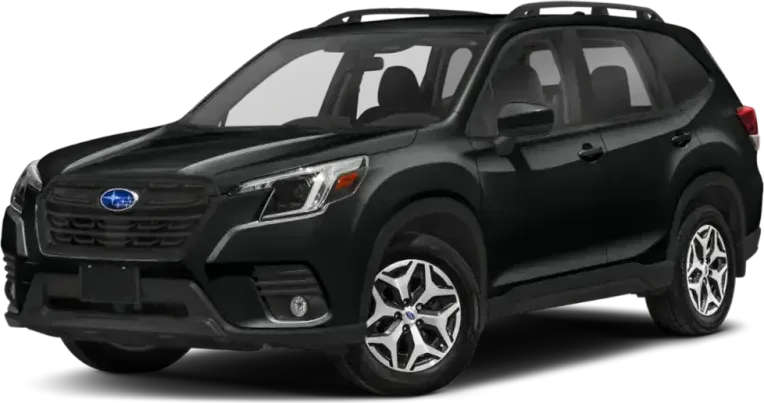
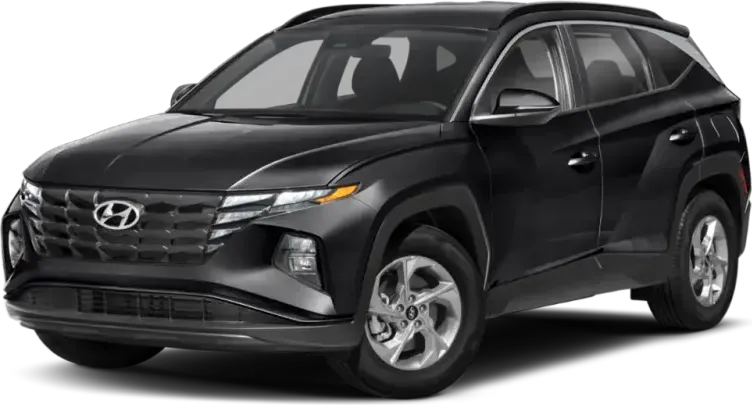
2018 owner complaints, side by side
- Kia Sportage147
- GMC Terrain201
- Toyota RAV4330
- Hyundai Tucson362
- Subaru Forester475
- Ford Escape1,597
- 2018 Honda CR-V1,960