Used Car Checklists

2026 Honda CR-V: What to check before buying

Owners have filed 35 complaints with NHTSA about this car, most about the electrical, wipers and visibility, and brakes. The 8 checks below target those problems, in the order you would do them at the car.

Honda CR-V2026
Owner complaints
35
Recalls
0
Crashes reported
0
Reliability
Excellent
83/100 on Auto Reliability Index

Run the VIN before you go

A history report shows accidents, title brands, odometer readings, and open recalls for this 2026 Honda CR-V. Ask the seller for the VIN; it is also on the dash at the base of the windshield.

Your inspection sheet

Tick items off on your phone at the car, or print it. Ticks stay on this device.

These checks are specific to this model year. For tires, body panels, fluids, and the other basics every used car needs, use the general inspection guide.

Reported on other CR-V years with the same design

These years share the 2026's design and most of its parts, so their problems are the ones to look for on this car too.

2025 CR-V

201 owner complaints
  • Steering 46
  • Wipers and visibility 24
  • Brakes 18

Worth adding to your 2026 checks

  • Ask a Honda dealer to confirm the steering recall 24V744000 is completed, since VIN lookups sometimes miss it.
  • Drive above 40 mph, make small corrections near center, and feel for sticky steering, sudden jerks, or clicking.
  • Inspect the sunroof, windshield edges, and driver mirror glass for cracks, and watch the mirror for shaking at highway speed.
Open the 2025 checklist

2024 CR-V

406 owner complaints
  • Steering 134
  • Wipers and visibility 41
  • Electrical 26

Worth adding to your 2026 checks

  • Run the VIN for recalls 24V744000 and 24V763000 and confirm both repairs are on record.
  • Drive at highway speed after a full warm-up and feel for sticky or notchy steering on small corrections.
  • Use adaptive cruise in traffic and watch for hard braking when cars ahead exit or change lanes.
Open the 2024 checklist

2023 CR-V

578 owner complaints
  • Steering 383
  • Electrical 24
  • Wipers and visibility 20

Worth adding to your 2026 checks

  • Run the VIN for open recalls, including steering campaign 24V744000, and get proof the repairs were completed.
  • At highway speed, hold the wheel steady, then make small corrections and feel for a sticky point or jerk.
  • Drive at 60 mph or faster and watch the hood edge and driver's mirror glass for fluttering.
Open the 2023 checklist

Which CR-V is it?

EPA figures for each version of the 2026 Honda CR-V. Use them to confirm you are looking at the version that was advertised, and as a yardstick on the test drive.

VersionDriveEPA rating
1.5L 4-cylGasAWD, FWD29–30 mpg
2.0L 4-cylHybridAWD, FWD37–40 mpg
  • The 2026 Honda CR-V was sold in two versions. Confirm which one this is from the window sticker, the engine cover, or the VIN report before you compare prices.
  • On the hybrid, watch for the car moving off on electric power at low speed and for any hybrid system warning on the dash.
  • Reset the trip computer at the start of the drive. A CR-V that averages well under the EPA 29 mpg combined on a mixed route may have an engine or tire problem.

Check the odometer against these mileages

Owners report these failures starting around the mileages below. A car inside one of these ranges deserves a closer look at that part, or records showing it was already fixed.

  • Automatic braking system warnings

    220–1,500 miles

0 mi25k50k

Why these checks: what owners reported

NHTSA complaints for the 2026 Honda CR-V, grouped by the part owners named. Open a row to read what goes wrong.

  • Electrical8No crashes

    Hybrid models show warning lights, flashing dash icons and a limp mode that holds the car to about 20 mph. Some won't start well in cold weather, and owners point to a weak 12-volt battery. The infotainment screen freezes, goes black or stays stuck on dim, and the rear camera can go black with it. Restarting doesn't always clear it. Wireless CarPlay drops audio partway through. In one report, adaptive cruise braked on its own at 45 mph, and a dealer tied it to a CarPlay software fault. One fire report involves a car that had been parked for 9 hours.

  • Wipers and visibility8No crashes

    In Northeastern winters, the wipers freeze to the glass even with the defroster on high. Ice also builds along the edges of the windshield. Washer nozzles sit on the wiper arms and spray most of the fluid past the glass, so large parts of the windshield stay dry and smeared. The driver's mirror cracks straight down the middle with no sign of impact, often during the first cold snap. Other reports describe a windshield coming apart in layers within a week, plus glare and blurry, distorted views through the glass.

  • Brakes3No crashes

    The automatic emergency braking system misfires or fails. Some cars slam on the brakes for no reason, including at under 10 mph in a parking lot. In one case, the pedal stopped working at 1,500 miles while braking-system warnings were on, and the driver had to hit a curb to stop. Restarting the car brought the brakes back. Another car showed warnings for both automatic braking and adaptive cruise at 220 miles, along with a strong burning smell. These failures carry real crash risk.

  • Steering3No crashes

    The power steering fails. The wheel turns very heavy around town and gets much harder to turn above 50 mph. The problem started with a noise at around 2,000 miles. One dealer fixed the noise but could not cure the heavy steering. Other cars show a steering warning light and refuse to move at all, and one owner reports losing steering assist on the highway. Losing assist at speed creates a loss-of-control risk.

  • Lane keeping2No crashes

    Thieves remove the front emblem and the sensor behind it in seconds, which shuts off the driver-assist features. Owners say the same theft affected earlier model years and was never designed out. A separate report links a driver's mirror that cracked in cold weather to a weaker lane-assist warning and harder lane changes. In that case, Honda would not accept the claim because the mirror housing showed no damage.

  • Body and structure2No crashes

    A window shattered at highway speed with no sign that anything hit it. The driver's mirror glass shakes from about 50 mph, and by 75 mph the image is badly blurred, which makes lane changes harder. The mirror housing itself stays firm. A dealer reproduced the shake on the owner's car and found the same problem on similar models on its lot.

In owners' own words

Excerpts from complaints CR-V owners filed with NHTSA, as written. Listen for the same symptoms on your test drive.

Electrical
During a cold spell in my city my brand new Honda Crv Hybrid had difficulty starting and major warning signal appeared on the dash. We took it to the dealer of purchase but they are giving us difficulties replacing the low voltage battery that doesn't work in this climate! When looked up reviews on this car the websites of poor battery performance in cold weather areas are numerous.

Filed with NHTSA, January 2026

Electrical
When it rains, back up camera footage becomes hazy, unclear, blurred, unreadable- cause rain water falls on to the rear camera. So backing up becomes very difficult and unsafe, when it rains. Can’t see clearly what’s behind of the car. This is a serious safety issue.

Filed with NHTSA, January 2026

Wipers and visibility
Driving in light to moderate snow, temperature 25F, NY and NJ. Defroster fan on High, temperature at 78F (and highly uncomfortable inside), vehicle is unable to prevent wipers from freezing. Wipers cannot clear windshield. Visibility is extremely poor. This is very dangerous for anyone driving this vehicle. I have never had a vehicle that was unable to handle normal Northeastern winter conditions.

Filed with NHTSA, January 2026

Wipers and visibility
January 2026, NY, in normal winter conditions with windshield defroster on, fan speed high, temperature set at 76, the vehicle is unable to prevent the wipers from freezing. The wipers are unable to clear windshield even after 30 minutes or one hour of vehicle operation. I have never, ever, had a vehicle that was unable to deal with a normal Northeastern winter. This is unsafe in the extreme.

Filed with NHTSA, January 2026

Brakes
New 2026 Honda CRV, 2 months old, 1,500 miles on it. Total brake failure, no response when pressing pedal. Had to hit curb to stop car. CMBS warnings occurred. Turned car off and back on and brakes started working again. Drove for 10 minutes with CMBS warning. Turned car off and let sit for 30 minutes. Since then, have drove car multiple times for over 10 minutes each time and brakes worked and no CMBS warnings.

Filed with NHTSA, December 2025

Steering
I've owned my car less than 4 months and it's acted up twice! I turn on the car and it refused to move. A steering wheel icon with an exclamation point displays on the dash. It just remains idle and it will NOT drive. It's a brand new 2026 and it's November 2025. It's extremely frustrating.

Filed with NHTSA, November 2025

How the 2026 compares with other CR-V years

Complaints for this year next to the average for the other model years, area by area.

The 2026 has the fewest owner complaints of the 9 CR-V years we cover, well under the average of the others. Newer years have had less time to collect complaints, so compare like with like.

2026 Average of other years
  • Electrical868
  • Wipers and visibility811
  • Brakes335
  • Steering3145
  • Lane keeping20
  • Body and structure27

Where the 2026 fits in the CR-V's history

Redesigns and mid-cycle updates change what can go wrong.

The 2026 is the fourth model year of the CR-V's sixth generation (2023 on).

Also looking at these instead of a CR-V?

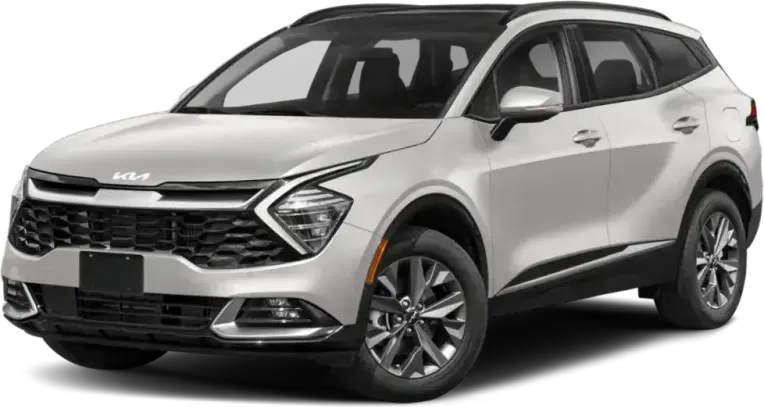
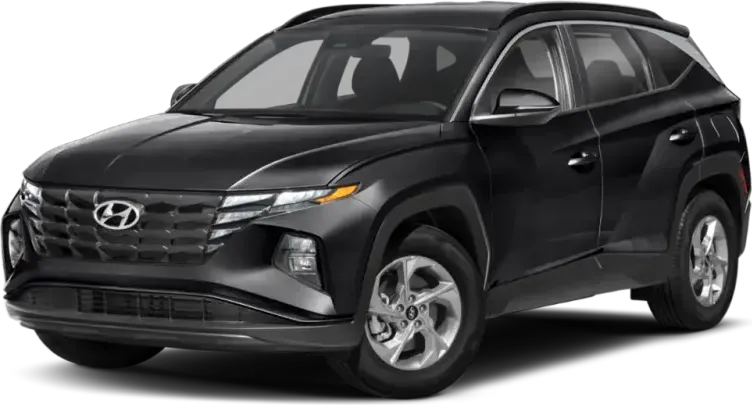
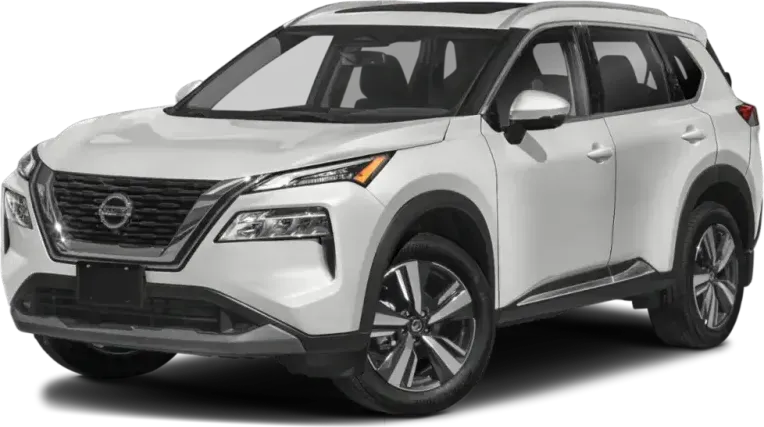
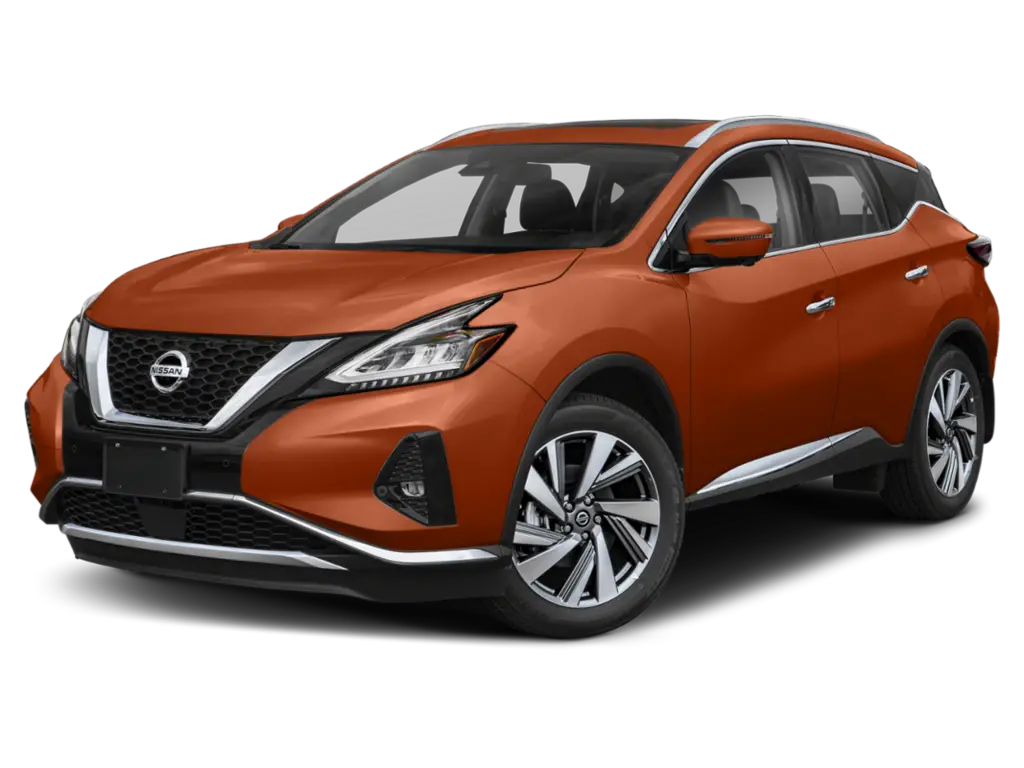
Cars shoppers compare with the Honda CR-V, with their own 2026 checklists.