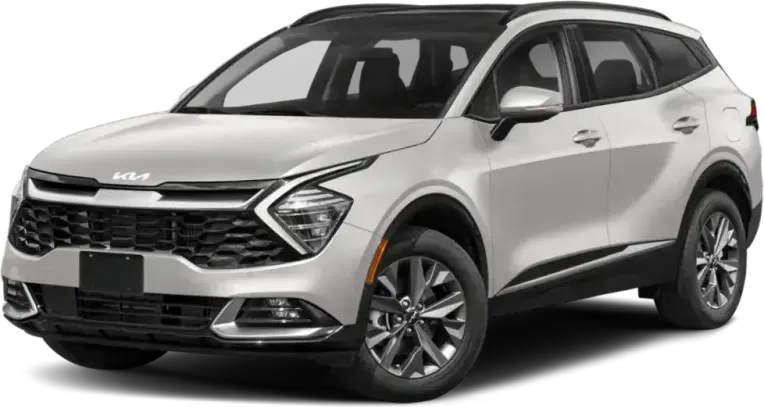
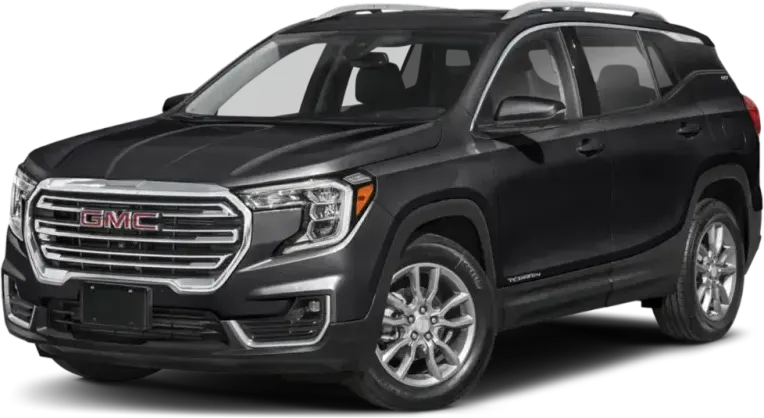
2025 Honda CR-V: What to check before buying
Owners have filed 201 complaints with NHTSA about this car, most about the steering, wipers and visibility, and brakes. The 9 checks below target those problems, in the order you would do them at the car.
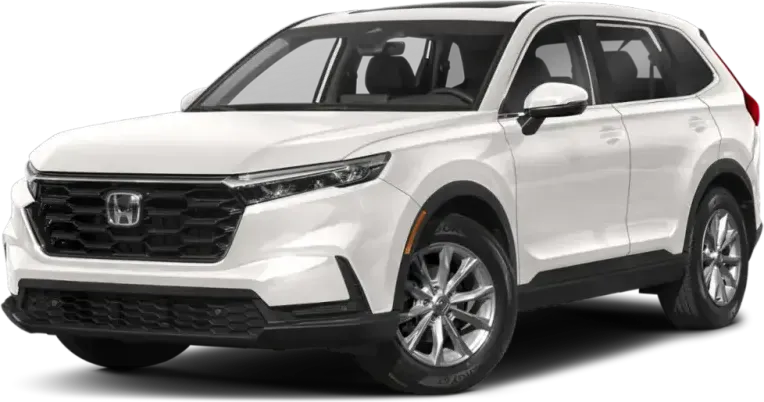 2025
- Owner complaints
- 201
- Recalls
- 4
- Crashes reported
- 23
- 19 injuries
Your inspection sheet
Tick items off on your phone at the car, or print it. Ticks stay on this device.
0/9 checked
2025 Honda CR-V: inspection sheet
Paperwork and questions
Before you go, or before you touch the car0/4
Walk-around and cabin
Engine off, key in hand0/1
Test drive
At least 20 minutes, with some highway0/4
These checks are specific to this model year. For tires, body panels, fluids, and the other basics every used car needs, use the general inspection guide.
Which CR-V is it?
EPA figures for each version of the 2025 Honda CR-V. Use them to confirm you are looking at the version that was advertised, and as a yardstick on the test drive.
| Version | Drive | EPA rating |
|---|---|---|
| 1.5L 4-cylGas | AWD, FWD | 28–30 mpg |
| 2.0L 4-cylHybrid | AWD, FWD | 37–40 mpg |
| eFCV | FWD | 245 mi range |
- The 2025 Honda CR-V was sold in three versions. Confirm which one this is from the window sticker, the engine cover, or the VIN report before you compare prices.
- On the hybrid, watch for the car moving off on electric power at low speed and for any hybrid system warning on the dash.
- Reset the trip computer at the start of the drive. A CR-V that averages well under the EPA 28 mpg combined on a mixed route may have an engine or tire problem.
Check the odometer against these mileages
Owners report these failures starting around the mileages below. A car inside one of these ranges deserves a closer look at that part, or records showing it was already fixed.
Sudden loss of drive power
250–1,000 miles
Fuel injector failure
3,000–7,800 miles
Why these checks: what owners reported
NHTSA complaints for the 2025 Honda CR-V, grouped by the part owners named. Open a row to read what goes wrong.
Steering462 crashes
The wheel turns stiff, locks, or sticks just off center and then jerks, usually at highway speed or above 40 mph. Clicking and other noises are common, and some cars wander in the lane or pull hard over bumps. Lane keep assist sometimes overcorrects or fights the driver. Two reports involve crashes, with four injuries, including a car that left the road. Many complaints center on the steering gear recall, with repair parts unavailable, slow dealers, and recalls that do not show up by VIN. Some noise problems persist through repeated warranty repairs.
Wipers and visibility24No crashes
Driver-side mirror glass shakes at highway speed, mostly above 50 mph, and blurs the view. The same mirror can crack in cold weather, often after remote start or defrosting. The driver's wiper stops several inches short of the pillar or hits it, which leaves an unwiped strip. Washer fluid sprays from the blades and runs off rather than cleaning the glass, so dirt gets smeared. Windshields crack from small stones or defroster heat, and sunroof glass breaks at highway speed. No crashes are reported.
Brakes188 crashes
While parking, the car lurches forward with the driver's foot on the brake, then hits walls, parked cars, or trees. These events account for eight crashes and two injuries, and most happen with no warning lights. Some pedals go soft or sink to the floor. Other cars brake hard on their own in traffic with nothing ahead. One brake pedal simulator control unit failed under 5000 miles and took out both the brakes and the parking brake. Dealers often cannot reproduce these problems.
Electrical132 crashes
Power cuts out at highway speed. Warnings such as critical power failure appear, and the car coasts to a stop or goes into limp mode, sometimes with weak brakes. Several cars fail repeatedly and need towing, even after dealer repairs. Two crashes involve sudden acceleration while parking. Other reports include a car that moved forward in reverse, total electrical loss from a cracked battery cable bracket, a high-pitched whine at highway speed, an overheating wireless charger, and fuel economy dropping sharply.
Automatic emergency braking11No crashes
Automatic emergency braking engages with nothing ahead, often at 45 to 60 mph, and cuts speed sharply. That creates a rear-end risk. Dealers usually cannot reproduce it and call the system sensitive. Adaptive cruise control drops out while passing semi trucks. In one car the collision warning never alerts at all. Several owners report the front radar sensor being stolen from a parked car, which they describe as quick to remove and costly to replace. No crashes are reported in this category.
Fuel system10No crashes
Fuel injectors fail early, often around 3,000 to 5,100 miles. Symptoms include rough running, hesitation, sputtering, loss of power, a check engine light, and sometimes a burning smell in the cabin. Spark plugs on the affected cylinder fail as well. Repairs are generally done under warranty, though some symptoms return after injector replacement. Other complaints cover fuel smell with the moonroof open, a fuel economy display that reads about 8% optimistic, sudden mileage drops, and an exposed high voltage battery in the spare tire well.
Acceleration and cruise control65 crashes
The car accelerates on its own at parking-lot speeds, sometimes with the brake pressed and the engine revving abnormally. It then jumps curbs and hits walls, gates, or trees. Five of the six reports involve crashes, with three injuries, and one car was declared a total loss. Owners say the manufacturer is slow to investigate. One separate complaint says the forward collision warning keeps disabling cruise control, and the dealer calls it a known issue with no fix.
Airbags44 crashes
Airbags fail to deploy in serious collisions, including heavy frontal impacts and a stationary car rear-ended by a tractor trailer. All four reports involve crashes, with six injuries, and one car was declared a total loss. In one case the steering column airbag stayed off despite extensive front damage. In another, a low-speed impact with a wall left a burn on the driver's arm from the steering wheel logo.
In owners' own words
Excerpts from complaints CR-V owners filed with NHTSA, as written. Listen for the same symptoms on your test drive.
Driving 40 miles per hour, steering wheel became difficult to turn right or left and car abruptly stopped 100 meters behind another vehicle. No accident no crash no police was contacted. Just want to fix the recall.
Filed with NHTSA, November 2024
I purchased a brand new 2025 CRV on Sept. 29, 2024. 3 months after purchase, I started noticing a noise when I would make a turn. It sounded like rocks being thrown around. It turned out to be my cable reel/clock spring. A month after replacement, my steering wheel started making a clicking noise when driving straight or turning. It was confirmed again that it was the cable reel/clock spring… only this time, they put padding around to “please me.”
Filed with NHTSA, April 2025
My driver side mirror gets extremely shaky especially when I'm on the highway with speeds over 50miles. The image gets distorted, which makes us dizzy while driving. We are afraid the mirror will crack while driving and we'd have no way seeing. This is too dangerous. Brand new car and all these issues we have to deal with. Too frustrating. I want a solution from Honda asap. Thank you.
Filed with NHTSA, November 2024
Windshield cracked with a small rock, vehicle is brand new and only has 150 miles on it. I’ve read several complaints from others with this same issue. Their glass seems to be very thin or poorly made. Very frustrating. Did not happen in my previous cars.
Filed with NHTSA, June 2025
In the past 2 weeks my 2025 Honda CRV has automatically braked four times while driving on the road at about 45 miles an hour. Nothing else was around me - no vehicles, no animals, etc.
Filed with NHTSA, August 2025
I was pulling into parking space very slowly, stepped on the brake. The brake made a loud grinding sound. I pressed a little bit more cause I didn’t understand what was going on in the car at launched forward hit a tree slowed down a little and then kept going all the way down across street into more trees in a bush. I did not press the gas pedal at all. I was on the break.
Filed with NHTSA, December 2025
The speedometer can report zero (0) when the car is moving slowly. This is probably the rounding policy in software. The actual speed was maybe 0.4 mph, but was reported as zero mph. If the actual speed was 10.4 mph but reported as 10, fine, not a big deal, but zero has a much different meaning than any other value. It means none, that the car isn't moving, but the car was.
Filed with NHTSA, October 2024
How the 2025 compares with other CR-V years
Complaints for this year next to the average for the other model years, area by area.
The 2025 ranks eighth for owner complaints among 9 CR-V years, well under the average of the others. Newer years have had less time to collect complaints, so compare like with like.
- Steering46139
- Wipers and visibility249
- Brakes1833
- Electrical1368
- Automatic emergency braking1181
- Fuel system1072
Where the 2025 fits in the CR-V's history
Redesigns and mid-cycle updates change what can go wrong.
The 2025 is the third model year of the CR-V's sixth generation (2023 on).
Recalls to confirm (4)
Recall repairs are free at any Honda dealer, but the seller may never have had them done. Check each campaign number against the VIN.
25V858000ElectricalDec 2025
Honda (American Honda Motor Co.) is recalling certain 2025 Honda CR-V Fuel Cell EV vehicles. Coolant inside the fuel cell stack may leak into the fuel cell stack case, causing an internal short circuit. As such, these vehicles fail to comply with the requirements of Federal Motor Vehicle Safety Standard number 305, "Electric-powered vehicles: Electrolyte Spillage and Electrical Shock Protection.".
Risk: An internal short circuit in a fuel cell can cause a loss of drive power, increasing the risk of a crash or injury.
Fix: Dealers will replace the fuel cell stack assembly, free of charge. Owner notification letters were mailed February 3 2026. Owners may contact Honda's customer service at 1-888-234-2138. Honda's number for this recall is CN4. Vehicle Identification Numbers (VINs) involved in this recall will be searchable on NHTSA.gov beginning December 16, 2025.
25V378000Fuel systemJun 2025
Honda (American Honda Motor Co.) is recalling certain 2025 Honda CR-V Hybrid vehicles. The fuel feed hose may have been improperly installed, allowing fuel to leak. As such, these vehicles fail to comply with the requirements of Federal Motor Vehicle Safety Standard number 301, "Fuel System Integrity.".
Risk: A fuel leak in the presence of an ignition source increases the risk of a fire.
Fix: Dealers will install a new fuel feed hose and connector cover, free of charge. Owners may contact Honda's customer service at 1-888-234-2138. Honda's number for this recall is TLS.
24V763000Fuel systemOct 2024
Honda (American Honda Motor Co.) is recalling certain 2023-2024 Honda Accord, Accord Hybrid, 2023-2025 Honda CR-V Hybrid, and 2025 Honda Civic and Civic Hybrid vehicles. The high-pressure fuel pump may crack and leak fuel.
Risk: A fuel leak in the presence of an ignition source can increase the risk of a fire.
Fix: Dealers will inspect and replace the high-pressure fuel pump as necessary, free of charge. Owner letters were mailed February 20, 2025. Owners may contact Honda customer service at 1-888-234-2138. Honda's number for this recall is PJW.
24V744000SteeringOct 2024
Honda (American Honda Motor Co.) is recalling certain 2023-2025 Acura Integra, Civic Type R, CR-V Hybrid, CR-V, HR-V, 2022-2025 Civic, Civic Hatchback, 2024-2025 Acura Integra Type S, 2025 CR-V Fuel Cell EV, Civic Hybrid, and Civic Hatchback Hybrid vehicles. The steering gearbox assembly may have been manufactured incorrectly, which can cause excessive internal friction and lead to difficulty steering the vehicle.
Risk: Difficulty steering can increase the risk of a crash.
Fix: Dealers will replace the worm gear spring and redistribute or add grease as necessary, free of charge. Owner notification letters were mailed November 18, 2024. Owners may contact Honda Customer Service at 1-888-234-2138. Honda's numbers for this recall are SJS, MJU, QJT and VJV.
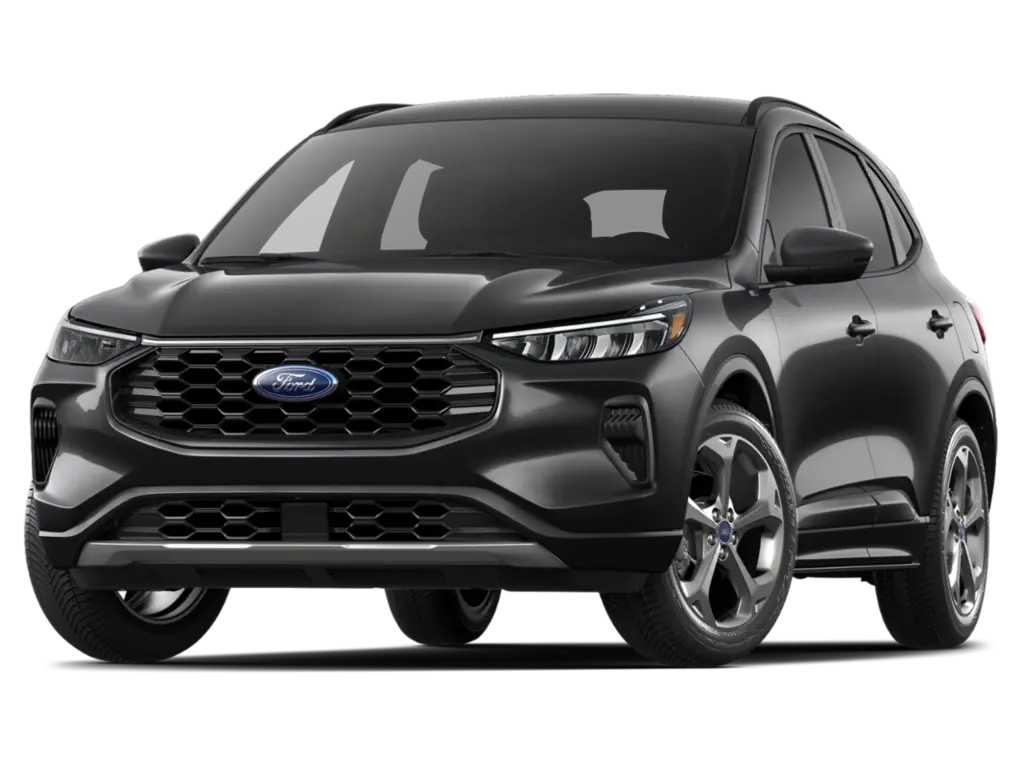
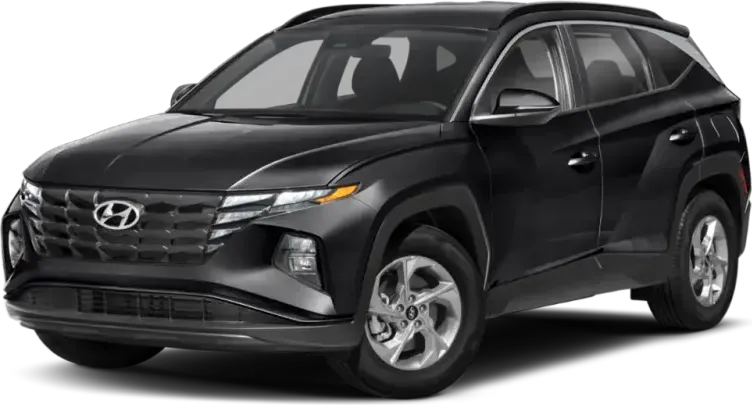
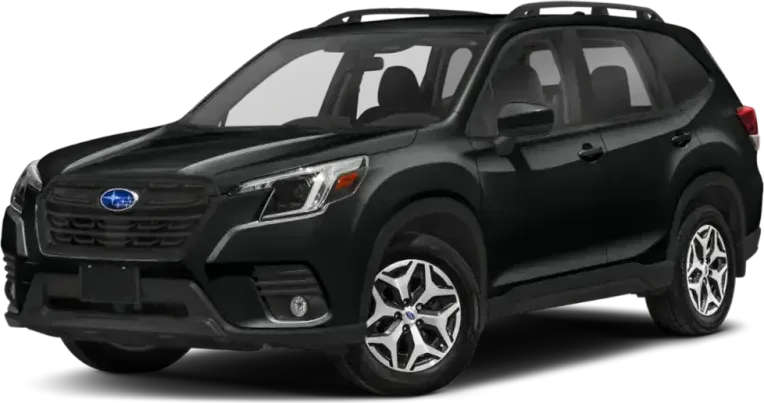
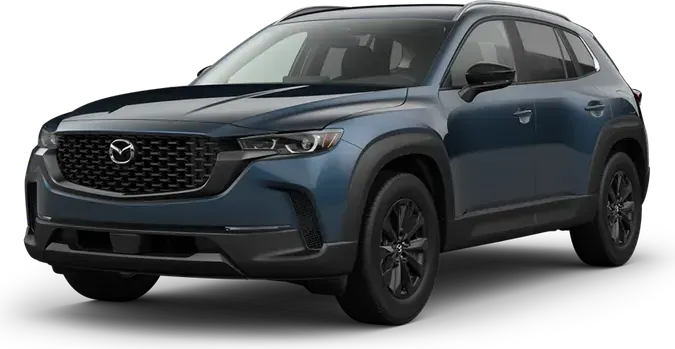
Also looking at these instead of a CR-V?
Cars shoppers compare with the Honda CR-V, with their own 2025 checklists.
2025 owner complaints, side by side
- GMC Terrain8
- Ford Escape16
- Mazda CX-5021
- Kia Sportage44
- Subaru Forester48
- 2025 Honda CR-V201
- Hyundai Tucson251