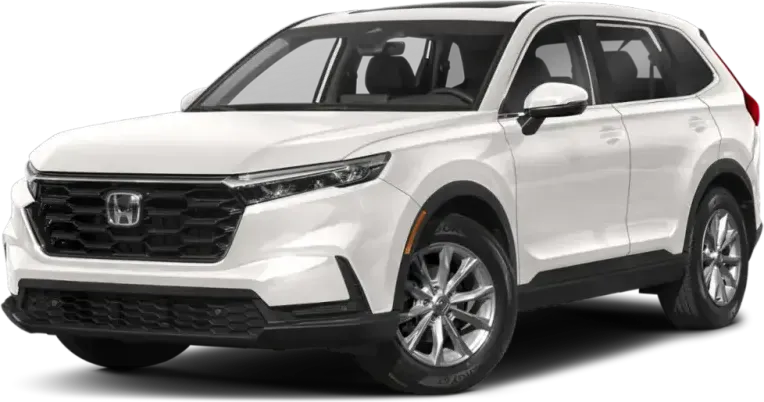
2023 Honda CR-V: What to check before buying
Owners have filed 578 complaints with NHTSA about this car, most about the steering, electrical, and wipers and visibility. The 9 checks below target those problems, in the order you would do them at the car.
 2023
- Owner complaints
- 578
- Recalls
- 6
- Crashes reported
- 19
- 17 injuries
Your inspection sheet
Tick items off on your phone at the car, or print it. Ticks stay on this device.
0/9 checked
2023 Honda CR-V: inspection sheet
Paperwork and questions
Before you go, or before you touch the car0/3
Cold start, engine bay, and underside
Ask the seller not to warm the car up first0/3
Test drive
At least 20 minutes, with some highway0/3
These checks are specific to this model year. For tires, body panels, fluids, and the other basics every used car needs, use the general inspection guide.
Which CR-V is it?
EPA figures for each version of the 2023 Honda CR-V. Use them to confirm you are looking at the version that was advertised, and as a yardstick on the test drive.
| Version | Drive | EPA rating |
|---|---|---|
| 1.5L 4-cylGas | AWD, FWD | 29–30 mpg |
| 2.0L 4-cylHybrid | AWD, FWD | 37–40 mpg |
- The 2023 Honda CR-V was sold in two versions. Confirm which one this is from the window sticker, the engine cover, or the VIN report before you compare prices.
- On the hybrid, watch for the car moving off on electric power at low speed and for any hybrid system warning on the dash.
- Reset the trip computer at the start of the drive. A CR-V that averages well under the EPA 29 mpg combined on a mixed route may have an engine or tire problem.
Check the odometer against these mileages
Owners report these failures starting around the mileages below. A car inside one of these ranges deserves a closer look at that part, or records showing it was already fixed.
Front camera or radar failure
1,600–4,500 miles
Sticky, notchy steering
2,500–13,000 miles
Why these checks: what owners reported
NHTSA complaints for the 2023 Honda CR-V, grouped by the part owners named. Open a row to read what goes wrong.
Steering3834 crashes
The wheel sticks or feels notchy, then breaks free with a sudden jerk. Most reports say it starts on the highway, where small lane corrections take extra force, and then spreads to slower speeds and long ramps. It often shows up between 2,500 and 13,000 miles and gets worse over time. Turning off lane keeping does not stop it. Four filings involve crashes, two with injuries. Many owners describe recall 24V744000 being open while the repair part is not yet available. Dealers often cannot reproduce the problem.
Electrical242 crashes
Sudden electrical faults are the main theme. The gauge cluster goes dark or reads 0 mph, many warnings light up at once, and the car can drop into limp mode or stall at highway speed. Some cars get a warning that the 12-volt battery is not charging and have to be towed. Others drain the battery after sitting. Repairs include a replaced power control unit, wiring harnesses, and a fuse box with water in it, and the faults sometimes come back afterward. One parked car burned from the dash area and was a total loss.
Wipers and visibility20No crashes
The driver-side mirror glass shakes at highway speeds and blurs the view, while the passenger mirror stays steady. Replacing the glass or the whole mirror often fixes it only for a while, and some dealers report back-ordered mirrors or refuse to repair it. Mirror glass also cracks on its own, sometimes in cold weather. A few owners say the rear glass shattered while the car was parked, and one says the sunroof shattered while driving. The wipers leave an uncleaned strip of about 2-3 inches on the driver's side.
Body and structure16No crashes
The hood flutters and bounces at highway speed, mostly above 60 mph and worse in strong wind. When inspected, the joints between the outer hood skin and the inner frame have come loose, and some have rusted by around 51K miles. Owners fear the hood could fly open. Dealers often call the movement normal, and adjusting the bumper stops does not help. Less common reports include dents along the roof rails, a liftgate that reopens by itself, and water running inside the driver's door during rain.
Brakes153 crashes
The car brakes hard on its own and flashes a BRAKE warning when nothing is ahead, often on two-lane roads or as other cars pass. Owners describe near rear-end collisions, and some report whiplash-type injuries. Three filings involve crashes with five injuries total, including a brake pedal that went to the floor. Dealers usually find no fault or lower the system's sensitivity. One out-of-warranty brake booster failure at 47,440 miles came with a quote of $5447. Grinding and squealing brakes also appear, and some dealers treat them as normal wear.
Transmission14No crashes
Every warning light comes on at once with an emissions system message. The car may lose power, enter limp mode, or stall in traffic, and one owner traced this to a radar camera wire harness. Other reports describe revving without acceleration, a slipping transmission, delayed or missing engagement in drive or reverse, and an engine that misfired badly enough to be replaced. One AWD owner was told metal shavings in the rear differential are common. Several owners say recall parts have been unavailable for months.
Automatic emergency braking12No crashes
Automatic emergency braking kicks in with nothing ahead, often between 30 and 50 mph, on curves, in snow, or when cars pass on exit ramps. Two owners report whiplash. A second pattern is a failed front camera or radar that turns off adaptive cruise, lane keeping, and collision braking all at once, sometimes as early as 1,600 to 4,500 miles. Replacement parts can take weeks or months. Some faults return after the camera or body control module is replaced. One technician told an owner to just turn the system off.
Acceleration and cruise control115 crashes
The car surges forward at low speed, usually while parking. Owners say the brake pedal feels hard or locked as the car jumps curbs and hits poles, trees, parked cars, or buildings. Five of the 11 filings involve crashes, two with injuries. No warning lights appear, and dealers or mechanics usually cannot find a cause. Separately, adaptive cruise brakes abruptly on open roads. In one heavy-rain case, the car would not go over 25 mph and showed a collision mitigation braking system warning.
In owners' own words
Excerpts from complaints CR-V owners filed with NHTSA, as written. Listen for the same symptoms on your test drive.
When the car is been driving over 55 miles the steering wheel feels like sticky and stock. Most of the problem can be feel it on the highway. Is hard to drive like this because you have to put a lot of effort to drive in a straight lane. I took it to my local dealer and they said is normal but I know is not normal because this start after the 6,000 miles before that it was normal. Im scared if something happens while im driving with my family.
Filed with NHTSA, December 2023
Steering becomes "sticky" above 55 MPH. Unable to null out direction and car wants to drift left or right. When you correct the drift, steering wheel needs extra effort to stop drift and "jumps" the other direction. Dealer was notified approximately Dec 2023 with approximately 10,000 miles. At that time, we were informed 2 weeks or so as the Electric Steering needed to be replaced. Talked to dealer Apr 24 and was told no date available.
Filed with NHTSA, May 2024
Within two hours of picking new CRV up, Auto Stop Idle Problem - see your Dealer" message popped up. Two weeks later, 12 error messages popped up on dash. Took vehicle in 5 times for repairs after error messages popped up after each repair. Front grill, battery sensor, battery and entire harness were replaced. I don't feel confident I can trust the safety of this vehicle. In addition, this vehicle does not have blind spot warning.
Filed with NHTSA, June 2023
All the warning comes on the dashboard randomly. I took it to the service, they said they reset the system. However, today, my daughter was driving to her school. Again, all the warning lights came on and the car braked itself. This is a very dangerous as my daughter is a new driver. I made another appointment with the service department. Please do something,
Filed with NHTSA, August 2024
When we purchased a vehicle, it appeared to have some kind of overspray and film on the front windshield. They attempted to polished or buff out the windshield which didn’t really help. While normal driving it’s hard to notice but when really refracts the lighting, which makes it extremely difficult to see. The dealer Tracy Honda is attempting to polish out the window. Once again, we will see if this makes a difference.
Filed with NHTSA, January 2024
Drivers side door mirror vibrates while driving. Causes issues when looking at it when checking for traffic etc. This has been reported and verified by dealer. This is a known issue by Honda and has been reported by other Honda owners. Dealer told me that Hona is aware but mirrors are back ordered and no time table for repair. This is a safety item.
Filed with NHTSA, October 2024
After 6 months and 12000 miles of ownership I’m starting to notice dents forming along the Left side and right side of the roof rail from the front to the back of the vehicle. This issue verified be a dealership as a manufacturing issue. I was quoted a price for repairs which would be added to my car fax. There might be an issue with frame or metal used for this vehicle
Filed with NHTSA, June 2023
On 7/12/23 passenger side front door would not close after multiple attempts. I unlocked the doors from the driver side to allow my son in. He tried closing the door multiple times once he got in. I ensured nothing was blocking the door, and it still wouldn’t close. I pulled on the inside handle and tried closing it again. This time it did and I haven’t been able to replicate it again. I plan on having it inspected by the dealership
Filed with NHTSA, July 2023
How the 2023 compares with other CR-V years
Complaints for this year next to the average for the other model years, area by area.
The 2023 ranks third for owner complaints among 9 CR-V years, close to the average of the others. Newer years have had less time to collect complaints, so compare like with like.
- Steering38397
- Electrical2466
- Wipers and visibility2010
- Body and structure165
- Brakes1534
- Transmission1417
Where the 2023 fits in the CR-V's history
Redesigns and mid-cycle updates change what can go wrong.
The 2023 is the first model year of the CR-V's sixth generation (2023 on). First years of a redesign often carry teething problems that Honda fixes in later years, so the checks above matter more than usual.
Should you avoid the first year of a redesign? See the 45-car study.
Recalls to confirm (6)
Recall repairs are free at any Honda dealer, but the seller may never have had them done. Check each campaign number against the VIN.
24V763000Fuel systemOct 2024
Honda (American Honda Motor Co.) is recalling certain 2023-2024 Honda Accord, Accord Hybrid, 2023-2025 Honda CR-V Hybrid, and 2025 Honda Civic and Civic Hybrid vehicles. The high-pressure fuel pump may crack and leak fuel.
Risk: A fuel leak in the presence of an ignition source can increase the risk of a fire.
Fix: Dealers will inspect and replace the high-pressure fuel pump as necessary, free of charge. Owner letters were mailed February 20, 2025. Owners may contact Honda customer service at 1-888-234-2138. Honda's number for this recall is PJW.
24V745000ElectricalOct 2024
Honda (American Honda Motor Co.) is recalling certain 2023 Honda CR-V Hybrid vehicles. The high voltage battery modules may have been manufactured incorrectly, which can cause the battery terminal or busbar to break and spark.
Risk: An electrical spark increases the risk of an injury or fire. In addition, a loss of drive power may occur, which can increase the risk of a crash.
Fix: Dealers will replace the battery module, free of charge. Owner notification letters were mailed November 27, 2024. Owners may contact Honda Customer Service at 1-888-234-2138. Honda's number for this recall is HJR.
24V744000SteeringOct 2024
Honda (American Honda Motor Co.) is recalling certain 2023-2025 Acura Integra, Civic Type R, CR-V Hybrid, CR-V, HR-V, 2022-2025 Civic, Civic Hatchback, 2024-2025 Acura Integra Type S, 2025 CR-V Fuel Cell EV, Civic Hybrid, and Civic Hatchback Hybrid vehicles. The steering gearbox assembly may have been manufactured incorrectly, which can cause excessive internal friction and lead to difficulty steering the vehicle.
Risk: Difficulty steering can increase the risk of a crash.
Fix: Dealers will replace the worm gear spring and redistribute or add grease as necessary, free of charge. Owner notification letters were mailed November 18, 2024. Owners may contact Honda Customer Service at 1-888-234-2138. Honda's numbers for this recall are SJS, MJU, QJT and VJV.
23V858000Fuel systemDec 2023
Honda (American Honda Motor Co.) is recalling certain 2013-2023 Honda Accord, Civic Coupe, Civic Sedan, Civic Hatchback, Civic Type R, CR-V, HR-V, Ridgeline, Odyssey, Acura ILX, MDX, MDX Hybrid, RDX, RLX, TLX, 2019-2022 Honda Insight, Passport, 2020 Honda CR-V Hybrid, 2018-2019 Honda Clarity PHEV, Fit, and 2015-2020 Honda Accord Hybrid, Pilot, Acura NSX vehicles. The fuel pump inside the fuel tank may fail.
Risk: Fuel pump failure can cause an engine stall while driving, increasing the risk of a crash.
Fix: Dealers will replace the fuel pump module, free of charge. Owner letters were mailed September 6, 2024. Owners may contact Honda customer service at 1-888-234-2138. Honda's numbers for this recall are KGC and KGD. This recall is an expansion of NHTSA recall numbers 21V-215 and 20V-314.
23V588000TransmissionAug 2023
Honda (American Honda Motor Co.) is recalling certain 2023 CR-V Hybrid and Accord Hybrid vehicles. The electronic transmission may have been improperly manufactured, which can result in a loss of drive power.
Risk: A loss of drive power can increase the risk of a crash.
Fix: Dealers will replace the electronic continuously variable transmission (e-CVT), free of charge. Owner notification letters were mailed October 11, 2023. Owners may contact Honda customer service at 1-888-234-2138. Honda's numbers for this recall are NFG and HFF.
23V092000SeatsFeb 2023
Honda (American Honda Motor Co.) is recalling certain 2023 CR-V vehicles. The front passenger seat back frame may not have been welded properly, which can cause the seat back position to fail in the event of a crash. As such, these vehicles fail to comply with the requirements of Federal Motor Vehicle Safety Standard numbers 207, "Seating Systems" and 201, "Occupant Protection in Interior Impact.".
Risk: A seat back position that fails may not adequately restrain the occupant during a crash, increasing the risk of injury.
Fix: Dealers will replace the front passenger seat back frame assembly, free of charge. Owner notification letters were mailed March 27, 2023. Owners may contact Honda customer service at 1-888-234-2138. Honda's number for this recall is 6PK.
Also looking at these instead of a CR-V?
Cars shoppers compare with the Honda CR-V, with their own 2023 checklists.
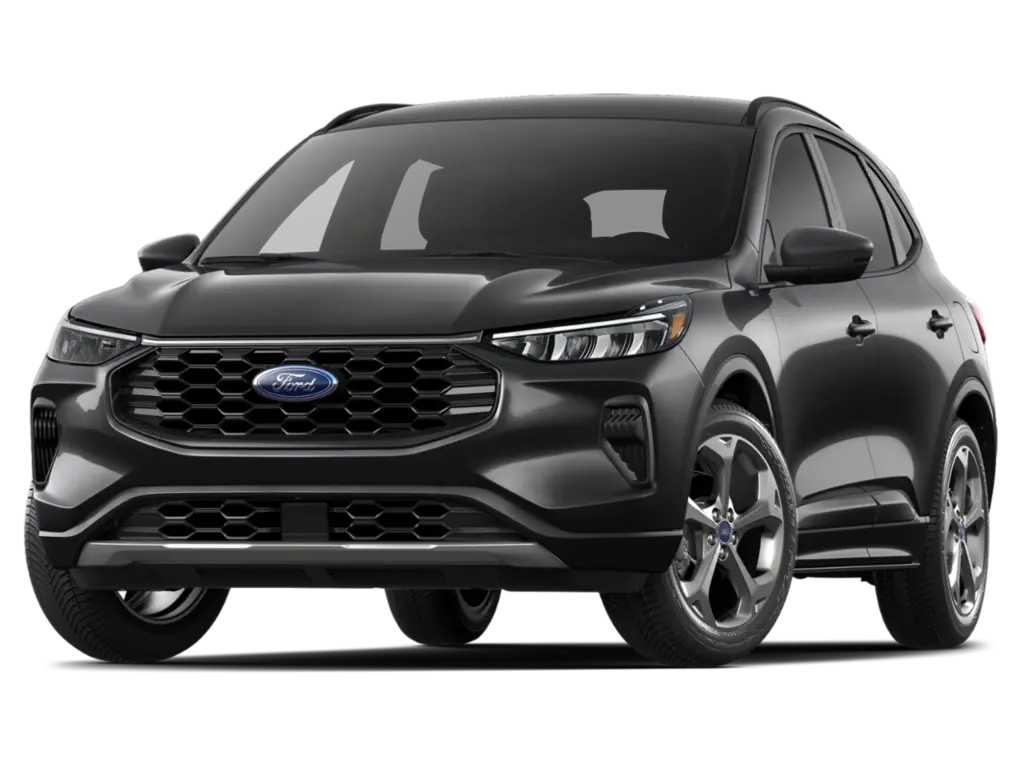
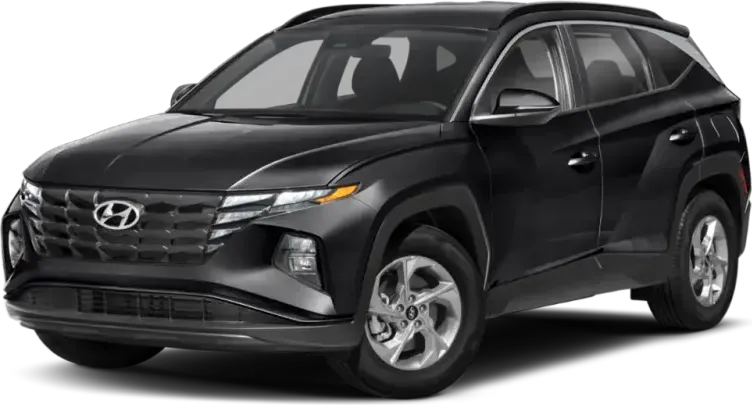
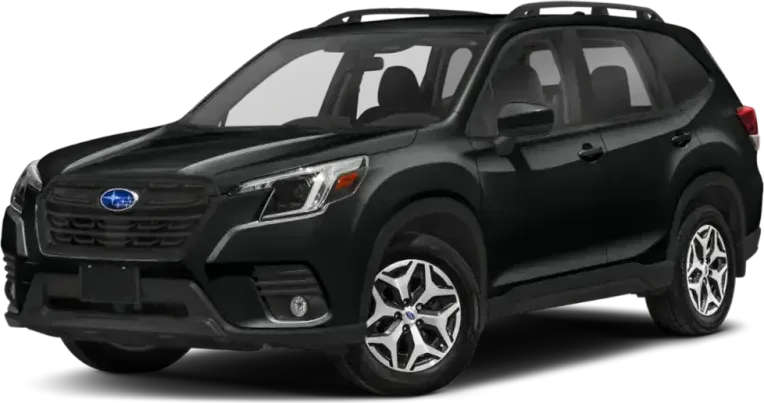
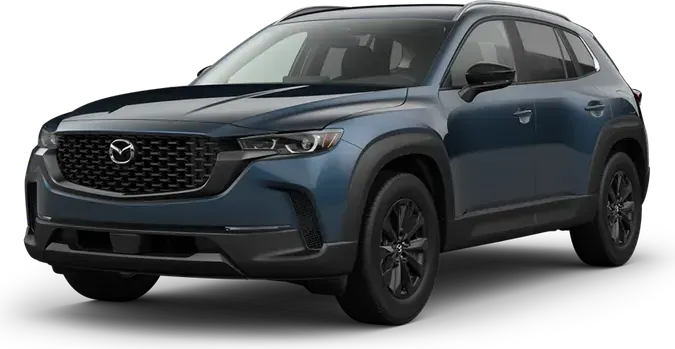
2023 owner complaints, side by side
- GMC Terrain21
- Mazda CX-5049
- Subaru Forester61
- Ford Escape107
- Hyundai Tucson142
- Kia Sportage257
- 2023 Honda CR-V578