2022 Honda CR-V: What to check before buying
Owners have filed 242 complaints with NHTSA about this car, most about the steering, automatic emergency braking, and electrical. The 9 checks below target those problems, in the order you would do them at the car.
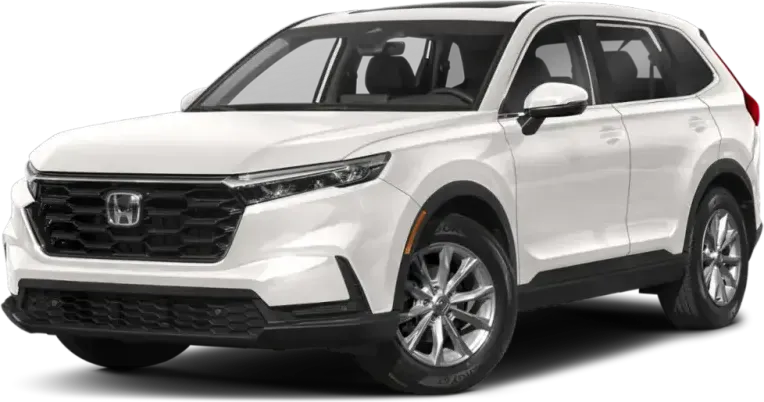 2022
- Owner complaints
- 242
- Recalls
- 5
- Crashes reported
- 12
- 7 injuries
Your inspection sheet
Tick items off on your phone at the car, or print it. Ticks stay on this device.
0/9 checked
2022 Honda CR-V: inspection sheet
Paperwork and questions
Before you go, or before you touch the car0/4
Walk-around and cabin
Engine off, key in hand0/1
Cold start, engine bay, and underside
Ask the seller not to warm the car up first0/1
Test drive
At least 20 minutes, with some highway0/3
These checks are specific to this model year. For tires, body panels, fluids, and the other basics every used car needs, use the general inspection guide.
Which CR-V is it?
EPA figures for each version of the 2022 Honda CR-V. Use them to confirm you are looking at the version that was advertised, and as a yardstick on the test drive.
| Version | Drive | EPA rating |
|---|---|---|
| 1.5L 4-cylGas | AWD, FWD | 29–30 mpg |
| 2.0L 4-cylHybrid | AWD | 38 mpg |
- The 2022 Honda CR-V was sold in two versions. Confirm which one this is from the window sticker, the engine cover, or the VIN report before you compare prices.
- On the hybrid, watch for the car moving off on electric power at low speed and for any hybrid system warning on the dash.
- Reset the trip computer at the start of the drive. A CR-V that averages well under the EPA 29 mpg combined on a mixed route may have an engine or tire problem.
Check the odometer against these mileages
Owners report these failures starting around the mileages below. A car inside one of these ranges deserves a closer look at that part, or records showing it was already fixed.
Sticky or notchy steering
7,500–37,000 miles
Why these checks: what owners reported
NHTSA complaints for the 2022 Honda CR-V, grouped by the part owners named. Open a row to read what goes wrong.
Steering812 crashes
A wheel that sticks or catches is the dominant complaint. It holds its turned position, resists small corrections, or kicks back, often with clicking, creaking, or clunking noises. It is worst at highway speed in long, gentle curves, and no warning light comes on. Reports begin as early as 7,500 miles and cluster between 10,000 and 37,000. Dealers that confirm it replace the steering gear or rack, sometimes after long parts backorders. Several owners say their VIN was left out of a related recall and they paid for the repair. Two reports involve crashes.
Automatic emergency braking38No crashes
Phantom braking dominates this category. The car brakes hard with no vehicle or obstacle ahead, often with an orange BRAKE warning on the dash. Owners report it at speeds from 25 to 70 mph, on empty straight roads, over metal road covers, and under tree shadows. Many say it has happened three or four times. The main danger is a rear-end collision, and one driver reports whiplash. Dealers often cannot reproduce the fault or say nothing can be done. Some owners also see a cascade of system fault warnings.
Electrical312 crashes
Dead 12-volt batteries are a recurring theme, especially on hybrids. Cars that sit for a few days won't start, and some owners trace the drain to a failed body control module. Hybrid owners also describe every warning light flashing at once, followed by loss of power or a dark dashboard and screen. Other reports cover the doors locking with the key inside, phantom braking, and a recall repair delayed because parts were unavailable. Two crashes, one suspected fire, and two injuries appear in this group.
Brakes122 crashes
Most of these reports describe the automatic braking system engaging on its own with nothing ahead, sometimes tightening the seat belts or bringing the car to a full stop. Dealers often call it normal or say nothing can be fixed. Two crashes are reported: a parked car that rolled away into a light pole, and a car that surged while parking and was declared a total loss. Isolated reports mention a spongy pedal with a brake warning light and a noise when braking in reverse.
Transmission102 crashes
Transmission faults lead this small group. Reports include a transmission that died at 1,971 miles, a car stuck in neutral after stalling, and a car that moved forward with reverse selected. Some owners lose response to the accelerator on the highway while warning lights flash, then find the car normal after a restart. Other reports cover loose driveshaft bolts and a leaking axle seal. Two crashes are reported, including a hybrid that lurched forward from a stop and a car that rolled away while stuck in neutral.
Acceleration and cruise control52 crashes
Two patterns appear. In parking lots, the car surges forward on its own, and two reports end in crashes with airbag deployment. On the highway, hybrid owners describe a flashing check engine light followed by sudden loss of acceleration, forcing them onto the shoulder. Shutting the car off and restarting clears the problem, but it comes back, and no fix is reported. One owner also describes adaptive cruise control braking with nothing ahead.
Wipers and visibility5No crashes
Glass that shatters for no clear reason is the main complaint. Reports cover the sunroof, a front passenger window, and the rear windshield, both while driving and while parked. Falling glass reached the occupants in some cases, and one passenger was cut. Separately, an owner reports weak cabin heat at idle in winter that makes defrosting slow. The dealer said this is normal and cannot be changed.
Body and structure3No crashes
A power liftgate closed on a person loading cargo and failed to stop when it met resistance, causing a back injury. In another report, the car locked itself with the key inside and trapped a child even though walk-away auto lock was turned off. A certified pre-owned buyer found ill-fitting middle-row weatherstripping that lets wind and weather into the cabin.
In owners' own words
Excerpts from complaints CR-V owners filed with NHTSA, as written. Listen for the same symptoms on your test drive.
even when the steering assist is off it pulls to left really bad and it just feels like car is steering itself,also the braking system we give you an alert when no threat..
Filed with NHTSA, December 2022
When driving above 40 mph, in conditions above 45 degrees f. The steering is jumpy or sticky. It takes a larger input to steer the car. The steering wheel will jump about an inch. There is no way to steer between the area it jumped over. It leads to swerving down the highway. I went to the dealer concerning recalls on all other years and models. They said I did not qualify due to my vin number not being recalled. I think the steering is a safety issue.
Filed with NHTSA, February 2025
Emergency braking system came on when there was nothing in our path. Very alarming. We were traveling at a low rate of speed-- 25 miles per hour and suddenly the Emergency braking system engaged and jolted us (driver and passenger) forward...this is very dangerous and could cause severe injury or death if it occurred on a highway
Filed with NHTSA, July 2024
Brakes went on causing the car to almost come to a complete stop. Car went around the back of car. I was going 40 miles an hour. No car or anything in the road. Nice sunny day. This is the fourth time the brakes have gone on with nothing in front of car.
Filed with NHTSA, April 2024
Less than a year old and at 3207 miles, the vehicle would not start and showed absolutely no life. The 12v battery was completely drained and required a jump start. The battery did NOT go bad, has no dead cells and the charging system shows no issues when tested. Either the hybrid has a parasitic drain on the low-end battery or the hybrid system does not consider when the 12v battery is low, the gas engine needs to run for charging the 12v battery.
Filed with NHTSA, October 2022
Body control module failed and car was inoperable. Car still under warranty and dealer replaced body control unit. This should be a recall, not a critical piece that must fail. Honda would not have replaced if not under warranty
Filed with NHTSA, May 2025
The automatic braking system is repeatedly braking inappropriately, with nothing in front of us or in the road. We have not gotten into an accident yet but have come close twice. The Honda dealership in Elk Grove, CA acted like this was normal and it “could be a leaf or pebble” and there’s nothing they can fix because it’s normal. This is not normal. It’s dangerous.
Filed with NHTSA, October 2025
On two separate occasions, the Honda CR-V brakes automatically engaged very abruptly for no reason. The dealership indicated that it is a known problem and that there is nothing that can be done to disengage the Automatic Emergency Braking. The vehicle has NOT been inspected. No warning or message was evident prior to, during or immediately after the incidents.
Filed with NHTSA, December 2024
How the 2022 compares with other CR-V years
Complaints for this year next to the average for the other model years, area by area.
The 2022 ranks sixth for owner complaints among 9 CR-V years, well under the average of the others. Newer years have had less time to collect complaints, so compare like with like.
- Steering81135
- Automatic emergency braking3877
- Electrical3165
- Brakes1234
- Transmission1017
- Acceleration and cruise control510
Where the 2022 fits in the CR-V's history
Redesigns and mid-cycle updates change what can go wrong.
The 2022 is the sixth model year of the CR-V's fifth generation (2017–2022).
It includes the 2020 update.
What changed for 2020
- Hybrid powertrain option
- Standard advanced safety features
Recalls to confirm (5)
Recall repairs are free at any Honda dealer, but the seller may never have had them done. Check each campaign number against the VIN.
23V858000Fuel systemDec 2023
Honda (American Honda Motor Co.) is recalling certain 2013-2023 Honda Accord, Civic Coupe, Civic Sedan, Civic Hatchback, Civic Type R, CR-V, HR-V, Ridgeline, Odyssey, Acura ILX, MDX, MDX Hybrid, RDX, RLX, TLX, 2019-2022 Honda Insight, Passport, 2020 Honda CR-V Hybrid, 2018-2019 Honda Clarity PHEV, Fit, and 2015-2020 Honda Accord Hybrid, Pilot, Acura NSX vehicles. The fuel pump inside the fuel tank may fail.
Risk: Fuel pump failure can cause an engine stall while driving, increasing the risk of a crash.
Fix: Dealers will replace the fuel pump module, free of charge. Owner letters were mailed September 6, 2024. Owners may contact Honda customer service at 1-888-234-2138. Honda's numbers for this recall are KGC and KGD. This recall is an expansion of NHTSA recall numbers 21V-215 and 20V-314.
23V844000ElectricalDec 2023
Honda (American Honda Motor Co.) is recalling certain 2020-2022 CR-V Hybrid vehicles. The 12-Volt battery cable routed outside of the body frame is missing a fuse on the power circuit, which can allow the battery cable to short circuit or overheat during a crash.
Risk: An overheated battery cable or short circuit can increase the risk of a fire or injury in a crash.
Fix: Dealers will replace the battery cable, free of charge. Owner notification letters were mailed January 29, 2024. Owners may contact Honda customer service at 1-888-234-2138. Honda's number for this recall is FGB.
23V524000EquipmentJul 2023
Honda (American Honda Motor Co.) is recalling certain 2017, 2020, and 2022 CR-V vehicles. The certification label on the driver's side door states incorrect Gross Vehicle Weight Rating (GVWR), Gross Axle Weight Rating (GAWR), and tire size information. As such, these vehicles fail to comply with the requirements of Federal Motor Vehicle Safety Standard number 110, "Tire Selection and Rims.".
Risk: An incorrectly sized tire may cause premature tread wear, or a tire blow out, increasing the risk of a crash.
Fix: Dealers will install a new corrected label, free of charge. Owner notification letters were mailed September 18, 2023. Owners may contact Honda customer service at 1-888-234-2138. Honda's number for this recall is CF7.
21V939000TransmissionDec 2021
Honda (American Honda Motor Co.) is recalling certain 2021 Acura RDX and 2022 CR-V Hybrid vehicles. A component in the right or left front driveshaft may have been improperly heat-treated, which could result in driveshaft failure.
Risk: Driveshaft failure can cause a sudden loss of drive power, or cause the vehicle to roll away when parked if the parking brake is not applied. Either condition can increase the risk of a crash or injury.
Fix: Dealers will replace the right or left front driveshaft as necessary, free of charge. Owner notification letters were mailed January 24, 2022. Owners may contact Honda customer service 1-888-234-2138. Honda's numbers for this recall are BBY, NBW, and OBX.
21V900000Seat beltsNov 2021
Honda (American Honda Motor Co.) is recalling certain 2021 Accord Sedan, Accord Hybrid, CR-V, Ridgeline, 2022 Insight and CR-V Hybrid vehicles. The automatic locking retractor on the second-row center seat belt assembly may deactivate improperly, which can result in an unsecured child restraint system. As such, these vehicles fail to comply with the requirements of Federal Motor Vehicle Safety Standard number 208, "Occupant Crash Protection.".
Risk: An unsecured child restraint system can increase the risk of injury during a crash.
Fix: Dealers will replace the second-row center seat belt assembly, free of charge. Owner notification letters were mailed January 14, 2022. Owners may contact Honda customer service at 1-888-234-2138.
Also looking at these instead of a CR-V?
Cars shoppers compare with the Honda CR-V, with their own 2022 checklists.
2022 owner complaints, side by side
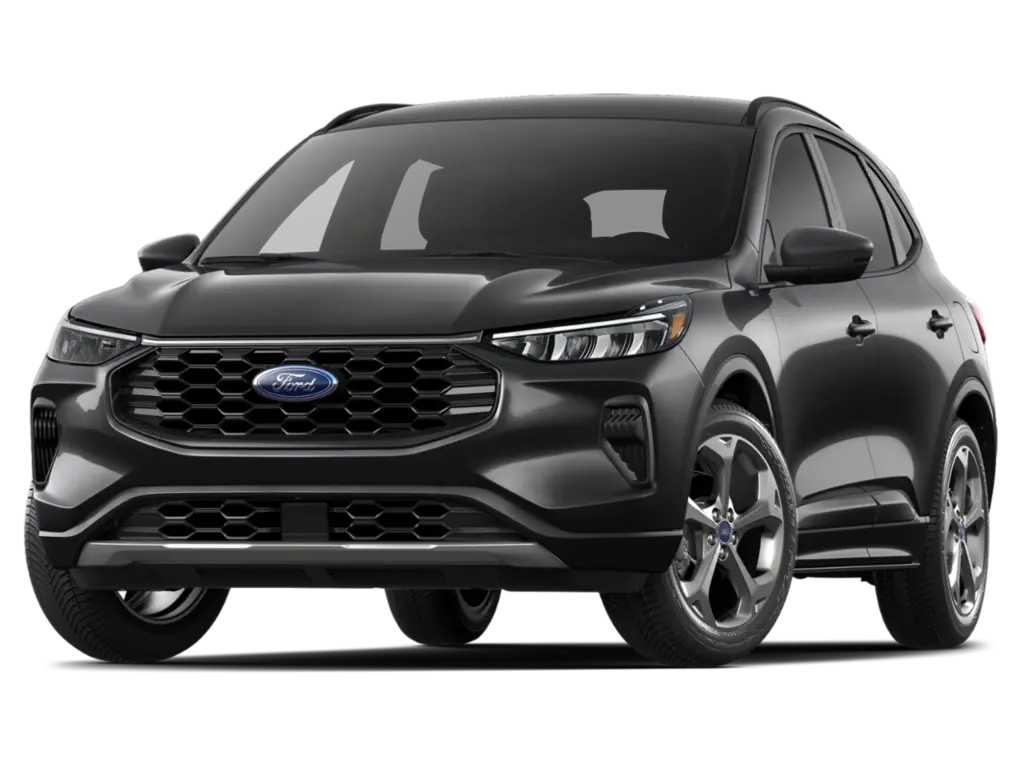
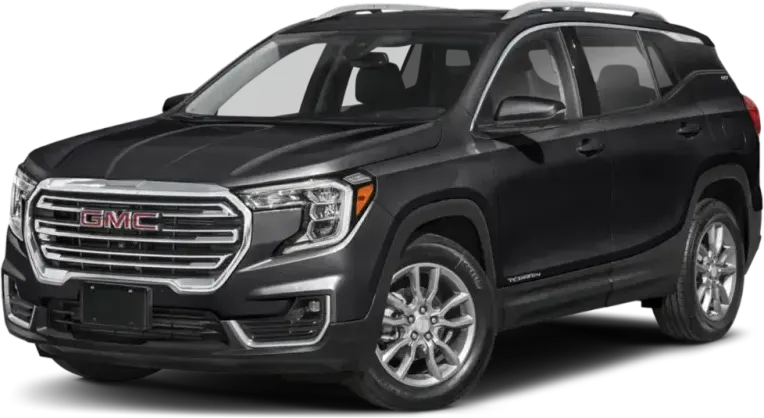
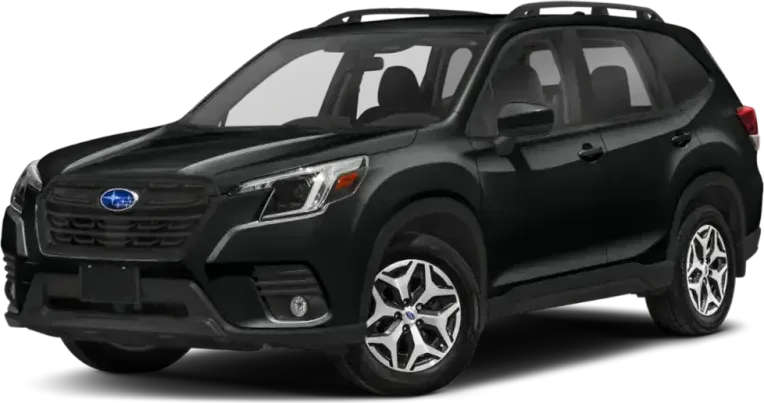
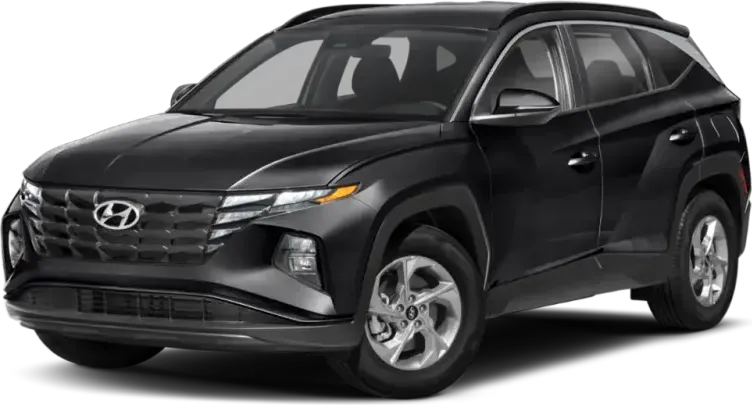
- Kia Sportage39
- GMC Terrain65
- Subaru Forester86
- Toyota RAV4133
- 2022 Honda CR-V242
- Ford Escape325
- Hyundai Tucson433