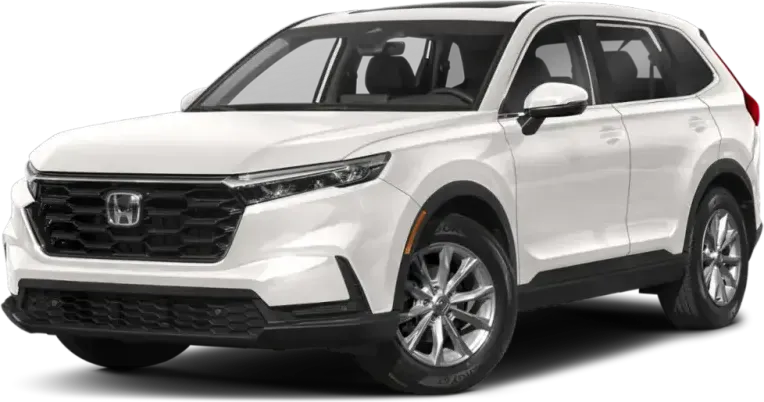
2020 Honda CR-V: What to check before buying
Owners have filed 358 complaints with NHTSA about this car, most about the automatic emergency braking, airbags, and electrical. The 9 checks below target those problems, in the order you would do them at the car.
 2020
- Owner complaints
- 358
- Recalls
- 8
- Crashes reported
- 25
- 20 injuries
Your inspection sheet
Tick items off on your phone at the car, or print it. Ticks stay on this device.
0/9 checked
2020 Honda CR-V: inspection sheet
Paperwork and questions
Before you go, or before you touch the car0/3
Walk-around and cabin
Engine off, key in hand0/1
Cold start, engine bay, and underside
Ask the seller not to warm the car up first0/3
Test drive
At least 20 minutes, with some highway0/2
These checks are specific to this model year. For tires, body panels, fluids, and the other basics every used car needs, use the general inspection guide.
Which CR-V is it?
EPA figures for each version of the 2020 Honda CR-V. Use them to confirm you are looking at the version that was advertised, and as a yardstick on the test drive.
| Version | Drive | EPA rating |
|---|---|---|
| 1.5L 4-cylGas | AWD, FWD | 29–30 mpg |
| 2.0L 4-cylHybrid | AWD | 38 mpg |
- The 2020 Honda CR-V was sold in two versions. Confirm which one this is from the window sticker, the engine cover, or the VIN report before you compare prices.
- On the hybrid, watch for the car moving off on electric power at low speed and for any hybrid system warning on the dash.
- Reset the trip computer at the start of the drive. A CR-V that averages well under the EPA 29 mpg combined on a mixed route may have an engine or tire problem.
Check the odometer against these mileages
Owners report these failures starting around the mileages below. A car inside one of these ranges deserves a closer look at that part, or records showing it was already fixed.
Fuel diluting engine oil
2,000–6,300 miles
Brake booster or simulator failure
15,000–25,000 miles
Sticky steering rack
22,000–50,000 miles
False automatic emergency braking
30,000–30,460 miles
Fuel pump and injector failures
75,000–78,000 miles
Why these checks: what owners reported
NHTSA complaints for the 2020 Honda CR-V, grouped by the part owners named. Open a row to read what goes wrong.
Automatic emergency braking593 crashes
Sudden automatic braking with nothing ahead is the dominant complaint. Reports describe hard stops on open highways, at green lights, over speed bumps, in sun glare, and when a truck passes in the next lane or a car exits onto a ramp. Several drivers were nearly or actually rear-ended, and three complaints involve crashes. A few report the opposite: no warning or braking before hitting a stopped car. Problems often appear around 30,000 miles, and dealers frequently cannot duplicate them.
Airbags468 crashes
Crash reports describe air bags that fail to deploy in side and frontal impacts, or deploy late or abnormally, causing burns, smoke, and cuts. One driver reports a steering-wheel air bag firing during a normal left turn. There are 8 crash-related complaints and 7 injuries. Many other filings are not failures at all. They describe recall campaign 24V064000, where dealers repeatedly said replacement parts were not yet available and owners waited without a fix.
Electrical422 crashes
Two cabin fires stand out, one starting near the rear seat of a hybrid and one shortly after starting a parked car. More common problems include batteries that drain and need jump starts, a center display that goes dark, and every warning light flashing at once while the car slows into limp mode. Startup messages about the brake system and electric parking brake show up, sometimes traced to the brake pedal simulator. Some reports also describe unintended acceleration while parking and a car rolling away after shutoff.
Steering312 crashes
Sticky steering is the clear pattern. The wheel resists small corrections, catches when returning to center at highway speed, and clicks or creaks at low speed. Dealers usually call for a full steering rack or gearbox replacement, with one owner paying $5300. Most cases fall between 22,000 and 50,000 miles. Owners point out that recalls cover other CR-V years but not 2020. Separate reports cover all-wheel-drive warnings tied to a service bulletin, and one highway crash after sudden loss of steering.
Brakes283 crashes
The brake pedal turns hard and loses power assist, usually with a cascade of warnings for the brake system, parking brake, stability control, and collision mitigation. Dealers trace this to the electric brake booster or pedal simulator, sometimes before 25,000 miles, and one owner paid $2400 out of warranty. Some pedals stick rock-hard and block starting the car. Crash reports describe unintended acceleration while parking with the brake pressed and a car rolling backward over its driver after shutoff.
Engine20No crashes
Fuel contaminates the oil. Owners find gasoline smell and an overfull crankcase as early as the first oil change, around 6,200 to 6,300 miles, and short trips make it worse. Dealers say there is no fix beyond frequent oil changes. Other reports describe misfires and highway power loss with a flashing check engine light that clears after a restart and leaves no codes. Leaking fuel injectors, a hybrid head gasket failure at 73,000 miles, and poor cabin heat at idle also appear.
Transmission182 crashes
Sudden loss of power at highway speed is the main concern. The accelerator stops responding, the check engine light may flash, and a restart usually restores normal driving. Dealers often cannot reproduce it. All-wheel-drive problem warnings drop the car to front-wheel drive, and a service bulletin calls for replacing the rear differential pump motor. Two owners describe wiring under the rear-view mirror cut by a hanging placard, disabling brakes and gear selection. Unintended acceleration while parking caused a crash with injuries.
Fuel system17No crashes
Fuel pumps fail without warning, stalling the car on highways and at intersections or forcing limp mode with every dash light flashing. Both the high-pressure pump and the rear pump are named, along with fuel injectors that cut power. Several failures land near 75,000 to 78,000 miles, with one pump repair at $1300. Fuel gauges can also misread, letting the tank run dry. Many owners say a recall covers similar CR-Vs, but their own VIN was excluded.
In owners' own words
Excerpts from complaints CR-V owners filed with NHTSA, as written. Listen for the same symptoms on your test drive.
6/14/25 - automatic emergency braking system engaged twice without any impediments in road while driving 40 miles of non-freeway driving. Mileage of vehicle is 30460 miles. AEBS engaged at 45 mph and 50 mph. Scary incidents but no accident or injury today. Concerned about continued driving and future incidents. Will contact Honda dealership. Need to issue a recall.
Filed with NHTSA, June 2025
I was driving and the automatic emergency breaking activated without warning. I was driving 40 miles per hour with no car near me and the car abruptly stopped without warning. This is the second time this has happened with a similar situation occurring
Filed with NHTSA, November 2022
I was pulling into a parking space and to stop but suddenly the vehicle just accelerated forward jumped the curve, straight through some bushes and crashed into a tree. The airbag deployed caused injuries to my right arm, head, chest contusion. Mostly passenger side front and front damages on the vehicle. Police, ambulance, and firefighter came to investigate and to help with my injuries.
Filed with NHTSA, July 2024
I received a recall notice a long time ago and I have checked multiple times with 2 different Honda dealerships (Located in Hickory, NC & Morganton, NC) about a remedy to fix and have been told every time they don't have the parts to fix and not sure when they will. It has been a long time now and I am concerned. NHTSA Recall Number 24V-064
Filed with NHTSA, March 2025
Driving at approx 45mph local road and suddenly the all warning lights (brake, check engine, hill descent, etc) started flashing. The car started to slow down and I immediately pulled over and turned the car off. Drove to local Honda dealership and they stated it was faulty fuel injector. 2020 Honda CRV @96k miles
Filed with NHTSA, April 2025
Five separate times when starting the car the brakes shake and a message shows up on the dashboard "Brake System" - "Brake System Problem" - "Electric Parking Brake Problem". The car had less than 25,000 miles when I first saw this message. I am not an expert but seems like an electrical problem.
Filed with NHTSA, June 2023
After 4 4/2 years and 26,500 miles the steering became (slightly sticky ) It would take extra pressure to move the steering wheel. It also make clicking and creaking sound while turning at lower speeds 10 MPH or less. The dealer said the entire steering rack needed replacement due to some part that could not be replaced. The the was fine until the steering just started getting tight.
Filed with NHTSA, September 2025
Our steering rack has failed on our 2020 CRV with 23,000 miles on it. There are recalls out there for earlier CRV's as well as the 2023-2025 CRV'S. It cost us $5300 to repair it. If there is an obvious safety defect, why are the 2020's not covered in this recall. There is obviously a long standing safety issue here.
Filed with NHTSA, January 2026
How the 2020 compares with other CR-V years
Complaints for this year next to the average for the other model years, area by area.
The 2020 ranks fifth for owner complaints among 9 CR-V years, well under the average of the others. Newer years have had less time to collect complaints, so compare like with like.
- Automatic emergency braking5975
- Airbags468
- Electrical4264
- Steering31141
- Brakes2832
- Engine2056
Where the 2020 fits in the CR-V's history
Redesigns and mid-cycle updates change what can go wrong.
The 2020 is the fourth model year of the CR-V's fifth generation (2017–2022).
It is also the first year of a mid-cycle update.
What changed for 2020
- Hybrid powertrain option
- Standard advanced safety features
Recalls to confirm (8)
Recall repairs are free at any Honda dealer, but the seller may never have had them done. Check each campaign number against the VIN.
24V064000AirbagsFeb 2024
Honda (American Honda Motor Co.) is recalling certain 2020-2022 Pilot, Accord, Civic sedan, HR-V, Odyssey, 2020 Civic coupe, Fit, 2021-2022 Civic hatchback, 2021 Civic Type R, Insight, 2020-2021 CR-V, CR-V Hybrid, Passport, Ridgeline, Accord Hybrid, 2020 Acura MDX, 2022 Acura MDX, 2020-2022 Acura RDX, and 2020-2021 Acura TLX vehicles. The front passenger seat weight sensor may crack and short circuit, failing to suppress the air bag as intended.
Risk: An air bag that deploys unintentionally during a crash can increase the risk of injury.
Fix: Dealers will replace the seat weight sensors, free of charge. Owner notification letters were mailed March 28, 2024, October 18, 2024, and August 2025. This is a phased recall. Owners may contact Honda customer service at 1-888-234-2138. Honda's numbers for these recalls are XHP and VHQ.
23V858000Fuel systemDec 2023
Honda (American Honda Motor Co.) is recalling certain 2013-2023 Honda Accord, Civic Coupe, Civic Sedan, Civic Hatchback, Civic Type R, CR-V, HR-V, Ridgeline, Odyssey, Acura ILX, MDX, MDX Hybrid, RDX, RLX, TLX, 2019-2022 Honda Insight, Passport, 2020 Honda CR-V Hybrid, 2018-2019 Honda Clarity PHEV, Fit, and 2015-2020 Honda Accord Hybrid, Pilot, Acura NSX vehicles. The fuel pump inside the fuel tank may fail.
Risk: Fuel pump failure can cause an engine stall while driving, increasing the risk of a crash.
Fix: Dealers will replace the fuel pump module, free of charge. Owner letters were mailed September 6, 2024. Owners may contact Honda customer service at 1-888-234-2138. Honda's numbers for this recall are KGC and KGD. This recall is an expansion of NHTSA recall numbers 21V-215 and 20V-314.
23V844000ElectricalDec 2023
Honda (American Honda Motor Co.) is recalling certain 2020-2022 CR-V Hybrid vehicles. The 12-Volt battery cable routed outside of the body frame is missing a fuse on the power circuit, which can allow the battery cable to short circuit or overheat during a crash.
Risk: An overheated battery cable or short circuit can increase the risk of a fire or injury in a crash.
Fix: Dealers will replace the battery cable, free of charge. Owner notification letters were mailed January 29, 2024. Owners may contact Honda customer service at 1-888-234-2138. Honda's number for this recall is FGB.
23V524000EquipmentJul 2023
Honda (American Honda Motor Co.) is recalling certain 2017, 2020, and 2022 CR-V vehicles. The certification label on the driver's side door states incorrect Gross Vehicle Weight Rating (GVWR), Gross Axle Weight Rating (GAWR), and tire size information. As such, these vehicles fail to comply with the requirements of Federal Motor Vehicle Safety Standard number 110, "Tire Selection and Rims.".
Risk: An incorrectly sized tire may cause premature tread wear, or a tire blow out, increasing the risk of a crash.
Fix: Dealers will install a new corrected label, free of charge. Owner notification letters were mailed September 18, 2023. Owners may contact Honda customer service at 1-888-234-2138. Honda's number for this recall is CF7.
23V158000Seat beltsMar 2023
Honda (American Honda Motor Co.) is recalling certain 2017-2020 CR-V, 2018-2019 Accord and Accord Hybrid, 2018-2020 Odyssey, 2019 Insight, and 2019-2020 Acura RDX vehicles. A manufacturing issue with the front seat belts may cause the seat belt buckle channel to interfere with the release button, preventing the seat belt buckle from latching.
Risk: An unlatched seat belt cannot properly restrain the seat occupant during a crash, increasing their risk of injury.
Fix: Dealers will replace the driver and front passenger seat belt buckle release buttons or the buckle assemblies as necessary, free of charge. Owner notification letters were mailed April 18, 2023. Owners may contact Honda customer service at 1-888-234-2138. Honda's numbers for this recall are NDA, QDB, BDC, MDD, LD9. TDF, FDG, ODH, YDI, ZDE.
22V380000Fuel systemMay 2022
Honda (American Honda Motor Co.) is recalling certain 2020 CR-V vehicles. The clip for the absorber inside the fuel tank was not secured properly and may detach, which can cause an inaccurate fuel gauge reading.
Risk: An inaccurate fuel gauge may result in the vehicle unexpectedly running out of fuel and stalling, increasing the risk of a crash.
Fix: Dealers will replace the fuel tank, free of charge. Owner notification letters were mailed July 5, 2022. Owners may contact Honda customer service at 1-888-234-2138. Honda's number for this recall is RCB.
20V798000ElectricalDec 2020
Honda (American Honda Motor Co.) is recalling certain 2020 CR-V Hybrid, Accord Hybrid, and 2020-2021 Insight vehicles. The DC-DC converter may shut down and prevent the 12-volt battery from recharging, possibly resulting in a loss of drive power.
Risk: A loss of drive power can increase the risk of a crash.
Fix: Honda will notify owners, and dealers will update the power converter unit (PCU) software, free of charge. The recall began February 12, 2021. Owners can contact Honda customer service at 1-888-234-2138. Honda's number for this recall is K9E.
19V865000Body and structureDec 2019
Honda (American Honda Motor Co.) is recalling certain 2019-2020 CR-V vehicles. The rear subframe bolts were improperly manufactured and may loosen, allowing the rear subframe to separate.
Risk: A separated rear subframe reduces vehicle handling and can suddenly disable the vehicle, increasing the risk of a crash.
Fix: Honda will notify owners, and dealers will inspect the rear subframe bolts and retorque them or replace them, as necessary, free of charge. The recall began January 27, 2020. Owners may contact Honda customer service at 1-888-234-2138. Honda's number for this recall is R6M.
Also looking at these instead of a CR-V?
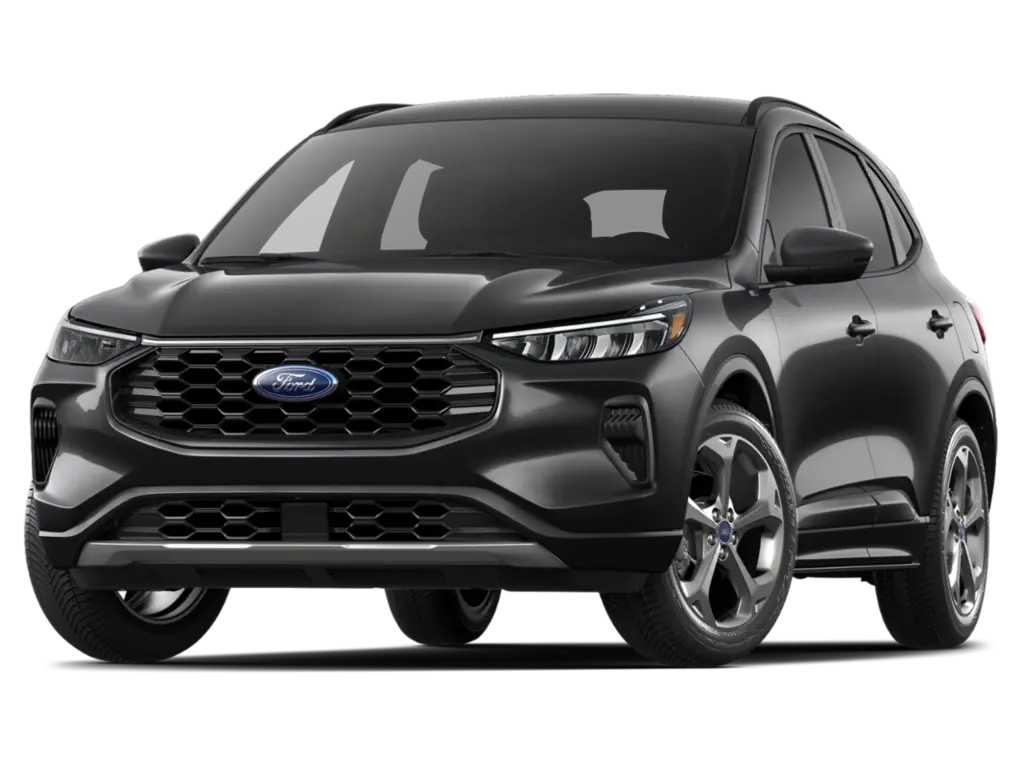
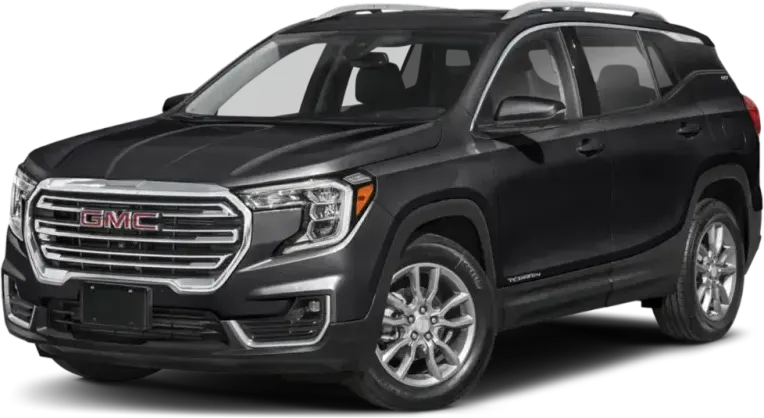
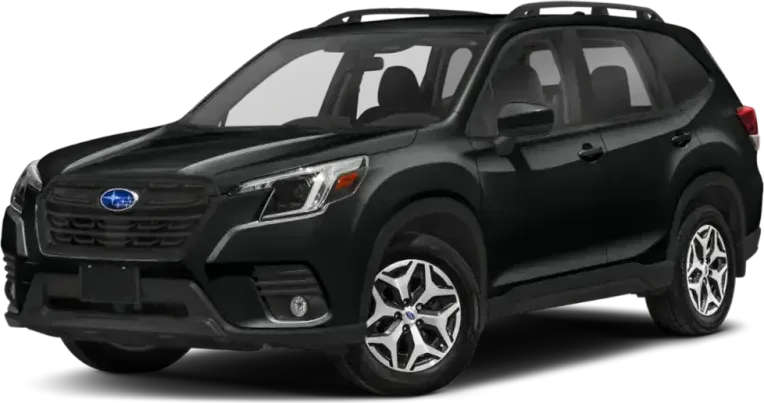
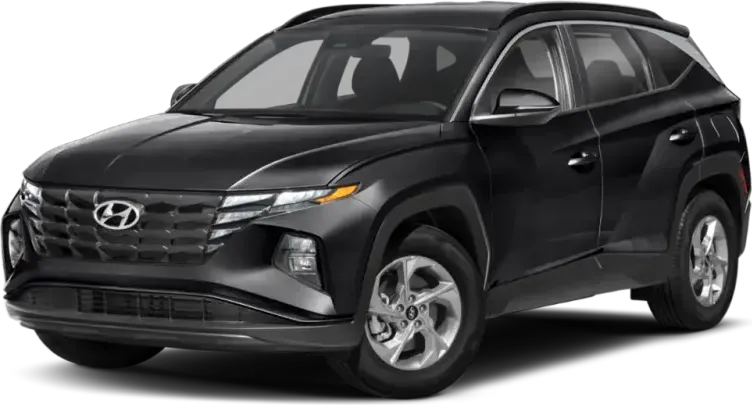
Cars shoppers compare with the Honda CR-V, with their own 2020 checklists.
2020 owner complaints, side by side
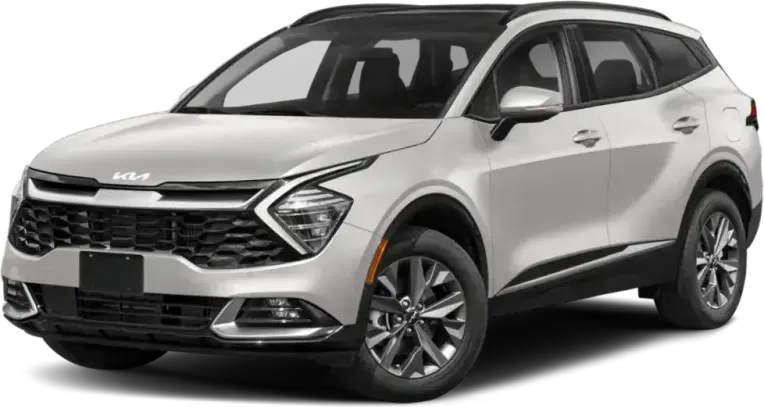
- Kia Sportage139
- Hyundai Tucson153
- GMC Terrain160
- 2020 Honda CR-V358
- Subaru Forester584
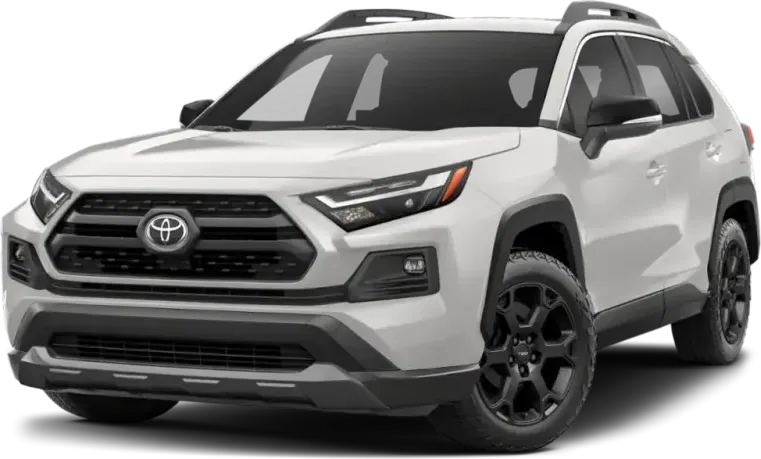
- Toyota RAV4611
- Ford Escape1,667