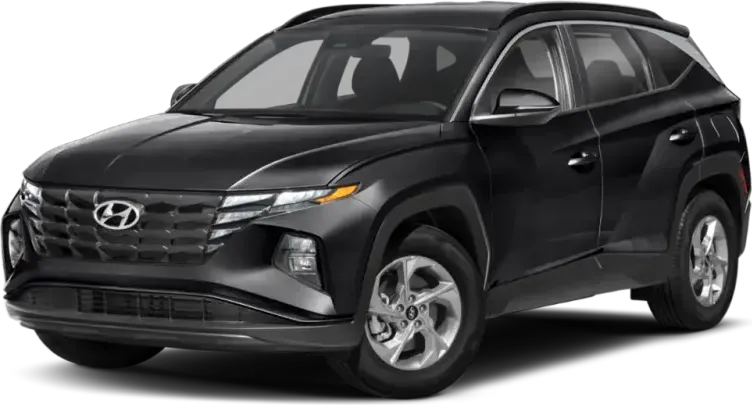
2018 Hyundai Tucson: What to check before buying
Owners have filed 362 complaints with NHTSA about this car, most about the engine, transmission, and brakes. The 9 checks below target those problems, in the order you would do them at the car.
 2018
- Owner complaints
- 362
- Recalls
- 1
- 1 urgent
- Crashes reported
- 13
- 10 injuries
One recall on this model year told owners to park outside until the repair was done.
Do not buy until you have dealer paperwork or a recall lookup showing it was completed for this VIN.
Your inspection sheet
Tick items off on your phone at the car, or print it. Ticks stay on this device.
0/9 checked
2018 Hyundai Tucson: inspection sheet
Paperwork and questions
Before you go, or before you touch the car0/4
Cold start, engine bay, and underside
Ask the seller not to warm the car up first0/2
Test drive
At least 20 minutes, with some highway0/3
These checks are specific to this model year. For tires, body panels, fluids, and the other basics every used car needs, use the general inspection guide.
Which Tucson is it?
EPA figures for each version of the 2018 Hyundai Tucson. Use them to confirm you are looking at the version that was advertised, and as a yardstick on the test drive.
| Version | Drive | EPA rating |
|---|---|---|
| 1.6L 4-cyl | AWD, FWD | 25–27 mpg |
| 2.0L 4-cyl | AWD, FWD | 23–26 mpg |
| 2.4L 4-cyl | AWD, FWD | 22–24 mpg |
- The 2018 Hyundai Tucson was sold in three versions. Confirm which one this is from the window sticker, the engine cover, or the VIN report before you compare prices.
- Reset the trip computer at the start of the drive. A Tucson that averages well under the EPA 22 mpg combined on a mixed route may have an engine or tire problem.
Check the odometer against these mileages
Owners report these failures starting around the mileages below. A car inside one of these ranges deserves a closer look at that part, or records showing it was already fixed.
Headlight failures
16,000–30,000 miles
Engine knock and bearing failure
32,000–79,000 miles
Excessive oil consumption begins
51,000–59,000 miles
Transmission replacement or failure
65,000–70,000 miles
Catalytic converter failure
82,000–101,900 miles
Stalling and power loss
99,000–108,000 miles
Why these checks: what owners reported
NHTSA complaints for the 2018 Hyundai Tucson, grouped by the part owners named. Open a row to read what goes wrong.
Engine148No crashes
Excessive oil consumption leads the reports, with engines burning a quart or more every 1,000 miles despite regular oil changes. The burned oil then ruins catalytic converters, and some owners have replaced them more than once. Many engines go on to knock, stall, or seize, often after the oil light flickers. One report describes a spun bearing at 32,000 miles. Five complaints describe engine fires, several of them after a loud knock and sudden power loss. Second owners report that Hyundai denied engine replacement.
Power loss and stalling make up most of these reports, usually with the check engine light on. Owners describe jerking, a vibrating floorboard, and no response to the gas pedal, sometimes at 65 mph on the highway. Many repairs do not last. Repeated catalytic converter replacements, new fuel injectors, and an engine software update all failed to stop the problem. Oil consumption appears again, with oil running very low between changes. One misfire diagnosis ended with advice to replace the engine.
Transmission923 crashes
Sudden engine failure is the main pattern. Owners describe knocking, rod bearing failure, limp mode at highway speed, and stalls in traffic, often with no warning light until after power is gone. Heavy oil consumption shows up alongside these failures. Transmission complaints describe rough or delayed shifts, sputtering, and hesitation from a stop on the dual-clutch gearbox. Two reports involve fires and three involve crashes, including one alleged case of sudden acceleration in a garage. Several owners say dealers refused extended engine coverage because they were not the original owner.
Brakes344 crashes
Many of these complaints are about a hydraulic brake recall, not a brake failure. Owners report that the repair part was unavailable and that dealers could not schedule the work for months. When the brakes do act up, the pedal sinks low, hard stops slide farther than expected, or the car fails to stop at low speed. Four reports involve crashes and three involve injuries, including one where the car rolled out of park. Several filings here actually describe engine stalls and engine replacements.
Electrical192 crashes
Headlights and taillights burn out again and again, and owners find melted sockets or wiring, sometimes needing a full headlamp assembly. Other reports describe the car shutting off on the highway. One case was traced to a bad ground wire and others to a seized engine. Two crash reports involve deer strikes, one with air bags that failed to deploy. Smaller complaints cover a turn signal that cuts out mid-turn, a dead media screen, a failed seat recliner motor, and a recall left open for 5 months.
Exterior lights10No crashes
Headlights fail intermittently. Owners report bulb-out warnings, bulbs working loose from their sockets, and melted contacts or wiring harnesses. Some say they replace bulbs every 90 days or keep returning to the dealer. A second pattern on new cars involves the headlight beam itself: low beams that reach only about 30 feet, a dark band ahead of the car with the bending-light HID system, and high beams that glare off road signs. Failures appear as early as 16,000 miles. Two filings here actually describe oil consumption and a knock sensor.
Acceleration and cruise control8No crashes
The car hesitates or refuses to accelerate, both from a stop and at speed, and sometimes slows on its own as the driver presses harder on the gas. Owners describe pumping the pedal during left turns before the car responds, and losing power on highway hills. Causes cited include oil-clogged catalytic converters, a faulty sensor, and limp mode after the knock sensor recall. Dealers often cannot reproduce the problem. One report alleges sudden acceleration with the brake pressed on a nearly new car. Onset ranges from 7,000 to 100,000 miles.
Body and structure7No crashes
Paint peels, flakes, and bubbles, most often on the hood, roof, side mirrors, and shark-fin antenna. Dealers decline to help once the warranty has expired. Two other problems stand out. In one report, the sunroof glass shattered while the car was being driven. In another, the rear hatch opens by itself both when parked and when moving, and the dealer could not reproduce it.
Airbags33 crashes
Bags stay stowed during serious crashes in all three reports. The cases include a rear impact that pushed the car into the vehicle ahead, a rear strike that spun the car into a semi-truck, and a side impact where everything deployed except the driver-side curtain. Drivers hit their heads on the steering wheel. One report also cites a seat belt that did not retract. Four injuries are reported, including broken bones and head trauma.
In owners' own words
Excerpts from complaints Tucson owners filed with NHTSA, as written. Listen for the same symptoms on your test drive.
Engine had oil consumption problem. We bought it as second owners around 89k miles. Now at 98k miles and engine has blown. It’s not going to be fixed without a replacement. We are getting the run around by Hyundai in ballwin asking us to pay 500 upfront and all kinds of pushback. We have to tow and they will look at it even though it is still under 100kmile powertrain warranty. We got 3 months use out of a vehicle we just paid 15k for. Total loss
Filed with NHTSA, February 2025
Bought car on 7/14/2021 with 43,200 miles - on September 18, 2021 the car stopped working on the highway. Towed to dealership and after 7 days in the lot was told it had a cracked engine block. Over 2 weeks later they still have no idea when the replacement block will be in and when the vehicle will be fixed. Can't offer a loaner even though warranty calls for them to supply one.
Filed with NHTSA, October 2021
very bad acceleration from a stop position, engine revs but does not move, in slow traffic it hesitates and lunges forward like it’s not sure what it’s suppose to do, when trying to merge or pass another car, you have to give yourself time, it’s very dangerous, took it to the dealer 2 times, was told that’s how the car is made, there is no way this is suppose to be the way the car was built. also a smell of antifreeze but no leaks detected,
Filed with NHTSA, March 2022
Good day, I hope your day is going well. I have a 2018 Hyundai Tucson and on several occasions when I have tried to stop rapidly my break seem to fail and the car slid further than expected. I noticed that there was an anti lock break hydronic recall on the 2018-2022 models but I never received a letter for my vehicle
Filed with NHTSA, October 2022
In many Instances, I come close to get involved in accident. I cannot apply HARD BRAKING. When the hard braking is applied, I feel my foot is touching the ground and the brake cable is going to break. It is very scary and unsafe.
Filed with NHTSA, December 2021
Left turn signal sporadically works during a left turn. Can be safety issue when turn signal stops mid turn even the slightest turn it can stop working and then when finished turning it turns on again. Reported issue to dealership and is being replaced through extended warranty. Issue is a faulty Multi functional turn signal switch. Had been several month since issue started. I have video if the turn signal failing.
Filed with NHTSA, May 2022
The headlight and taillight/break lights burn out constantly. Turns out taillights are melting in socket. My car is not uniquely affected. Many are having same problems. Suddenly losing lights while driving on freezing dark roads. Incredibly unsafe. Not isolated to my car. Very dangerous. The company should replace these sockets and reimburse for the bulbs which have been replaced approximately 6 times in 12 m.
Filed with NHTSA, November 2022
How the 2018 compares with other Tucson years
Complaints for this year next to the average for the other model years, area by area.
The 2018 ranks second for owner complaints among 9 Tucson years, about 2.0 times the average of the others. Newer years have had less time to collect complaints, so compare like with like.
- Engine14832
- Transmission9221
- Brakes3424
- Electrical1927
- Exterior lights101
- Acceleration and cruise control88
Recalls to confirm (1)
Recall repairs are free at any Hyundai dealer, but the seller may never have had them done. Check each campaign number against the VIN.
20V543000BrakesPark outsideSep 2020
Hyundai Motor America (Hyundai) recalled certain 2019-2021 Tucson vehicles on September 4, 2020. On December 30, 2020, Hyundai expanded the recall population, and added certain 2016-2018 Tucson vehicles. The Anti-lock Brake Hydraulic Electronic Control Unit (HECU) could corrode internally and cause an electrical short, possibly resulting in an engine compartment fire.
Risk: An engine compartment fire can increase the risk of injury or crash.
Fix: Hyundai will notify owners, and dealers will replace the HECU fuse. For 2019-2021 model years, the Electronic Stability Control (ESC) software will also be updated. Recall repairs will be performed free of charge. Owners are advised to park outside and away from structures as a precaution until the recall repair is complete. The recall began November 2, 2020. Owners may contact Hyundai customer service at 1-855-371-9460. Hyundai's number for this recall is 195.
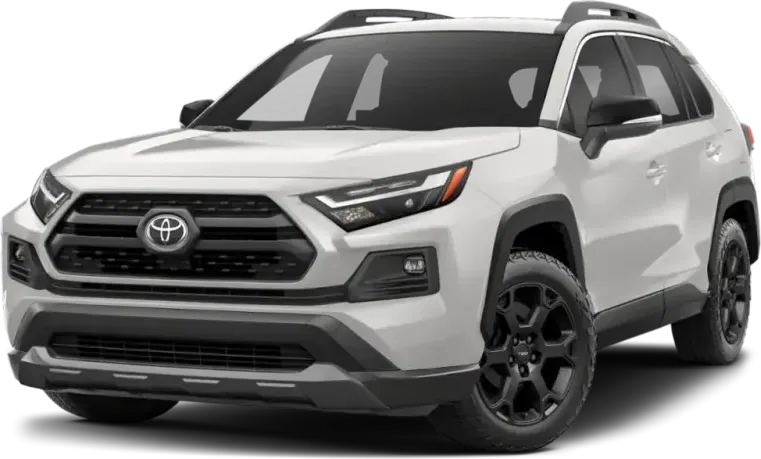
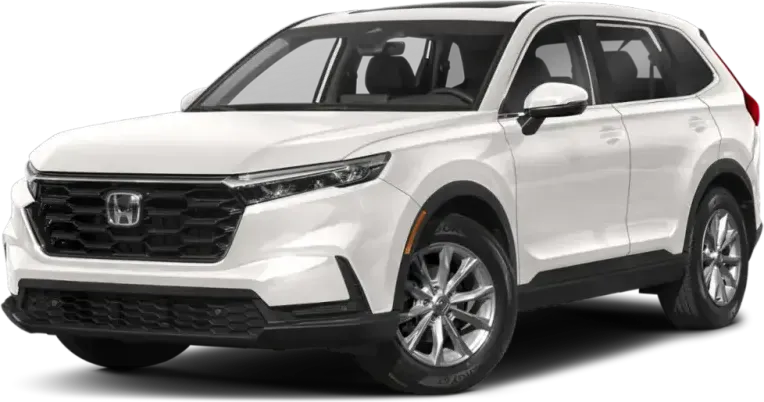
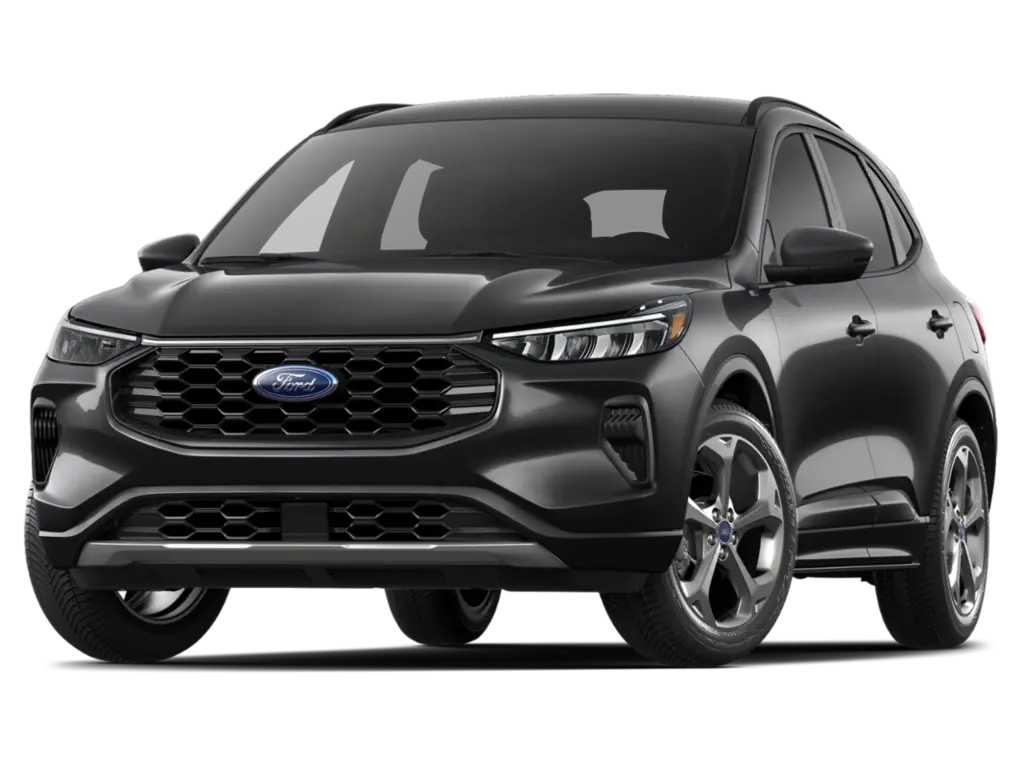
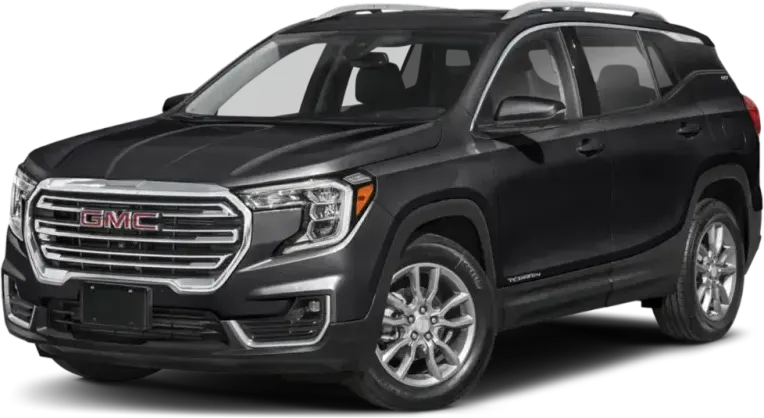
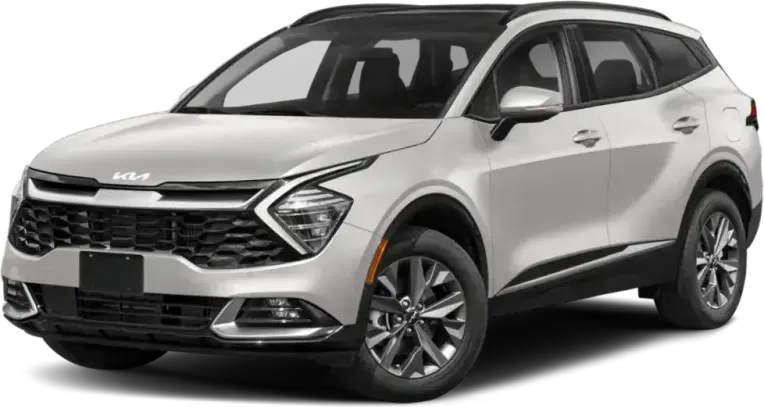
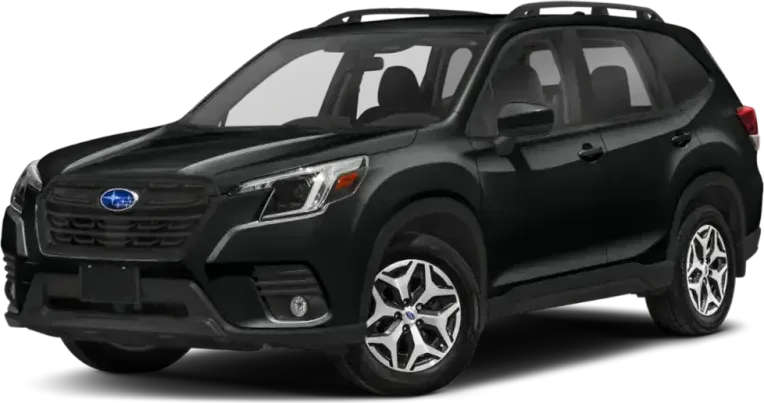
Also looking at these instead of a Tucson?
Cars shoppers compare with the Hyundai Tucson, with their own 2018 checklists.
2018 owner complaints, side by side
- Kia Sportage147
- GMC Terrain201
- Toyota RAV4330
- 2018 Hyundai Tucson362
- Subaru Forester475
- Ford Escape1,597
- Honda CR-V1,960