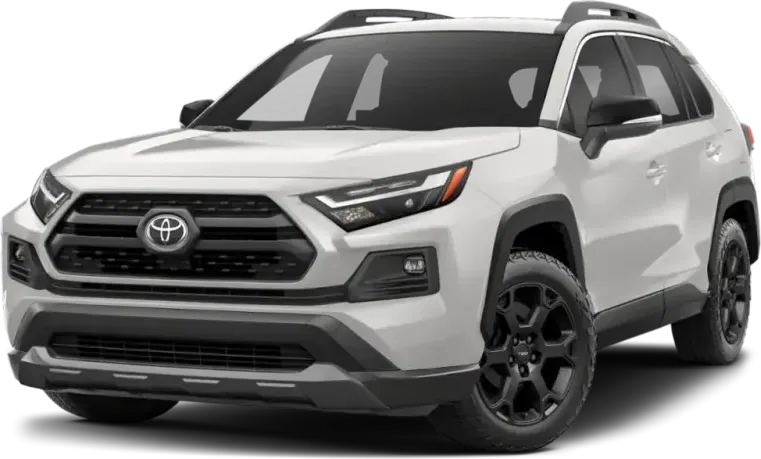
2019 Toyota RAV4: What to check before buying
Owners have filed 864 complaints with NHTSA about this car, most about the fuel system, engine, and electrical. The 9 checks below target those problems, in the order you would do them at the car.
 2019
- Owner complaints
- 864
- Recalls
- 8
- Crashes reported
- 27
- 21 injuries
Your inspection sheet
Tick items off on your phone at the car, or print it. Ticks stay on this device.
0/9 checked
2019 Toyota RAV4: inspection sheet
Paperwork and questions
Before you go, or before you touch the car0/4
Walk-around and cabin
Engine off, key in hand0/3
Test drive
At least 20 minutes, with some highway0/2
These checks are specific to this model year. For tires, body panels, fluids, and the other basics every used car needs, use the general inspection guide.
Which RAV4 is it?
EPA figures for each version of the 2019 Toyota RAV4. Use them to confirm you are looking at the version that was advertised, and as a yardstick on the test drive.
| Version | Drive | EPA rating |
|---|---|---|
| 2.5L 4-cylGas | AWD, FWD | 30 mpg |
| 2.5L 4-cylHybrid | AWD | 40 mpg |
- The 2019 Toyota RAV4 was sold in two versions. Confirm which one this is from the window sticker, the engine cover, or the VIN report before you compare prices.
- On the hybrid, watch for the car moving off on electric power at low speed and for any hybrid system warning on the dash.
- Reset the trip computer at the start of the drive. A RAV4 that averages well under the EPA 30 mpg combined on a mixed route may have an engine or tire problem.
Check the odometer against these mileages
Owners report these failures starting around the mileages below. A car inside one of these ranges deserves a closer look at that part, or records showing it was already fixed.
Low-speed transmission lurching
2,500–6,401 miles
Roof and A-pillar water leaks
30,500–50,000 miles
Coolant bypass valve failure
36,000–59,000 miles
Hybrid high-voltage cable corrosion
36,366–49,743 miles
Liftgate hinge failure
37,000–60,000 miles
Why these checks: what owners reported
NHTSA complaints for the 2019 Toyota RAV4, grouped by the part owners named. Open a row to read what goes wrong.
Fuel system224No crashes
The fuel tank will not take its rated 14.5 gallons. The pump nozzle clicks off after about 8.8 to 10.5 gallons, the gauge never reaches full, and range falls well short of what owners expected. Most reports involve the hybrid. Owners describe waiting months for Toyota's tank and sender fix, and some still get only 12.5 gallons afterward. A separate group reports the engine stalling at highway speed, tied to the fuel pump. Some received a recall notice before any remedy was ready.
Engine1371 crash
An "Engine Maintenance Required" message appears and will not clear. Dealers trace it to a failed coolant bypass valve, and service advisors call it common. Most reports fall between about 36,000 and 59,000 miles, with some as early as 23,000 and some past 100,000. The message often shows up when the AC is on and can cover the speedometer. A few owners report overheating, bucking, or odd smells. Repairs typically run $600 to about $1,000 once warranty ends. One report is crash-related.
Electrical812 crashes
AWD hybrids show "Hybrid System Malfunction" warnings caused by corroded high-voltage cables and wiring under the floor. Power can be cut to a crawl. Toyota customer support program 22TE09 covers some cars, but not those over 100,000 miles, and owners report part shortages and dealer-only repairs. Water leaking from the roof rails or sunroof drains down the A-pillars is another theme. Reports also describe inaccurate fuel gauges, engines shutting off at highway speed, and failed backup cameras. Two reports involve fires and two involve crashes.
Transmission731 crash
The 8-speed transmission lurches, hesitates, or stumbles when accelerating from slow speeds or rolling stops. Shifts feel harsh, and some owners say it pulls away in a higher gear. Complaints start within the first few thousand miles, and a mechanic linked one case to bulletin T-SB-0107-19. Pulling out across traffic is the main risk owners describe. Other reports cover hybrid system warnings from rusted harness wires, electric water pump failures with overheating, and one transmission failure at 105,000 miles. One report involves a crash.
Body and structure511 crash
Power liftgate hinges bend, crack, or tear away from the body. The hatch stops partway, beeps, and eventually will not close or latch. Owners blame weak hinges paired with the power struts, and failures show up from about 37,000 to 60,000 miles. Dealers often could not reproduce early symptoms or called it wear and tear. Another pattern is doors filling with water after rain because they do not drain, and one owner paid $700 for new weather stripping. Other reports cite uneven rear tire wear with no camber adjustment.
Airbags296 crashes
Front air bags fail to deploy in collisions at about 35 to 45 mph, according to several reports. Six reports involve crashes and eight injuries are recorded. A second pattern is water leaking through the roof rack rails, soaking the headliner and A-pillars where the curtain air bags sit. Some owners say the leak came back after the dealer repair. Others report SRS warning messages, sometimes only with a front passenger seated. One owner mentions customer support program 22TE05 for the roof rail repair.
Steering292 crashes
The power steering warning comes on and the wheel turns heavy, seizes, or pulls to one side. Several owners say the car shut off or would not restart right after refueling, showing power steering and engine warnings. Dealers often find no codes. Other complaints describe buzzing or knocking when turning and an intermittent steering angle sensor warning. Two reports involve crashes with four injuries, including a rollover after the owner had reported a loose-feeling wheel.
Brakes243 crashes
The brake pedal fails to stop the car, sometimes sinking to the floor, and crashes have followed. Three reports involve crashes. Hybrid owners cite recall 19V544000 for the brake booster, and some report booster trouble on cars outside that recall. The electronic parking brake sometimes sticks on or will not respond. Other complaints cover leaking or stuck calipers, squealing and chirping, and a parking brake switch placed where it is easy to hit by accident.
In owners' own words
Excerpts from complaints RAV4 owners filed with NHTSA, as written. Listen for the same symptoms on your test drive.
Just received Engine maintenance required message that can not be cleared. I pulled in to my local firestone who looked up the error code p268115. This turns out to be the need to replace a coolant bypass valve and seems to be a pretty common issue with RAV4s but has yet to be on a recall. This can cause the vehicle to stall in traffic and overheat causing a major safety issue. the car is at about 24,000 miles.
Filed with NHTSA, September 2023
2019 Vehicle with less than 45K miles Got a message to take the car to the dealership. Dealership tells me that the coolant bypass valve needs to be replaced. Dealership representative tells me this is a common issue with cars like mine and the part is back ordered for an indeterminate amount of time. After doing some research, I see this is a major issue with quite a few Toyota models, not just Rav4.
Filed with NHTSA, July 2023
Car is shaking when turned on. Will stall if car is not shifted to gear sometimes. When AC is on, car will jump rpm. car acceleration is weak and will jump to 5-6k rpm. car also smells burnt sometimes when driving. car also smells like gasoline sometimes. car does not hold proper amount of gasoline.
Filed with NHTSA, November 2023
The vehicle is a 2019 Hertz rental RAV4 Hertz. On October 12, 2023, when I moved the gearstick to reverse the vehicle accelerated uncontrollable at extremely high speed and crashed into a wall. Braking did not stop the vehicle.
Filed with NHTSA, December 2023
The car transmission hesitates to accelerate at slow speeds and jerks or lurches forwards in a uncontrollable way. Dangerous at stop signs or on slow or hilly roads. Dealership does not directly acknowledge this issue, despite mechanic mentioning very clearly it is related to T-SB-0107-19 which Toyota dealerships charge to repair. No warning messages. Issue has existed as long as I have owned the vehicle 1.5 years from 61,000 miles to 71,000 miles.
Filed with NHTSA, October 2025
A warning notice came on the dashboard stating hybrid system malfunction, see dealer at 49,743 miles. The warning notice stayed on and we called the dealer who instructed us to bring the car in for service and not to drive it until serviced. Toyota service said the hybrid harness wires had rusted which caused the malfunction.
Filed with NHTSA, February 2022
How the 2019 compares with other RAV4 years
Complaints for this year next to the average for the other model years, area by area.
The 2019 has the most owner complaints of the 8 RAV4 years we cover, about 3.2 times the average of the others. Newer years have had less time to collect complaints, so compare like with like.
- Fuel system22416
- Engine13724
- Electrical8152
- Transmission7315
- Body and structure5113
- Airbags2932
Where the 2019 fits in the RAV4's history
Redesigns and mid-cycle updates change what can go wrong.
The 2019 is the first model year of the RAV4's fifth generation (2019–2025). First years of a redesign often carry teething problems that Toyota fixes in later years, so the checks above matter more than usual.
Toyota updated the RAV4 for 2022, so a 2019 does not have those changes.
What changed for 2022 (not on a 2019)
- New LED projector type headlights
- New alloy wheels
- USB-C charging ports
Should you avoid the first year of a redesign? See the 45-car study.
Recalls to confirm (8)
Recall repairs are free at any Toyota dealer, but the seller may never have had them done. Check each campaign number against the VIN.
20V682000Fuel systemNov 2020
Toyota Motor Engineering & Manufacturing (Toyota) is recalling certain 2018-2019 4Runner, 2019-2020 Avalon, 2019 Corolla Hatchback, 2017-2019 Highlander, 2018-2020 Camry, 2020 Corolla, 2018-2019 Land Cruiser, 2017-2020 Tacoma, 2019-2020 RAV4, 2019-2020 Sequoia, 2017-2020 Sienna, 2019-2020 Tundra, 2018-2020 Lexus ES350, 2017 Lexus GS200t, 2017-2019 Lexus GS350, 2019 Lexus GS300, 2018-2020 Lexus LC500h, 2019-2020 Lexus LS500, 2018-2019 Lexus GX460, 2017 Lexus IS200t, 2019 Lexus IS300, 2019 Lexus IS350, 2018-2020 Lexus LC500, 2018 Lexus LS500, 2019 Lexus LS500h, 2018-2019 Lexus LX570, 2017 Lexus RC200t, 2019 Lexus RC300, RC350, 2017 and 2019-2020 Lexus RX350, 2018-2020 RX350L, 2019 Lexus UX200, 2018-2019 Lexus NX300 vehicles. The low-pressure fuel pump inside the fuel tank may fail.
Risk: If the fuel pump fails, the engine can stall while driving, increasing the risk of a crash.
Fix: Toyota will notify owners, and dealers will replace the fuel pump assembly with an improved one, free of charge. Owners of specific models were notified that remedy parts were available starting January 21, 2021. Owners of other models will be notified as remedy parts become available. Remedy parts should be available for all affected vehicles by late March 2021. Owners may contact Toyota customer service at 1-888-270-9371 or Lexus customer service at 1-800-255-3987. Note: This recall is an expansion of recall 20V-012. Toyota's number for this recall is 20TA02. Lexus' number for this recall is 20LA01.
20V373000SteeringJun 2020
Toyota Motor Engineering & Manufacturing (Toyota) is recalling certain 2019-2020 RAV4 and 2020 RAV4 Hybrid vehicles equipped with electric power steering (EPS). Water may enter through the steering gear box cover and cause a loss of electric power steering assist.
Risk: A loss of power steering assist could increase steering effort at low vehicle speeds, increasing the risk of a crash.
Fix: Toyota will notify owners, and dealers will replace the power steering gear box, free of charge. The recall began August 17, 2020. Owners may contact Toyota customer service at 1-888-270-9371. Toyota's number for this recall is 20TB11 / 20TA11.
20V286000SuspensionMay 2020
Toyota Motor Engineering & Manufacturing (Toyota) is recalling certain 2019-2020 RAV4 and RAV4 Hybrid vehicles. The front lower suspension arms may have cracks, which may result in the suspension arm separating from the front wheel assembly.
Risk: If a suspension control arm breaks, it can result in a loss of vehicle control, increasing the risk of a crash.
Fix: Toyota will notify owners, and dealers will replace both front lower suspension arms, free of charge. This recall began August 10, 2020. Owners may contact Toyota customer service at 1-888-270-9371. Toyota's interim numbers for this recall are 20TB08 / 20TA08.
20V064000EngineFeb 2020
Toyota Motor Engineering & Manufacturing (Toyota) is recalling certain 2020 Toyota Avalon Hybrid, Camry, Camry Hybrid and Lexus ES300h and 2019-2020 RAV4 and RAV4 Hybrid vehicles equipped with 2.5L 4-Cylinder engines. Porosity in the engine castings may result in cracks than can allow coolant to leak internally and/or externally.
Risk: A coolant leak can cause the engine to overheat and cause a vehicle stall in conventional gasoline vehicles, increasing the risk of a crash. Additionally, for all involved vehicles, the engine may get damaged mechanically, possibly resulting in an engine oil leak, increasing the risk of a fire.
Fix: Toyota will notify owners, and dealers will inspect and replace the engine including the engine block, as necessary, free of charge. The recall began April 3, 2020. Owners may contact Toyota customer service at 1-888-270-9371 or Lexus at 1-800-255-3987. Toyota's number for this recall is 20TA04. Lexus' number for this recall is 20LA02.
19V576000Backup cameraAug 2019
Toyota Motor Engineering & Manufacturing (Toyota) is recalling certain 2019 RAV4 and RAV4 Hybrid vehicles. Due to a damaged electrical connector, the back-up camera may not activate when the vehicle is in reverse. As such, these vehicles fail to comply to Federal Motor Safety Standard (FMVSS) number 111, "Rearview Mirrors.".
Risk: If the backup camera system does not activate and the driver does not check his/her surroundings while reversing, there is an increased risk of a crash.
Fix: Toyota will notify owners, and dealers will inspect the back-up camera system and replace the audio display unit, if necessary, free of charge. The recall began September 27, 2019. Owners may contact Toyota customer service at 1-888-270-9371. Toyota's number for this recall is K0N.
19V544000Stability controlJul 2019
Toyota Motor Engineering & Manufacturing (Toyota) is recalling certain 2019 Lexus LS500, LC500, ES300h, UX250h, LS500h, Toyota Prius, RAV4 HV, 2019-2020 Toyota Prius Prime, and 2020 Corolla HV vehicles. The brake booster pump may fail causing a deactivation of the Vehicle Stability Control system and a loss of braking assist. As such, these vehicles fail to comply with the requirements of Federal Motor Vehicle Safety Standard (FMVSS) number 126, "Electronic Stability Control Systems.".
Risk: Deactivation of the vehicle stability control system or a loss of braking assist increases the risk of a crash.
Fix: Toyota will notify owners, and dealers will inspect and, if necessary, replace the brake booster pump, free of charge. The recall began September 20, 2019. Toyota owners may contact Toyota customer service at 1-888-270-9371 and Lexus owners may contact Lexus customer service at 1-800-255-3987. Toyota's numbers for this recall are K1L/K0L. Lexus' numbers for this recall are K2F/KLF.
19V503000EquipmentJun 2019
Southeast Toyota Distributors, LLC (SET) is recalling certain 2017-2019 Toyota Camry, Corolla, Rav4, Sienna, and Yaris iA vehicles equipped with factory-installed floor mats. The load carrying capacity modification label may be incorrect. As such, these vehicles fail to comply with the requirements of Federal Motor Vehicle Safety Standard (FMVSS) number 110, "Tire Selection and Rims.".
Risk: An incorrect label may lead to unintentionally overloading the vehicle, increasing the risk of a crash.
Fix: SET will notify owners and provide a corrected label for placement over the inaccurate label, free of charge. The recall began August 23, 2019. Owners may contact Toyota customer service at 1-888-270-9371. SET's number for this recall is SET19A.
19V244000EquipmentMar 2019
Gulf States Toyota (GST) is recalling certain 2019 C-HR, 4Runner, Avalon, Avalon Hybrid, Camry, Camry Hybrid, Highlander, Land Cruiser, Prius, RAV4, Sequoia, Tacoma, Sienna, Tundra and Yaris vehicles. The text on the load capacity label may become illegible. As such, these vehicles fail to comply with the requirements of Federal Motor Vehicle Safety Standard (FMVSS) number 110, "Tire Selection and Rims.".
Risk: If the driver cannot read the label, they may unknowingly overload the vehicle, increasing the risk of a crash.
Fix: GST will notify owners, and dealers will provide corrected load carrying capacity modification labels, free of charge. The recall began May 24, 2019. Owners may contact GST customer service at 1-800-444-1074. GST's number for this recall is 19R1.
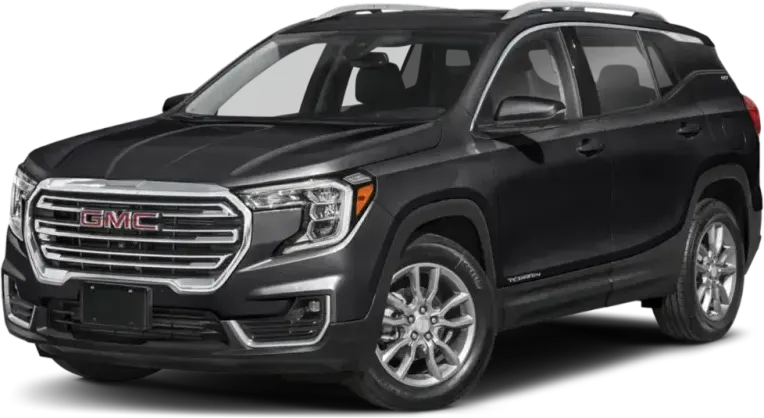
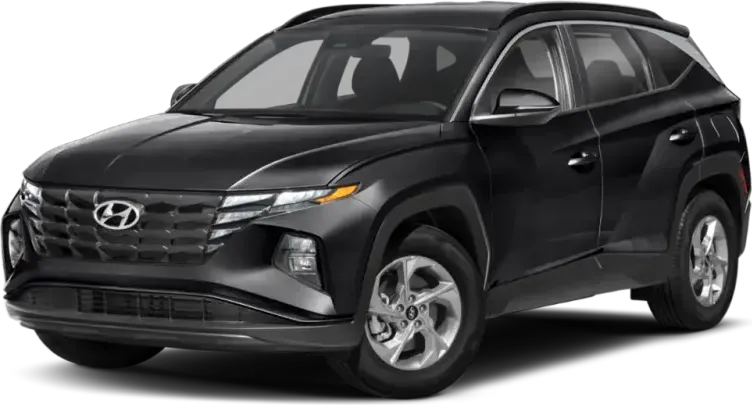
Also looking at these instead of a RAV4?
Cars shoppers compare with the Toyota RAV4, with their own 2019 checklists.
2019 owner complaints, side by side
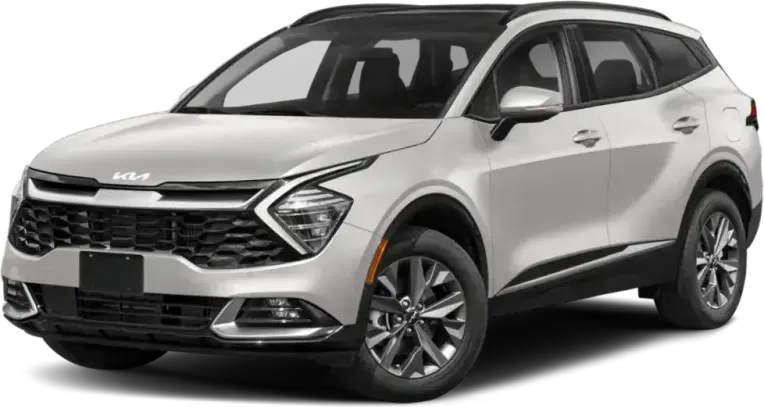
- Kia Sportage63
- GMC Terrain163
- Hyundai Tucson349
- Ford Escape506
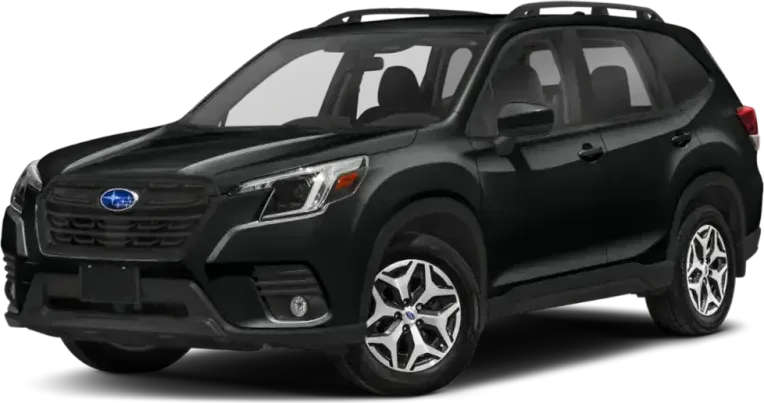
- Subaru Forester825
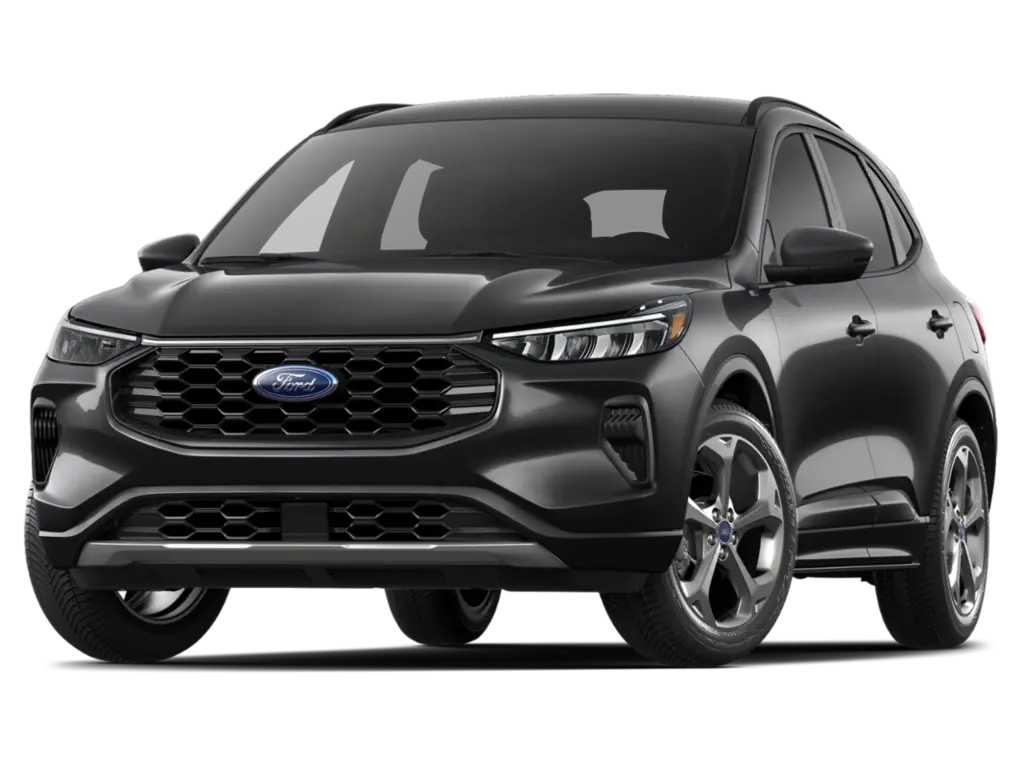
- 2019 Toyota RAV4864
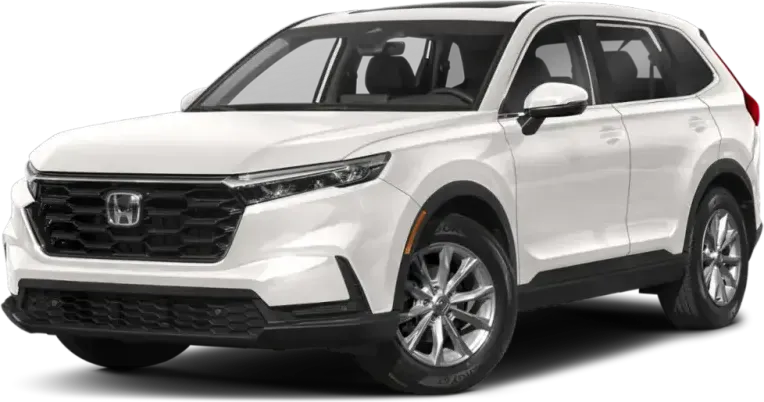
- Honda CR-V996