2021 Toyota RAV4: What to check before buying
Owners have filed 450 complaints with NHTSA about this car, most about the airbags, electrical, and fuel system. The 9 checks below target those problems, in the order you would do them at the car.
 2021
- Owner complaints
- 450
- Recalls
- 5
- Crashes reported
- 55
- 51 injuries
Your inspection sheet
Tick items off on your phone at the car, or print it. Ticks stay on this device.
0/9 checked
2021 Toyota RAV4: inspection sheet
Paperwork and questions
Before you go, or before you touch the car0/3
Walk-around and cabin
Engine off, key in hand0/2
Cold start, engine bay, and underside
Ask the seller not to warm the car up first0/1
Test drive
At least 20 minutes, with some highway0/3
These checks are specific to this model year. For tires, body panels, fluids, and the other basics every used car needs, use the general inspection guide.
Which RAV4 is it?
EPA figures for each version of the 2021 Toyota RAV4. Use them to confirm you are looking at the version that was advertised, and as a yardstick on the test drive.
| Version | Drive | EPA rating |
|---|---|---|
| 2.5L 4-cylGas | AWD, FWD | 30 mpg |
| 2.5L 4-cylHybrid | AWD | 40 mpg |
| 2.5L 4-cylPlug-in hybrid | AWD | 600 mi range |
- The 2021 Toyota RAV4 was sold in three versions. Confirm which one this is from the window sticker, the engine cover, or the VIN report before you compare prices.
- On the hybrid, watch for the car moving off on electric power at low speed and for any hybrid system warning on the dash.
- Reset the trip computer at the start of the drive. A RAV4 that averages well under the EPA 30 mpg combined on a mixed route may have an engine or tire problem.
Check the odometer against these mileages
Owners report these failures starting around the mileages below. A car inside one of these ranges deserves a closer look at that part, or records showing it was already fixed.
Water trapped inside doors
23,000–74,000 miles
Coolant loss and overheating
35,000–55,000 miles
Why these checks: what owners reported
NHTSA complaints for the 2021 Toyota RAV4, grouped by the part owners named. Open a row to read what goes wrong.
Airbags13729 crashes
Failure to deploy in serious crashes is the main complaint. Reports cover head-on hits, side impacts, pole strikes, and rear-end chain collisions where front and side bags stayed folded, so drivers hit the steering wheel or window. Of 137 complaints, 29 involve crashes and 32 report injuries. A smaller group says the driver knee air bag went off with enough force to injure the shin or leg. Several owners mention recall 23V865000 and say the repair part was unavailable when they asked for it.
Electrical685 crashes
A sudden flood of dashboard warnings is the most common pattern. Owners list charging system malfunction, voltage abnormality, steering power low, brake power low, and pre-collision or parking brake faults, sometimes followed by stalling. Some see the steering message only while auto stop/start has shut off the engine at a light, and dealers often cannot reproduce it. Five complaints involve fire at the front bumper, tail light, or engine bay, and two of those cars had earlier front-end repairs. Others report a corroded high-voltage connector at the rear traction motor, plus sudden acceleration and lane-keeping crashes.
Fuel system22No crashes
Fuel tanks that will not fill are the main complaint, mostly on Hybrid and Prime models. Owners say the 14.5-gallon tank takes only 10 to 11 gallons after the low-fuel light comes on, which cuts real range to about 400 miles. The pump clicks off early, or fuel surges back up the filler neck and spills. Owners also call the fuel gauge and miles-to-empty display unreliable. Toyota and dealers often call the shortfall normal or within spec. One owner notes that a fix offered on 2020 models was not extended to 2021. A leaking fuel line also appears.
Brakes214 crashes
Brakes that fail to stop the car are the most serious complaint. Pedals sink to the floor in parking lots or at traffic lights, and 4 complaints ended in crashes. Some drivers had to use the parking brake to stop. On hybrids, owners describe braking that briefly weakens or grinds over bumps while slowing, and a barking noise from behind the firewall that gets worse with miles. Others report pre-collision braking slamming on with nothing ahead, adaptive cruise braking too hard, and parking brake malfunction warnings. Dealers often find nothing wrong.
Steering193 crashes
Brief loss of power steering is the common thread, usually flagged by a voltage abnormality or steering power low warning. It tends to appear while auto stop/start has shut off the engine at a light. Sometimes the car also shuts off or will not restart, even when the battery and alternator test fine. Dealers often cannot find a cause. More serious cases describe the car veering off the road, steering cutting out mid-turn, and lane-keeping assist pulling the car into roadside objects. A faulty steering angle sensor and a damaged rack also appear.
Body and structure151 crash
Water collecting inside the doors is the most repeated problem. Owners hear it slosh after rain and see it drain from the rear doors, with reports spanning 23,000 to 74,000 miles. Glass failures also appear: sunroofs and a side window shattered at highway speed with no impact, and the side window failure caused 2 injuries. Liftgate trouble includes leaking struts, misaligned hinges, and a hatch that will not close properly. Other reports cite a driver door that will not unlock, a loose underbody shield, peeling paint, and a hood that flexes above 40 mph.
Transmission142 crashes
Cars that move after being shifted into park are the most serious reports, and 2 complaints involve crashes. Other owners describe stumbling, hesitation, or lurching when accelerating gently from low speed, which dealers often cannot confirm. Hybrid owners report corroded high-voltage under-floor and traction motor cables that shut the car down, with one repair quoted at $6000 after the warranty ran out. Several complaints are about recall delays rather than new failures. These include the Prime DC-DC converter recall, which tells owners not to charge below 41 degrees until the fix arrives.
Engine14No crashes
Coolant bypass valve failure is the main engine complaint. It usually shows up as an Engine Maintenance Required message or a check engine light, and dealers call it a common RAV4 problem. Owners say no warranty or recall covers it. Related coolant problems include a radiator with pinholes that caused overheating on the highway and a cracked engine block that needed a new short block. Other reports cite timing cover seepage at 59,150 miles, a loud foghorn-like noise after startup, and hybrid system faults that disable AWD and automatic emergency braking.
In owners' own words
Excerpts from complaints RAV4 owners filed with NHTSA, as written. Listen for the same symptoms on your test drive.
There was a stalled vehicle in a traffic lane. The vehicle ahead of me was a large that hit the stalled vehicle. I couldn’t see what he hit but he came to a dead stop and I couldn’t avoid him. My problem is that the airbag under the dashboard on the driver side hit my shin with such force that it caused an abrasion that didn’t seem bad at first but developed into a wound requiring a large hematoma and surgery to remove it and to have skin graft.
Filed with NHTSA, February 2024
I was traveling on a nearby road at approximately 40mph when another vehicle ran a stop sign causing me to t-bone his vehicle and spin around. There was no time for evasive measures so the vehicles collided at full speed. I hit my head on the left side as a result of the collision. The point of impact on my car was the entire front end. Neither my front nor side airbags deployed during the collision. They should have.
Filed with NHTSA, October 2023
Hybrid system failure resulting in vehicle not being drivable at all. Failure is due to corrosion from connector between high voltage harness into rear traction motor. Failure occurred 8,000 miles past warrantee cut-off (100,000) and will require weeks to months to fix 2/2 parts on backorder.
Filed with NHTSA, April 2025
RE: RECALL # 23TA07 for 201 Toyota Rav Prime. An interim recall notice was issued a year ago stating "We are currently preparing a remedy. We will notify you again when remedy is available." Toyota Corporate has no information when this recall will be addressed. I paid over $5000 to get a plug- in hybrid and now cannot use the plug- in feature when temperature is below 40 degrees in the winter. The car is useless as designed.
Filed with NHTSA, April 2024
Fuel tank does not appear to fill completely. After 10-11 gallons, the liquid may spill. In addition, fuel range on dashboard only registers 410-440 miles after filling. Because tank volume is 14.5 gallons and hybrid mileage is 38 mpg, this indicates only about 11 gallons in tank. Complete fuel fill should register over 500 miles, even allowing for a reserve.
Filed with NHTSA, December 2022
The Drive to Empty estimation of remaining miles is not accurate. Regularly shows less miles than actual for HV mode. For example, after fuel fill up, the display read 508 miles DTE. I drove 38 and then it read 448. It should have said 470, thus it had a 22 mile discrepancy. 1 or 2 miles is fine, but an over 5% difference is not.
Filed with NHTSA, June 2021
While traveling on highway with adaptive cruise control engaged and maximum following distance selected, adaptive cruise control applies excessive braking force than necessary when vehicle in front exits highway. Safety concern because following vehicles must abruptly apply brakes. Internet search reveals numerous, similar complaints. We were almost rear-ended on the highway. This feature is great, but needs attention for safety reasons.
Filed with NHTSA, June 2023
While braking there is a brief release, which I believe happens when car switches from regenerative to friction braking. It feels like I have taken my foot off the brake for a moment, but I have not. Result is car briefly stops braking, which can cause loss of control. Has happened consistently for months, less pronounced with hard vs soft braking
Filed with NHTSA, January 2022
How the 2021 compares with other RAV4 years
Complaints for this year next to the average for the other model years, area by area.
The 2021 ranks third for owner complaints among 8 RAV4 years, about 1.4 times the average of the others. Newer years have had less time to collect complaints, so compare like with like.
- Airbags13716
- Electrical6854
- Fuel system2245
- Brakes219
- Steering1918
- Body and structure1519
Where the 2021 fits in the RAV4's history
Redesigns and mid-cycle updates change what can go wrong.
The 2021 is the third model year of the RAV4's fifth generation (2019–2025).
Toyota updated the RAV4 for 2022, so a 2021 does not have those changes.
What changed for 2022 (not on a 2021)
- New LED projector type headlights
- New alloy wheels
- USB-C charging ports
Recalls to confirm (5)
Recall repairs are free at any Toyota dealer, but the seller may never have had them done. Check each campaign number against the VIN.
23V865000AirbagsDec 2023
Toyota Motor Engineering & Manufacturing (Toyota) is recalling certain 2020-2021 Avalon, Avalon Hybrid, Corolla, Highlander, Highlander Hybrid, RAV4, RAV4 Hybrid, Lexus ES350, Lexus RX350, Lexus RX450H, 2021 Sienna Hybrid, Lexus ES250, 2020-2022 Camry, Camry Hybrid, and ES300H vehicles. A short circuit may develop in the Occupant Classification System (OCS) sensor, preventing the front passenger air bag from deploying.
Risk: An air bag that does not deploy during a crash increases the risk of injury.
Fix: Dealers will inspect and replace the sensor as necessary, free of charge. Interim letters notifying owners of the safety risk were mailed in February 2024. Some final remedy owner letters were mailed October 31, 2024. Letters will continue to be mailed in phases through January 2026. Owners may contact Toyota customer service at 1-800-331-4331. Toyota's number for this recall is 23TB15/23TA15 Lexus 23LB03/23LA03.
23V478000ElectricalJul 2023
Toyota Motor Engineering & Manufacturing (Toyota) is recalling certain 2021-2022 RAV4 Prime and 2022 Lexus NX450h+ plug-in hybrid electric (PHEV) vehicles. The electric current rectifying module contained within the DC-DC converter may have been damaged during production, which can result in an electrical short-circuit.
Risk: A short circuit can cause the DC-DC converter to overheat, increasing the risk of a vehicle fire.
Fix: Owners are advised not to charge their vehicles when the ambient air temperature is below or expected to drop below 41 degrees Fahrenheit (5 degrees Celsius). Dealers will replace the DC-DC converter, free of charge. Owner notification letters were mailed December 29, 2023. Owners may contact Toyota's customer service at 1-800-331-4331. Toyota's number for this recall is 23TB07/23LB01.
23V041000ElectricalFeb 2023
Toyota Motor Engineering & Manufacturing (Toyota) is recalling certain 2021 RAV4 Prime Plug-In Hybrid vehicles. During certain cold weather driving conditions, while driving in EV Mode, the hybrid vehicle control engine control unit (HEV ECU) software may cause the hybrid system to shut down if the accelerator is rapidly pressed to further accelerate the vehicle, resulting in a stall.
Risk: An engine stall increases the risk of a crash.
Fix: Dealers will update the HEV ECU software, free of charge. Owner notification letters are expected to be mailed February 27, 2023. Owners may contact Toyota's customer service at 1-800-331-4331. Toyota's number for this recall is 23TA01.
22V239000Stability controlApr 2022
Toyota Engineering & Manufacturing (Toyota) is recalling certain 2022 Lexus LX 600, Lexus NX 350h, Lexus NX 450h+, Toytoa RAV4 Hybrid, 2021-2022 Lexus LS 500h, Toyota Mirai, RAV4 PRIME, Sienna, Venza, and 2020-2022 Toyota Highlander Hybrid vehicles. The Skid Control ECU software may not turn on the Vehicle Stability Control (VSC) system when the vehicle is restarted after the driver has disabled the VSC system. As such, these vehicles fail to comply with the requirements of Federal Motor Vehicle Safety Standard number 126, "Electronic Stability Control Systems.".
Risk: Driving with a deactivated stability control system increases the risk of a crash.
Fix: Dealers will update the Skid Control ECU software, free of charge. Owner notification letters were mailed May 27, 2022. Owners may contact Toyota customer service at 1-800-331-4331. Toyota's number for this recall is 22TA03. Lexus' number for this recall is 22LA01.
20V698000Exterior lightsNov 2020
Toyota Motor Engineering & Manufacturing (Toyota) is recalling certain 2021 RAV4 Prime vehicles. The headlight aiming caps may have been improperly closed, allowing for horizontal adjustment of the headlight beam. As such, these vehicles fail to comply with the requirements of Federal Motor Vehicle Safety Standard number 108, "Lamps, Reflective Devices, and Associated Equipment.".
Risk: Adjusting the horizontal headlight beam can increase glare, reducing the visibility of an oncoming driver or the vehicle operator, increasing the risk of a crash.
Fix: Toyota will notify owners, and dealers will close the aiming caps on the headlights, free of charge. The recall began January 6, 2021. Owners may contact Toyota customer service at 1-800-331-4331. Toyota's number for this recall is 20TA15.
Also looking at these instead of a RAV4?
Cars shoppers compare with the Toyota RAV4, with their own 2021 checklists.
2021 owner complaints, side by side
- GMC Terrain28
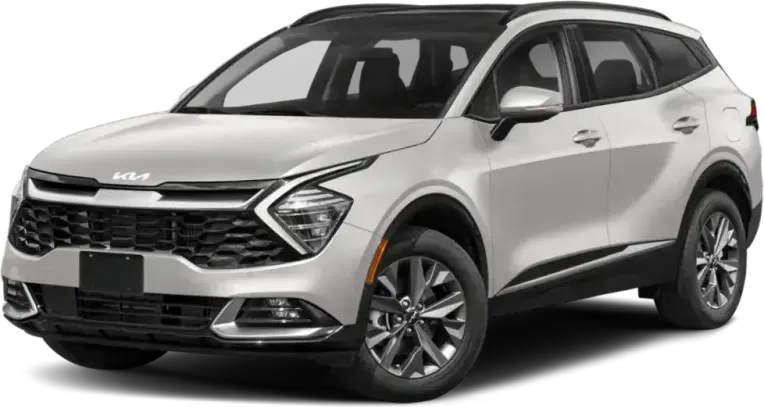
- Kia Sportage34
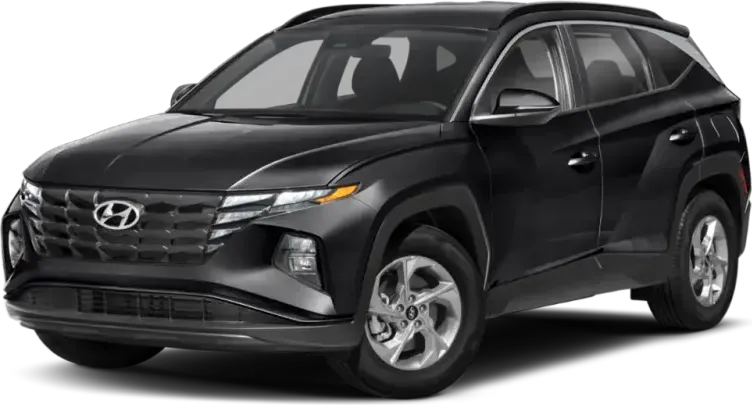
- Hyundai Tucson58
- Volkswagen Tiguan106
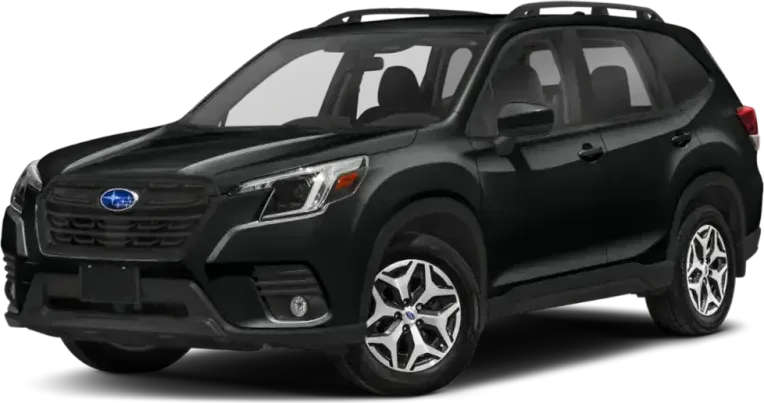
- Subaru Forester196
- Honda CR-V241
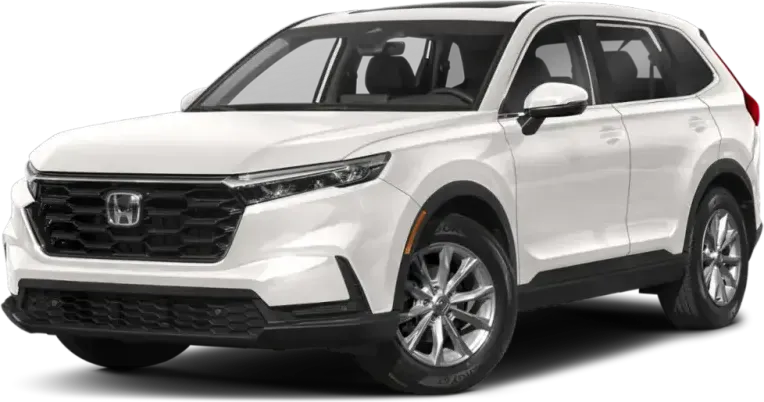
- 2021 Toyota RAV4450