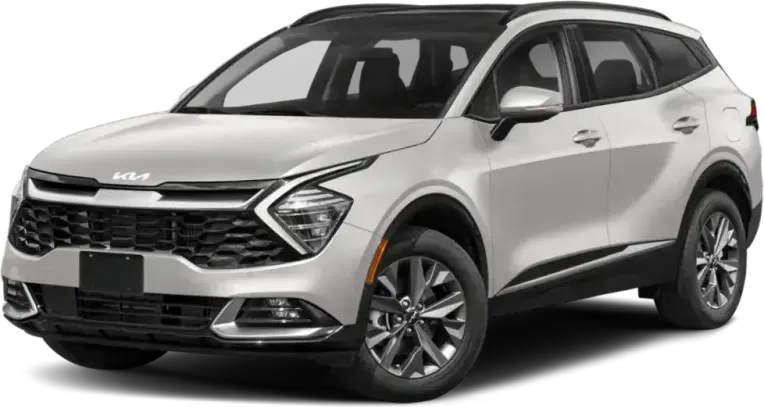
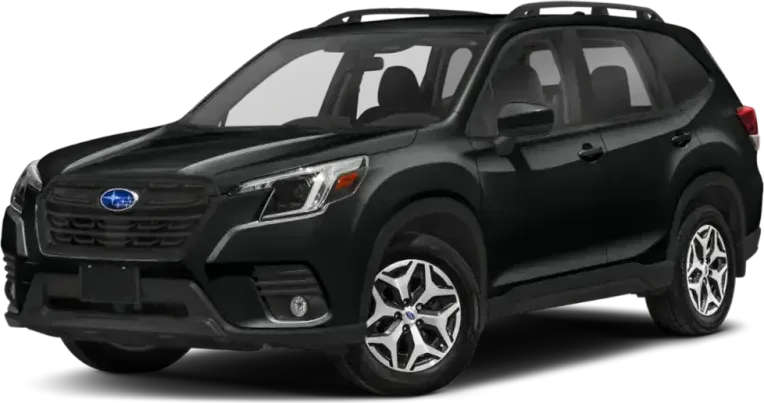
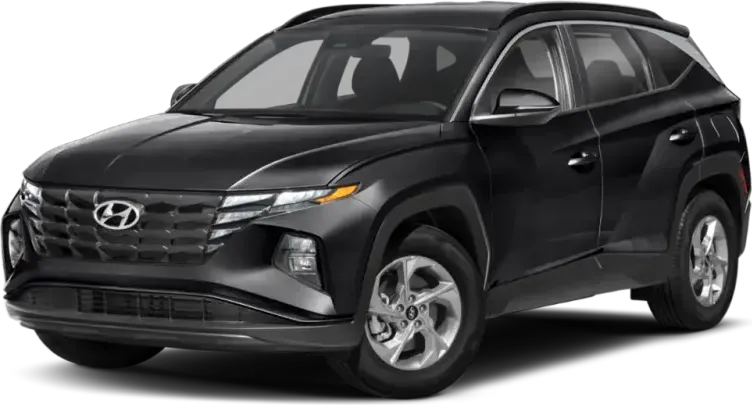
2019 Hyundai Tucson: What to check before buying
Owners have filed 349 complaints with NHTSA about this car, most about the engine, brakes, and transmission. The 9 checks below target those problems, in the order you would do them at the car.
 2019
- Owner complaints
- 349
- Recalls
- 1
- 1 urgent
- Crashes reported
- 14
- 10 injuries
One recall on this model year told owners to park outside until the repair was done.
Do not buy until you have dealer paperwork or a recall lookup showing it was completed for this VIN.
Your inspection sheet
Tick items off on your phone at the car, or print it. Ticks stay on this device.
0/9 checked
2019 Hyundai Tucson: inspection sheet
Paperwork and questions
Before you go, or before you touch the car0/3
Walk-around and cabin
Engine off, key in hand0/2
Cold start, engine bay, and underside
Ask the seller not to warm the car up first0/3
Test drive
At least 20 minutes, with some highway0/1
These checks are specific to this model year. For tires, body panels, fluids, and the other basics every used car needs, use the general inspection guide.
Which Tucson is it?
EPA figures for each version of the 2019 Hyundai Tucson. Use them to confirm you are looking at the version that was advertised, and as a yardstick on the test drive.
| Version | Drive | EPA rating |
|---|---|---|
| 2.0L 4-cyl | AWD, FWD | 23–26 mpg |
| 2.4L 4-cyl | AWD, FWD | 23–25 mpg |
- The 2019 Hyundai Tucson was sold in two versions. Confirm which one this is from the window sticker, the engine cover, or the VIN report before you compare prices.
- Reset the trip computer at the start of the drive. A Tucson that averages well under the EPA 23 mpg combined on a mixed route may have an engine or tire problem.
Check the odometer against these mileages
Owners report these failures starting around the mileages below. A car inside one of these ranges deserves a closer look at that part, or records showing it was already fixed.
Hesitation accelerating from stop
3,500–9,000 miles
Limp mode and power loss
37,000–52,000 miles
Engine knocking and failure
51,000–62,768 miles
Catalytic converter replacement
89,000–100,000 miles
Why these checks: what owners reported
NHTSA complaints for the 2019 Hyundai Tucson, grouped by the part owners named. Open a row to read what goes wrong.
Engine1201 crash
Burning oil is the dominant complaint. Levels drop quarts low between changes with no visible leak, and the low-oil light often stays dark. Many reports progress to knocking, a flashing check engine light, a bad rod bearing, metal shavings in the oil, and a full engine replacement, often between 51,000 and 60,059 miles. Some cars have catalytic converters and exhaust manifolds replaced more than once. Owners describe stalling and power loss at highway speed, and two fires started under the hood while driving. Out-of-warranty and second owners report denied engine claims.
Reduced power and stalling are reported, with one car unable to exceed 25 mph. Shuddering, sluggish climbs, and an intermittent check engine light accompany excessive oil consumption. Diagnoses point to exhaust system and catalytic converter failure, including P0420 codes, with one converter replacement needed at about 89,000 miles. The manufacturer declined to cover repairs in more than one report. Only 4 complaints are filed here.
Brakes994 crashes
Most reports concern the ABS module recall, which carries a fire risk even while parked. Owners describe waiting months for a repair because dealers had no parts, and some were told to park outside away from buildings. Separate reports describe a brake pedal that sinks toward the floor or feels spongy, with crashes when the car failed to stop. Filings include 4 crashes, 3 fires, and 1 injury, including a vehicle that burned while parked.
Transmission371 crash
Hesitation from a stop is a common early complaint, appearing within the first few thousand miles. The car pauses for about two seconds before pulling, as if fuel cut out, mostly in normal drive mode. Later reports describe limp mode, knocking, a flashing check engine light, and refusal to shift on hills, with codes such as P1326 tied to the knock sensor monitoring campaign. Oil consumption and repeated catalytic converter failures also appear. Sudden loss of power at highway speed led to one crash, and one engine fire is reported.
Electrical33No crashes
Sudden loss of acceleration is the main pattern. The check engine light flashes, the car will not go past 30 mph or so, and lane keeping and forward collision warnings light up at the same time. Dealers often find no fault, and knock sensor replacements do not always fix it. Other reports cover an infotainment screen that freezes on the backup camera, audio that stays on and drains the battery, failed low beams, theft despite the anti-theft update, and long waits for recall parts. One engine fire is reported.
Acceleration and cruise control91 crash
Two patterns appear. Some cars accelerate on their own while parking, sitting with auto hold engaged, or on cruise control. One climbed to 90 mph on cruise, and a parking surge ended in a crash that injured two people. More often the car drops into limp mode with a flashing check engine light and will not exceed 45 or 50 mph, sometimes on the freeway. Some of these followed engine recall work. Hesitation, RPM flares, and dealers unable to duplicate the fault also appear.
Airbags33 crashes
None of the bags deploy in serious collisions, according to all 3 complaints. The crashes include a front-end impact, a side impact followed by a head-on hit, and a 55 mph crash into an embankment. Injuries include concussions and a passenger striking the windshield. No cause was determined in these reports. Four people were injured across the filings.
Seats21 crash
Both front seatbacks collapsed into a reclined position when the car was hit from behind at about 30 mph, injuring two people. A second report raises concern that the front headrests are fixed and sit far behind the occupant's head, leaving a gap that could worsen injuries in a crash. The dealer offered no fix. Only 2 complaints are filed.
Suspension21 crash
Neither report describes a suspension fault. One car surged forward while being put in park, rolled over a curb, and hit a tree. The other went into limp mode several times on the freeway and in turns, with a foul smell inside the cabin. Its catalytic converter and fuel injectors were replaced before the manufacturer approved a new engine after 6 dealer visits.
In owners' own words
Excerpts from complaints Tucson owners filed with NHTSA, as written. Listen for the same symptoms on your test drive.
Due to known oil consumption my car stalled due to no oil left in the engine even though there were 2,000 miles left until my oil change. I have since started to go to my local Hyundai dealership to test for oil consumption and have been tested 3 times and Hyundai is saying that there is oil consumption but it is under the threshold they consider actionable. This is very problematic and can cause many issues for myself and others.
Filed with NHTSA, September 2025
Car started knocking on a Wednesday like it wanted to cut off, no engine lights came on. Got car towed to dealership on Thursday morning, still no engine light. Dealership called on Thursday said I need a new engine. Car was a 2019 Hyundai Tucson which I purchased in 2020 with 60,059miles. I was the second owner.
Filed with NHTSA, March 2022
When u try and pull out in traffic the Car hesitates and kicks to pick up and go . Had a few mechanics look at it and was told it is the Torque Converter With the Vehicle only having 19,000 miles on it .it is a huge safety issue and Hyundai is saying my Tucson has no warranty on it. So what I till crash and sue Hyundai?
Filed with NHTSA, July 2024
High oil consumption, Taken to dealer for oil consumption test, Have to drive vehicle 1000 miles , Then take vehicle back to dealership to see how many quotes of all I’ve burnt or lost recheck oil levels
Filed with NHTSA, October 2025
How the 2019 compares with other Tucson years
Complaints for this year next to the average for the other model years, area by area.
The 2019 ranks third for owner complaints among 9 Tucson years, about 1.9 times the average of the others. Newer years have had less time to collect complaints, so compare like with like.
- Engine12036
- Brakes9916
- Transmission3728
- Electrical3325
- Acceleration and cruise control97
- Airbags33
Recalls to confirm (1)
Recall repairs are free at any Hyundai dealer, but the seller may never have had them done. Check each campaign number against the VIN.
20V543000BrakesPark outsideSep 2020
Hyundai Motor America (Hyundai) recalled certain 2019-2021 Tucson vehicles on September 4, 2020. On December 30, 2020, Hyundai expanded the recall population, and added certain 2016-2018 Tucson vehicles. The Anti-lock Brake Hydraulic Electronic Control Unit (HECU) could corrode internally and cause an electrical short, possibly resulting in an engine compartment fire.
Risk: An engine compartment fire can increase the risk of injury or crash.
Fix: Hyundai will notify owners, and dealers will replace the HECU fuse. For 2019-2021 model years, the Electronic Stability Control (ESC) software will also be updated. Recall repairs will be performed free of charge. Owners are advised to park outside and away from structures as a precaution until the recall repair is complete. The recall began November 2, 2020. Owners may contact Hyundai customer service at 1-855-371-9460. Hyundai's number for this recall is 195.
Also looking at these instead of a Tucson?
Cars shoppers compare with the Hyundai Tucson, with their own 2019 checklists.
2019 owner complaints, side by side
- Kia Sportage63
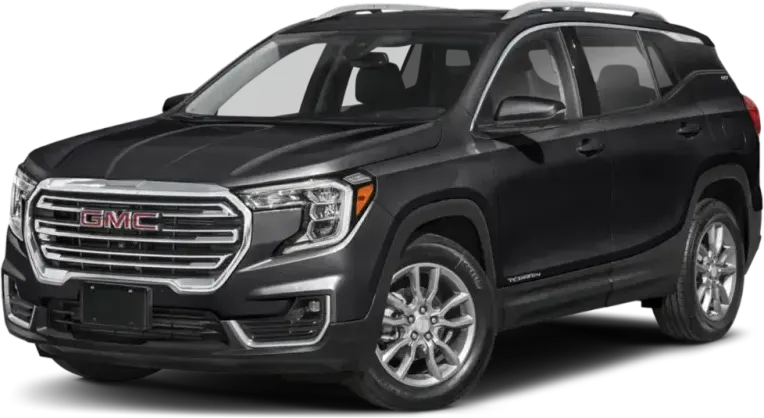
- GMC Terrain163
- 2019 Hyundai Tucson349
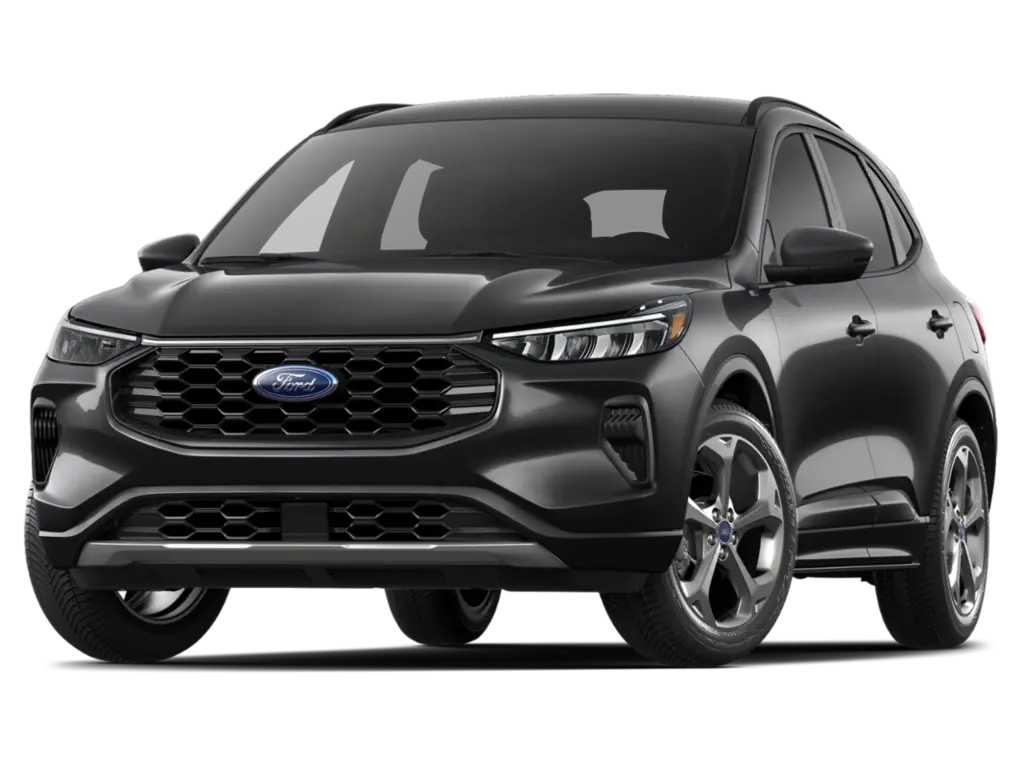
- Ford Escape506
- Subaru Forester825
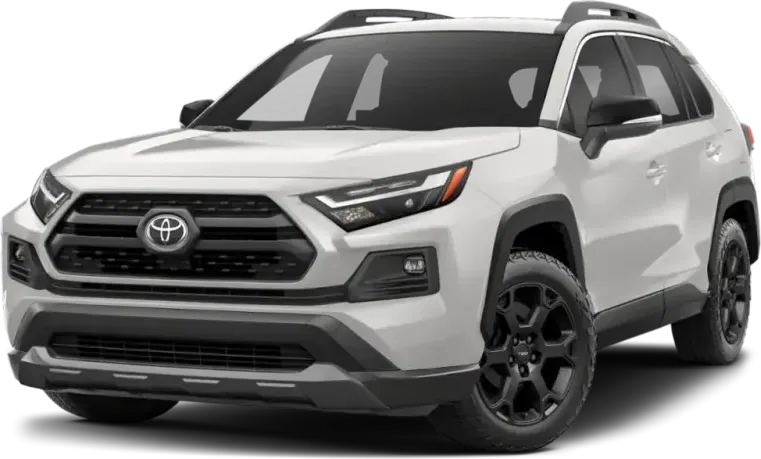
- Toyota RAV4864
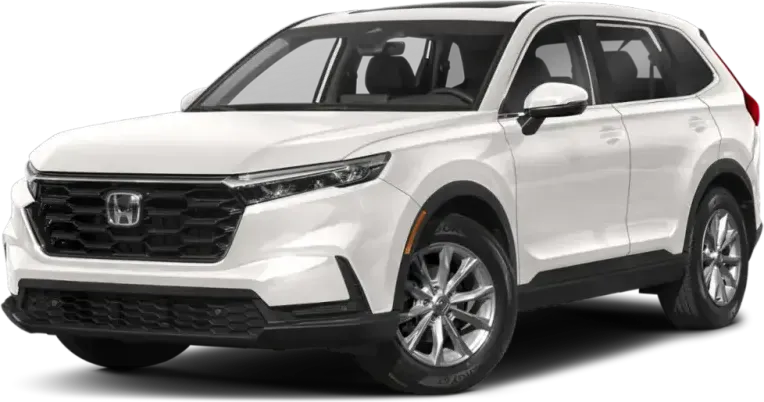
- Honda CR-V996