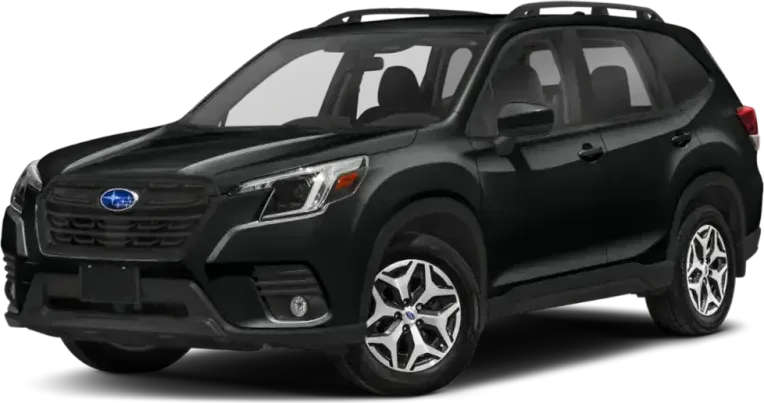
2019 Subaru Forester: What to check before buying
Owners have filed 825 complaints with NHTSA about this car, most about the wipers and visibility, electrical, and engine. The 9 checks below target those problems, in the order you would do them at the car.
 2019
- Owner complaints
- 825
- Recalls
- 3
- Crashes reported
- 34
- 20 injuries
Your inspection sheet
Tick items off on your phone at the car, or print it. Ticks stay on this device.
0/9 checked
2019 Subaru Forester: inspection sheet
Paperwork and questions
Before you go, or before you touch the car0/2
Walk-around and cabin
Engine off, key in hand0/2
Cold start, engine bay, and underside
Ask the seller not to warm the car up first0/3
Test drive
At least 20 minutes, with some highway0/2
These checks are specific to this model year. For tires, body panels, fluids, and the other basics every used car needs, use the general inspection guide.
Which Forester is it?
EPA figures for each version of the 2019 Subaru Forester. Use them to confirm you are looking at the version that was advertised, and as a yardstick on the test drive.
| Version | Drive | EPA rating |
|---|---|---|
| 2.5L 4-cyl | AWD | 29 mpg |
- Reset the trip computer at the start of the drive. A Forester that averages well under the EPA 29 mpg combined on a mixed route may have an engine or tire problem.
Check the odometer against these mileages
Owners report these failures starting around the mileages below. A car inside one of these ranges deserves a closer look at that part, or records showing it was already fixed.
Windshield cracks and chips
3,500–34,000 miles
Thermo control valve failure
16,000–80,000 miles
Unintended acceleration
22,000–29,000 miles
Auto stop/start stalling
25,000–38,126 miles
Why these checks: what owners reported
NHTSA complaints for the 2019 Subaru Forester, grouped by the part owners named. Open a row to read what goes wrong.
Wipers and visibility387No crashes
Windshields crack and chip far more easily than owners expect. Many cracks begin at the lower edge, under the wipers, with no visible impact. Small pebble hits spread across the glass within minutes. Some cars go through two or three windshields before 24,000 miles, and cracks also show up on parked cars or on cold mornings. Dealers usually blame road debris and refuse warranty coverage. Replacements are costly, around $1,400 in one report, because the EyeSight camera has to be recalibrated afterward.
Windshields crack with no impact, often found when the owner comes back to a parked car or starts it in the morning. Cracks run long, from the base up or straight across the glass. Some owners get repeat cracks, including one on a windshield installed just 11 days earlier. Reported mileages cluster around 14,000 to 15,000 but reach as high as 118,000. Dealers seldom find a cause, and a few owners blame sudden temperature swings.
Electrical1156 crashes
The dashboard suddenly fills with warnings: check engine, EyeSight off, RAB off, and a flashing S drive light. Driver-assist systems stop working, often at startup or after a highway drive. Dealers trace many cases to the thermo control valve, and owners cite code P2682 and a service bulletin. Weak or drained batteries cause similar warning floods and stalling at lights. The fire risk is serious: seven reports involve fire. Some started after deer strikes or low-speed collisions, and others started in wiring while the car sat parked and off.
Engine552 crashes
Stalling in traffic, sometimes on highways, comes with no warning and a flood of dash lights. The usual cause is a failed thermo control valve, often logged as code P26A3. It also disables EyeSight and makes the throttle touchy. Failures appear from about 17,000 to 80,000 miles. Out-of-warranty quotes run from $1,200 to $2,500, and owners complain there is a bulletin but no recall. Auto stop/start often fails to restart the car, and some get repeat starter replacements. One report describes a rod bearing failure that required a new short block.
Transmission375 crashes
Most reports again point to the thermo control valve. Every warning light comes on, driver-assist systems shut off, the heater blows cold, and the engine may never warm up. Parts are on national back order, and some cars sit at the dealer for weeks. Repairs run $1,200 to $1,500 out of warranty. More serious reports describe cars rolling away while reportedly in park and stalls in traffic during auto stop/start. Another describes sudden acceleration into a wall that caused injuries. One CVT failed at 37,000 miles, with a $9,000 replacement quote.
Body and structure181 crash
Glass and the liftgate cause most of these complaints. Windshields crack without impact, one of them as the heated windshield warmed up, and one moonroof cracked four times in the same spot. The power liftgate stops opening and gives three short beeps until the battery is disconnected. Another power liftgate closed on a person and caused an injury. Manual liftgate struts quit holding the gate up. A rear latch opened while driving even after a recall repair. One crash involved the engine revving and the car accelerating with no brake response.
Airbags148 crashes
Airbags fail to deploy in serious crashes, including spinouts into barriers, multi-car rear-end collisions, and impacts at 30 to 35 mph or more. These reports include 10 injuries, and some describe seatbelts that did not lock. A separate problem is the front passenger sensor. It fails to detect light occupants, such as a 100-pound teen, so the passenger airbag stays off. Other cars show an airbag warning light that stays on, or an SRS light that appears after using the horn.
Brakes135 crashes
Two types of failure stand out. In the first, the car keeps going or lurches forward while the driver presses the brake, often while parking. In the second, automatic emergency braking slams on with an obstacle warning when nothing is ahead. Owners report this during lane changes and on sunny highways. Five reports involve crashes. Other complaints describe a brake pedal that sinks and brakes that lock on at highway speed along with a check engine light. A console object can also trigger the electronic parking brake.
Acceleration and cruise control132 crashes
Cars accelerate on their own at low speed, usually while pulling into parking spaces or moving off from a light. Brakes sometimes fail to stop the surge. Crashes into poles and parked cars caused injuries, including a fractured sternum. Dealers often find nothing wrong. Other owners describe a lurch forward when slowing through about 15 mph, a 1 to 1.5 second delay before acceleration at left turns, and an accelerator that stops responding at 65 mph. Reported mileages include 12,000 and 29,000.
In owners' own words
Excerpts from complaints Forester owners filed with NHTSA, as written. Listen for the same symptoms on your test drive.
Yesterday, when we got into the car (2019 Subaru Forester) we noticed a large crack in the windshield. It started near the edge where the glass meets the frame, and went down and curved towards the driver side. If it were a straight line, it would be at least 10 inches. We had not had any rock strikes while driving and the windshield showed no signs of cracks the day before. The car has a little more than 12k miles so still very new.
Filed with NHTSA, December 2021
For the third time my battery has died. After the second time I had them replace the battery. And now it has died again. In the past week (this being Friday) I had driven almost 400 miles, the previous Friday 70 miles, Saturday slightly over 300 miles, and Tuesday 20 miles. It had not been driven for the past two days. The lights were NOT left on. I have purchased a battery charger, and this time started the car myself, but it should not happen.
Filed with NHTSA, September 2021
> 5 total jump starts and 3 dead batteries requiring battery replacement since purchase 2 years ago. Total mileage currently <10k. Multiple diagnostics from dealer reported to be negative. We have been diligent about assuring no lights left on although this has been cited as a theoretical cause. Most recently, received a jump start at an airport, then driven >90 miles continuously, then was again dead after being parked after only ~<12 hours.
Filed with NHTSA, January 2022
The TCV Thermostat Control Valve has failed which is a known issue and Subaru is very aware. The vehicle will ultimately believe it is overheating and shut itself down. This is a very well known incident and should be a proactive recall but instead subaru insists on waiting for customers to fail and hope its outside of warranty so they can charge them $2k to replace a known faulty design and part.
Filed with NHTSA, July 2023
Check engine light came on and code was for the TCV. The dealership said it would be $1500 to repair and was not under warranty…even though my car is a 2019 Subaru Forester with just 17,000 miles. The Subaru forums on Facebook show that numerous other people are also having this problem.
Filed with NHTSA, December 2021
50k Mileage Mark: When the vehicle turned off at the stop light to save gas, the car stalled. I had to frequently put the car back in Park, and restart the engine. Since then, I had to turn off the “auto turn off” function for fear of the car stalling on the road. This has caused unnecessary anxiety and fear while driving, harming my psychological wellness. Since the 50k mark this has happened about 10 times. The most recent issue was this month
Filed with NHTSA, September 2025
CVT Transmission failed and not repairable. 6 months out of warranty but under mileage for warranty at 37,000 miles. Fairly new vehicle that is useless w/o $9,000 for a replacement transmission. Exact same defect in 2018 and older models that Subaru is covering repairs and extended warranty for those years.
Filed with NHTSA, June 2025
How the 2019 compares with other Forester years
Complaints for this year next to the average for the other model years, area by area.
The 2019 has the most owner complaints of the 8 Forester years we cover, about 3.9 times the average of the others. Newer years have had less time to collect complaints, so compare like with like.
- Wipers and visibility38780
- Electrical11527
- Engine559
- Transmission378
- Body and structure181
- Airbags1415
Where the 2019 fits in the Forester's history
Redesigns and mid-cycle updates change what can go wrong.
The 2019 is the first model year of the Forester's fifth generation (2019–2025). First years of a redesign often carry teething problems that Subaru fixes in later years, so the checks above matter more than usual.
Subaru updated the Forester for 2022, so a 2019 does not have those changes.
What changed for 2022 (not on a 2019)
- New front end
- Slightly tweaked rear bumper
Should you avoid the first year of a redesign? See the 45-car study.
Recalls to confirm (3)
Recall repairs are free at any Subaru dealer, but the seller may never have had them done. Check each campaign number against the VIN.
21V263000SuspensionApr 2021
Subaru of America, Inc. (Subaru) is recalling certain 2018-2019 Subaru Crosstrek, 2019 Crosstrek Hybrid, and 2019 Forester vehicles. The rear stabilizer bracket bolts may loosen and detach.
Risk: Missing bolts may allow the rear stabilizer bracket to shift, increasing the risk of a crash.
Fix: Subaru will notify owners, and dealers will retorque and replace any missing bolts, free of charge. Owner notification letters were mailed May 17, 2021. Owners may contact Subaru customer service at 1-844-373-6614. Subaru's number for this recall is WRD-21.
19V856000EngineDec 2019
Subaru of America, Inc. (Subaru) is recalling certain 2019 Crosstrek, Forester, and Ascent vehicles. The aluminum Positive Crankcase Ventilation (PCV) valve can separate, allowing the separated components to enter the engine, resulting in a loss of power while driving.
Risk: An unexpected loss of power while driving can increase the risk of a crash.
Fix: Subaru will notify owners, and dealers will inspect and replace the PCV valve, free of charge. If the PCV valve has separated and the components cannot be found, the short block engine will be replaced, free of charge. The recall began January 31, 2020. Owners may contact Subaru customer service at 1-844-373-6614. Subaru's number for this recall is WUW-08.
19V065000SteeringFeb 2019
Subaru of America, Inc. (Subaru) is recalling certain 2019 Forester and Crosstrek vehicles. A connector inside the Electronic Power Steering (EPS) unit may short circuit resulting in a loss of electric power steering assistance.
Risk: Loss of power steering assist would require higher steering effort, increasing the risk of a crash.
Fix: None of the affected vehicles have been sold yet. Subaru has notified dealers and they will inspect the steering gearbox, replacing it as necessary, free of charge. The recall began February 7, 2019. Owners may contact Subaru customer service at 1-844-373-6614. Subaru's number for this recall is WUC-88.
Also looking at these instead of a Forester?
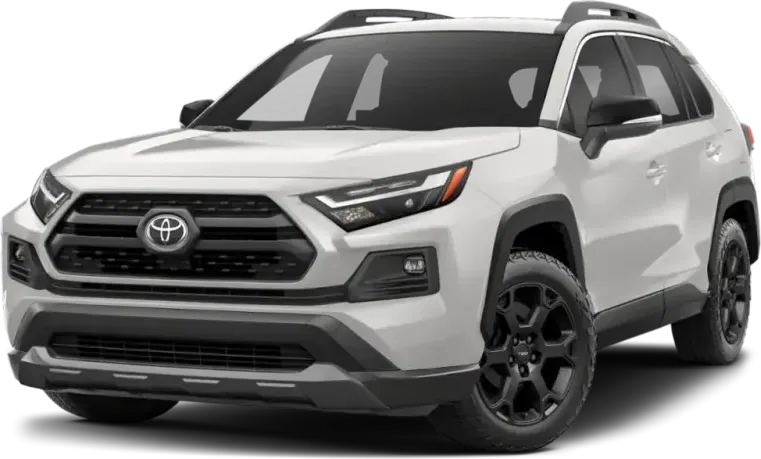
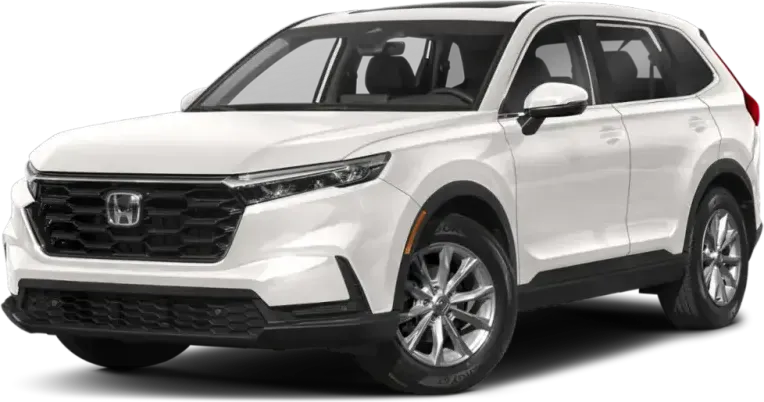
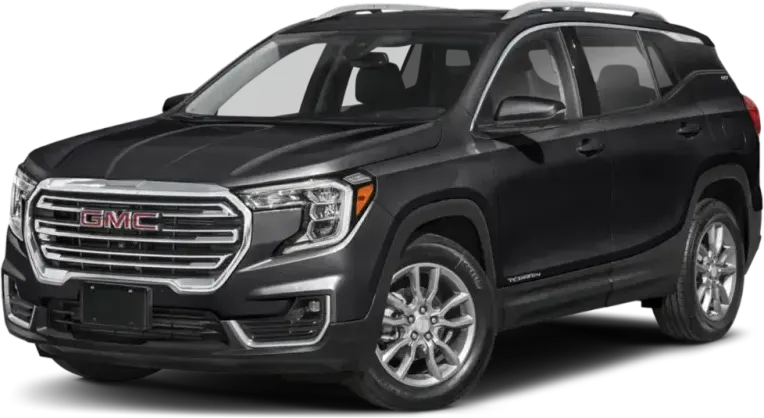
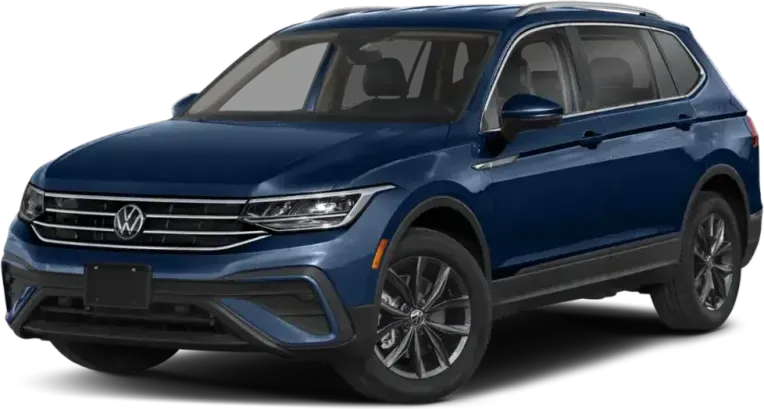
Cars shoppers compare with the Subaru Forester, with their own 2019 checklists.
2019 owner complaints, side by side
- GMC Terrain163
- Volkswagen Tiguan165
- Mazda CX-5229
- Hyundai Tucson349
- 2019 Subaru Forester825
- Toyota RAV4864
- Honda CR-V996