2019 Ford Escape: What to check before buying
Owners have filed 506 complaints with NHTSA about this car, most about the engine, transmission, and electrical. The 9 checks below target those problems, in the order you would do them at the car.
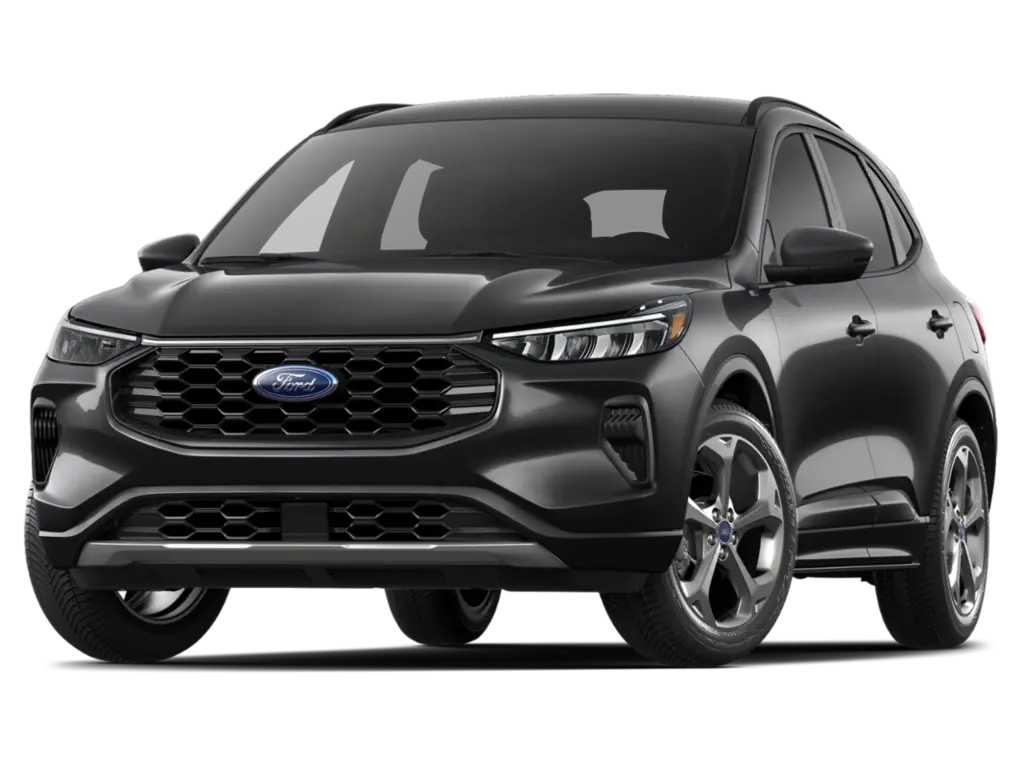 2019
- Owner complaints
- 506
- Recalls
- 3
- Crashes reported
- 22
- 27 injuries
Your inspection sheet
Tick items off on your phone at the car, or print it. Ticks stay on this device.
0/9 checked
2019 Ford Escape: inspection sheet
Paperwork and questions
Before you go, or before you touch the car0/3
Walk-around and cabin
Engine off, key in hand0/1
Cold start, engine bay, and underside
Ask the seller not to warm the car up first0/2
Test drive
At least 20 minutes, with some highway0/3
These checks are specific to this model year. For tires, body panels, fluids, and the other basics every used car needs, use the general inspection guide.
Which Escape is it?
EPA figures for each version of the 2019 Ford Escape. Use them to confirm you are looking at the version that was advertised, and as a yardstick on the test drive.
| Version | Drive | EPA rating |
|---|---|---|
| 1.5L 4-cylGas | AWD, FWD | 24–26 mpg |
| 2.0L 4-cylGas | AWD, FWD | 23–25 mpg |
| 2.5L 4-cylGas | FWD | 24 mpg |
| 2.5L 4-cylFlex fuel | FWD | 24 mpg |
- The 2019 Ford Escape was sold in four versions. Confirm which one this is from the window sticker, the engine cover, or the VIN report before you compare prices.
- Reset the trip computer at the start of the drive. A Escape that averages well under the EPA 23 mpg combined on a mixed route may have an engine or tire problem.
Check the odometer against these mileages
Owners report these failures starting around the mileages below. A car inside one of these ranges deserves a closer look at that part, or records showing it was already fixed.
Premature rear brake wear
10,800–20,863 miles
Power steering assist failure
27,000–35,000 miles
Coolant intrusion engine failure
51,000–94,000 miles
Transmission failure, metal shavings
85,000–112,000 miles
Why these checks: what owners reported
NHTSA complaints for the 2019 Ford Escape, grouped by the part owners named. Open a row to read what goes wrong.
Engine2681 crash
Coolant leaks into the cylinders and eventually destroys the engine, and that is the theme of these 190 reports. It usually starts with a check engine light and a misfire, often in cylinder 3. White smoke at cold start, rough idle, shaking, low coolant, or an overheating warning follow. New spark plugs and coils rarely fix it. Shops usually call for a new engine or short block, with quotes from $5,000 to almost $15,000. Most failures fall between about 51,000 and 94,000 miles. Some engines shut down on the highway.
Almost every report here describes coolant getting into the cylinders and the engine needing replacement. Warning signs include a check engine light, misfires, rough idle at startup, white exhaust smoke, low coolant, and "Engine Overheating" or "Engine Fault - Coolant" messages. Some cars get new spark plugs or ignition coils first, and the light comes back within days. Failures are reported anywhere from 27,000 to 133,000 miles. At least one replacement engine failed the same way. One separate report describes a failed turbo with a rattle on cold starts at 101,000 miles.
Transmission1026 crashes
The car moves when it should not. It rolls away after being put in Park, goes into Reverse when Drive is selected, or surges into walls and garages. In several cases a rolling car ran over its own driver, and this category includes 6 crashes and 4 injuries. Some owners say the problem continued after a dealer repair. The transmission can also fail outright. It slips, whines, shifts late, or will not accelerate at intersections. Metal shavings turned up in the fluid at 86,000 and 112,000 miles.
Electrical252 crashes
The most serious problem is a sudden loss of all power. Cars go completely dead or stall in traffic. Causes found include a loose battery terminal, a wiring harness clipped by the serpentine belt, and a harness short after an alternator replacement. Some engines shut off when pulling away from a stop. Smaller faults include headlights failing because of the body control module, a black backup camera, wrong gauge readings, a liftgate that will not open or close, and an alternator replaced at 11,376 miles. One crash followed hill assist braking on its own.
Steering16No crashes
Power steering assist cuts out and the wheel becomes very hard to turn. A "power steering assist failure" warning often appears at startup or while driving. Some cars recover after a restart, then fail again. Dealers usually blame the electric steering rack and quote about $2,000 to $3,000 for it. Failures appear as early as 27,000 and 35,000 miles and as late as 83,000. A few owners say coolant intrusion damaged the steering gear or module along with the engine. One report also describes heavy wheel vibration at 35 to 45 mph.
Body and structure82 crashes
Most of these complaints are about the rear doors and liftgate. Interior panel clips fail, so a rear door panel catches on the frame and the door opens only a few inches. One case appeared at 50,000 miles. The power liftgate closes but does not latch, and one dealer fix lasted less than a week. A failed roof rack seal let water into the cabin at about 70,000 miles. Two reports stand alone: a fire that started under the hood while parked overnight, and a parked car that rolled into a pole.
Airbags77 crashes
All 7 reports involve crashes, with 11 injuries. They describe two opposite failures. In several front and side impacts, the airbags do not deploy, and occupants suffer head, face, chest, neck, and back injuries. In other crashes the airbags deploy but tear, burn holes, or set a sleeve on fire, leaving burns on the arm and side. One report says a curtain airbag came loose right after impact. Another describes a seat back bending in a rear-end collision.
Fuel system6No crashes
The evaporative emissions system causes stalls and fuel smells. Cars fail to accelerate or stall at highway speed, and one stalled at 75 mph. Some also show a restart message, and in one case the steering wheel locked afterward. Another owner reports a strong fuel smell in the cabin. Mechanics point to a failed purge valve or evap valve. One car needed a high-pressure fuel pump twice and then fuel injectors. In one report, smoke and fire near the rear driver's side damaged a home, and the cause was not determined.
Brakes61 crash
Rear brakes wear out early. Owners report worn rear pads and rotors at 10,800, about 11,000, 14,500, and 20,863 miles. Symptoms include grinding, metal-on-metal contact, a dragging feel, and uneven wear from one side to the other. Dealers called it normal wear and refused warranty coverage. In a separate report, the car surged forward when the brake was applied while parking and hit a building, injuring the driver.
In owners' own words
Excerpts from complaints Escape owners filed with NHTSA, as written. Listen for the same symptoms on your test drive.
Car has been acting up and making noises. (Engine rattles). Was driving and made a turn as I was speeding up, my car revved and then started sputtering like it was going to die. Was a 1/2 mile from home. Made it home and restarted car, it sounds like it is missing something and engine is still rattling super loud. Have 68000 miles on car, engine was replaced due to previous recall of coolant leaking into engine at 27000.
Filed with NHTSA, November 2022
The engine fault service soon message came on so we took it to Griffifth Ford in San Marcos, Texas where they diagnosed the problem and said it was cooler intrusion in to cylinder #2..they said it needs a new longblock. Car has 100384 miles and we had the same issue back in August of 2020 where Ford replaced the motor at 20k miles. Ford wouldn't help this time and said I have to pay around $10k to fix it.
Filed with NHTSA, April 2024
The engine continually misfires, forcing me to continually get it fixed. Now, with only 68,000 miles I have to replace the head gasket ($4000), which my mechanic states is an extremely common problem with this make, model, and year. I also continually get notices to my Ford app about “fault detected—service engine soon” (for the misfire) and “a power train or AWD fault has been detected”.
Filed with NHTSA, September 2025
Transmission failed. Since the transmission failed, I was stuck at an intersection and could not move forward for several moments. The transmission was inspected and repaired by Aamco transmission services. There were no warnings. The car had been driven only 38,633 miles. Ford will not reimburse for the repairs, but is aware the repairs were completed.
Filed with NHTSA, July 2025
Our BCM stopped working the first sign was both of our head lights randomly would not turn on. This was confirmed by two other mechanics and the ford service center had to replace the entire thing. The second part the fail was part of the engine. Something happened where we were told coolant was in our cylinder number 3 and they want to replace the entire engine with no symptoms other then low coolant levels because they stated it is a risk of fire.
Filed with NHTSA, October 2025
Vehicle started to idle oddly on startup. Then a few days later it started to vibrate or cavitate. Check engine light came on. Scheduled for service. Service as of today 05/31/2024, coolant has leaked into engine, engine needs replaced according to service provider. Brought this issue up in 2022 to service after seeing the NHTSA customer service bulletin. My mfr date was out of the listed date range so nothing was done or checked.
Filed with NHTSA, May 2024
Dashboard message "power steering assist failure - service required" appeared when vehicle was started. It worked fine the day before. We drove it to a local car repair place which advised they did not know what caused the problem and recommended we take it to Ford dealer. We drove it about 30 miles to the Ford dealer, with difficulty since there was no power steering. The dealer says it needs new steering gear (rack and pinion). The cost is about $3000.
Filed with NHTSA, January 2025
I was stopped at a traffic light and when I went to resume driving the steering froze and a steering assist warning light came on the dash. I turned the engine off and restarted the wheel turned and locked again. I then drove the car back to the dealer service(7/24/21). They said they would look at it on Monday7/26/21. Vehicle has 83,000 miles. Purchased new at Mullinax Ford New Smyrna Beach.
Filed with NHTSA, July 2021
How the 2019 compares with other Escape years
Complaints for this year next to the average for the other model years, area by area.
The 2019 ranks third for owner complaints among 8 Escape years, close to the average of the others. Newer years have had less time to collect complaints, so compare like with like.
- Engine268182
- Transmission10272
- Electrical2540
- Steering167
- Body and structure8100
- Airbags74
Where the 2019 fits in the Escape's history
Redesigns and mid-cycle updates change what can go wrong.
The 2019 is the seventh model year of the Escape's third generation (2013–2019).
It includes the 2017 update.
What changed for 2017
- Cosmetic changes to front and rear
- New engine options added
Recalls to confirm (3)
Recall repairs are free at any Ford dealer, but the seller may never have had them done. Check each campaign number against the VIN.
26V011000EquipmentJan 2026
Ford Motor Company (Ford) is recalling certain 2013-2018 Focus, 2013-2019 Escape, and 2015-2016 MKC vehicles equipped with a 2.0L engine. The engine block heater may crack and develop a coolant leak, causing it to short circuit when the block heater is plugged in.
Risk: An electrical short circuit can increase the risk of a fire.
Fix: Owners are advised not to plug in their block heater until the vehicle is remedied. Dealers will replace the block heater, free of charge. Owners will also have a alternative option to replace engine block heater element with a threaded plug, and remove the block heater electrical cord. Interim letters, notifying owners of the safety risk, were mailed March 6, 2026. Additional letters will be sent once the final remedy is available. Owners may contact Ford customer service at 1-866-436-7332. Ford's number for this recall is 26S01. Vehicle Identification Numbers (VINs) involved in this recall became searchable on NHTSA.gov on January 16, 2026.
22V413000TransmissionJun 2022
Ford Motor Company (Ford) is recalling certain 2013-2019 Escape, 2013-2018 C-Max, 2013-2016 Fusion, 2013-2021 Transit Connect, and 2015-2018 Edge vehicles. The bushing that attaches the shifter cable to the transmission may degrade or detach.
Risk: A damaged or missing bushing may prevent the vehicle from shifting into the intended gear, and cause the vehicle to move in an unexpected direction. Additionally, the vehicle may roll after the driver selects the 'Park' position. Either scenario increases the risk of a crash or injury.
Fix: Dealers will replace the under hood shift bushing and add a protective cap over the shift cable bushing, free of charge. Interim owner notification letters, informing owners of the safety risk, were mailed July 1, 2022. Remedy parts are expected to be available in 4th Quarter 2022. Owner notification letters were mailed October 27, 2022. Owners may contact Ford customer service at 1-866-436-7332. Ford's number for this recall is 22S43.
21V155000Wheels and tiresMar 2021
Ford Motor Company (Ford) is recalling certain 2018 F-150, 2018-2020 F-250, F-350, and 2019 Escape vehicles equipped with Continental tires. On the affected vehicles, it is possible that one or more tires were cured for too long during tire production.
Risk: Over cured tires may develop a break in the sidewall, resulting in sudden air loss or belt edge separation which could lead to tread/belt loss. Either condition can cause a loss of vehicle control, increasing the risk of a crash.
Fix: Ford will notify owners, and dealers will inspect the tires, and replace them as necessary, free of charge. The recall began on March 27, 2021. Owners may contact Ford customer service at 1-866-436-7332. Ford's number for this recall is 21S10.
Also looking at these instead of a Escape?
Cars shoppers compare with the Ford Escape, with their own 2019 checklists.
2019 owner complaints, side by side
- Buick Envision23
- Mazda CX-5229
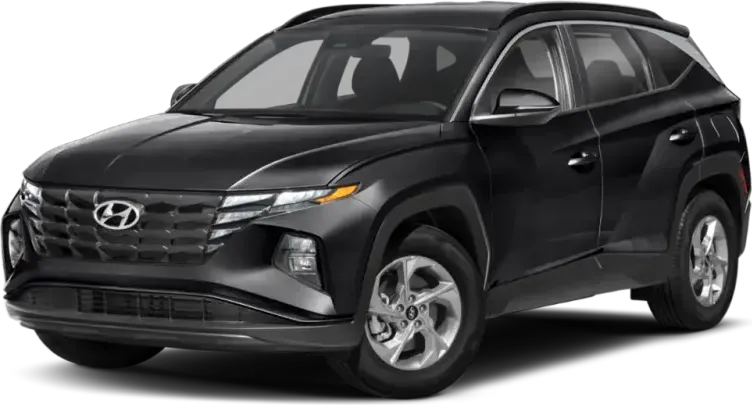
- Hyundai Tucson349
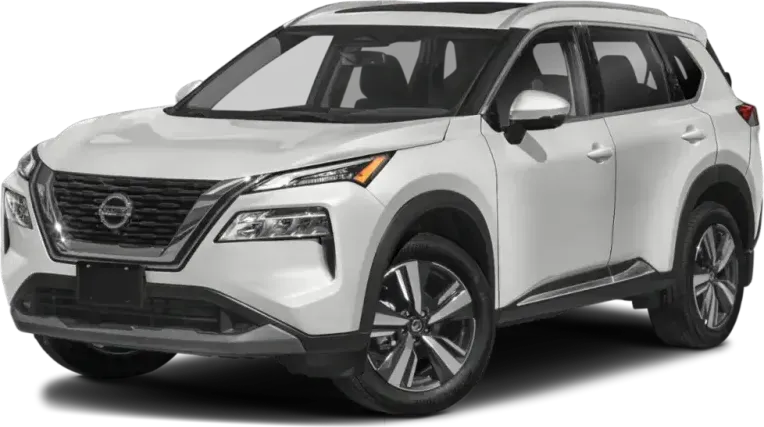
- Nissan Rogue409
- 2019 Ford Escape506
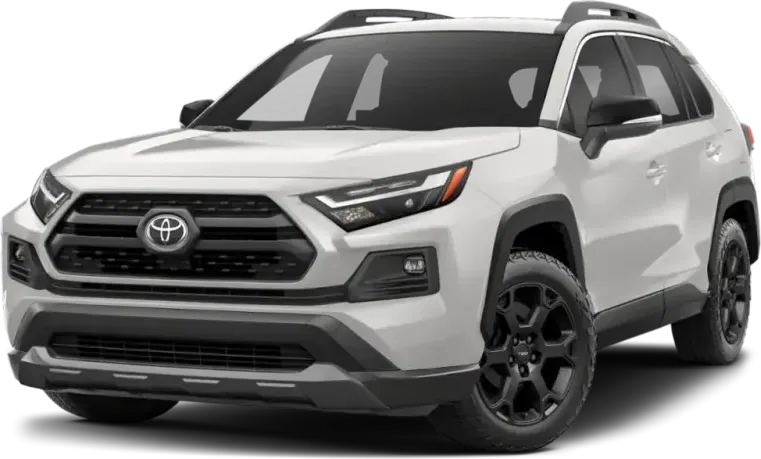
- Toyota RAV4864
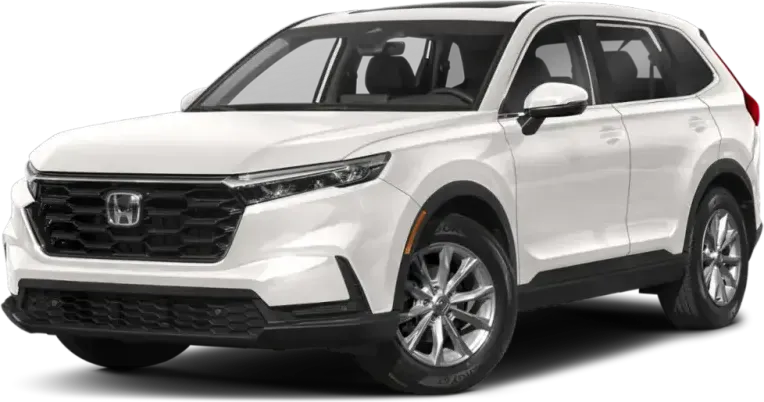
- Honda CR-V996