2019 Honda Accord: What to check before buying
Owners have filed 574 complaints with NHTSA about this car, most about the fuel system, automatic emergency braking, and electrical. The 9 checks below target those problems, in the order you would do them at the car.
 2019
- Owner complaints
- 574
- Recalls
- 5
- Crashes reported
- 23
- 25 injuries
Your inspection sheet
Tick items off on your phone at the car, or print it. Ticks stay on this device.
0/9 checked
2019 Honda Accord: inspection sheet
Paperwork and questions
Before you go, or before you touch the car0/3
Walk-around and cabin
Engine off, key in hand0/1
Cold start, engine bay, and underside
Ask the seller not to warm the car up first0/2
Test drive
At least 20 minutes, with some highway0/3
These checks are specific to this model year. For tires, body panels, fluids, and the other basics every used car needs, use the general inspection guide.
Which Accord is it?
EPA figures for each version of the 2019 Honda Accord. Use them to confirm you are looking at the version that was advertised, and as a yardstick on the test drive.
| Version | Drive | EPA rating |
|---|---|---|
| 1.5L 4-cylGas | FWD | 33 mpg |
| 2.0L 4-cylGas | FWD | 27 mpg |
| 2.0L 4-cylHybrid | FWD | 48 mpg |
- The 2019 Honda Accord was sold in three versions. Confirm which one this is from the window sticker, the engine cover, or the VIN report before you compare prices.
- On the hybrid, watch for the car moving off on electric power at low speed and for any hybrid system warning on the dash.
- Reset the trip computer at the start of the drive. A Accord that averages well under the EPA 27 mpg combined on a mixed route may have an engine or tire problem.
Check the odometer against these mileages
Owners report these failures starting around the mileages below. A car inside one of these ranges deserves a closer look at that part, or records showing it was already fixed.
Premature rear brake wear
14,000–30,636 miles
Fuel pump failure
25,255–54,000 miles
Intermittent SRS warning light
40,000–82,000 miles
Fuel injector failure
60,000–92,495 miles
Head gasket failure
70,000–116,000 miles
Why these checks: what owners reported
NHTSA complaints for the 2019 Honda Accord, grouped by the part owners named. Open a row to read what goes wrong.
Fuel system122No crashes
Most of these complaints are about the fuel pump recall, NHTSA campaign 23V858000. The car hadn't failed, but the repair part was unavailable and dealers couldn't say when it would arrive. Some owners were scheduled months out. Where the car did fail, it took a long time to start, shuddered, lost power while driving, or stalled with stability, brake hold and collision mitigation warnings showing. One faulty pump was diagnosed at about 54,000 miles.
Fuel pump recall work is the main theme. Some cars lost power, stalled or wouldn't start again weeks after the recall pump was installed, and needed a second pump. Others developed failing fuel injectors after the recall repair, with rough running and every dash warning lit. Many owners waited months, some more than a year, for parts or appointments. Injector failures appear from under 60,000 to 67,000 miles. One high-pressure fuel pump failed under 37,000 miles at about $1,600.
Automatic emergency braking871 crash
The car brakes hard on its own with nothing ahead. Reports describe sudden stops at 30 to 70 mph, often while passing cars, on curves, or when crossing rail tracks. Some say it gets more frequent as the car ages. One rear-end crash and 4 injuries are reported, mostly neck pain and seatbelt strain. Dealers often find nothing wrong. A second pattern is the whole dashboard lighting up with warnings and the driver-assist systems shutting off. In one case a front camera recalibration fixed it, at about a thousand dollars.
Electrical802 crashes
Many warning lights come on at once, often called a Christmas-tree dash. Collision mitigation, adaptive cruise, road departure, brake, airbag and power steering faults appear together, and the systems they name stop working. Restarting usually clears them, and dealers often can't reproduce the fault. More serious reports describe stalling or loss of power at highway speed, tied to misfires, fuel pumps or fuel injectors. One stall locked the steering and led to a crash. Two crashes and 5 injuries are reported. The gauge cluster and radio also black out.
Engine73No crashes
Head gasket failure on the 1.5-liter turbo engine dominates. Coolant leaks into the cylinders and causes misfires, rough idle, overheating, a dashboard full of warnings, and limp mode or stalling in traffic. Failures cluster between 70,000 and 116,000 miles, often with little warning beforehand, and several repair quotes come to about $3,700. Some cars needed fuel injectors replaced in the same visit. Other reports cite an "Emission System Problem" warning, early turbo replacement, and misfires at low mileage.
Brakes564 crashes
The automatic braking system slams on the brakes with no traffic nearby, at speeds from parking-lot pace to highway speed. Four crashes and 4 injuries are reported, including swerving into a truck and being pulled into a wall in the rain. One crash involved emergency braking that failed to engage. A separate, common pattern is rear pads and rotors wearing out well before the fronts, often between 14,000 and 30,636 miles. A few owners also report brake system warnings with a soft pedal.
Transmission323 crashes
The car suddenly loses power at highway speed, goes into limp mode, and lights up with warnings. Dealers trace it to blown head gaskets, failed turbochargers, spark plugs or fuel injectors. Repairs over $3,000 sometimes don't fix the problem. In one crash, power loss locked the steering and another car hit the stalled Accord, injuring 2. Other crashes involve the car accelerating or rolling on its own while parking. One car needed a transmission at about 196,000 miles.
Steering284 crashes
Power steering assist cuts out, usually alongside a burst of warning lights. One dealer diagnosed a failed electric power steering unit. Steering also gets heavy on a recurring basis. Some reports tie steering trouble to false automatic braking that tugs the wheel or makes the car fishtail. Four crashes and 2 injuries are reported, including loss of control at highway speed and a rollover. One car wouldn't start after sitting, with power steering and parking brake faults showing.
Airbags225 crashes
Airbags fail to deploy in collisions, including a 45 mph frontal crash and a rear-end crash. These account for 5 crash reports and 7 injuries. The more common complaint is an SRS warning light that comes and goes. Dealers trace it to the passenger seat sensor, a sticking passenger belt buckle, or the left side airbag module. Owners report diagnostic fees and denied coverage because their VIN isn't under recall. Reported mileages run from under 40,000 to about 82,000.
In owners' own words
Excerpts from complaints Accord owners filed with NHTSA, as written. Listen for the same symptoms on your test drive.
2019 Honda Accord Sport 1.5T and 2.0T oil dilution issues. Fuel leaks in to the oil system and anytime the oil is changed it smells like gasoline. I have to change the oil every 3k to 5k miles in order to keep my oil clean and without engine fuel dilution.
Filed with NHTSA, July 2023
Since may or June of 2023 my car has automatically breaked at random times without coming close to anything. It has happened approximately 5 times, 3 times on the freeway when I was going anywhere from 40/70 miles an hour and twice on side streets going less then 20 miles an hour. It has caused me to think I was getting rear ended due to the brakes slamming for no reason.
Filed with NHTSA, November 2023
My accord seems to trigger automatic brakes for no reason. I have noticed it happening primarily on freeways and expressways (while traveling at high speed)which is extremely dangerous. There has been only a single instance of this behavior while driving on a 35 MPH posted speed corridor. My latest experience was on 6/29/24 around 10:30 am. Contacted the dealership with the issue. They said they will call back, but haven't heard from them yet.
Filed with NHTSA, July 2024
Suddenly I get warnings of failure of adaptive cruise control, failure of braking, stearing and forward collision warning failure. It goes away if I drive my vehicle for few miles but then suddenly appears again. No one seems to know what is the issue. I tried to reset setting multiple times, checked system updates and checked battery etc, asked to check if there are any faulty codes but no one seem to know what is going on. It keeps happening every day
Filed with NHTSA, February 2025
All of a sudden I was driving and every light on the dash lit up the car starting stalling and shut off We replaced the spark plugs and the coils because they told us that was the problem and it's still doing the same thing quite a few people that are having this issue got a recall letter.. I never received a recall for this problem And every time I put my VIN number in it's saying zero recalls something is wrong this is not safe for me and my children
Filed with NHTSA, January 2025
At 98,000 miles, the head gasket is blown. From a safety concern, the car goes into LIMP mode while driving and had to swerve out of traffic. A Honda Certified Dealer Service center confirmed the Blown head gasket It was only inspected by Honda Mechanics. The threw a service engine soon warning lamp which disabled the engine. This happened a few times while driving before getting it diagnosed.
Filed with NHTSA, August 2025
Engine light came on. First time this has happened. Took car immediately to Honda Dealer for inspection of engine light. Was informed that the car had a blown head gasket. Car only had 116000 miles. Car was taken to same dealer where purchased, and serviced constantly. Not once were we notified of any issue with the engine.
Filed with NHTSA, November 2024
How the 2019 compares with other Accord years
Complaints for this year next to the average for the other model years, area by area.
The 2019 ranks second for owner complaints among 8 Accord years, about 1.4 times the average of the others. Newer years have had less time to collect complaints, so compare like with like.
- Fuel system12244
- Automatic emergency braking8746
- Electrical8064
- Engine7346
- Brakes5637
- Transmission3224
Where the 2019 fits in the Accord's history
Redesigns and mid-cycle updates change what can go wrong.
The 2019 is the second model year of the Accord's tenth generation (2018–2022).
Honda updated the Accord for 2020, so a 2019 does not have those changes.
What changed for 2020 (not on a 2019)
- Updated grille and wheel designs
- New infotainment features
Recalls to confirm (5)
Recall repairs are free at any Honda dealer, but the seller may never have had them done. Check each campaign number against the VIN.
23V858000Fuel systemDec 2023
Honda (American Honda Motor Co.) is recalling certain 2013-2023 Honda Accord, Civic Coupe, Civic Sedan, Civic Hatchback, Civic Type R, CR-V, HR-V, Ridgeline, Odyssey, Acura ILX, MDX, MDX Hybrid, RDX, RLX, TLX, 2019-2022 Honda Insight, Passport, 2020 Honda CR-V Hybrid, 2018-2019 Honda Clarity PHEV, Fit, and 2015-2020 Honda Accord Hybrid, Pilot, Acura NSX vehicles. The fuel pump inside the fuel tank may fail.
Risk: Fuel pump failure can cause an engine stall while driving, increasing the risk of a crash.
Fix: Dealers will replace the fuel pump module, free of charge. Owner letters were mailed September 6, 2024. Owners may contact Honda customer service at 1-888-234-2138. Honda's numbers for this recall are KGC and KGD. This recall is an expansion of NHTSA recall numbers 21V-215 and 20V-314.
23V158000Seat beltsMar 2023
Honda (American Honda Motor Co.) is recalling certain 2017-2020 CR-V, 2018-2019 Accord and Accord Hybrid, 2018-2020 Odyssey, 2019 Insight, and 2019-2020 Acura RDX vehicles. A manufacturing issue with the front seat belts may cause the seat belt buckle channel to interfere with the release button, preventing the seat belt buckle from latching.
Risk: An unlatched seat belt cannot properly restrain the seat occupant during a crash, increasing their risk of injury.
Fix: Dealers will replace the driver and front passenger seat belt buckle release buttons or the buckle assemblies as necessary, free of charge. Owner notification letters were mailed April 18, 2023. Owners may contact Honda customer service at 1-888-234-2138. Honda's numbers for this recall are NDA, QDB, BDC, MDD, LD9. TDF, FDG, ODH, YDI, ZDE.
21V215000Fuel systemMar 2021
Honda (American Honda Motor Co.) is recalling certain 2019-2020 Acura MDX, MDX Sport Hybrid, RDX, TLX, Honda Accord, Civic Hatchback, Insight, 2019 Acura ILX, Honda Accord Hybrid, Civic Coupe, Civic Coupe Si, Civic Sedan, Civic Sedan Si, Civic Type R, Fit, HR-V, Odyssey, Passport, Pilot and Ridgeline, and 2018-2019 CR-V vehicles. The low-pressure fuel pump inside the fuel tank may fail.
Risk: Fuel pump failure can cause an engine stall while driving, increasing the risk of a crash.
Fix: Honda will notify owners, and dealers will replace the fuel pump assembly, free of charge. Owner letters were mailed May 18, 2021. Owners may contact Honda customer service at 1-888-234-2138. Note: This recall is an expansion of recall 20V-314.
20V771000ElectricalDec 2020
Honda (American Honda Motor Co.) is recalling certain 2018-2020 Accord Sedan, Accord Hybrid, and 2019-2020 Insight vehicles. A software error may cause intermittent or continuous disruptions in communication between the Body Control Module (BCM) and other components. This may result in malfunctions of various systems such as the windshield wipers and defroster, rearview camera, exterior lights, audible warning of a stopped vehicle, and power window operation. As such, these vehicles fail to comply with the requirements of Federal Motor Vehicle Safety Standard (FMVSS) number 103, "Windshield Defrosting and Defogging Systems" and number 111, "Rear Visibility" as well as FMVSS numbers 104, 108, 114, 118, and 305.
Risk: Various system malfunctions such as inoperative windshield wipers, defroster, rearview camera, or exterior lighting can increase the risk of a crash.
Fix: Honda will notify owners, and dealers will update the BCM software, free of charge. The recall is expected to begin February 22, 2021. Owners may contact Honda customer service at 1-888-234-2138. Honda's number for this recall is X95.
20V314000Fuel systemMay 2020
Honda (American Honda Motor Co.) is recalling certain 2018-2019 Acura NSX, 2019 Acura RDX, RLX and RLX Sport Hybrid, 2018-2019 Honda Accord, Civic Hatchback, Civic Type R and HR-V, 2019-2020 Insight and 2019 Fit vehicles. The low-pressure fuel pump inside the fuel tank may fail.
Risk: If the fuel pump fails, the engine can stall while driving, increasing the risk of a crash.
Fix: Honda will notify owners and dealers will replace the fuel pump assembly, free of charge. The recall began July 22, 2020. Owners may contact Honda customer service at 1-888-234-2138.
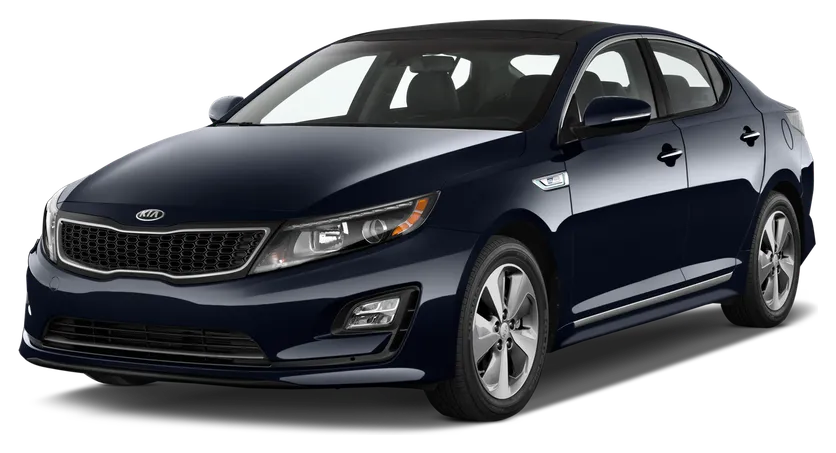
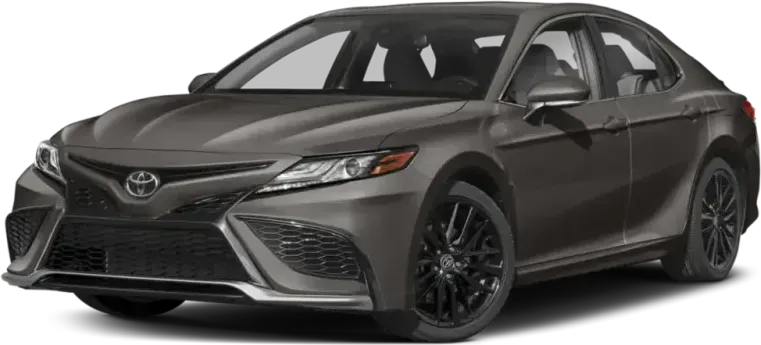
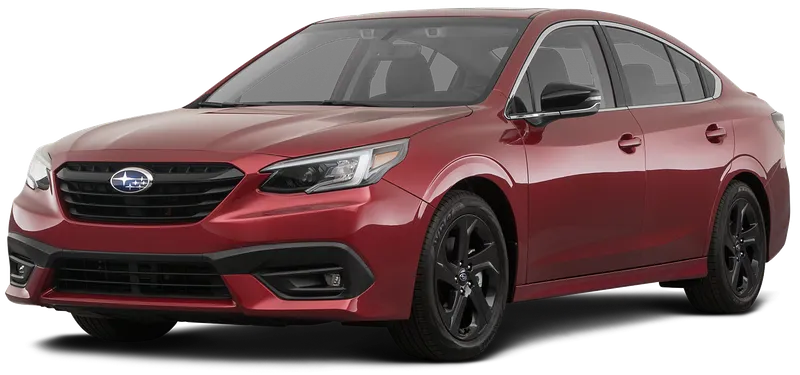
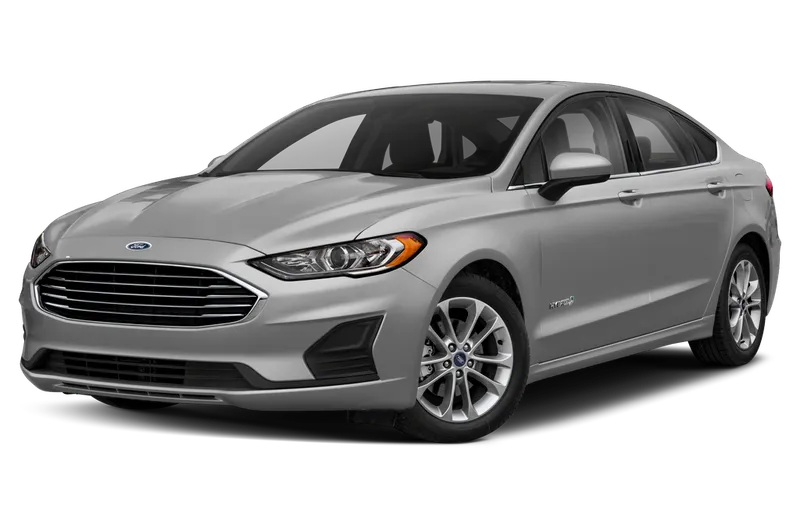
Also looking at these instead of a Accord?
Cars shoppers compare with the Honda Accord, with their own 2019 checklists.
2019 owner complaints, side by side
- Subaru Legacy123
- Hyundai Sonata144
- Kia Optima205
- Nissan Altima230
- Toyota Camry364
- Ford Fusion370
- 2019 Honda Accord574