2024 Honda Accord: What to check before buying
Owners have filed 166 complaints with NHTSA about this car, most about the steering, fuel system, and electrical. The 9 checks below target those problems, in the order you would do them at the car.
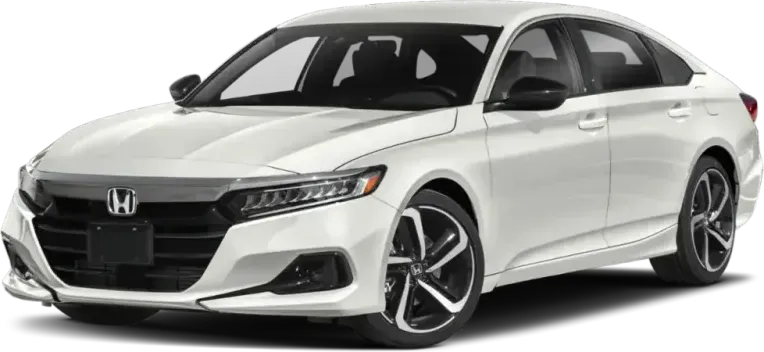 2024
- Owner complaints
- 166
- Recalls
- 4
- Crashes reported
- 7
- 6 injuries
Your inspection sheet
Tick items off on your phone at the car, or print it. Ticks stay on this device.
0/9 checked
2024 Honda Accord: inspection sheet
Paperwork and questions
Before you go, or before you touch the car0/3
Walk-around and cabin
Engine off, key in hand0/1
Cold start, engine bay, and underside
Ask the seller not to warm the car up first0/1
Test drive
At least 20 minutes, with some highway0/4
These checks are specific to this model year. For tires, body panels, fluids, and the other basics every used car needs, use the general inspection guide.
Which Accord is it?
EPA figures for each version of the 2024 Honda Accord. Use them to confirm you are looking at the version that was advertised, and as a yardstick on the test drive.
| Version | Drive | EPA rating |
|---|---|---|
| 1.5L 4-cylGas | FWD | 32 mpg |
| 2.0L 4-cylHybrid | FWD | 48 mpg |
- The 2024 Honda Accord was sold in two versions. Confirm which one this is from the window sticker, the engine cover, or the VIN report before you compare prices.
- On the hybrid, watch for the car moving off on electric power at low speed and for any hybrid system warning on the dash.
- Reset the trip computer at the start of the drive. A Accord that averages well under the EPA 32 mpg combined on a mixed route may have an engine or tire problem.
Check the odometer against these mileages
Owners report these failures starting around the mileages below. A car inside one of these ranges deserves a closer look at that part, or records showing it was already fixed.
Warning-light cascade, power loss
380–4,800 miles
Steering clicking, creaking, sticking
3,300–6,000 miles
Fuel injector failure
10,000–11,000 miles
Recurring steering sticking
30,000–60,000 miles
Why these checks: what owners reported
NHTSA complaints for the 2024 Honda Accord, grouped by the part owners named. Open a row to read what goes wrong.
Steering49No crashes
The wheel feels sticky or notchy during small corrections, usually after 30 minutes or more of highway driving. Clicking, popping, or creaking when the wheel turns at low speed or while parked is also common. Trouble often starts early, between about 3,300 and 6,000 miles. Dealers commonly replace the steering rack or gearbox under warranty, but several reports say the sticking came back, one at 60,000 miles after a fix at 30,000. A few cars lost power steering or had the wheel lock along with a dash full of warning lights. One owner was quoted $4,000 for a gearbox after warranty.
Fuel system24No crashes
Most of these filings are about the fuel pump recall, 24V763000, and not about failures. Owners report dealers had no parts and repairs dragged on far longer than they found reasonable. A smaller group describes real symptoms: stalling on hills or at 25 to 35 mph, hesitation when accelerating uphill, a gushing fuel sound, and gasoline spilling out at the nozzle after refueling. Some problems continued after the car passed the recall inspection. One fuel injector failure, with warning lights and a tow, came at 11,000 miles.
Gasoline smells and fuel leaks raise fire fears tied to the fuel pump recall. One car caught fire from the high-pressure fuel pump after a recall visit, with no warning beforehand. Many owners say dealers had no recall parts, some for more than 60 days. Others say dealers tested the pump, found no crack, and refused to replace it. A faulty fuel injector on national back order sidelined one car at 10,000 miles. Sudden power loss into limp mode at freeway speed also appears, with a brake system warning.
Electrical17No crashes
Every warning light comes on at once and the car stops accelerating, sometimes on a highway or in heavy rain. A brake system warning often stays lit afterward. Restarting usually clears it, and dealers often find nothing. Other faults include false stop and yield sign alerts, false radar-cleaning messages that shut off cruise control and lane assist, and a grainy black-and-white backup camera. Some reports tie the faults to the integrated control module recall. One recall repair stalled on a backordered part and left the car without a working speedometer or defrost.
Brakes102 crashes
The car brakes hard by itself with nothing ahead, at speeds from 20 mph up to 55 mph. Drivers report near rear-end collisions and whiplash. These filings include 2 crashes and 3 injuries. Others see an amber brake system light flash on and off again and again, which dealers cannot trace. Several cars stopped and refused to move with a brake system failure message and a cascade of other warnings. Lifting the electric parking brake switch while driving applies the brakes hard, and radar can react to cars in a neighboring turn lane.
Engine7No crashes
Hybrids shake and stutter when the gas engine kicks on at idle or low speed, with jerky, reduced power. It shows up in traffic or drive-thrus, often with the climate control running, and as early as 1,100 miles. Dealers often find no fault codes. Repeated injector replacements and misfires appear, with one car on its third set within a year. Other cars shook with the check engine light on and several driver-assist warnings. One car failed to accelerate, jerked, and then caught fire under the hood, a total loss.
Transmission7No crashes
Drive power cuts out suddenly while driving, including at 65 to 75 mph on highways. Warnings for the brakes, transmission, parking brake, and driver aids scroll across the dash. Hybrids have also refused to move after stopping at a light. A restart usually brings the car back, but at least one needed a tow and a replacement powertrain control module that was not communicating with the charging system. Separate reports describe loud popping from the drive shaft when turning at low speed and an unexpected shift into park in traffic.
Automatic emergency braking51 crash
Automatic emergency braking slams the car to a full stop on an empty road. Drivers report it at 30 to 40 mph and at 55 mph, sometimes on wet roads or gentle curves, and as early as 550 miles. For some it keeps happening. Dealers often cannot duplicate the problem. This category includes 1 crash with 2 injuries, where the car locked up, showed a BRAKE message, veered right, and was struck from the side. Owners stress the rear-end collision risk when someone is following close behind.
Body and structure42 crashes
Exterior rubber molding around the front windows and doors comes loose, as early as about 2,000 miles, and can come loose again after dealer replacement. One skid plate fell off at highway speed and dragged under the car. The 2 crash reports here are mixed. In one side-impact crash a rear passenger door tore off the body. In another, the gas pedal did not respond in an intersection. With only 4 complaints, there is no single clear pattern.
In owners' own words
Excerpts from complaints Accord owners filed with NHTSA, as written. Listen for the same symptoms on your test drive.
While driving slow in a parking lot or parked any wheel movement causes a loud popping or clicking. Dealership diagnosed it as needing a new steering rack on a vehicle with 6000 miles. They should be added to the recall of the civic Integra and CRV‘s as apparently it has the same manufacturer or same problem in the steering rack. I feel very unsafe with my wife in this car, knowing the steering rack (pretty important) could fail at any time.
Filed with NHTSA, February 2025
I would like to file a complaint against American Honda Motor Company. My 2024 Accord Hybrid experienced a steering wheel sticking issue at 30,000 miles, but the steering rack assembly was replaced free of charge under warranty. However, after another year and reaching 60,000 miles, the same problem reappeared—the steering wheel is sticking again, especially noticeable when driving on the highway!
Filed with NHTSA, January 2026
Purchase New Delivery date: 8-13-2024 Car frequently indicates stop sign, yield signs, wrong way signs when infact no such signs are in vicinity of car. If someone was driving in an unfamiliar area and such appeared it could cause one to abruptly stop thinking their running a stop sign, going the wrong way. Attached picture, car clearly indicates a yield sign and there's no sign around. 5
Filed with NHTSA, June 2025
Purchased New Delivery date: August 13, 2024 This is an ongoing issue, car indicates radar needs cleaning. Each time I pull off road to check radar no such cleaning is needed, it's clean. Once the car indicates that the radar needs cleaning I loose multiple functions, cruise control, lane assist etc. Attached picture
Filed with NHTSA, June 2025
We purchased a Honda accord ( VIN and details below) , and after few weeks ( within 380 miles of driving, the car stopped in the middle of the road with a whole bunch of DTC's lighting up. the DTC's were indicating brake system malfunction, Internal temperature high, LKAS Malfunction etc. Had to tow the car to dealership
Filed with NHTSA, June 2024
How the 2024 compares with other Accord years
Complaints for this year next to the average for the other model years, area by area.
The 2024 ranks seventh for owner complaints among 8 Accord years, well under the average of the others. Newer years have had less time to collect complaints, so compare like with like.
- Steering4925
- Fuel system2458
- Electrical1773
- Brakes1043
- Engine755
- Transmission727
Recalls to confirm (4)
Recall repairs are free at any Honda dealer, but the seller may never have had them done. Check each campaign number against the VIN.
25V785000ElectricalNov 2025
Honda (American Honda Motor Co.) is recalling certain 2023-2025 Honda Accord Hybrid vehicles. Due to a software error, the integrated control module (ICM) central processing unit (CPU) may reset while driving, causing a loss of drive power.
Risk: A loss of drive power increases the risk of a crash or injury.
Fix: Dealers will reprogram the ICM CPU software, free of charge. Owner notification letters were mailed January 6, 2026. Owners may contact Honda's customer service at 1-888-234-2138. Honda's number for this recall is TN2. Vehicle Identification Numbers (VINs) involved in this recall will be searchable on NHTSA.gov beginning November 18, 2025.
24V859000SeatsNov 2024
Honda (American Honda Motor Co.) is recalling certain 2023-2024 Honda Accord, Accord Hybrid, Civic Sedan, Civic Hatchback, Pilot, and 2024 HR-V, Acura Integra and Acura Integra Type S vehicles. The driver's seat cushion frame may not have been tightened properly, which can result in an unsecured seat. As such, these vehicles fail to comply with the requirements of Federal Motor Vehicle Safety Standard number 207, "Seating Systems.".
Risk: An unsecured driver's seat may not adequately restrain the driver during a crash, increasing the risk of injury.
Fix: Dealers will replace the driver's seat cushion frame, free of charge. Owner notification letters were mailed January 6, 2025. Owners may contact Honda customer service at 1-888-234-2138.
24V763000Fuel systemOct 2024
Honda (American Honda Motor Co.) is recalling certain 2023-2024 Honda Accord, Accord Hybrid, 2023-2025 Honda CR-V Hybrid, and 2025 Honda Civic and Civic Hybrid vehicles. The high-pressure fuel pump may crack and leak fuel.
Risk: A fuel leak in the presence of an ignition source can increase the risk of a fire.
Fix: Dealers will inspect and replace the high-pressure fuel pump as necessary, free of charge. Owner letters were mailed February 20, 2025. Owners may contact Honda customer service at 1-888-234-2138. Honda's number for this recall is PJW.
23V782000Seat beltsNov 2023
Honda (American Honda Motor Co.) is recalling certain 2023-2024 Accord and HR-V vehicles. The front seat belt pretensioners may be missing the rivet that secures the quick connector and wire plate. As such, these vehicles fail to comply with the requirements of Federal Motor Vehicle Safety Standard numbers 208, "Occupant Crash Protection," 209, "Seat Belt Assembles," and 210, "Seat Belt Assembly Anchorages.".
Risk: A seat belt pretensioner missing a rivet will not properly restrain the occupant, increasing the risk of injury during a crash.
Fix: Dealers will inspect and replace the seat belt pretensioner assemblies as necessary, free of charge. Owner notification letters were mailed January 8, 2024. Owners may contact Honda customer service at 1-888-234-2138. Honda's numbers for this recall are MG7 and NG5.
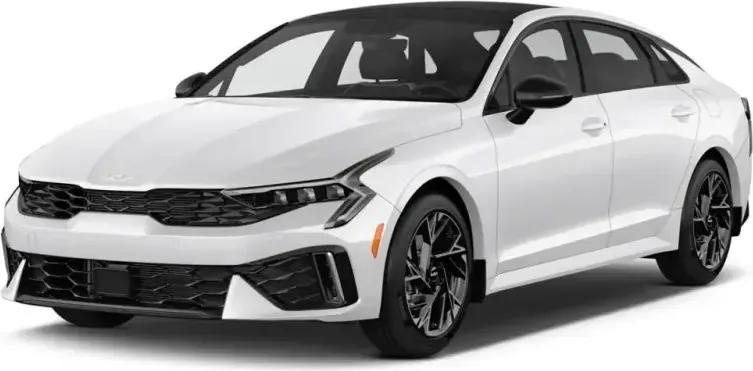
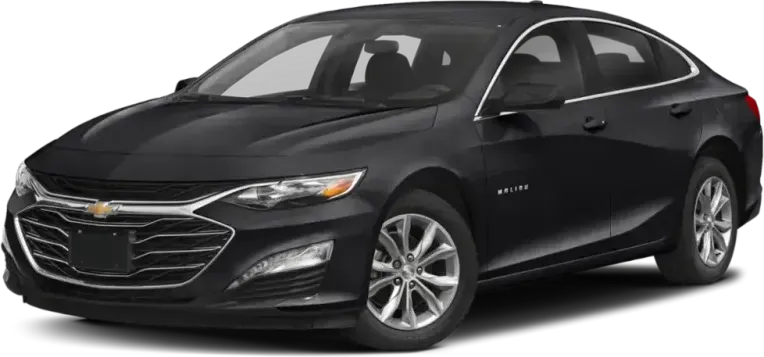
Also looking at these instead of a Accord?
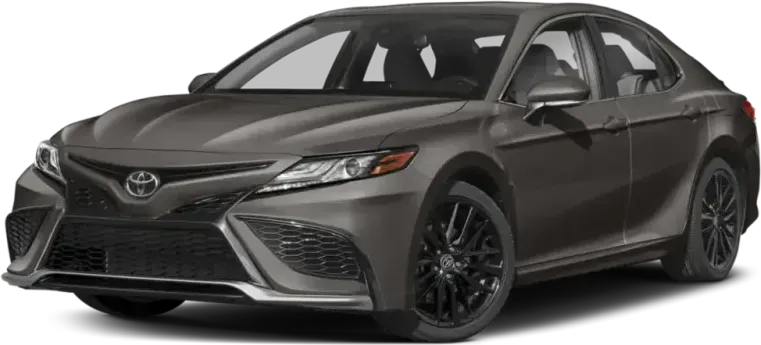
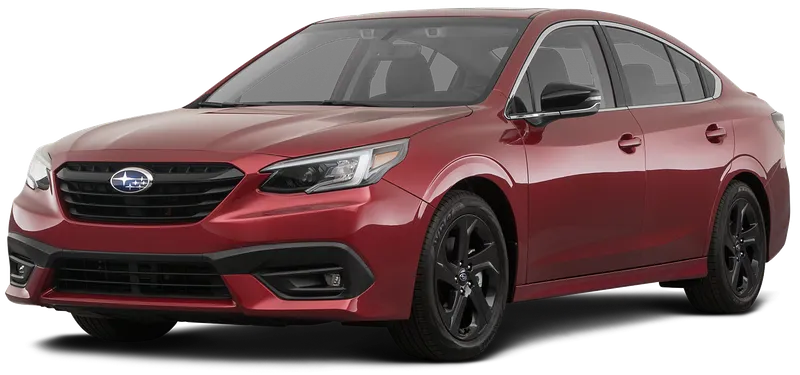
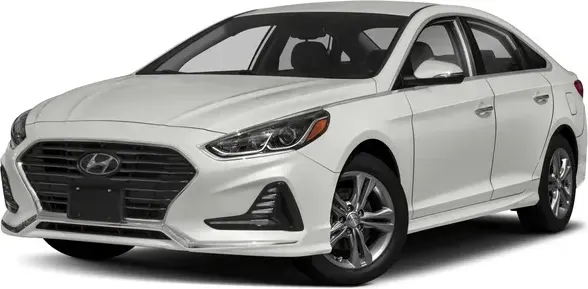
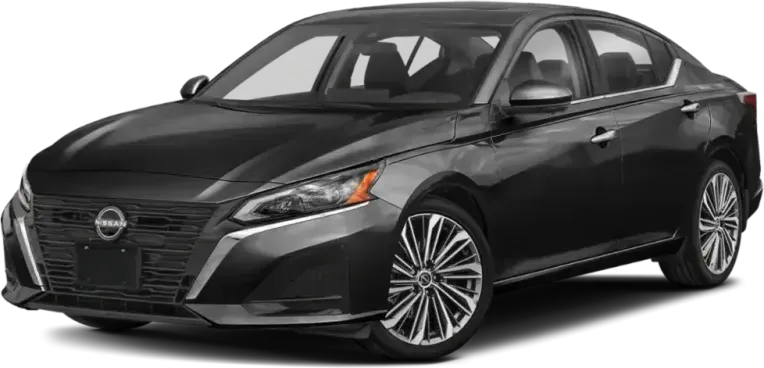
Cars shoppers compare with the Honda Accord, with their own 2024 checklists.
2024 owner complaints, side by side
- Chevrolet Malibu8
- Subaru Legacy16
- Kia K520
- Nissan Altima31
- Toyota Camry35
- Hyundai Sonata41
- 2024 Honda Accord166