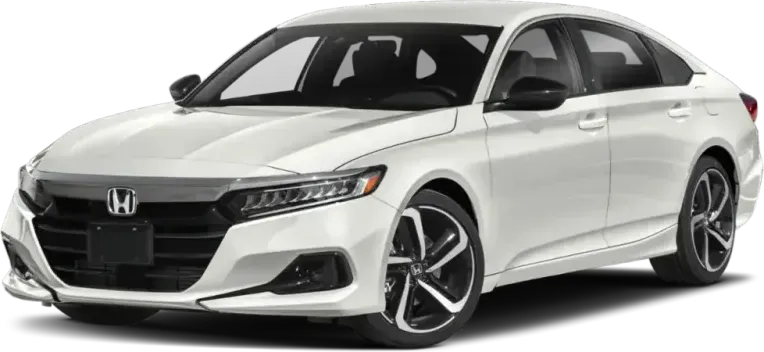
2020 Honda Accord: What to check before buying
Owners have filed 344 complaints with NHTSA about this car, most about the automatic emergency braking, electrical, and brakes. The 9 checks below target those problems, in the order you would do them at the car.
 2020
- Owner complaints
- 344
- Recalls
- 5
- Crashes reported
- 16
- 11 injuries
Your inspection sheet
Tick items off on your phone at the car, or print it. Ticks stay on this device.
0/9 checked
2020 Honda Accord: inspection sheet
Paperwork and questions
Before you go, or before you touch the car0/3
Walk-around and cabin
Engine off, key in hand0/1
Cold start, engine bay, and underside
Ask the seller not to warm the car up first0/1
Test drive
At least 20 minutes, with some highway0/4
These checks are specific to this model year. For tires, body panels, fluids, and the other basics every used car needs, use the general inspection guide.
Which Accord is it?
EPA figures for each version of the 2020 Honda Accord. Use them to confirm you are looking at the version that was advertised, and as a yardstick on the test drive.
| Version | Drive | EPA rating |
|---|---|---|
| 1.5L 4-cylGas | FWD | 33 mpg |
| 2.0L 4-cylGas | FWD | 27 mpg |
| 2.0L 4-cylHybrid | FWD | 48 mpg |
- The 2020 Honda Accord was sold in three versions. Confirm which one this is from the window sticker, the engine cover, or the VIN report before you compare prices.
- On the hybrid, watch for the car moving off on electric power at low speed and for any hybrid system warning on the dash.
- Reset the trip computer at the start of the drive. A Accord that averages well under the EPA 27 mpg combined on a mixed route may have an engine or tire problem.
Check the odometer against these mileages
Owners report these failures starting around the mileages below. A car inside one of these ranges deserves a closer look at that part, or records showing it was already fixed.
Premature rear brake wear
2,600–6,000 miles
CVT belt breaking
88,000–93,000 miles
1.5L turbo head gasket failure
100,000–113,000 miles
Why these checks: what owners reported
NHTSA complaints for the 2020 Honda Accord, grouped by the part owners named. Open a row to read what goes wrong.
Automatic emergency braking58No crashes
Automatic braking engages hard with nothing ahead. Drivers report a flashing orange BRAKE warning, a sharp stop lasting a few seconds, then release. It happens on residential streets and at highway speeds around 60 to 65 mph. Several reports link it to overpasses, steep grades, and construction zones. Some cars braked to a full stop on the interstate with traffic swerving around them, and one report lists an injury. A second pattern lights up collision mitigation, road departure, and adaptive cruise faults, sometimes on nearly new cars. Dealers often cannot reproduce either problem.
Electrical522 crashes
Dashboards fill with brake, road departure, collision mitigation, and adaptive cruise warnings that will not clear, sometimes followed by phantom braking or a car that will not move. Other reports describe reduced-power warnings at highway speed and a loud buzzing or humming blamed on the active noise cancellation system. Rarer but serious: a parked car caught fire starting near the front wheel well, and one crash involved unintended airbag deployment with 4 injuries. Dealers frequently find no fault, and a radio that cuts out with the right turn signal survived repeated harness repairs.
Brakes372 crashes
Phantom braking dominates here too. The car brakes on its own with no obstacle, usually with the BRAKE warning lit, at speeds from 40 to 60 mph, sometimes several times a week. In one crash the car stopped hard for a steel road plate and was rear-ended. A second pattern is premature rear brake wear, with one car nearly needing rear brakes at 2,600 miles and another on its third set of rear pads by 79,000. Some new cars shake when stopping from 50 mph. One injury crash involved total brake failure under 8,000 miles.
Engine30No crashes
Head gasket failure on the 1.5-liter turbo is the main pattern. Coolant leaks into the cylinders, causing misfires, shaking, limp mode, every dash warning at once, and sudden power loss at highway speed. Several reports place it around 100,000 to 113,000 miles. Owners often replace spark plugs and coils first with no fix. Repair quotes run from about $4100 to 7k, and one report adds a turbo failure after the gasket job. Some stalls leave no stored codes. A few low-mileage cars also report air conditioning refrigerant leaks.
Airbags262 crashes
The Supplemental Restraint System warning comes and goes, often traced to the front passenger weight sensor or the passenger airbag on/off indicator. Out of warranty, one fix cost almost $500. Many complaints concern recall 24V064000, where dealers report repair parts backordered for long periods. Some owners say the passenger airbag does not switch on reliably with heavier children or adults in the seat. Two crash reports stand out: airbags deploying unprompted at 40 mph with serious injuries, and a driver airbag that did not deploy in a deer collision.
Steering222 crashes
The wheel sticks near center at highway speeds, usually after 30 minutes or more of driving once the car warms up. Drivers must push harder to turn it, and it then releases suddenly, causing overcorrection. Reports start as early as 9,000 miles. Dealers often cannot reproduce it, though one confirmed a failed steering rack. Complaints describe it getting worse over time and spreading to slower roads. Two crash reports involve the car pulling toward a curb or barrier.
Transmission131 crash
Sudden loss of power at highway speed is the core complaint, with rough running, misfire codes, a check engine light, and the car unable to accelerate past a crawl. Replacing plugs, coils, and injectors often fails, and some owners trace it to the head gasket. CVT belt breakage causing transmission failure appears at 88,000 to 93,000 miles. One report describes the shifter slipping into neutral when brushed. A single crash report alleges unintended acceleration that killed a child passenger.
Body and structure62 crashes
Paint failure is the clearest pattern. Clear coat peels on low-mileage cars, including along the roof line near the rear glass, and owners report paying out of pocket. Other complaints describe the trunk lid unlatching and opening on its own while parked, and a loud drone from the front driver side at about 55 mph. One crash report involves a parked car with the engine running rolling forward into a storefront. With only 6 complaints, no single failure dominates.
In owners' own words
Excerpts from complaints Accord owners filed with NHTSA, as written. Listen for the same symptoms on your test drive.
Both my wife and I have multiple dates and time experienced issues of CMBS Collision Mitigation Braking System, we would be driving with no traffic near us or with in hundreds of feet in front of us that the system would flash "brake" on the dash and then start slowing the vehicle down. Also the Front and rear brakes pads and rotor have been replaced under 6000 miles on the vehicle
Filed with NHTSA, June 2021
On December 4 at 8:57pm I was driving on interstate 295 doing 60 miles an hour and my car’s warning light for breaking came up for me to break like something was in front of me even though there wasn’t, this is a continuing thing going on. I reported every time it happens.
Filed with NHTSA, December 2025
The ANC module malfunctions already at only 67000 miles and causes a humming noise which is very annoying when driving. The ebreak also malfunctions during cold weather conditions. I have had to restart the car due to the electronic parking break not working properly. In case of an emergency I might need it and it may malfunction.
Filed with NHTSA, March 2024
Electrical drain in system causing premature battery failure and electrical misfiring that causes the car to shut off and flashing a brake warning message to contact dealer and once this occurs car won’t start until Honda link and hands free pairing are reconnected. Issue is if the misfiring drains the battery, driver is not able to reconnect the cars apps and pair the Bluetooth, therefore, car is not will be immobile until battery is recharged.
Filed with NHTSA, August 2025
2020 Honda Accord Sport 19,000 miles, driving slowly in neighborhood, automatic brake system engaged and slammed the car to a stop without cause. No obstacles no other vehicle. I have an apt for dealership to inspect. I discovered this has been reported by other owners when I researched online The consumer stated that they are no comfortable driving the car since Honda cannot identify the issue with the vehicle.
Filed with NHTSA, July 2023
There has been multiple times that when I am driving on the highway doing 60 miles an hour, the dashboard will light up to BRAKE the car when there is nothing in front of the car, no other car no trash nothing. It has done this on slower roads where the speed limit is 40 mph and under but it will actually brake the car and I have had cars behind me when this happens. This keeps happening multiply times a week.
Filed with NHTSA, August 2025
Car has only 73k miles , fails to accelerate unless it’s left to run for an hr . All lights on dash . Replaced spark plugs, coils and battery to no avail and Took to get diagnosed and was told head gasket and quoted 7k to fix. When car does drive it immediately accelerates to 40 on dash which could cause collision leaving me to feel unsafe to drive .
Filed with NHTSA, August 2025
Car reached 113,000 miles and started having misfires in cylinders 1&2. After being told it needed new coil packs and spark plugs, and replacing those it is still misfiring. Paid for diagnostic again and was told cylinder 1&2 were wet and most likely it was the head gasket failing.
Filed with NHTSA, April 2025
How the 2020 compares with other Accord years
Complaints for this year next to the average for the other model years, area by area.
The 2020 ranks third for owner complaints among 8 Accord years, close to the average of the others. Newer years have had less time to collect complaints, so compare like with like.
- Automatic emergency braking5850
- Electrical5268
- Brakes3740
- Engine3052
- Airbags267
- Steering2229
Where the 2020 fits in the Accord's history
Redesigns and mid-cycle updates change what can go wrong.
The 2020 is the third model year of the Accord's tenth generation (2018–2022).
It is also the first year of a mid-cycle update.
What changed for 2020
- Updated grille and wheel designs
- New infotainment features
Recalls to confirm (5)
Recall repairs are free at any Honda dealer, but the seller may never have had them done. Check each campaign number against the VIN.
24V064000AirbagsFeb 2024
Honda (American Honda Motor Co.) is recalling certain 2020-2022 Pilot, Accord, Civic sedan, HR-V, Odyssey, 2020 Civic coupe, Fit, 2021-2022 Civic hatchback, 2021 Civic Type R, Insight, 2020-2021 CR-V, CR-V Hybrid, Passport, Ridgeline, Accord Hybrid, 2020 Acura MDX, 2022 Acura MDX, 2020-2022 Acura RDX, and 2020-2021 Acura TLX vehicles. The front passenger seat weight sensor may crack and short circuit, failing to suppress the air bag as intended.
Risk: An air bag that deploys unintentionally during a crash can increase the risk of injury.
Fix: Dealers will replace the seat weight sensors, free of charge. Owner notification letters were mailed March 28, 2024, October 18, 2024, and August 2025. This is a phased recall. Owners may contact Honda customer service at 1-888-234-2138. Honda's numbers for these recalls are XHP and VHQ.
23V858000Fuel systemDec 2023
Honda (American Honda Motor Co.) is recalling certain 2013-2023 Honda Accord, Civic Coupe, Civic Sedan, Civic Hatchback, Civic Type R, CR-V, HR-V, Ridgeline, Odyssey, Acura ILX, MDX, MDX Hybrid, RDX, RLX, TLX, 2019-2022 Honda Insight, Passport, 2020 Honda CR-V Hybrid, 2018-2019 Honda Clarity PHEV, Fit, and 2015-2020 Honda Accord Hybrid, Pilot, Acura NSX vehicles. The fuel pump inside the fuel tank may fail.
Risk: Fuel pump failure can cause an engine stall while driving, increasing the risk of a crash.
Fix: Dealers will replace the fuel pump module, free of charge. Owner letters were mailed September 6, 2024. Owners may contact Honda customer service at 1-888-234-2138. Honda's numbers for this recall are KGC and KGD. This recall is an expansion of NHTSA recall numbers 21V-215 and 20V-314.
21V215000Fuel systemMar 2021
Honda (American Honda Motor Co.) is recalling certain 2019-2020 Acura MDX, MDX Sport Hybrid, RDX, TLX, Honda Accord, Civic Hatchback, Insight, 2019 Acura ILX, Honda Accord Hybrid, Civic Coupe, Civic Coupe Si, Civic Sedan, Civic Sedan Si, Civic Type R, Fit, HR-V, Odyssey, Passport, Pilot and Ridgeline, and 2018-2019 CR-V vehicles. The low-pressure fuel pump inside the fuel tank may fail.
Risk: Fuel pump failure can cause an engine stall while driving, increasing the risk of a crash.
Fix: Honda will notify owners, and dealers will replace the fuel pump assembly, free of charge. Owner letters were mailed May 18, 2021. Owners may contact Honda customer service at 1-888-234-2138. Note: This recall is an expansion of recall 20V-314.
20V798000ElectricalDec 2020
Honda (American Honda Motor Co.) is recalling certain 2020 CR-V Hybrid, Accord Hybrid, and 2020-2021 Insight vehicles. The DC-DC converter may shut down and prevent the 12-volt battery from recharging, possibly resulting in a loss of drive power.
Risk: A loss of drive power can increase the risk of a crash.
Fix: Honda will notify owners, and dealers will update the power converter unit (PCU) software, free of charge. The recall began February 12, 2021. Owners can contact Honda customer service at 1-888-234-2138. Honda's number for this recall is K9E.
20V771000ElectricalDec 2020
Honda (American Honda Motor Co.) is recalling certain 2018-2020 Accord Sedan, Accord Hybrid, and 2019-2020 Insight vehicles. A software error may cause intermittent or continuous disruptions in communication between the Body Control Module (BCM) and other components. This may result in malfunctions of various systems such as the windshield wipers and defroster, rearview camera, exterior lights, audible warning of a stopped vehicle, and power window operation. As such, these vehicles fail to comply with the requirements of Federal Motor Vehicle Safety Standard (FMVSS) number 103, "Windshield Defrosting and Defogging Systems" and number 111, "Rear Visibility" as well as FMVSS numbers 104, 108, 114, 118, and 305.
Risk: Various system malfunctions such as inoperative windshield wipers, defroster, rearview camera, or exterior lighting can increase the risk of a crash.
Fix: Honda will notify owners, and dealers will update the BCM software, free of charge. The recall is expected to begin February 22, 2021. Owners may contact Honda customer service at 1-888-234-2138. Honda's number for this recall is X95.
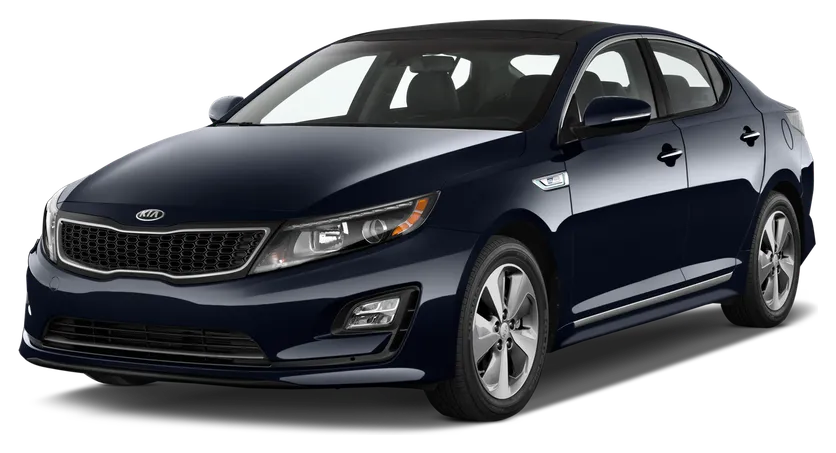
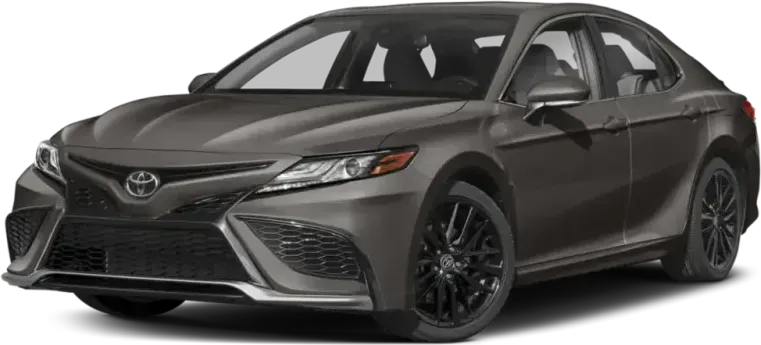
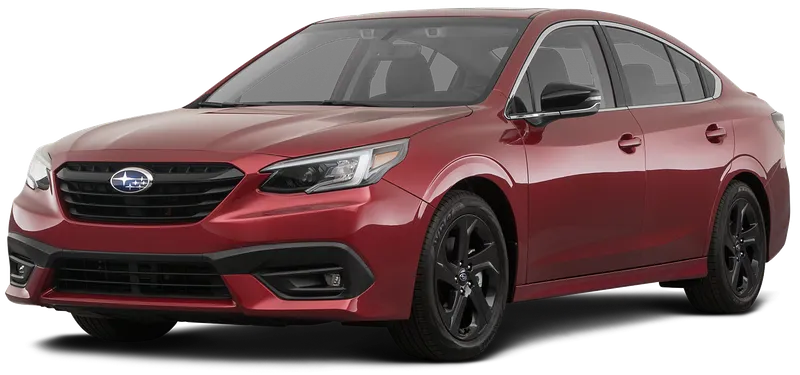
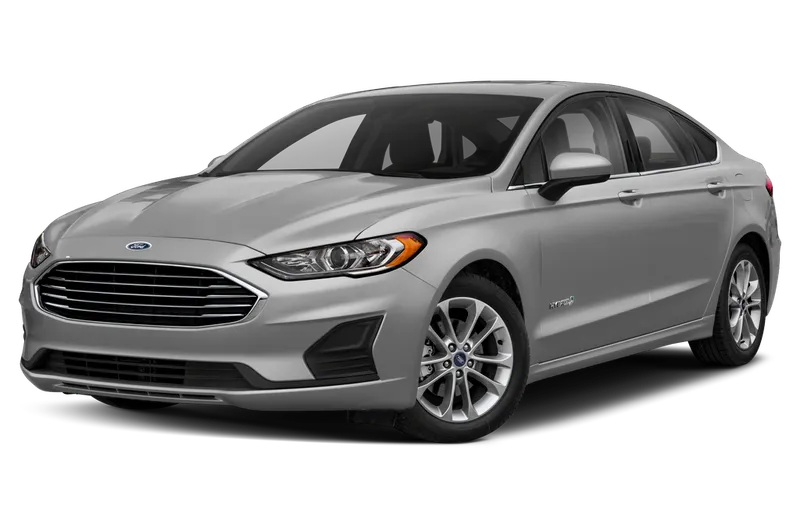
Also looking at these instead of a Accord?
Cars shoppers compare with the Honda Accord, with their own 2020 checklists.
2020 owner complaints, side by side
- Subaru Legacy121
- Kia Optima138
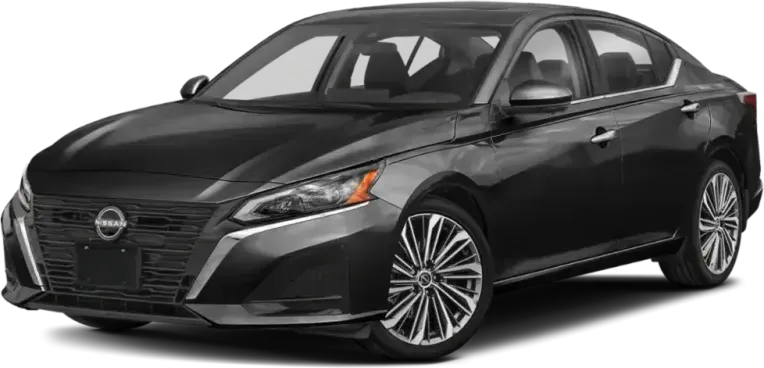
- Nissan Altima162
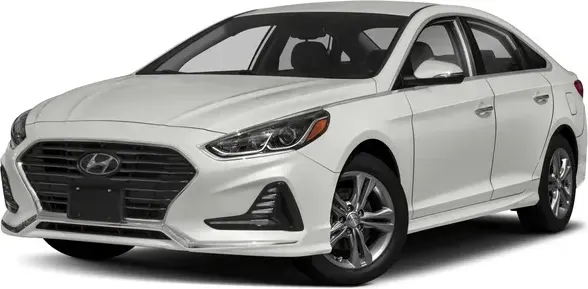
- Hyundai Sonata163
- Ford Fusion176
- Toyota Camry253
- 2020 Honda Accord344