2019 Ford Fusion: What to check before buying
Owners have filed 370 complaints with NHTSA about this car, most about the engine, transmission, and electrical. The 9 checks below target those problems, in the order you would do them at the car.
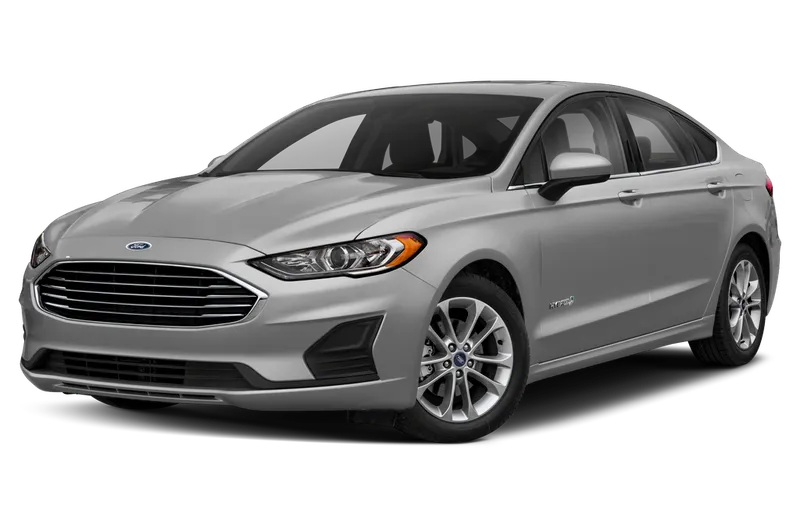 2019
- Owner complaints
- 370
- Recalls
- 3
- Crashes reported
- 5
- 7 injuries
Your inspection sheet
Tick items off on your phone at the car, or print it. Ticks stay on this device.
0/9 checked
2019 Ford Fusion: inspection sheet
Paperwork and questions
Before you go, or before you touch the car0/3
Cold start, engine bay, and underside
Ask the seller not to warm the car up first0/4
Test drive
At least 20 minutes, with some highway0/2
These checks are specific to this model year. For tires, body panels, fluids, and the other basics every used car needs, use the general inspection guide.
Which Fusion is it?
EPA figures for each version of the 2019 Ford Fusion. Use them to confirm you are looking at the version that was advertised, and as a yardstick on the test drive.
| Version | Drive | EPA rating |
|---|---|---|
| 1.5L 4-cylGas | FWD | 27 mpg |
| 2.0L 4-cylGas | AWD, FWD | 23–25 mpg |
| 2.5L 4-cylGas | FWD | 25 mpg |
| 2.7L 6-cylGas | AWD | 20 mpg |
| 2.0L 4-cylHybrid | FWD | 42 mpg |
| 2.0L 4-cylPlug-in hybrid | FWD | 610 mi range |
- The 2019 Ford Fusion was sold in six versions. Confirm which one this is from the window sticker, the engine cover, or the VIN report before you compare prices.
- On the hybrid, watch for the car moving off on electric power at low speed and for any hybrid system warning on the dash.
- Reset the trip computer at the start of the drive. A Fusion that averages well under the EPA 20 mpg combined on a mixed route may have an engine or tire problem.
Check the odometer against these mileages
Owners report these failures starting around the mileages below. A car inside one of these ranges deserves a closer look at that part, or records showing it was already fixed.
Rough shifting, torque converter failure
51,380–58,940 miles
Cracked flex plate
55,000–84,000 miles
Hard start after refueling
56,000–76,919 miles
Coolant intrusion, engine replacement
69,000–126,000 miles
Why these checks: what owners reported
NHTSA complaints for the 2019 Ford Fusion, grouped by the part owners named. Open a row to read what goes wrong.
Engine160No crashes
Coolant leaks into the cylinders on the 2.0L and 1.5L EcoBoost engines, and the usual fix is a full engine replacement. Warning signs include coolant loss with no visible leak, harsh cold starts, shuddering, a misfire on one cylinder, white exhaust smoke, and overheating. Many cars get new spark plugs and coils first, and then the misfire comes back. Most failures land between about 69,000 and 126,000 miles, with a few much earlier. Some cars stall on the highway. Repair bills near $8,000 come up, with coverage denied or only partial. Cracked flex plates causing loud shaking also appear.
Coolant intrusion into the cylinders is the main failure, and it usually ends in a recommendation to replace the engine. The car shakes at startup or at highway speed, the check engine light comes on or flashes, and scans show a misfire on one cylinder. Other signs include white exhaust smoke, an empty coolant reservoir, Engine Coolant Overtemperature warnings, and limp mode. Several cars lose power while moving and have to coast to the shoulder. Swapping spark plugs, coils, or the water pump does not fix it. Failures mostly appear between about 75,000 and 108,000 miles.
Transmission72No crashes
A cracked flex plate is the most repeated failure. It starts as a rattle or ticking at idle near the bell housing, gets louder with each start, and can leak transmission fluid or cut power. One car cracked a second one within about 12,500 miles. Other reports describe harsh shifts from first to second and second to third, a torque converter clutch that keeps engaging and disengaging, and a SHIFT SYS FAULT message that leaves the car unable to go into park, traced to a worn shifter bushing. Coolant intrusion and head gasket failures also show up here.
Electrical70No crashes
Battery trouble on the plug-in hybrid dominates. Most complaints describe a recall repair that has dragged on for months, with parts on back order and owners told not to charge, which cuts efficiency and resale value. Two reports involve fire: a popping sound, a stop-vehicle warning, then smoke filling the cabin. One injury is reported. Other hybrids suffer repeat battery control module failures and sudden shutdowns while driving, sometimes with a burning smell. Separately, the backup camera freezes or goes black or blue, and the infotainment system forgets paired phones.
Fuel system10No crashes
The car is hard to start right after refueling. It takes several tries or a wait of about five minutes, and the check engine light stays on. Mechanics trace this to a stuck canister purge valve or a failed EVAP canister. Some cars also hesitate, slow down on their own, or stall. The remaining reports describe a cracked flex plate or flywheel that makes a loose, knocking noise at idle, with one car losing power around 70,000 miles. The purge valve failure appears around 56,000 miles.
Most of these complaints are about a recall delay on the plug-in hybrid. Owners say they were told in June 2023 to stop charging until a fix arrived, and some were still waiting as of March 2025, driving what amounts to a less efficient regular hybrid. Compensation reports are thin. Other reports describe hard starting after every fill-up caused by a failed purge valve, with replacement parts hard to find. One complaint describes the transmission locking the front wheels at 45 mph.
Steering8No crashes
The wheel stiffens or locks up while driving in a few reports, one with an electronic power steering control module fault message. Others describe the wheel catching on left turns while the brakes grab and the ABS light comes on, and the steering wheel shaking whenever the brakes are applied, which one dealer could not diagnose. A sudden hybrid shutdown in traffic left steering and braking very heavy. One owner reports the steering wheel control panels melting and cracking in direct sun. The reports are too few and too varied to point to one cause.
Acceleration and cruise control5No crashes
Cruise control accelerates past the set speed in several reports. Holding the plus button can cause runaway acceleration until the driver cancels or brakes. One car surged to 71 mph after the driver released the brake, at just 350 miles. Adaptive cruise misses vehicles during lane changes and on curves. Other complaints describe the accelerator pedal seizing, the brakes seizing in traffic, and the car sticking in first gear, problems one owner links to the auto stop-start feature. Most of these reports come from cars with very low mileage.
Airbags43 crashes
Front airbags fail to deploy in serious frontal crashes in three reports, each with an injury. These include a T-bone collision in an intersection, a deer strike at 70 mph, and a 35 mph impact that totaled the other car. Injuries include a fractured sternum and back and neck pain. One driver saw a front camera unavailable message minutes before the crash. A separate report describes an airbag warning light from a failed module at 6,400 miles, with warranty coverage denied.
In owners' own words
Excerpts from complaints Fusion owners filed with NHTSA, as written. Listen for the same symptoms on your test drive.
Coolant is intruding into the engine, with no sign of a leak. There was a TSB 22-2229 issued that my car falls under, but ford claims they are not at fault to pay for it. This was a manufacturing error, and was at no fault of my own. My car has less than 60k miles on it. A check engine light came on for cylinder 3 misfire. There was no warning signs that an engine failure was occurring. The car is not driveable as it could overheat at any moment.
Filed with NHTSA, September 2025
I am second owner. At just before 110,000 miles the motor expirenced shuddering, with misfires, from P0303. I was able to get it to a Ford Service Center. Diagnosis with a borescope reveled coolant into cylinders 2and 3. Almost 8,000 dollars later, a new motor. In my Opinion, the cost of the actual motor should be free, or at least less then 2,700. I do not think it's very fair for Ford to profit from their own defective design. Thanks.
Filed with NHTSA, March 2024
Flex plate cracked at 84000 miles. It is currently at a Ford dealership being repaired at my expense. The car exhibited a rattling noise at idle near the bell housing. Had the part in question shattered at highway speeds, the results would have been catastrophic. There were no warning indicators other than the rattling noise. From researching this issue, it seems to be a widespread problem with the 1.5l eco boost, but it is not part of the recall.
Filed with NHTSA, December 2024
2019 Ford Fusion 1.5L Ecoboost engine. Flex plate cracked at 78000 miles. Ford Customer Satisfaction Program 22N12 covers this issue for my make and model, but dealership claims it does not cover my engine as it is a 1.5 and not a 2.0. The vehicle was produced at the same time and place as all the other listed vehicles, with the same faulty flex plate, yet somehow mine is not covered.
Filed with NHTSA, December 2023
Historically, the vehicle has been in shop for repairs of the BECM. BECM was replaced on 12/23/22 with 44,217 miles on the car. On 11/25/23 while driving on city streets the car completely shut down and warning light came on telling us to immediatel pull over and stop the car. During this incident we detected an odor of something burning. The car was towed home and will be towed to the dealer for diagnostics and repair.
Filed with NHTSA, November 2023
Pedestrian detection system malfunction. Sync 3 system APIM unit is going out and needs replacing (only at 58k miles, 10k out of warranty). Passenger front seat heater and climate control failed due to seat heater melting wiring harness.
Filed with NHTSA, April 2023
I started my car one morning and heard a new noise that sounded like something was loose in my engine. I would hear this noise at idle and while starting the car. I took it to my mechanic who diagnosed a cracked flex plate.
Filed with NHTSA, December 2023
How the 2019 compares with other Fusion years
Complaints for this year next to the average for the other model years, area by area.
The 2019 ranks second for owner complaints among 3 Fusion years, close to the average of the others. Newer years have had less time to collect complaints, so compare like with like.
- Engine160119
- Transmission7280
- Electrical7024
- Fuel system103
- Steering815
- Acceleration and cruise control52
Where the 2019 fits in the Fusion's history
Redesigns and mid-cycle updates change what can go wrong.
The 2019 is the seventh model year of the Fusion's second generation (2013–2023).
It is also the first year of a mid-cycle update.
What changed for 2019
- Standard Ford Co-Pilot 360 safety suite
- Updated styling
- Changes in engine availability
Recalls to confirm (3)
Recall repairs are free at any Ford dealer, but the seller may never have had them done. Check each campaign number against the VIN.
25V685000EquipmentOct 2025
Ford Motor Company (Ford) is recalling certain 2016-2019 Lincoln MKC, 2016-2023 Explorer, 2019-2020 Fusion, 2019-2024 Ranger, 2020-2022 Lincoln Corsair, Escape, 2021-2024 Bronco, Bronco Sport, and 2022-2024 Maverick vehicles. The engine block heater may crack and develop a coolant leak, causing it to short circuit when the block heater is plugged in.
Risk: An electrical short circuit can increase the risk of a fire.
Fix: Owners are advised not to plug in their block heater until the vehicle is remedied. Dealers will replace the block heater, free of charge. Owners will also have a alternative option to replace engine block heater element with a threaded blanking plug, and remove the block heater electrical cord. Interim letters, notifying owners of the safety risk, were mailed December 3, 2025. Additional letters will be sent once the final remedy is available, anticipated September 2026. Owners may contact Ford customer service at 1-866-436-7332. Ford's number for this recall is 25SA4. Vehicle Identification Numbers (VINs) involved in this recall became searchable on NHTSA.gov on October 15, 2025.
25V442000Backup cameraJun 2025
Ford Motor Company (Ford) is recalling certain 2018-2022 Transit Connect, 2019-2020 MKZ, MKX, Edge, Continental, F-150, Nautilus, Fusion, 2019-2023 Ranger, Mustang, 2020-2021 EcoSport, Expedition, Navigator, 2020-2022 Escape, F-250 SD, Corsair, 2020-2023 Aviator, Transit, 2020-2024 Explorer, 2021-2024 Bronco Sport, and 2022-2024 Maverick vehicles. A software error may cause the rearview camera to display a blank image, or the image may remain on the display after the backing event has ended.
Risk: A rearview camera that displays a blank image can reduce the driver's view behind the vehicle. A rearview image that continues to be displayed after the vehicle is shifted out of reverse may distract the driver. Both of these situations can increase the risk of a crash.
Fix: Dealers will update the rearview camera software, free of charge. Owner notification letters were mailed September 4, 2025. Owners may contact Ford customer service at 1-866-436-7332. Ford's number for this recall is 25S72.
23V440000ElectricalJun 2023
Ford Motor Company (Ford) is recalling certain 2019-2020 Fusion PHEV vehicles. The battery energy control module (BECM) may become damaged due to excessive voltage and current flow.
Risk: A damaged BECM can result in a loss of drive power or fire, increasing the risk of a crash or injury.
Fix: Owners are advised not to charge their vehicles until the remedy is completed. Dealers will replace the battery and update the BECM software for free, or Ford will repurchase the vehicle. If your vehicle is currently operating normally, Ford has authorized dealers to replace the fuse block and a software update as an interim repair before the availability of remedy parts for the final repair. This repair will be free of charge (parts and labor). As an alternative remedy, Ford is offering a vehicle refund. Please see Ford's owner notification letter or contact Ford for full details. Owner notification letters were mailed May 15, 2025. Owners may contact Ford customer service at 1-866-436-7332. Ford's number for this recall is 23S33.
Also looking at these instead of a Fusion?
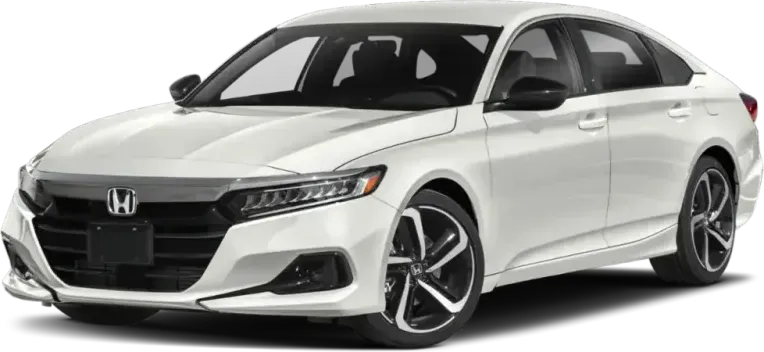
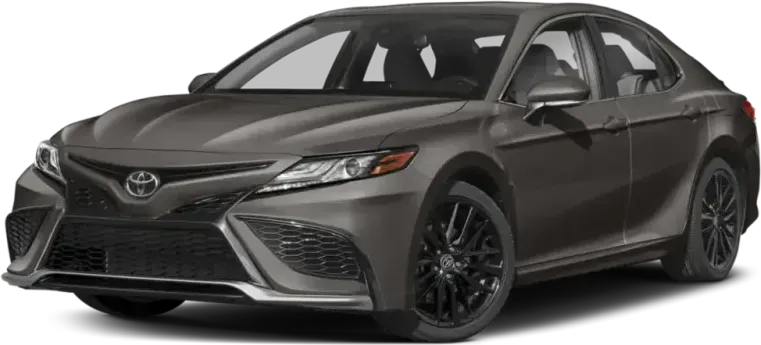
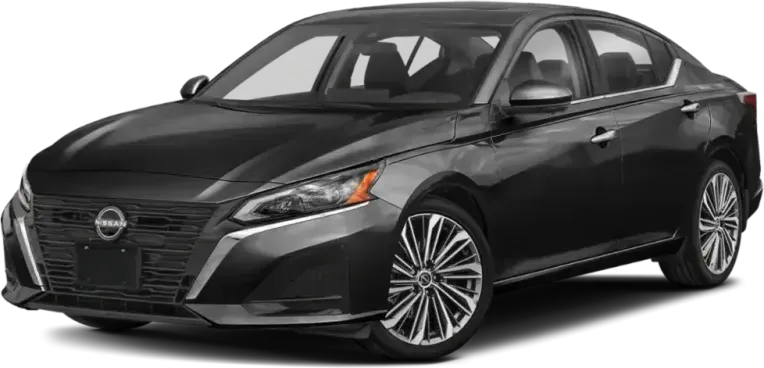
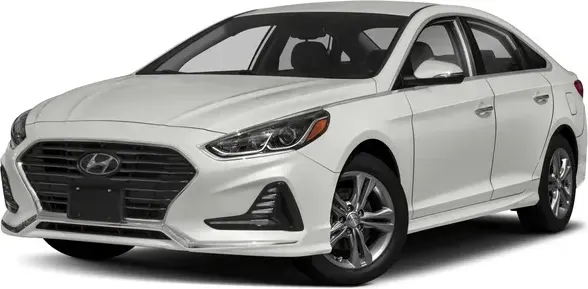
Cars shoppers compare with the Ford Fusion, with their own 2019 checklists.
2019 owner complaints, side by side
- Hyundai Sonata144
- Chevrolet Malibu181
- Kia Optima205
- Nissan Altima230
- Toyota Camry364
- 2019 Ford Fusion370
- Honda Accord574