2020 Toyota Camry: What to check before buying
Owners have filed 253 complaints with NHTSA about this car, most about the electrical, airbags, and engine. The 9 checks below target those problems, in the order you would do them at the car.
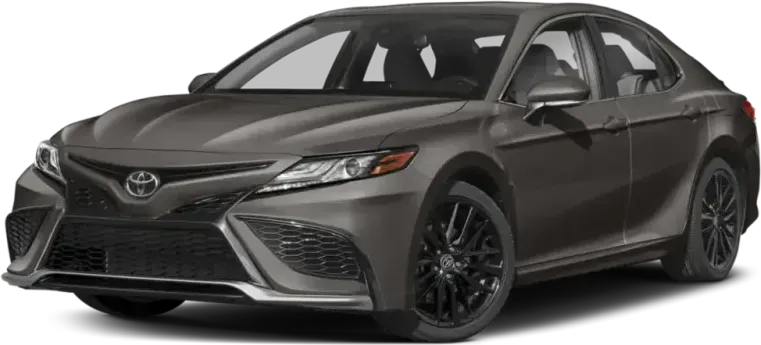 2020
- Owner complaints
- 253
- Recalls
- 3
- Crashes reported
- 14
- 22 injuries
Your inspection sheet
Tick items off on your phone at the car, or print it. Ticks stay on this device.
0/9 checked
2020 Toyota Camry: inspection sheet
Paperwork and questions
Before you go, or before you touch the car0/2
Walk-around and cabin
Engine off, key in hand0/2
Cold start, engine bay, and underside
Ask the seller not to warm the car up first0/4
Test drive
At least 20 minutes, with some highway0/1
These checks are specific to this model year. For tires, body panels, fluids, and the other basics every used car needs, use the general inspection guide.
Which Camry is it?
EPA figures for each version of the 2020 Toyota Camry. Use them to confirm you are looking at the version that was advertised, and as a yardstick on the test drive.
| Version | Drive | EPA rating |
|---|---|---|
| 2.5L 4-cylGas | AWD, FWD | 29–34 mpg |
| 3.5L 6-cylGas | FWD | 26 mpg |
| 2.5L 4-cylHybrid | FWD | 52 mpg |
- The 2020 Toyota Camry was sold in three versions. Confirm which one this is from the window sticker, the engine cover, or the VIN report before you compare prices.
- On the hybrid, watch for the car moving off on electric power at low speed and for any hybrid system warning on the dash.
- Reset the trip computer at the start of the drive. A Camry that averages well under the EPA 26 mpg combined on a mixed route may have an engine or tire problem.
Check the odometer against these mileages
Owners report these failures starting around the mileages below. A car inside one of these ranges deserves a closer look at that part, or records showing it was already fixed.
12-volt battery drain, no-start
1,700–21,000 miles
Coolant bypass valve failure
30,000–34,000 miles
Transmission whine and failure
67,000–114,000 miles
Why these checks: what owners reported
NHTSA complaints for the 2020 Toyota Camry, grouped by the part owners named. Open a row to read what goes wrong.
Electrical55No crashes
The 12-volt battery goes flat after the car sits for as little as 12 hours to a few days, even with lights off and doors closed. Most reports come early, often under 8,000 miles. Symptoms include clicking, flickering dash lights, Smart Key malfunction messages and warnings about engine and transmission electronics after a jump start. Replacement batteries often fail the same way. Dealers frequently find nothing wrong. Some fixes involve a telematics (DCM) firmware update, and one dealer blamed the overhead SOS button. A few owners report sporadic door lock failures.
Airbags529 crashes
Airbags fail to deploy in serious crashes, including front and side impacts at 40 to 60 mph. Seat belts sometimes fail to tighten as well. These reports include 9 crashes and 18 injuries, with concussions, broken bones and back injuries. Some drivers see an Air Bag System Malfunction message. Many other complaints involve no failure at all. They concern recall 23V865 for the passenger airbag, where dealers say repair parts are not available. Owners describe waits of 20 months or longer with no remedy.
Engine28No crashes
A failing coolant bypass valve is the most common problem. It brings on an Engine Maintenance Required or check engine light, code P268115 and a coolant smell or slow leak, usually around 30,000 to 34,000 miles. Some owners pay over $700 for the repair, face part backorders, or see the replacement valve leak too. Other reports describe stalling while driving. Causes include a defective low-pressure fuel pump and a cracked plastic intake resonator piece jamming the throttle. One complaint describes an underbody fire at highway speed.
Transmission241 crash
The 8-speed automatic transmission can fail at moderate mileage, with reports at 67,000, 82,000 and 114,000 miles. Warning signs include a whine under acceleration, hesitation, harsh or delayed shifts, revving without movement and limp mode. Some cars lose all forward gears at speed, often with no warning light. Dealers confirm failures but sometimes cannot get a replacement transmission. One report describes a leaking transmission oil pump seal at 70,000 miles. In another, the car rolled while in park and pinned and injured its owner.
Fuel system16No crashes
The engine loses power or stalls while driving, sometimes in traffic or at 20 mph. These complaints point to the low-pressure fuel pump covered by recall 20V682000. Many owners say their car is not on the recall list even though it shows the same symptoms, and some pay for a new pump themselves. Dealers often cannot reproduce the stall. Other reports mention rough idle, slow takeoff and a shorter range on a full tank. One high-pressure fuel line ruptured, spraying fuel on the exhaust and starting a small fire.
Brakes71 crash
The brake pedal feels spongy or sinks to the floor with no visible fluid leak, and owners suspect an internal ABS problem. Other reports describe an abnormal noise when braking that dealers cannot reproduce. Some cars lose power while brake and collision-avoidance warnings light up together, which one dealer traced to a failed engine computer at 70,599 miles. One crash followed sudden brake lockup at 60 mph, but that car had prior unrepaired crash damage. With only 7 complaints, no clear pattern emerges.
Acceleration and cruise control71 crash
Throttle response is unpredictable. Some drivers report a delay of a couple of seconds when pulling away or changing lanes, and jerky starts from a stop. Others describe the car accelerating on its own, including a low-speed crash in reverse. Some cars shift gears by themselves with a Drive Start Control Malfunction warning. Loose plastic pieces from the intake vacuum box can lodge in the throttle body and make the engine rev and then die. Dealers often cannot replicate these problems.
Seat belts6No crashes
The driver's seat belt buckle stops latching, so the belt does not hold the occupant in place. Belts may also fail to retract. Dealers fix it by replacing the buckle assembly. One owner was charged $378 outside warranty. Reported mileages range from about 1,000 to 115,000, and one passenger-side buckle began failing after the driver's side. The 6 complaints show no clear mileage pattern, but the failure leaves a front occupant unrestrained.
In owners' own words
Excerpts from complaints Camry owners filed with NHTSA, as written. Listen for the same symptoms on your test drive.
The 12-volt battery has gone totally dead twice. Replaced the battery 2 times. Both batteries were fairly new. I believe there is some sort of drain on the battery that the test doesn't show. at a Toyota dealership, they said I didn't drive the car enough. When the battery failed the last time, I had driven the car over 1000 miles in the previous days before letting the car sit for 2 days. No way should the battery die this quickly.
Filed with NHTSA, April 2024
Dead battery at 21000 miles. Car is less than 2 years old and didn't drive it for 36 hours and the battery completely drained. Even after jump start electronic dash wouldn't function properly.
Filed with NHTSA, December 2021
A car turned in front of my daughter and her boyfriend. They were going 40 MPH and there is severe damage to the front of the vehicle. The car will be totaled. Not one air bag deployed. All first responders were very surprised and cautious that even them exiting the damaged vehicle could set them off. They were told "not to move" until they could investigate a safe way for them to leave the car.
Filed with NHTSA, October 2023
I was in an accident, going about 40mph (about 30mph at time of impact), and no airbags were deployed. Police officer reported that he also did not see that the tension of the seat belt remained tense after the crash. Seems that there was a problem with both systems. The other vehicle had all their airbags deploy.
Filed with NHTSA, July 2025
2020 Camry has 34000 miles and the engine maintenance required comes on. The dealer says it is the coolant bypass valve. They will replace it but after looking online there are many reports of this happening to toyotas with low mileage. Coolant can corrode the electric components.
Filed with NHTSA, August 2023
The coolant bypass valve has failed and my car is at 30,000 miles. This seems like a common problem as I see a lot of other people mention needing this replaced on their Camrys and RAV4s. The dealership said they are replacing all of them on Camry’s, RAV4’s, and Corolla’s
Filed with NHTSA, July 2024
transmission just stopped shifting yes its available for inspection. car suddenly wouldnt accelaerate on the highway. independant service center. has not been inspected by them. no warning lights prior to the incident also the junkyards want double the amount of money for these transmissions cause they say theyre in high demand because they tend to fail
Filed with NHTSA, December 2025
There is a progressing whine sound when accelerating, it's a common sign of a transmission failing, others online have described the same issue and they had to replace their transmission, I'd be worried about my transmission failing mid drive and not being able to control the car.
Filed with NHTSA, January 2025
How the 2020 compares with other Camry years
Complaints for this year next to the average for the other model years, area by area.
The 2020 ranks third for owner complaints among 8 Camry years, about 1.3 times the average of the others. Newer years have had less time to collect complaints, so compare like with like.
- Electrical5514
- Airbags5220
- Engine2811
- Transmission2438
- Fuel system1617
- Brakes724
Where the 2020 fits in the Camry's history
Redesigns and mid-cycle updates change what can go wrong.
The 2020 is the third model year of the Camry's eighth generation (2018–2023).
Recalls to confirm (3)
Recall repairs are free at any Toyota dealer, but the seller may never have had them done. Check each campaign number against the VIN.
23V865000AirbagsDec 2023
Toyota Motor Engineering & Manufacturing (Toyota) is recalling certain 2020-2021 Avalon, Avalon Hybrid, Corolla, Highlander, Highlander Hybrid, RAV4, RAV4 Hybrid, Lexus ES350, Lexus RX350, Lexus RX450H, 2021 Sienna Hybrid, Lexus ES250, 2020-2022 Camry, Camry Hybrid, and ES300H vehicles. A short circuit may develop in the Occupant Classification System (OCS) sensor, preventing the front passenger air bag from deploying.
Risk: An air bag that does not deploy during a crash increases the risk of injury.
Fix: Dealers will inspect and replace the sensor as necessary, free of charge. Interim letters notifying owners of the safety risk were mailed in February 2024. Some final remedy owner letters were mailed October 31, 2024. Letters will continue to be mailed in phases through January 2026. Owners may contact Toyota customer service at 1-800-331-4331. Toyota's number for this recall is 23TB15/23TA15 Lexus 23LB03/23LA03.
20V682000Fuel systemNov 2020
Toyota Motor Engineering & Manufacturing (Toyota) is recalling certain 2018-2019 4Runner, 2019-2020 Avalon, 2019 Corolla Hatchback, 2017-2019 Highlander, 2018-2020 Camry, 2020 Corolla, 2018-2019 Land Cruiser, 2017-2020 Tacoma, 2019-2020 RAV4, 2019-2020 Sequoia, 2017-2020 Sienna, 2019-2020 Tundra, 2018-2020 Lexus ES350, 2017 Lexus GS200t, 2017-2019 Lexus GS350, 2019 Lexus GS300, 2018-2020 Lexus LC500h, 2019-2020 Lexus LS500, 2018-2019 Lexus GX460, 2017 Lexus IS200t, 2019 Lexus IS300, 2019 Lexus IS350, 2018-2020 Lexus LC500, 2018 Lexus LS500, 2019 Lexus LS500h, 2018-2019 Lexus LX570, 2017 Lexus RC200t, 2019 Lexus RC300, RC350, 2017 and 2019-2020 Lexus RX350, 2018-2020 RX350L, 2019 Lexus UX200, 2018-2019 Lexus NX300 vehicles. The low-pressure fuel pump inside the fuel tank may fail.
Risk: If the fuel pump fails, the engine can stall while driving, increasing the risk of a crash.
Fix: Toyota will notify owners, and dealers will replace the fuel pump assembly with an improved one, free of charge. Owners of specific models were notified that remedy parts were available starting January 21, 2021. Owners of other models will be notified as remedy parts become available. Remedy parts should be available for all affected vehicles by late March 2021. Owners may contact Toyota customer service at 1-888-270-9371 or Lexus customer service at 1-800-255-3987. Note: This recall is an expansion of recall 20V-012. Toyota's number for this recall is 20TA02. Lexus' number for this recall is 20LA01.
20V064000EngineFeb 2020
Toyota Motor Engineering & Manufacturing (Toyota) is recalling certain 2020 Toyota Avalon Hybrid, Camry, Camry Hybrid and Lexus ES300h and 2019-2020 RAV4 and RAV4 Hybrid vehicles equipped with 2.5L 4-Cylinder engines. Porosity in the engine castings may result in cracks than can allow coolant to leak internally and/or externally.
Risk: A coolant leak can cause the engine to overheat and cause a vehicle stall in conventional gasoline vehicles, increasing the risk of a crash. Additionally, for all involved vehicles, the engine may get damaged mechanically, possibly resulting in an engine oil leak, increasing the risk of a fire.
Fix: Toyota will notify owners, and dealers will inspect and replace the engine including the engine block, as necessary, free of charge. The recall began April 3, 2020. Owners may contact Toyota customer service at 1-888-270-9371 or Lexus at 1-800-255-3987. Toyota's number for this recall is 20TA04. Lexus' number for this recall is 20LA02.
Also looking at these instead of a Camry?
Cars shoppers compare with the Toyota Camry, with their own 2020 checklists.
2020 owner complaints, side by side
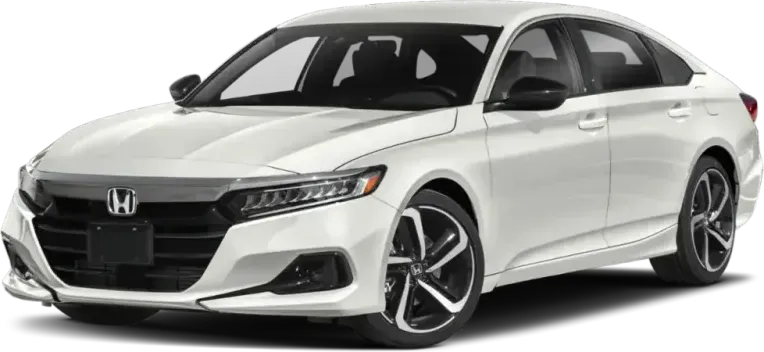
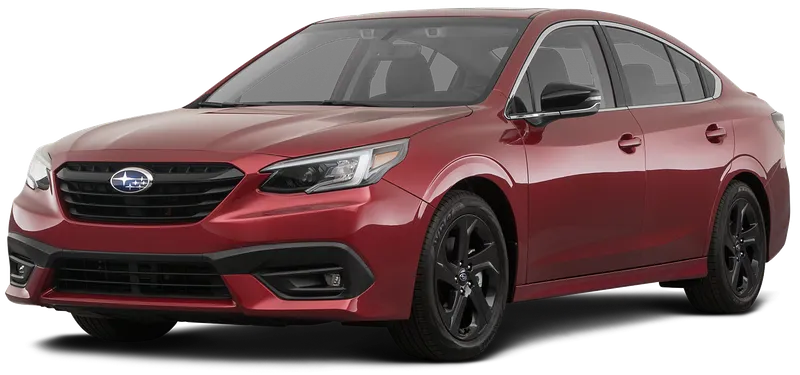
- Subaru Legacy121
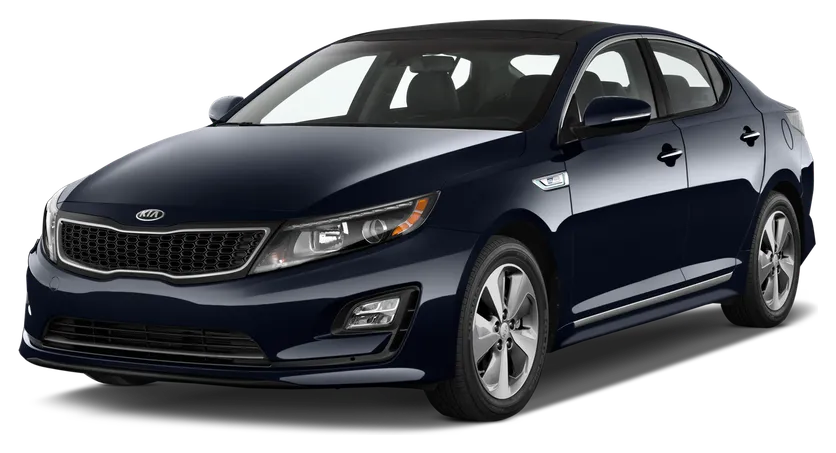
- Kia Optima138
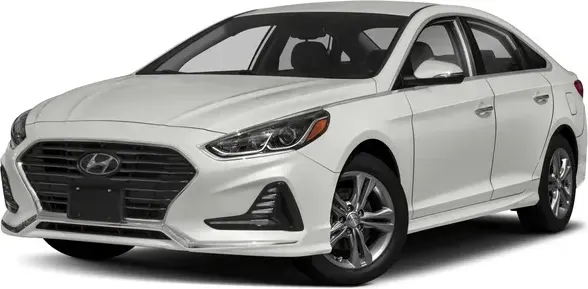
- Hyundai Sonata163
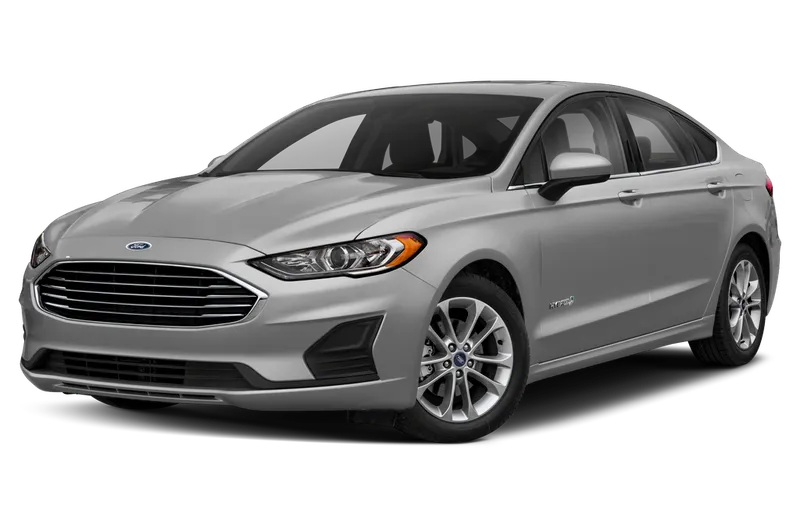
- Ford Fusion176
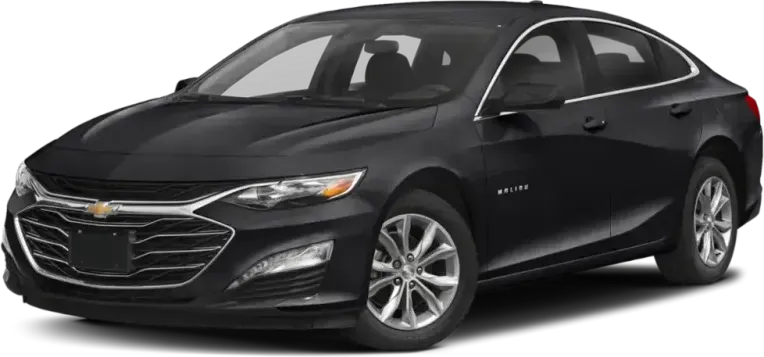
- Chevrolet Malibu178
- 2020 Toyota Camry253
- Honda Accord344