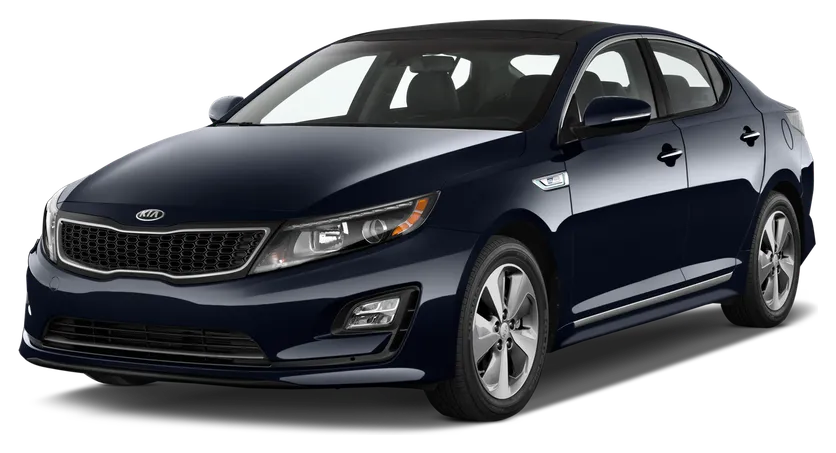
2020 Kia Optima: What to check before buying
Owners have filed 138 complaints with NHTSA about this car, most about the engine, transmission, and electrical. The 8 checks below target those problems, in the order you would do them at the car.
 2020
- Owner complaints
- 138
- Recalls
- 0
- Crashes reported
- 6
- 4 injuries
Your inspection sheet
Tick items off on your phone at the car, or print it. Ticks stay on this device.
0/8 checked
2020 Kia Optima: inspection sheet
Paperwork and questions
Before you go, or before you touch the car0/1
Walk-around and cabin
Engine off, key in hand0/1
Cold start, engine bay, and underside
Ask the seller not to warm the car up first0/4
Test drive
At least 20 minutes, with some highway0/2
These checks are specific to this model year. For tires, body panels, fluids, and the other basics every used car needs, use the general inspection guide.
Which Optima is it?
EPA figures for each version of the 2020 Kia Optima. Use them to confirm you are looking at the version that was advertised, and as a yardstick on the test drive.
| Version | Drive | EPA rating |
|---|---|---|
| 1.6L 4-cylGas | FWD | 31 mpg |
| 2.0L 4-cylGas | FWD | 24 mpg |
| 2.4L 4-cylGas | FWD | 29 mpg |
| 2.0L 4-cylHybrid | FWD | 42 mpg |
| 2.0L 4-cylPlug-in hybrid | FWD | 630 mi range |
- The 2020 Kia Optima was sold in five versions. Confirm which one this is from the window sticker, the engine cover, or the VIN report before you compare prices.
- On the hybrid, watch for the car moving off on electric power at low speed and for any hybrid system warning on the dash.
- Reset the trip computer at the start of the drive. A Optima that averages well under the EPA 24 mpg combined on a mixed route may have an engine or tire problem.
Check the odometer against these mileages
Owners report these failures starting around the mileages below. A car inside one of these ranges deserves a closer look at that part, or records showing it was already fixed.
P1326 limp mode, engine failure
91,000–98,000 miles
Late-onset heavy oil consumption
127,000–138,000 miles
Why these checks: what owners reported
NHTSA complaints for the 2020 Kia Optima, grouped by the part owners named. Open a row to read what goes wrong.
Engine671 crash
Heavy oil burning with no visible leak is the main pattern. Owners add oil between changes, find the dipstick nearly dry within 2,000 miles, and say the low-oil warning comes late or not at all. Many reports then move to a flashing check engine light, code P1326, limp mode, knocking, and sudden power loss at highway speed, with some drivers nearly rear-ended. Limp mode and engine failure cluster around 91,000 to 98,000 miles. One crash-related report describes metal debris in the oiling system. Second owners often report warranty disputes.
Excessive oil consumption dominates, with owners adding about a quart weekly and the low oil pressure light coming on only when pressure is already very low. Reports describe rattling, a crackling noise, hesitation, and a flashing check engine light with code P1326 ending in engine failure. In one case a mechanic blamed faulty piston rings at 127,000 miles. Dealers often order an oil consumption test rather than a diagnosis, and owners say the repair was not covered under warranty.
Transmission24No crashes
Oil consumption leading to code P1326, limp mode, and engine knocking shows up here too. Owners describe a flashing check engine light, speed dropping on the highway, and quotes of about $10,000 for a replacement engine. A second group of reports covers a dual-clutch transmission that shudders in low gears, stalling, and repeated fuel pump and fuel injector repairs that do not fix the problem. One fire-related report describes a car that kept leaking oil and stalling after fire repairs.
Electrical11No crashes
Highway limp mode with code P1326 tied to the knock detection system is common, with speed falling sharply and the car unable to accelerate. One owner replaced the knock sensor three times after hard rain or car washes. Theft is a separate theme: cars started without a key, sometimes with a USB cord, and owners report trouble getting insurance without an immobilizer. Headlights that flicker or short out also appear. One fire-related report describes flames in the engine bay of a car already burning oil.
Brakes71 crash
Brakes that feel spongy or let go are the most serious reports. One crash-related complaint blames a faulty ABS module for a pedal that sometimes fails to stop the car, and another describes braking that disengages when hitting a bump mid-stop. Other reports include a brake pedal that wobbles side to side at 36,128 miles and a front caliper bolt that fractured at about 91,000 miles. Two complaints say forward collision warning never detects the car ahead.
Airbags64 crashes
Airbags failing to deploy in crashes is the main concern, across four crash-related reports with four injuries. Cases include hitting a guardrail at 60 mph, striking a pickup after forward collision braking slowed the car, and leaving the road into a ditch where the seatbelt also stayed loose. One owner received a warranty extension for an airbag warning light, but the dealer had no parts to fix it. Another says the knee airbag blocks the brake pedal for large shoe sizes.
Fuel system3No crashes
Repeated low-pressure fuel pump failure causes hard starting, loss of power, and a risk of stalling. In one case the dealer replaced part of the pump three times before concluding the whole assembly needed replacement, with code P123300 showing low pump pressure. Other reports describe the car quitting while idling at a red light and a fuel line quick-connect fitting that came loose and needed replacement. Only 3 complaints are on file, so the fuel pump is the one clear pattern.
Steering2No crashes
A broken steering wheel bearing that fails again after replacement is one of only 2 reports here, and that owner calls it a major safety concern. The other describes steering that feels wrong after an engine replacement, alongside new engine noise and collision warning lights coming on. Neither report describes a crash. With so few complaints, steering draws far less attention than the engine problems reported on this car.
Seat belts2No crashes
The passenger seat belt chime sounds on its own and keeps going until the belt is buckled. Both complaints describe the same behavior, and neither mentions an injury, a crash, or a belt that fails to hold. In these reports the issue is a nuisance rather than a safety failure. A related problem appears under airbags, where a driver's belt alarm chimed even though the belt was fastened, alongside an airbag warning light.
In owners' own words
Excerpts from complaints Optima owners filed with NHTSA, as written. Listen for the same symptoms on your test drive.
Dealing with sudden excessive oil consumption at 130,000 miles. Had an oil change about 2,000 miles ago and oil sensor has been going off after 1,500-2,000 miles driven. Mechanic put 3 more quarts in and a week and a half later oil sensor is going off again indicating low oil. Mechanic confined this has been a frequent problem with this engine and insists piston rings are faulty & will eventually need engine replacement.
Filed with NHTSA, March 2025
I got the car was running good week or 2 later I see the oil light flash after my oil change I go back top it off repeat the cycle almost weekly burning losts of oil then I get a code p1326 for a knock sensor same day car go into limp mode no power rpm won’t go over 2 car won’t go over 60-65 I park it go outside to take it to the dealership next day it ain’t start I haven’t had the car 4 months only have 138,000 miles
Filed with NHTSA, December 2025
I started having clicking sound in engine around 50k miles . Then my check engine light came on and my engine has been using so much oil. I have to get an additional 3 quarts in between oil changes. The clicking sound is getting louder and my car is now having issues accelerating. . My engine is failing and I bought this car brand new and have regularly maintained it .
Filed with NHTSA, September 2024
When the vehicle was about 3 years old and at 60,000 miles, the fuel injector went out. Kia took weeks to approve the replacement under warranty. Since then the engine light came on and said cylinder 3 has leak and fouls the plug. We've had it repaired 3 times. The mechanic said it would be too costly to repair and the engine should be replaced.
Filed with NHTSA, May 2025
I was driving down the interstate and all of a sudden the blinking lights of the check engine light came on and automatically I went from 75 mph down to 63 mph and when I looked up what it was, it was the knock detection system of the 2020 Kia Optima. I could not accelerate beyond 63 mph and I fear that the engine might stall on me so I went to O’Reillys and have them check it and it says it’s the P1326 Code
Filed with NHTSA, May 2025
I got a CEL (code P1326), three different times. Each time has been after a hard rain or a car wash. I have had to pay to have the knock sensor replaced each time, twice by a mechanic and once by a Kia dealership. There’s a recall for this issue on model years older than my 2020. I was told that Kia is aware but that there aren’t enough people having the issue to warrant them to investigate.
Filed with NHTSA, January 2025
The Kia optima 2020 2.4 every 3000 to 4000 miles oil change is metal shavings in the old oil. The clicking noise stared it around the 10000 miles mark and now is getting worse with 60000 miles ,everytime I hit the gas and goes over 30 miles loose a lot of power and a clicking noise come out ,now is getting worse. Is a new car. Already change a ABS pump and I keep my oil change to the date. I m afraid the car is breaking . Help.
Filed with NHTSA, July 2022
ABS module is faulty. Confirmed by professional auto shops and it’s a safety risk. Without this working properly, my car refuses to brake sometimes. Will not automatically stop when it needs to due to the spongy, unresponsive brake pedal. Kia / Hyundai have known about this for years and continues to sell these vehicles that WILL kill myself or someone else on the road.
Filed with NHTSA, January 2023
How the 2020 compares with other Optima years
Complaints for this year next to the average for the other model years, area by area.
The 2020 has the fewest owner complaints of the 3 Optima years we cover, well under the average of the others. Newer years have had less time to collect complaints, so compare like with like.
- Engine6781
- Transmission2417
- Electrical1123
- Brakes710
- Airbags611
- Fuel system33
Where the 2020 fits in the Optima's history
Redesigns and mid-cycle updates change what can go wrong.
The 2020 is the fifth model year of the Optima's fourth generation (2016–2020).
It includes the 2018 update.
What changed for 2018
- Facelifted design elements
- Updated technology
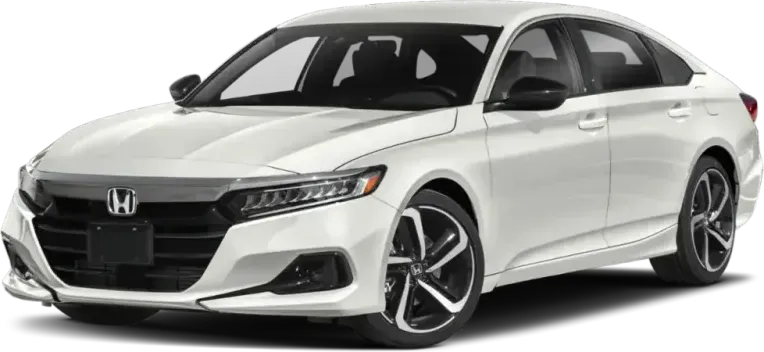
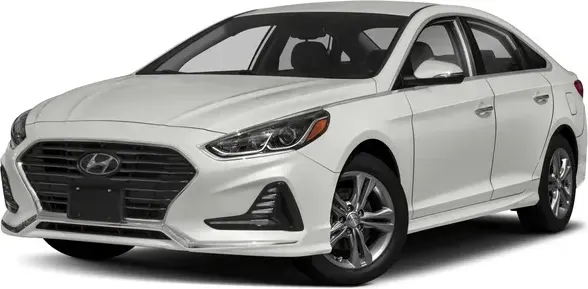
Also looking at these instead of a Optima?
Cars shoppers compare with the Kia Optima, with their own 2020 checklists.
2020 owner complaints, side by side
- 2020 Kia Optima138
- Nissan Altima162
- Hyundai Sonata163
- Ford Fusion176
- Chevrolet Malibu178
- Toyota Camry253
- Honda Accord344