2019 Tesla Model 3: What to check before buying
Owners have filed 569 complaints with NHTSA about this car, most about the automatic emergency braking, electrical, and acceleration and cruise control. The 9 checks below target those problems, in the order you would do them at the car.
 2019
- Owner complaints
- 569
- Recalls
- 21
- Crashes reported
- 55
- 21 injuries
Your inspection sheet
Tick items off on your phone at the car, or print it. Ticks stay on this device.
0/9 checked
2019 Tesla Model 3: inspection sheet
Paperwork and questions
Before you go, or before you touch the car0/2
Walk-around and cabin
Engine off, key in hand0/1
Cold start, engine bay, and underside
Ask the seller not to warm the car up first0/1
Test drive
At least 20 minutes, with some highway0/5
These checks are specific to this model year. For tires, body panels, fluids, and the other basics every used car needs, use the general inspection guide.
Which Model 3 is it?
EPA figures for each version of the 2019 Tesla Model 3. Use them to confirm you are looking at the version that was advertised, and as a yardstick on the test drive.
| Version | Drive | EPA rating |
|---|---|---|
| Electric | AWD, RWD | 310 mi range |
- With a full charge, the range estimate on the dash should land near the EPA figure of 310 miles. A much lower number on a mild day can mean a worn battery; ask for a battery health report.
Check the odometer against these mileages
Owners report these failures starting around the mileages below. A car inside one of these ranges deserves a closer look at that part, or records showing it was already fixed.
Front upper control arm wear
30,000–50,000 miles
Passenger restraint system fault
39,140–67,000 miles
Why these checks: what owners reported
NHTSA complaints for the 2019 Tesla Model 3, grouped by the part owners named. Open a row to read what goes wrong.
Automatic emergency braking905 crashes
Sudden hard braking with nothing ahead is the dominant complaint. On Autopilot or traffic-aware cruise at highway speed, the car can slow to about 40 mph in seconds. This happens most often near hill crests or heat mirages, and trucks behind have had to swerve. Owners say it has grown worse over time, and pressing the accelerator is the only way to recover. A smaller group reports the opposite failure: no warning and no braking before hitting a stopped or merging vehicle. Five reports involve crashes.
Electrical723 crashes
The center touchscreen goes black while driving. The speedometer, backup camera, climate controls, and safety warnings disappear until it reboots minutes later. Other reports describe the car shutting down without warning, traced to a failed rear drive inverter, a dead 12V battery that locked the doors, or a failed pyro fuse. A failed power conversion system can cut charging speed. Two reports involve fire, including a parked car destroyed after smoke came from the cabin floor. Software updates that buried the defrost controls also draw complaints.
Acceleration and cruise control6215 crashes
Sudden surging at low speed is the core complaint. While the driver eases into a parking space, driveway, or garage, the car lunges forward hard. Drivers say it happens as they lift off the accelerator or press the brake. Cars jump curbs and hit buildings, parked cars, and poles. Fifteen reports involve crashes and five list injuries, including a broken back. One family links a fatal high-speed crash to acceleration. These are owner accounts. One driver says she first assumed she had pressed the wrong pedal.
Suspension564 crashes
Front upper control arm ball joints wear early. The first sign is a squeak over bumps or while turning, which grows into a clunk under acceleration. Repairs often include the upper arms plus the lower lateral and compliance links. Many owners hit the problem just past the 50,000-mile warranty and pay themselves. A service bulletin exists, but service centers now replace the arms instead of resealing them. Rarer reports describe a control arm separating while driving and leaving the car undrivable. Several crash reports come from third parties citing salvage-yard cars.
Airbags558 crashes
A front passenger safety restraint system fault warning is the most common issue, often tied to the passenger seat occupancy sensor. It brings a recurring beep, and owners worry the airbag may not deploy. Repair quotes run from over $750 to $1300. A service bulletin calls for retrofitting the passenger seat sensor, and rodent-chewed seat wiring caused one fault. Separately, crash reports describe airbags not deploying in side impacts and frontal hits. One report describes the airbags firing with no collision.
Steering515 crashes
A creak or rusty-hinge noise when turning the wheel usually traces to worn front upper control arms, sometimes with a loose inner tie rod. One owner heard it at about 44,360 miles, just out of warranty. More serious reports describe power steering assist dropping out with a steering assist reduced message, leaving the wheel heavy or locked. A restart clears it temporarily, but it comes back. One water-damaged steering rack cost over $5,000 to repair. Crash reports include a fatal lane-keeping failure claim and third-party salvage-yard filings.
Brakes303 crashes
Phantom braking at freeway speeds dominates. The car brakes hard or gives a false collision warning on an empty road, sometimes at the same spot every trip, and one report describes all four wheels locking. A separate mechanical problem is brake lines that rupture or rust through in the front wheel well. They leak fluid and set off a low brake fluid alert, and owners say warranty claims were denied. A few crash reports claim the brake pedal failed to stop the car while it accelerated.
Lane keeping281 crash
Most excerpts are one series of video reports on a single Full Self-Driving Beta version. They show the car drifting into bike lanes, closed lanes, or oncoming traffic, and passing too close to parked vehicles. Outside that series, Autopilot drifts across lanes. Condensation inside the B-pillar cameras makes them cut out at highway speed. At night, turn signal glare washes out the blind spot camera view. One crash involved hydroplaning into a median at about 66,000 miles.
In owners' own words
Excerpts from complaints Model 3 owners filed with NHTSA, as written. Listen for the same symptoms on your test drive.
Was using autopilot feature on the vehicle on thanksgiving. Was going about 75 miles per hour when suddenly autopilot failed and the car lost control. I had to quickly regain control of the vehicle before I crashed. I took photos of the error messages and reported the incident to tesla via the tesla app. Typically autopilot fails gracefully and provides notifications. I’ve never seen it fail with no warning and loss of control of the vehicle.
Filed with NHTSA, November 2022
Driving on Hwy 8 (Houston Beltway), going west, dog came out from left side, Tesla auto pilot was engaged and did not detect collision with the dog. Car did not stop, did not alarm, dog was hit, my front bumper was damaged, and car kept on going.
Filed with NHTSA, November 2024
Climate control unavailable. Unable to heat cabin. Ran test and received a PTC heater faulty. Vehicle is over 50K miles and no longer under warranty. Through research online. Many heating issues become available. Software and numerous PTC failures especially older vehicles that had similar issues with 30K, 40K, and 50K miles.
Filed with NHTSA, January 2024
Battery system is malfunction with power conversion system. I notice it is only charging 32/48A. After talking to Tesla, they said it is the power conversion system failure and it wouldn’t be cover under the battery warranty. I know there is a lot of other Tesla owner with this issue as well. Please investigate this incident to see if Tesla should recall the system. Thank you.
Filed with NHTSA, November 2022
I live in a very rural area with very little traffic on two-lane country roads. When my cruise control is active, my Tesla sometimes brakes for no reason. A couple of days ago it violently braked from 70 mph to 50 mph for absolutely no reason. On that particular trip of 30 miles or so it "phantom braked" four times. I have had this car for almost 4 years and this problem appears to be getting worse.
Filed with NHTSA, May 2023
The car will not allow me to use the cruise control, or put the car into auto-steer. Tesla says it do to a coax cable that is damaged or gone bad. Additionally the day a camera repeater also needs to be replace. The car has only 62,000 miles and is 4 year old. Which is out of Warranty.
Filed with NHTSA, May 2023
Upper control arm unit is defective on most model 3's. This has been reported by thousands of Tesla owners. After 50,000 miles the upper control arm will fail due to being assembled incorrectly, which causes a hard time driving the car and causing a strange sound in the suspension which can cause a risk in driving and increase the likelihood of an accident.
Filed with NHTSA, October 2024
I had to replace the Front Upper Control Arm Assemblies (Left and Right). As part of this (I believe) I also had to replace Lower Lateral Links (Left and Right) and the Front Lower Compliance Links (Left and Right). My car had 53,536 miles on it at the time (so just outside the warranty). The total cost was $1,259.63.
Filed with NHTSA, December 2023
How the 2019 compares with other Model 3 years
Complaints for this year next to the average for the other model years, area by area.
The 2019 ranks fourth for owner complaints among 9 Model 3 years, about 1.3 times the average of the others. Newer years have had less time to collect complaints, so compare like with like.
- Automatic emergency braking9094
- Electrical7242
- Acceleration and cruise control6256
- Suspension5620
- Airbags5522
- Steering5138
Where the 2019 fits in the Model 3's history
Redesigns and mid-cycle updates change what can go wrong.
The 2019 is the third model year of the Model 3's first generation (2017–2023).
Tesla updated the Model 3 for 2021, so a 2019 does not have those changes.
What changed for 2021 (not on a 2019)
- Black finish on door handles and trim
- Addition of heat pump
- Redesigned center console
- Quieter double-pane glass
Recalls to confirm (21)
Recall repairs are free at any Tesla dealer, but the seller may never have had them done. Check each campaign number against the VIN.
24V935000Wheels and tiresDec 2024
Tesla, Inc. (Tesla) is recalling certain 2024 Cybertruck, 2017-2025 Model 3, and 2020-2025 Model Y vehicles. The tire pressure monitoring system (TPMS) warning light may not remain illuminated between drive cycles, failing to warn the driver of low tire pressure. As such, these vehicles fail to comply with the requirements of Federal Motor Vehicle Safety Standard number 138, "Tire Pressure Monitoring Systems.".
Risk: Driving with improperly inflated tires increases the risk of a crash.
Fix: Tesla released an over-the-air (OTA) software update, free of charge. Owner notification letters were mailed February 15, 2025. Owners may contact Tesla customer service at 1-877-798-3752. Tesla's number for this recall is SB-24-00-018.
24V376000Seat beltsMay 2024
Tesla, Inc. (Tesla) is recalling certain 2012-2024 Model S, 2015-2024 Model X, 2017-2023 Model 3, and 2020-2023 Model Y vehicles. In the event of an unbelted driver, the seat belt warning light and audible chime may not activate as intended. As such, these vehicles fail to comply with the requirements of Federal Motor Vehicle Safety Standard number 208, "Occupant Crash Protection.".
Risk: A seat belt warning system that fails to alert occupants of an unbelted seat belt can increase the risk of injury during a crash.
Fix: Tesla will release an over-the-air (OTA) software update. Owner notification letters were mailed July 26, 2024. Owners may contact Tesla customer service at 1-877-798-3752. Tesla's number for this recall is SB-24-00-008.
24V153000Automatic emergency brakingFeb 2024
Tesla, Inc. (Tesla) is recalling certain 2013, 2018-2021 Model S, 2020-2021 Model X, 2018-2022 Model 3, and 2020-2022 Model Y vehicles. A factory reset muted the Pedestrian Warning System (PWS) sounds. As such, these vehicles fail to comply with the requirements of Federal Motor Vehicle Safety Standard number 141, "Minimum Sound Requirements for Hybrid and Electric Vehicles.".
Risk: Pedestrians may be unaware of an approaching vehicle if the PWS sounds are muted, increasing the risk of a crash.
Fix: Tesla released an over-the-air (OTA) software update, release 2023.44.30.14, free of charge. Owner notification letters were mailed April 27, 2024. Owners may contact Tesla customer service at 1-877-798-3752. Tesla's number for this recall is SB-24-00-006.
24V051000ElectricalJan 2024
Tesla, Inc. (Tesla) is recalling certain 2012-2023 Model S, 2016-2024 Model X, 2017-2023 Model 3, 2019-2024 Model Y, and 2024 Cybertruck vehicles. An incorrect font size is displayed on the instrument panel for the Brake, Park, and Antilock Brake System (ABS) warning lights. As such, these vehicles fail to comply with the requirements of Federal Motor Vehicle Safety Standard number 105, "Hydraulic and Electric Brake Systems" and 135, "Light Vehicle Brake Systems.".
Risk: Warning lights with a smaller font size can make critical safety information on the instrument panel difficult to read, increasing the risk of a crash.
Fix: Tesla began releasing an over-the-air (OTA) software update, free of charge. Owners may contact Tesla customer service at 1-877-798-3752. Tesla's number for this recall is SB-24-00-003.
23V838000ElectricalDec 2023
Tesla, Inc. (Tesla) is recalling 2012-2023 Model S, 2016-2023 Model X, 2017-2023 Model 3, and 2020-2023 Model Y vehicles equipped with all versions of Autosteer leading up to the version(s) that contains the recall remedy. In certain circumstances when Autosteer is engaged, the prominence and scope of the feature's controls may not be sufficient to prevent driver misuse of the SAE Level 2 advanced driver-assistance feature.
Risk: In certain circumstances when Autosteer is engaged, and the driver does not maintain responsibility for vehicle operation and is unprepared to intervene as necessary or fails to recognize when Autosteer is canceled or not engaged, there may be an increased risk of a crash.
Fix: Tesla will release an over-the-air (OTA) software update, free of charge. Owner notification letters were mailed February 10, 2024. Owners may contact Tesla customer service at 1-877-798-3752. Tesla's number for this recall is SB-23-00-008.
23V235000SuspensionMar 2023
Tesla, Inc. (Tesla) is recalling certain 2018-2019 Model 3 vehicles. The front suspension lateral link fasteners may loosen, allowing the lateral link to separate from the sub-frame.
Risk: A lateral link separation could shift the wheel alignment, causing instability and increasing the risk of a crash.
Fix: Tesla Service will tighten or replace the lateral link fasteners as necessary, free of charge. Owner notification letters were mailed May 30, 2023. Owners may contact Tesla customer service at 1-877-798-3752. Tesla's number for this recall is SB-23-31-001. This recall is an expansion of previous recall number 21V-835.
23V085000SteeringFeb 2023
Tesla, Inc. (Tesla) is recalling certain 2016-2023 Model S, Model X, 2017-2023 Model 3, and 2020-2023 Model Y vehicles equipped with Full Self-Driving Beta (FSD Beta) software or pending installation. The FSD Beta system may allow the vehicle to act unsafe around intersections, such as traveling straight through an intersection while in a turn-only lane, entering a stop sign-controlled intersection without coming to a complete stop, or proceeding into an intersection during a steady yellow traffic signal without due caution. In addition, the system may respond insufficiently to changes in posted speed limits or not adequately account for the driver's adjustment of the vehicle's speed to exceed posted speed limits.
Risk: FSD Beta software that allows a vehicle to exceed speed limits or travel through intersections in an unlawful or unpredictable manner increases the risk of a crash.
Fix: Tesla will release an over-the-air (OTA) software update, free of charge. Owner notification letters were mailed April 15, 2023. Owners may contact Tesla customer service at 1-877-798-3752. Tesla's number for this recall is SB-23-00-001.
22V798000Seat beltsOct 2022
Tesla, Inc. (Tesla) is recalling certain 2017-2022 Model 3 vehicles. The second-row left seat belt buckle and second-row center seat belt anchor may have been incorrectly reassembled during vehicle service.
Risk: An incorrectly reassembled seat belt anchor can impair the performance of the seat belt during a crash, increasing the risk of injury.
Fix: Tesla Service will inspect and reassemble the seat belt anchors as necessary, free of charge. Owner notification letters were mailed December 20, 2022. Owners may contact Tesla customer service at 1-877-798-3752. Tesla's number for this recall is SB-22-20-004.
22V702000Wipers and visibilitySep 2022
Tesla, Inc. (Tesla) is recalling certain 2017-2022 Model 3, 2020-2022 Model Y, and 2021-2022 Model S and Model X vehicles. The window automatic reversal system may not react correctly after detecting an obstruction. As such, these vehicles fail to comply with the requirements of Federal Motor Vehicle Safety Standard number 118, "Power-Operated Window Systems.".
Risk: A closing window may exert excessive force by pinching a driver or passenger before retracting, increasing the risk of injury.
Fix: Tesla will perform an over-the-air (OTA) software update of the automatic window reversal system, free of charge. Owner notification letters were mailed March 31, 2032. Owners may contact Tesla customer service at 1-877-798-3752. Tesla's number for this recall is SB-22-00-013.
22V263000ElectricalApr 2022
Tesla, Inc. (Tesla) is recalling certain 2018-2022 Model 3 Performance vehicles. The unit of speed (mph or km/h) may fail to display on the speedometer while in Track Mode. As such, these vehicles fail to comply with the requirements of Federal Motor Vehicle Safety Standard number 101, "Control and Displays.".
Risk: The driver may not know how fast the vehicle is traveling without the mph or km/h unit display, increasing the risk of a crash.
Fix: Tesla will perform an over-the-air (OTA) software update, free of charge. Owner notification letters were mailed June 17, 2022. Owners may contact Tesla customer service at 1-877-798-3752. Tesla's number for this recall is SB-22-00-008.
22V235000ElectricalApr 2022
Tesla, Inc. (Tesla) is recalling certain 2020-2022 Model Y, Model X, Model S, and 2017-2022 Model 3 vehicles. The Boombox function allows sounds to be played through an external speaker while the vehicle is in motion, which may obscure the Pedestrian Warning System (PWS) sounds. As such, these vehicles fail to comply with the requirements of Federal Motor Vehicle Safety Standard number 141, "Minimum Sound Requirements for Hybrid and Electric Vehicles.".
Risk: Pedestrians may be unaware of an approaching vehicle if the PWS sounds are obscured, increasing the risk of a crash.
Fix: Tesla will perform an over-the-air (OTA) software update that will disable the Boombox functionality when the vehicle is in Drive, Neutral and Reverse modes, including Summon and Smart Summon, free of charge. Owner notification letters were mailed June 6, 2022. Owners may contact Tesla customer service at 1-877-798-3752. Tesla's number for this recall is SB-22-00-003. Note: This recall supersedes recall 22V-063. Vehicles configured with Summon or Smart Summon and already remedied under 22V-063 will need to have the new remedy software installed.
22V169000Backup cameraMar 2022
Tesla, Inc. (Tesla) is recalling certain 2018-2019 Model S, Model X, and 2017-2020 Model 3 vehicles equipped with Autopilot Computer 2.5 and operating certain firmware releases. The rearview image may not immediately display when the vehicle begins to reverse. As such, these vehicles fail to comply with the requirements of Federal Motor Vehicle Safety Standard number 111, "Rear Visibility.".
Risk: A delayed rearview camera image reduces the driver's rear view, increasing the risk of a crash.
Fix: Tesla will perform an over-the-air (OTA) software update, free of charge. Owner notification letters were mailed May 17, 2022. Owners may contact Tesla customer service at 1-877-798-3752. Tesla's number for this recall is SB-22-00-004.
22V063000ElectricalFeb 2022
Tesla, Inc. (Tesla) is recalling certain 2020-2022 Model S, Model X, Model Y, and 2017-2022 Model 3 vehicles. The Boombox function allows sounds to be played through an external speaker while the vehicle is in motion, which may obscure the Pedestrian Warning System (PWS) sounds. As such, these vehicles fail to comply with the requirements of Federal Motor Vehicle Safety Standard number 141, "Minimum Sound Requirements for Hybrid and Electric Vehicles.".
Risk: Pedestrians may be unaware of an approaching vehicle if the PWS sounds are obscured, increasing the risk of a crash.
Fix: Tesla will perform an over-the-air (OTA) software update that will disable the Boombox functionality when the vehicle is in Drive, Neutral and Reverse modes, free of charge. Owner notification letters are expected to be mailed April 5, 2022. Owners may contact Tesla customer service at 1-877-798-3752. Tesla's number for this recall is SB-22-00-003. Note: This recall has been superseded by Recall 22V-235. Tesla's number for the new recall is SB-22-00-003.
22V045000ElectricalFeb 2022
Tesla, Inc. (Tesla) is recalling certain 2021-2022 Model S and Model X, 2017-2022 Model 3, and 2020-2022 Model Y vehicles. The audible chime may not activate when the vehicle starts and the driver has not buckled their seat belt. As such, these vehicles fail to comply with the requirements of Federal Motor Vehicle Safety Standard number 208, "Occupant Crash Protection.".
Risk: The driver may be unaware that their seat belt is not fastened, increasing the risk of injury during a crash.
Fix: Tesla will perform an over-the-air (OTA) software update, free of charge. Owner notification letters were mailed April 1, 2022. Owners may contact Tesla customer service at 1-877-798-3752. Tesla's number for this recall is SB-22-00-002.
22V037000ElectricalJan 2022
Tesla, Inc. (Tesla) is recalling certain 2016-2022 Model S and Model X, 2017-2022 Model 3, and 2020-2022 Model Y vehicles. The "rolling stop" functionality available as part of the Full Self-Driving (Beta) software may allow the vehicle to travel through an all-way stop intersection without first coming to a stop.
Risk: Failing to stop at a stop sign can increase the risk of a crash.
Fix: Tesla will perform an over-the-air (OTA) software update that disables the "rolling stop" functionality, free of charge. Owner notification letters were mailed March 28, 2022. Owners may contact Tesla customer service at 1-877-798-3752. Tesla's number for this recall is SB-22-00-001.
21V00D000ElectricalDec 2021
Tesla, Inc. (Tesla) is recalling all 2017-2020 Model 3 vehicles. The rearview camera cable harness may be damaged by the opening and closing of the trunk lid, preventing the rearview camera image from displaying.
Risk: A rearview camera that does not function reduces the driver's rear view, increasing the risk of a crash.
Fix: Tesla Service will inspect and install a guide protector and new cable harness as necessary, free of charge. Owner notification letters were mailed April 24, 2022. Owners may contact Tesla customer service at 1-877-798-3752. Tesla's number for this recall is SB-21-17-008.
21V846000Automatic emergency brakingOct 2021
Tesla, Inc. (Tesla) is recalling certain 2017-2021 Model S, Model 3, Model X, and 2020-2021 Model Y vehicles operating software version 2021.36.5.2. A communication error may cause false forward-collision warning (FCW) or unexpected activation of the automatic emergency brake (AEB) system.
Risk: Unexpected activation of the AEB system may cause the car to stop suddenly, increasing the risk of a crash.
Fix: Tesla Service has released an over-the-air (OTA) software update, free of charge. The recall began October 25, 2021. Owners may contact Tesla customer service at 1-877-798-3752. Tesla's number for this recall is SB-21-00-004.
21V835000SuspensionOct 2021
Tesla, Inc. (Tesla) is recalling certain 2020-2021 Model Y and 2019-2021 Model 3 vehicles. The front suspension lateral link fasteners may loosen, allowing the lateral link to separate from the sub-frame.
Risk: A lateral link separation could shift the wheel alignment, causing instability and increasing the risk of a crash.
Fix: Tesla Service will tighten or replace the lateral link fasteners as necessary, free of charge. Owner notification letters were mailed December 20, 2021. Owners may contact Tesla customer service at 1-877-798-3752. Tesla's number for this recall is SB-21-31-003.
21V387000BrakesMay 2021
Tesla, Inc. (Tesla) is recalling certain 2019-2021 Model 3 and 2020-2021 Model Y vehicles. The brake caliper bolts may be loose, allowing the brake caliper to separate and contact the wheel rim.
Risk: Contact with the rim may cause a loss of tire pressure, increasing the risk of a crash.
Fix: Tesla Service will inspect and tighten, or replace the caliper bolts as necessary, free of charge. Owner notification letters were mailed July 23, 2021. Owners may contact Tesla customer service online by visiting www.tesla.com/support/contact or by calling 1-877-79-TESLA (or 1-877-798-3752). Tesla's number for this recall is SB-21-33-002.
21V389000Seat beltsMay 2021
Tesla, Inc. (Tesla) is recalling certain 2018-2020 Model 3 and 2019-2021 Model Y vehicles. One or both fasteners that secure the front seat shoulder belt to the b-pillar may not be properly attached.
Risk: An improperly attached fastener may prevent the seat belt system from performing as designed, increasing the risk of injury.
Fix: Tesla Service will inspect and repair both fasteners if necessary, free of charge. Owner notification letters were mailed July 23, 2021. Owners may contact Tesla customer service online by visiting www.tesla.com/support/contact or by calling 1-877-79-TESLA (or 1-877-798-3752). Tesla's number for this recall is SB-21-20-001.
19V719000EquipmentOct 2019
Tesla Motors, Inc. (Tesla) is recalling certain 2019 Tesla Model 3 vehicles. The driver-side sun visor may not have the required air bag warning information. As such, these vehicles fail to comply with the requirements of Federal Motor Vehicle Safety Standard (FMVSS) number 208, "Occupant Crash Protection.".
Risk: Failure to provide the air bag warning information increases the risk of injury.
Fix: Tesla will notify owners, and Tesla Service Centers will inspect the visor and replace it, as necessary, free of charge. The recall began December 6, 2019. Owners may contact Tesla customer service at 1-877-798-3752. Tesla's number for this recall is SB-19-15-003.
Also looking at these instead of a Model 3?
Cars shoppers compare with the Tesla Model 3, with their own 2019 checklists.
2019 owner complaints, side by side
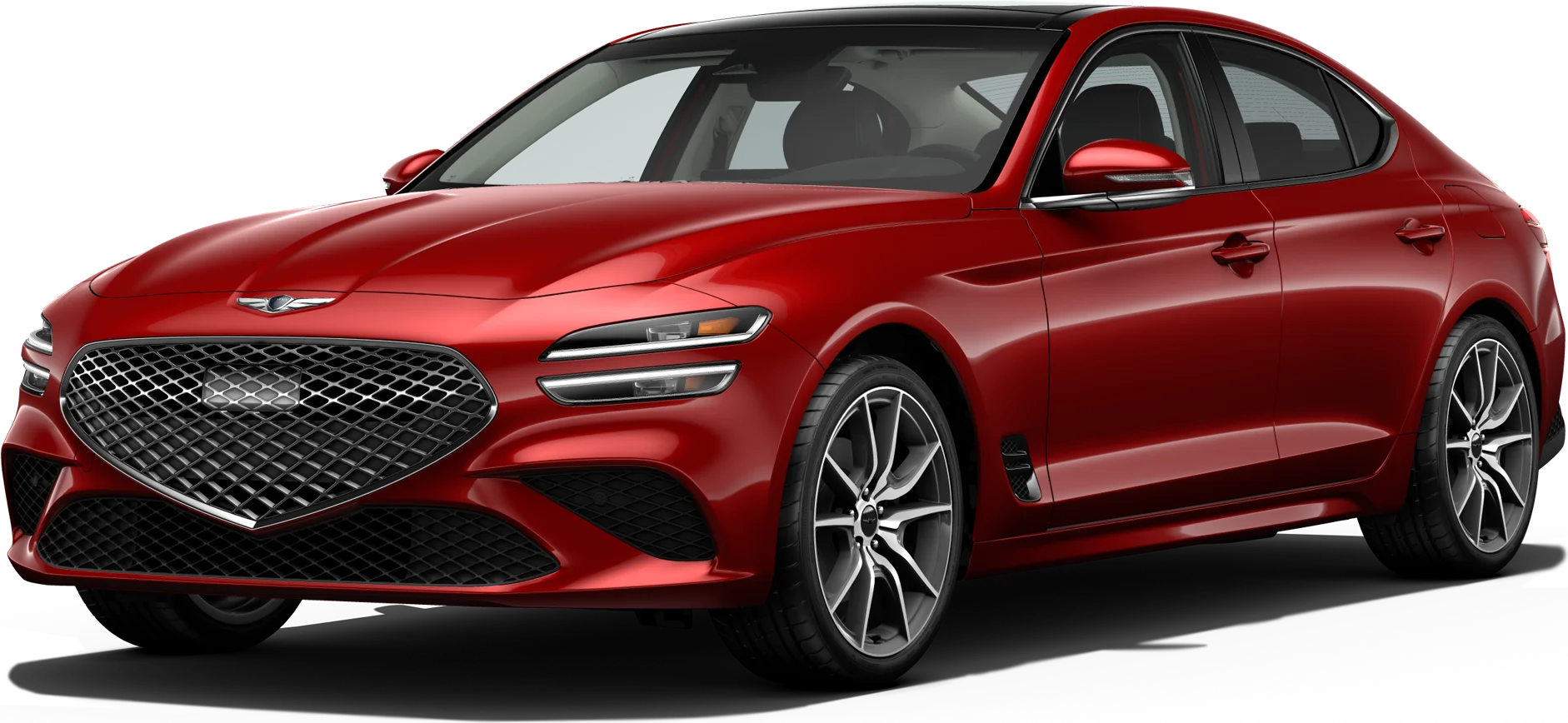
- Volvo S6023
- BMW 3 Series34
- Genesis G7057
- Ford Mustang129
- Toyota Camry364
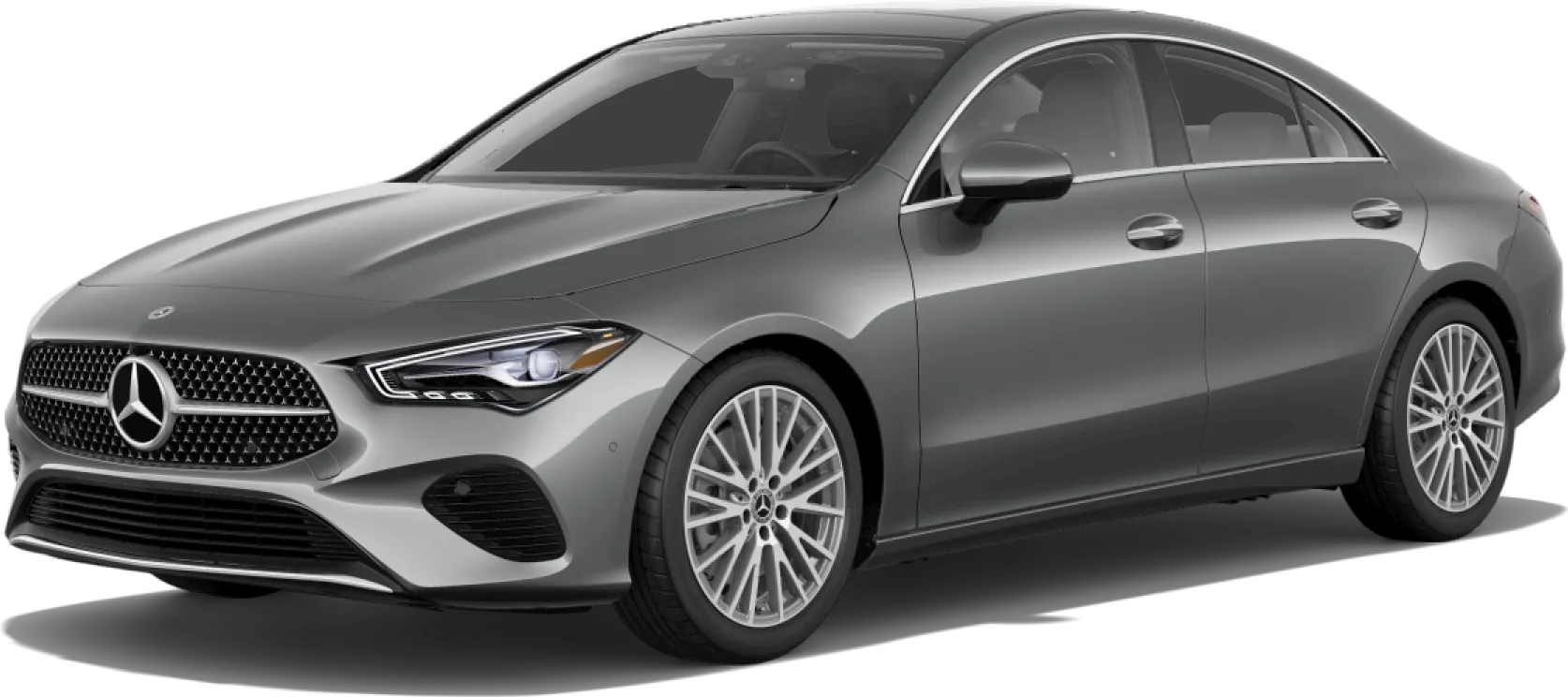
- Mercedes-Benz CLA523
- 2019 Tesla Model 3569