2019 Ford Mustang: What to check before buying
Owners have filed 129 complaints with NHTSA about this car, most about the engine, electrical, and transmission. The 9 checks below target those problems, in the order you would do them at the car.
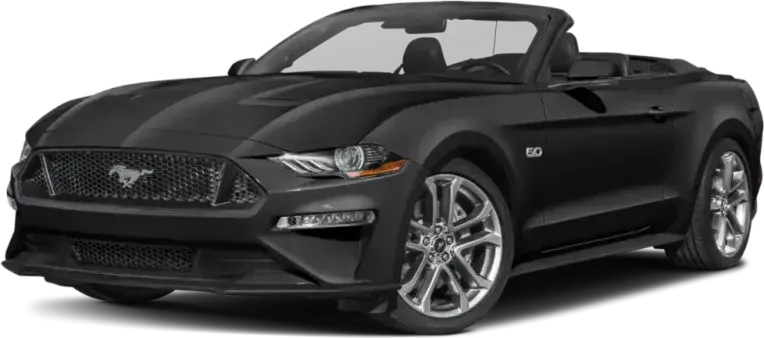 2019
- Owner complaints
- 129
- Recalls
- 4
- Crashes reported
- 3
- 1 injury
Your inspection sheet
Tick items off on your phone at the car, or print it. Ticks stay on this device.
0/9 checked
2019 Ford Mustang: inspection sheet
Paperwork and questions
Before you go, or before you touch the car0/2
Walk-around and cabin
Engine off, key in hand0/1
Cold start, engine bay, and underside
Ask the seller not to warm the car up first0/3
Test drive
At least 20 minutes, with some highway0/3
These checks are specific to this model year. For tires, body panels, fluids, and the other basics every used car needs, use the general inspection guide.
Which Mustang is it?
EPA figures for each version of the 2019 Ford Mustang. Use them to confirm you are looking at the version that was advertised, and as a yardstick on the test drive.
| Version | Drive | EPA rating |
|---|---|---|
| 2.3L 4-cyl | RWD | 25 mpg |
| 5.0L 8-cyl | RWD | 19 mpg |
- The 2019 Ford Mustang was sold in two versions. Confirm which one this is from the window sticker, the engine cover, or the VIN report before you compare prices.
- Reset the trip computer at the start of the drive. A Mustang that averages well under the EPA 19 mpg combined on a mixed route may have an engine or tire problem.
Check the odometer against these mileages
Owners report these failures starting around the mileages below. A car inside one of these ranges deserves a closer look at that part, or records showing it was already fixed.
EcoBoost coolant intrusion, head gasket
26,000–88,000 miles
Why these checks: what owners reported
NHTSA complaints for the 2019 Ford Mustang, grouped by the part owners named. Open a row to read what goes wrong.
Engine38No crashes
Coolant leaks into the cylinders of the 2.3L EcoBoost, usually into cylinders 2, 3, or 4. Warning signs include rough cold starts, shaking at idle, misfire codes, and falling coolant. Some cars lose power or stumble at highway speed. Reported failures run from 26,000 to 86,000 miles, often just after warranty ends. Dealers quote head gasket work or a full engine, with estimates near $11,000. Owners call it a known design flaw. Isolated reports include a GT350 that locked up at 450 miles and repeat oil pressure switch failures.
Coolant intrusion is the main failure here. Coolant drops between oil changes, white smoke comes from the exhaust at startup, and misfires return after new spark plugs and coils. Dealers then diagnose a damaged head gasket or call for engine replacement. Reported failures range from 54,807 to 130,000 miles. One owner linked the failure to Customer Satisfaction Program 21N12. Separate reports describe lifter or cam phaser ticking with idle drops, and an external coolant pipe leak at 16,600 miles.
Electrical26No crashes
The digital instrument panel goes blank, sometimes while driving, and takes the speedometer and tachometer with it for several seconds. Some owners tie this to recall 19V076000, but many dealers cannot reproduce it. Power windows lower on their own, or the short-drop feature fails to raise the glass, and window motors get replaced more than once. Backup camera images flicker, distort, or show as unavailable. Other reports describe the passenger door unlatching at speed, total electrical shutdowns, and driver-assist systems dropping out, which some owners link to campaign 22V382000.
Transmission24No crashes
The 10-speed automatic shifts hard, clunks, slips, or hesitates and then lurches. A few cars stall at a stop or creep forward without throttle. One dealer traced a jolt at 15 to 30 mph to an internal clutch drum leak. Manual-transmission owners describe harsh, imprecise shifts. Many complaints in this category actually describe EcoBoost head gasket and coolant intrusion failures. Others concern campaign 22V382000, with blacked-out gauges, missing gear indicators, and failed cameras. One dealer refused that recall on a supercharged car.
Steering51 crash
Power steering assist cuts out, which makes turning hard. In some cases the wheel jerks the opposite way, and one car left the road. The usual repair is a new steering rack, and one shop could not get the part. Other complaints describe grinding at low speed that grows louder, and stability control, traction control, and ABS warnings that appear and clear on their own. One crash with an injury involved a spin on a curve at about 15,000 miles.
Body and structure5No crashes
The passenger door partly unlatches while driving. A door-ajar chime sounds, and the driver has to pull over to reclose it. Reports put it anywhere from 20 to 40 mph up to 60 to 75 mph, sometimes several times a week, and it gets more frequent over time. Owners say earlier Mustangs were recalled for door latches but this year was not included. One complaint describes a factory gap in the front bumper under the passenger headlight that dealers refuse to fix.
Wheels and tires5No crashes
The outer shells of the lug nuts swell, so standard wrenches no longer fit and tires cannot be rotated or changed at the roadside. Dealers replace the lug nuts, sometimes all 16, and owners say it is a common Ford problem, even in dry climates. Other complaints describe uneven tire wear from bad alignment that a dealer would not cover because of aftermarket wheels, and tire failures that a dealer diagnosed as slashing.
Door latches and locks3No crashes
Front doors unlatch on their own while driving, often after a bump or at 70 to 75 mph. The door opens slightly and a door-ajar warning comes on. Some doors can be pushed open from inside without using the handle. Dealers say the car is not covered by campaign 17V652000. In one case the dealer said a related campaign expired in November 2025. None of these cars were repaired.
Seat belts2No crashes
Both front seat belts are slow to retract or do not retract at all. One dealer diagnosed a delayed retractor and recommended replacing both belts at about 46,791 miles. The only other report in this category is mostly unrelated. It describes wrong GPS directions, repeated dead batteries, and windows found open after parking, with only a passing mention of seat belt warnings.
In owners' own words
Excerpts from complaints Mustang owners filed with NHTSA, as written. Listen for the same symptoms on your test drive.
While driving at approximately 40 MPH, my vehicle briefly sputtered, and the check engine light was on. The vehicle seemed to return to normal functionality afterward, but upon inspection at a FORD dealership, I was informed that coolant intrusion had caused damage to the engine. As a result, I was advised that the engine needs to be replaced. There are many others that have complained about this problem and to solution. My car has 81.5k miles on it.
Filed with NHTSA, September 2024
Coolant intrusion into cylinder 2 at 26,000 miles. Was told by mechanic this is due to thin cylinder wall design between cylinder 2 and 3. And the thin coolant channel cut between them. A new engine block manufactured after 2020 was recommended because the engine design was changed to fix this issue. My warranty expired 4 months prior so I had to fix myself.
Filed with NHTSA, August 2025
The backup camera often is not available, or the screen is badly distorted, cuts in and out, or image looks like ghost. There was a recall for 2015 to 2018 Mustang, but my 2019 Mustang EcoBoost Convertible Premium does the exact same thing as the 2015 to 2018 Mustang. I took it to the dealer for repairs, and was told that it is not covered by the recall. I tried to fix the problem myself, but it still happens at times.
Filed with NHTSA, November 2023
The component that failed on my ecoboost mustang 2019 was a failed design in the motor called the head gasket. The head gaskets broke and started leaking coolant into the engine. The engine has 39,000 miles
Filed with NHTSA, January 2026
Vehicle was purchased new in 2019 and in 2022 my transmission started with harsh gear changes which resulted in a reprogram/relearn of the transmission. As of May 2025 my transmission is doing the same and has now caused my vehicle to stall while at a red light. In addition to this I have not seen any warning signs or check engine lights.
Filed with NHTSA, June 2025
Power steering went out. Made turning very difficult. Then when you would turn either way it would jerk the steering wheel the opposite way. Caused me to run off the road. Car was towed to repair shop. According to repair shop the rack is not available my car has been in the shop almost a month. The labor is 4 hours but there is no available parts to repair it.
Filed with NHTSA, July 2024
How the 2019 compares with other Mustang years
Complaints for this year next to the average for the other model years, area by area.
The 2019 ranks fourth for owner complaints among 8 Mustang years, close to the average of the others. Newer years have had less time to collect complaints, so compare like with like.
- Engine388
- Electrical2635
- Transmission2420
- Steering55
- Body and structure54
- Wheels and tires50
Where the 2019 fits in the Mustang's history
Redesigns and mid-cycle updates change what can go wrong.
The 2019 is the fifth model year of the Mustang's sixth generation (2015–2023).
It includes the 2018 update.
What changed for 2018
- Minor exterior redesign
- Engine lineup revised, dropping V6
- Increase in horsepower for EcoBoost V8
Recalls to confirm (4)
Recall repairs are free at any Ford dealer, but the seller may never have had them done. Check each campaign number against the VIN.
25V572000Backup cameraSep 2025
Ford Motor Company (Ford) is recalling certain 2015-2019 Lincoln MKC, Mustang, F-350 SD, F-250 SD, F-450 SD, 2015-2017 Lincoln Navigator, Expedition, 2015-2018 Edge, Transit Connect, 2016-2019 F-550 SD, Transit, 2017-2019 Econoline, and 2019 Ranger vehicles. The rearview camera may display a distorted, inverted, or blank image when the vehicle is in reverse.
Risk: A rearview camera that displays an inverted, distorted, or blank image can reduce the driver’s view behind the vehicle, increasing the risk of a crash.
Fix: Dealers will inspect and replace the rearview camera as necessary, free of charge. Owner notification letters were mailed January 13, 2026. Ford owners will receive letters in phases, beginning January 2026 and May 2026. Owners may contact Ford customer service at 1-866-436-7332. Ford's number for this recall is 25S89. This recall expands previous NHTSA recall number 25V270. Vehicle Identification Numbers (VINs) involved in this recall will be searchable on NHTSA.gov beginning September 8, 2025.
25V442000Backup cameraJun 2025
Ford Motor Company (Ford) is recalling certain 2018-2022 Transit Connect, 2019-2020 MKZ, MKX, Edge, Continental, F-150, Nautilus, Fusion, 2019-2023 Ranger, Mustang, 2020-2021 EcoSport, Expedition, Navigator, 2020-2022 Escape, F-250 SD, Corsair, 2020-2023 Aviator, Transit, 2020-2024 Explorer, 2021-2024 Bronco Sport, and 2022-2024 Maverick vehicles. A software error may cause the rearview camera to display a blank image, or the image may remain on the display after the backing event has ended.
Risk: A rearview camera that displays a blank image can reduce the driver's view behind the vehicle. A rearview image that continues to be displayed after the vehicle is shifted out of reverse may distract the driver. Both of these situations can increase the risk of a crash.
Fix: Dealers will update the rearview camera software, free of charge. Owner notification letters were mailed September 4, 2025. Owners may contact Ford customer service at 1-866-436-7332. Ford's number for this recall is 25S72.
22V382000TransmissionMay 2022
Ford Motor Company (Ford) is recalling certain 2019-2020 Mustang vehicles equipped with 5.0L engines and manual transmissions. The Powertrain Control Module (PCM) may broadcast an unintended faulted signal to the modules controlling the reverse camera, reverse light, and driver assist features, which may disable all of these functions.
Risk: A rearview camera or reverse light that is disabled reduces the driver's rear view, increasing the risk of a crash. Disabled driver assist features (traction control, forward collision warning, blind spot warning, cross traffic indicator) may increase the risk of a crash.
Fix: Dealers will update the PCM software, free of charge. Owner notification letters were mailed June 15, 2022. Owners may contact Ford customer service at 1-866-436-7332. Ford's number for this recall is 22S37.
19V076000ElectricalFeb 2019
Ford Motor Company (Ford) is recalling certain 2019 Ford Mustang, Lincoln Nautilus, and Lincoln Navigator vehicles. At vehicle start-up, the Instrument Panel Cluster Assembly (IPC) may not function, showing a blank display. As a result, these vehicles fail to comply with Federal Motor Vehicle Safety Standard (FMVSS) number 101, "Controls and Displays.".
Risk: A blank instrument cluster will not show important information like vehicle speed, fuel or temperature level, or safety system warnings. Driving with an inoperative cluster can increase the risk of a crash.
Fix: Ford has notified owners, and dealers will reprogram the Instrument Panel Cluster Assembly (IPC), free of charge. The recall began March 8, 2019. Owners may contact customer service at 1-866-436-7332. Ford's number for this recall is 19C03.
Also looking at these instead of a Mustang?
Cars shoppers compare with the Ford Mustang, with their own 2019 checklists.
2019 owner complaints, side by side
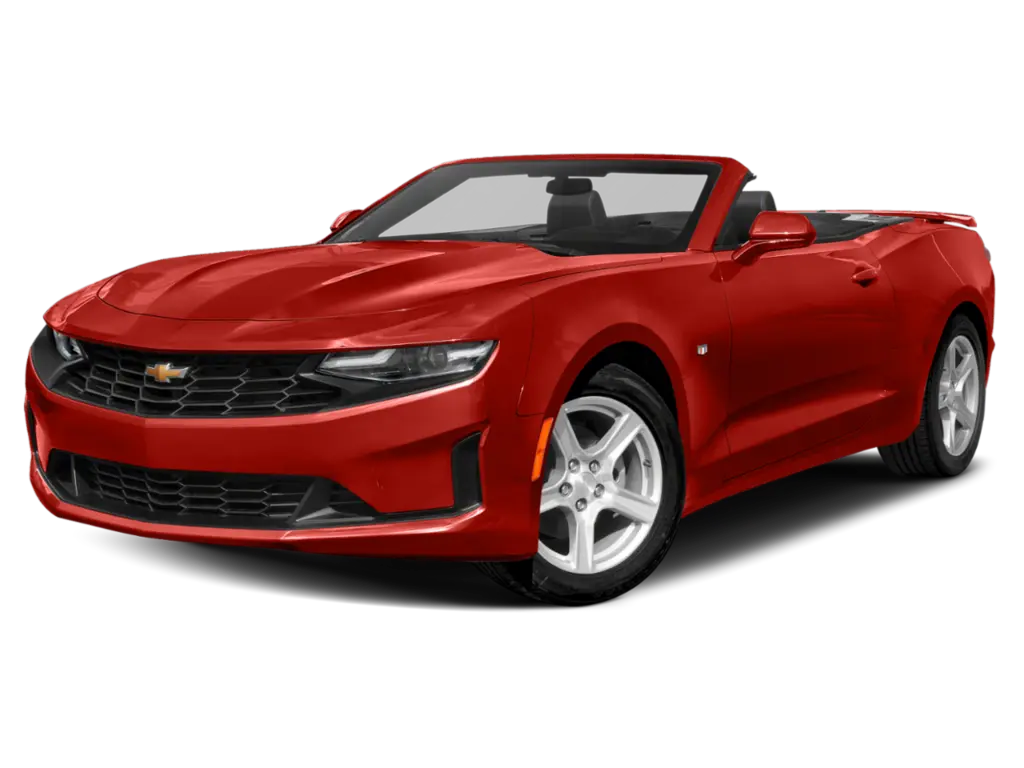
- Chevrolet Camaro48
- 2019 Ford Mustang129
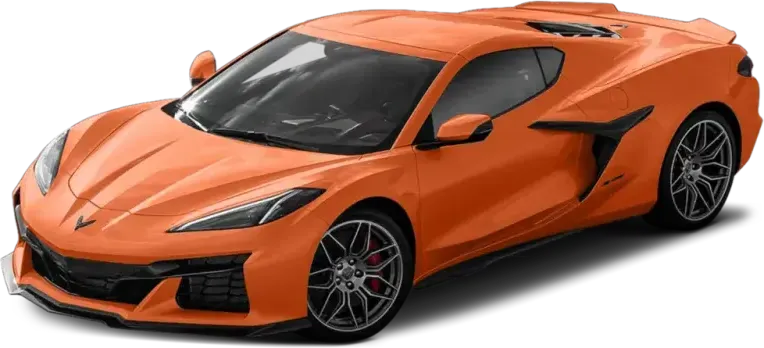
- Chevrolet Corvette145
- Nissan Altima230
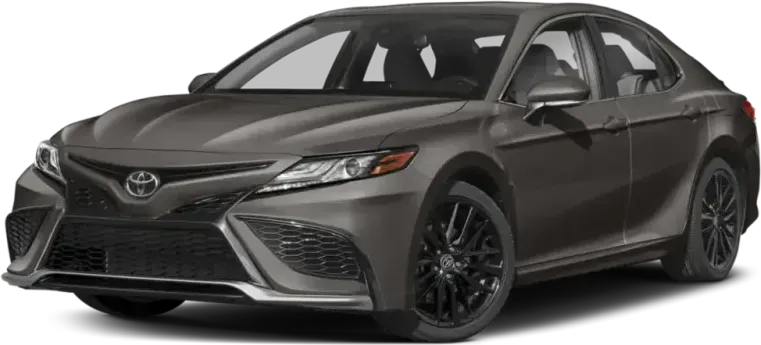
- Toyota Camry364
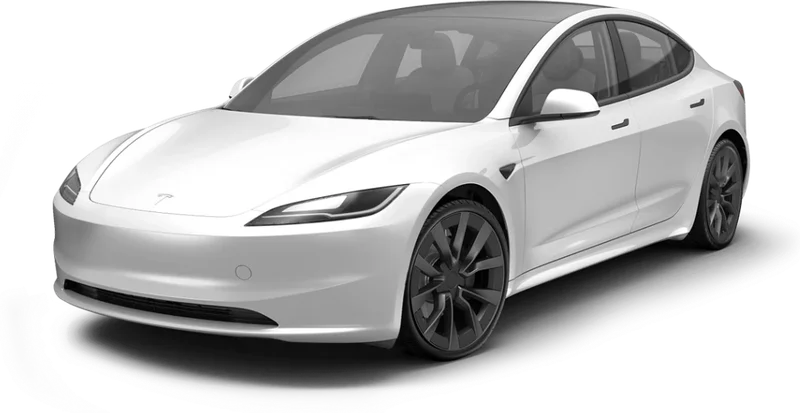
- Tesla Model 3569
- Honda Accord574