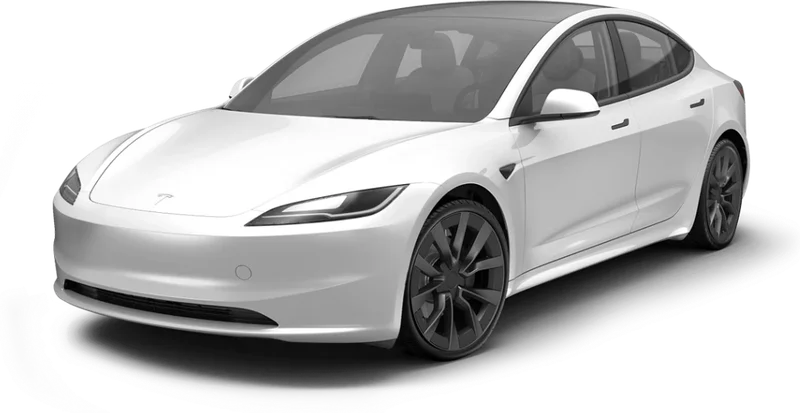
2018 Tesla Model 3: What to check before buying
Owners have filed 951 complaints with NHTSA about this car, most about the electrical, suspension, and airbags. The 9 checks below target those problems, in the order you would do them at the car.
 2018
- Owner complaints
- 951
- Recalls
- 18
- Crashes reported
- 100
- 40 injuries
Your inspection sheet
Tick items off on your phone at the car, or print it. Ticks stay on this device.
0/9 checked
2018 Tesla Model 3: inspection sheet
Paperwork and questions
Before you go, or before you touch the car0/3
Walk-around and cabin
Engine off, key in hand0/2
Cold start, engine bay, and underside
Ask the seller not to warm the car up first0/1
Test drive
At least 20 minutes, with some highway0/3
These checks are specific to this model year. For tires, body panels, fluids, and the other basics every used car needs, use the general inspection guide.
Which Model 3 is it?
EPA figures for each version of the 2018 Tesla Model 3. Use them to confirm you are looking at the version that was advertised, and as a yardstick on the test drive.
| Version | Drive | EPA rating |
|---|---|---|
| Electric | AWD, RWD | 310 mi range |
- With a full charge, the range estimate on the dash should land near the EPA figure of 310 miles. A much lower number on a mild day can mean a worn battery; ask for a battery health report.
Check the odometer against these mileages
Owners report these failures starting around the mileages below. A car inside one of these ranges deserves a closer look at that part, or records showing it was already fixed.
Power conversion system charging failure
30,000–32,000 miles
Front control arm and ball-joint wear
33,500–60,000 miles
Why these checks: what owners reported
NHTSA complaints for the 2018 Tesla Model 3, grouped by the part owners named. Open a row to read what goes wrong.
Electrical13911 crashes
Charging stops working when the power conversion system fails. Owners report this around 30,000 to 32,000 miles and say Tesla would not cover it under warranty. The touchscreen blacks out, sometimes again after repeated repairs. The backup camera can go blank or lag in reverse, and some owners link that to parking-lot collisions. A dead 12V battery can leave the car unresponsive with no warning, and one injury report describes a driver trapped because the electronic door latch would not open. Several crash reports involve Autopilot or Full Self-Driving missing barriers or stopped traffic.
Suspension1288 crashes
Front suspension parts wear out early. Creaking, clunking, and grinding at low speed lead to replacement of upper control arms, ball joints, and lateral or compliance links, often between 33,500 and 60,000 miles. Out-of-warranty bills run from about $1,300 to $2,100, and some owners say resealing the ball joints only delayed the problem. Several crash and fire reports blame snapped ball joints and broken lower arms, but they come from third parties looking at salvage-auction photos, not from the owners. Control arm failure with no warning light is the main loss-of-control risk.
Airbags11113 crashes
Airbags fail to deploy in serious crashes, including side impacts and T-bone collisions, and several of these reports involve injuries. A separate fault, RCM_a056 for the front passenger restraint system, appears on the screen at random and disappears for days at a time. Repair quotes range from $500 to $2000 and can mean replacing both the seat sensor and the airbag. Owners just past 60,000 miles report that coverage ended at that mark. Many crash reports filed here actually describe sudden acceleration while parking.
Automatic emergency braking8812 crashes
Phantom braking is the most common complaint. The car brakes hard or warns of a collision with nothing ahead, often near overpasses, at hill crests, or on open highway, and one such stop caused whiplash. The opposite failure also happens: automatic emergency braking does not react to stopped cars or objects. Crash reports describe Autopilot or Full Self-Driving steering into guardrails, barriers, or oncoming traffic with almost no time for the driver to react. Some owners also complain that the 23V-838 recall software disables Autosteer when they were not misusing it.
Steering716 crashes
Most of these complaints describe front suspension wear felt through the steering wheel: clunking, popping, squealing, binding, and pulling to one side. Upper control arms get replaced at roughly 29,000 to 55,000 miles, sometimes more than once. One estimate for control arms, bushings, and a steering rack came to nearly $6000. Power steering can also lock up after parking and show a UI a020 error until the car is reset. Crash reports include sudden spins on wet roads, a control arm failure that caused a wreck, and a cracked front subframe found after the owner heard noise.
Acceleration and cruise control6015 crashes
Sudden unintended acceleration while parking or stopped is the dominant pattern, and 15 of the 60 reports involve crashes. Drivers describe the car surging at what felt like full power into garages, storefronts, poles, and other cars. Many say their foot was on the brake and the brakes felt like they did nothing. Several say Tesla never explained what happened or sent them the driving data they asked for. A smaller group reports Autopilot and automatic emergency braking failing to stop for slowing traffic in stop-and-go driving.
Brakes517 crashes
Phantom braking on Autopilot or adaptive cruise control is the most frequent complaint. The car stops hard at highway speed with no traffic nearby, sometimes several times on one trip, and owners say service finds nothing wrong. Crash reports describe the brake pedal failing to slow the car, usually during low-speed parking or along with sudden acceleration. On high-mileage cars, rusted brake lines leak fluid and trigger a low brake fluid warning. Owners report this on early 2018 builds, including one at 107,000 miles.
Body and structure388 crashes
Chrome on the exterior door handles peels and leaves a sharp edge that cuts fingers. It shows up most often on the rear driver's side handle, and several of these reports involve injuries. Out of warranty, owners are quoted $270 to $350 per handle. In cold weather the handles can also stick in the open position. The rear doors have no manual releases, and owners worry passengers could be trapped after a crash. Other reports include a hood that flew open after a service visit and a cracked frame found at about 89,700 miles.
In owners' own words
Excerpts from complaints Model 3 owners filed with NHTSA, as written. Listen for the same symptoms on your test drive.
The horn has failed. It started failing around 40,000 miles, and has completely died now at 147000. I am aware of many other horns that have died on MY 2018 vehicles, and apparently they don't consider it a big deal. They're replacing it (which I have to pay for), and apparently they charge everyone for it. If these really are failing like crazy, these should be a safety recall.
Filed with NHTSA, August 2022
Heater suddenly stopped working. Will not produce any heat or defrost windshield. Passenger/Driver safety affected by lack of warmth in extreme cold and visibility while driving with iced windshield. 35,000 miles on well maintained vehicle w no damage or accidents. Dealer states that resistance heater and wire harness will need replaced. No cause identified.
Filed with NHTSA, March 2023
The ball joint and control arms in the front start squeaking just after warranty ends at 50k miles. Eventually this could lead to it locking up and causing an accident. This needs to be a covered recall, since all 2018 tesla model 3 cars experience this. When researching I found out how much of a problem this is and itvwill cost over 1000 dollars to fix.
Filed with NHTSA, August 2022
Front suspension components needed to be replaced, vehicle was out of warranty and had only 43000 miles. These parts should last for much longer the 4 years and 43000 miles. No incident, but car squeaked at all speeds. Repair cost was $1600
Filed with NHTSA, December 2023
Driver Side Supplemental Restraint system reported an issue and need for service. Service department blames faulty electrical harness under the seat. A search of the web shows this is a common failure, leading me to believe that it is a design or a quality control issue. Tesla declines to repair under warranty because warranty expired 610 miles prior to notification.
Filed with NHTSA, July 2022
Airbag failed at 60k miles requiring a replacement. This is a known- safety issue, Tesla has corrected this problem in later cars, and Tesla should issue a recall to correct. I have error codes RCM_a015 and RCM_a014
Filed with NHTSA, January 2024
October 12, 2024. I was using the Tesla on autopilot. I was in the far right lane and the freeway was curving to the left. The car was following in the lanes, but then all of a sudden it stopped following the freeway and drove into the right guardrail. There were no alerts by the car. It did not warn to take over the vehicle or attempt to avoid the collision. The car drove directly into the guardrail without warning and was totalled.
Filed with NHTSA, March 2025
Vehicle failed to detect object in HOV lane while traveling at 73 mph north on I-280. Vehicle impacted object with no warning or braking, causing car to become airborne and resulting in $19000 in damages. Note: please use ZIP code as password to access the insurance report (CSAA attachment)
Filed with NHTSA, December 2022
How the 2018 compares with other Model 3 years
Complaints for this year next to the average for the other model years, area by area.
The 2018 has the most owner complaints of the 9 Model 3 years we cover, about 2.5 times the average of the others. Newer years have had less time to collect complaints, so compare like with like.
- Electrical13934
- Suspension12811
- Airbags11115
- Automatic emergency braking8894
- Steering7136
- Acceleration and cruise control6056
Where the 2018 fits in the Model 3's history
Redesigns and mid-cycle updates change what can go wrong.
The 2018 is the second model year of the Model 3's first generation (2017–2023).
Tesla updated the Model 3 for 2021, so a 2018 does not have those changes.
What changed for 2021 (not on a 2018)
- Black finish on door handles and trim
- Addition of heat pump
- Redesigned center console
- Quieter double-pane glass
Recalls to confirm (18)
Recall repairs are free at any Tesla dealer, but the seller may never have had them done. Check each campaign number against the VIN.
24V935000Wheels and tiresDec 2024
Tesla, Inc. (Tesla) is recalling certain 2024 Cybertruck, 2017-2025 Model 3, and 2020-2025 Model Y vehicles. The tire pressure monitoring system (TPMS) warning light may not remain illuminated between drive cycles, failing to warn the driver of low tire pressure. As such, these vehicles fail to comply with the requirements of Federal Motor Vehicle Safety Standard number 138, "Tire Pressure Monitoring Systems.".
Risk: Driving with improperly inflated tires increases the risk of a crash.
Fix: Tesla released an over-the-air (OTA) software update, free of charge. Owner notification letters were mailed February 15, 2025. Owners may contact Tesla customer service at 1-877-798-3752. Tesla's number for this recall is SB-24-00-018.
24V376000Seat beltsMay 2024
Tesla, Inc. (Tesla) is recalling certain 2012-2024 Model S, 2015-2024 Model X, 2017-2023 Model 3, and 2020-2023 Model Y vehicles. In the event of an unbelted driver, the seat belt warning light and audible chime may not activate as intended. As such, these vehicles fail to comply with the requirements of Federal Motor Vehicle Safety Standard number 208, "Occupant Crash Protection.".
Risk: A seat belt warning system that fails to alert occupants of an unbelted seat belt can increase the risk of injury during a crash.
Fix: Tesla will release an over-the-air (OTA) software update. Owner notification letters were mailed July 26, 2024. Owners may contact Tesla customer service at 1-877-798-3752. Tesla's number for this recall is SB-24-00-008.
24V153000Automatic emergency brakingFeb 2024
Tesla, Inc. (Tesla) is recalling certain 2013, 2018-2021 Model S, 2020-2021 Model X, 2018-2022 Model 3, and 2020-2022 Model Y vehicles. A factory reset muted the Pedestrian Warning System (PWS) sounds. As such, these vehicles fail to comply with the requirements of Federal Motor Vehicle Safety Standard number 141, "Minimum Sound Requirements for Hybrid and Electric Vehicles.".
Risk: Pedestrians may be unaware of an approaching vehicle if the PWS sounds are muted, increasing the risk of a crash.
Fix: Tesla released an over-the-air (OTA) software update, release 2023.44.30.14, free of charge. Owner notification letters were mailed April 27, 2024. Owners may contact Tesla customer service at 1-877-798-3752. Tesla's number for this recall is SB-24-00-006.
24V051000ElectricalJan 2024
Tesla, Inc. (Tesla) is recalling certain 2012-2023 Model S, 2016-2024 Model X, 2017-2023 Model 3, 2019-2024 Model Y, and 2024 Cybertruck vehicles. An incorrect font size is displayed on the instrument panel for the Brake, Park, and Antilock Brake System (ABS) warning lights. As such, these vehicles fail to comply with the requirements of Federal Motor Vehicle Safety Standard number 105, "Hydraulic and Electric Brake Systems" and 135, "Light Vehicle Brake Systems.".
Risk: Warning lights with a smaller font size can make critical safety information on the instrument panel difficult to read, increasing the risk of a crash.
Fix: Tesla began releasing an over-the-air (OTA) software update, free of charge. Owners may contact Tesla customer service at 1-877-798-3752. Tesla's number for this recall is SB-24-00-003.
23V838000ElectricalDec 2023
Tesla, Inc. (Tesla) is recalling 2012-2023 Model S, 2016-2023 Model X, 2017-2023 Model 3, and 2020-2023 Model Y vehicles equipped with all versions of Autosteer leading up to the version(s) that contains the recall remedy. In certain circumstances when Autosteer is engaged, the prominence and scope of the feature's controls may not be sufficient to prevent driver misuse of the SAE Level 2 advanced driver-assistance feature.
Risk: In certain circumstances when Autosteer is engaged, and the driver does not maintain responsibility for vehicle operation and is unprepared to intervene as necessary or fails to recognize when Autosteer is canceled or not engaged, there may be an increased risk of a crash.
Fix: Tesla will release an over-the-air (OTA) software update, free of charge. Owner notification letters were mailed February 10, 2024. Owners may contact Tesla customer service at 1-877-798-3752. Tesla's number for this recall is SB-23-00-008.
23V235000SuspensionMar 2023
Tesla, Inc. (Tesla) is recalling certain 2018-2019 Model 3 vehicles. The front suspension lateral link fasteners may loosen, allowing the lateral link to separate from the sub-frame.
Risk: A lateral link separation could shift the wheel alignment, causing instability and increasing the risk of a crash.
Fix: Tesla Service will tighten or replace the lateral link fasteners as necessary, free of charge. Owner notification letters were mailed May 30, 2023. Owners may contact Tesla customer service at 1-877-798-3752. Tesla's number for this recall is SB-23-31-001. This recall is an expansion of previous recall number 21V-835.
23V085000SteeringFeb 2023
Tesla, Inc. (Tesla) is recalling certain 2016-2023 Model S, Model X, 2017-2023 Model 3, and 2020-2023 Model Y vehicles equipped with Full Self-Driving Beta (FSD Beta) software or pending installation. The FSD Beta system may allow the vehicle to act unsafe around intersections, such as traveling straight through an intersection while in a turn-only lane, entering a stop sign-controlled intersection without coming to a complete stop, or proceeding into an intersection during a steady yellow traffic signal without due caution. In addition, the system may respond insufficiently to changes in posted speed limits or not adequately account for the driver's adjustment of the vehicle's speed to exceed posted speed limits.
Risk: FSD Beta software that allows a vehicle to exceed speed limits or travel through intersections in an unlawful or unpredictable manner increases the risk of a crash.
Fix: Tesla will release an over-the-air (OTA) software update, free of charge. Owner notification letters were mailed April 15, 2023. Owners may contact Tesla customer service at 1-877-798-3752. Tesla's number for this recall is SB-23-00-001.
22V798000Seat beltsOct 2022
Tesla, Inc. (Tesla) is recalling certain 2017-2022 Model 3 vehicles. The second-row left seat belt buckle and second-row center seat belt anchor may have been incorrectly reassembled during vehicle service.
Risk: An incorrectly reassembled seat belt anchor can impair the performance of the seat belt during a crash, increasing the risk of injury.
Fix: Tesla Service will inspect and reassemble the seat belt anchors as necessary, free of charge. Owner notification letters were mailed December 20, 2022. Owners may contact Tesla customer service at 1-877-798-3752. Tesla's number for this recall is SB-22-20-004.
22V702000Wipers and visibilitySep 2022
Tesla, Inc. (Tesla) is recalling certain 2017-2022 Model 3, 2020-2022 Model Y, and 2021-2022 Model S and Model X vehicles. The window automatic reversal system may not react correctly after detecting an obstruction. As such, these vehicles fail to comply with the requirements of Federal Motor Vehicle Safety Standard number 118, "Power-Operated Window Systems.".
Risk: A closing window may exert excessive force by pinching a driver or passenger before retracting, increasing the risk of injury.
Fix: Tesla will perform an over-the-air (OTA) software update of the automatic window reversal system, free of charge. Owner notification letters were mailed March 31, 2032. Owners may contact Tesla customer service at 1-877-798-3752. Tesla's number for this recall is SB-22-00-013.
22V263000ElectricalApr 2022
Tesla, Inc. (Tesla) is recalling certain 2018-2022 Model 3 Performance vehicles. The unit of speed (mph or km/h) may fail to display on the speedometer while in Track Mode. As such, these vehicles fail to comply with the requirements of Federal Motor Vehicle Safety Standard number 101, "Control and Displays.".
Risk: The driver may not know how fast the vehicle is traveling without the mph or km/h unit display, increasing the risk of a crash.
Fix: Tesla will perform an over-the-air (OTA) software update, free of charge. Owner notification letters were mailed June 17, 2022. Owners may contact Tesla customer service at 1-877-798-3752. Tesla's number for this recall is SB-22-00-008.
22V235000ElectricalApr 2022
Tesla, Inc. (Tesla) is recalling certain 2020-2022 Model Y, Model X, Model S, and 2017-2022 Model 3 vehicles. The Boombox function allows sounds to be played through an external speaker while the vehicle is in motion, which may obscure the Pedestrian Warning System (PWS) sounds. As such, these vehicles fail to comply with the requirements of Federal Motor Vehicle Safety Standard number 141, "Minimum Sound Requirements for Hybrid and Electric Vehicles.".
Risk: Pedestrians may be unaware of an approaching vehicle if the PWS sounds are obscured, increasing the risk of a crash.
Fix: Tesla will perform an over-the-air (OTA) software update that will disable the Boombox functionality when the vehicle is in Drive, Neutral and Reverse modes, including Summon and Smart Summon, free of charge. Owner notification letters were mailed June 6, 2022. Owners may contact Tesla customer service at 1-877-798-3752. Tesla's number for this recall is SB-22-00-003. Note: This recall supersedes recall 22V-063. Vehicles configured with Summon or Smart Summon and already remedied under 22V-063 will need to have the new remedy software installed.
22V169000Backup cameraMar 2022
Tesla, Inc. (Tesla) is recalling certain 2018-2019 Model S, Model X, and 2017-2020 Model 3 vehicles equipped with Autopilot Computer 2.5 and operating certain firmware releases. The rearview image may not immediately display when the vehicle begins to reverse. As such, these vehicles fail to comply with the requirements of Federal Motor Vehicle Safety Standard number 111, "Rear Visibility.".
Risk: A delayed rearview camera image reduces the driver's rear view, increasing the risk of a crash.
Fix: Tesla will perform an over-the-air (OTA) software update, free of charge. Owner notification letters were mailed May 17, 2022. Owners may contact Tesla customer service at 1-877-798-3752. Tesla's number for this recall is SB-22-00-004.
22V063000ElectricalFeb 2022
Tesla, Inc. (Tesla) is recalling certain 2020-2022 Model S, Model X, Model Y, and 2017-2022 Model 3 vehicles. The Boombox function allows sounds to be played through an external speaker while the vehicle is in motion, which may obscure the Pedestrian Warning System (PWS) sounds. As such, these vehicles fail to comply with the requirements of Federal Motor Vehicle Safety Standard number 141, "Minimum Sound Requirements for Hybrid and Electric Vehicles.".
Risk: Pedestrians may be unaware of an approaching vehicle if the PWS sounds are obscured, increasing the risk of a crash.
Fix: Tesla will perform an over-the-air (OTA) software update that will disable the Boombox functionality when the vehicle is in Drive, Neutral and Reverse modes, free of charge. Owner notification letters are expected to be mailed April 5, 2022. Owners may contact Tesla customer service at 1-877-798-3752. Tesla's number for this recall is SB-22-00-003. Note: This recall has been superseded by Recall 22V-235. Tesla's number for the new recall is SB-22-00-003.
22V045000ElectricalFeb 2022
Tesla, Inc. (Tesla) is recalling certain 2021-2022 Model S and Model X, 2017-2022 Model 3, and 2020-2022 Model Y vehicles. The audible chime may not activate when the vehicle starts and the driver has not buckled their seat belt. As such, these vehicles fail to comply with the requirements of Federal Motor Vehicle Safety Standard number 208, "Occupant Crash Protection.".
Risk: The driver may be unaware that their seat belt is not fastened, increasing the risk of injury during a crash.
Fix: Tesla will perform an over-the-air (OTA) software update, free of charge. Owner notification letters were mailed April 1, 2022. Owners may contact Tesla customer service at 1-877-798-3752. Tesla's number for this recall is SB-22-00-002.
22V037000ElectricalJan 2022
Tesla, Inc. (Tesla) is recalling certain 2016-2022 Model S and Model X, 2017-2022 Model 3, and 2020-2022 Model Y vehicles. The "rolling stop" functionality available as part of the Full Self-Driving (Beta) software may allow the vehicle to travel through an all-way stop intersection without first coming to a stop.
Risk: Failing to stop at a stop sign can increase the risk of a crash.
Fix: Tesla will perform an over-the-air (OTA) software update that disables the "rolling stop" functionality, free of charge. Owner notification letters were mailed March 28, 2022. Owners may contact Tesla customer service at 1-877-798-3752. Tesla's number for this recall is SB-22-00-001.
21V00D000ElectricalDec 2021
Tesla, Inc. (Tesla) is recalling all 2017-2020 Model 3 vehicles. The rearview camera cable harness may be damaged by the opening and closing of the trunk lid, preventing the rearview camera image from displaying.
Risk: A rearview camera that does not function reduces the driver's rear view, increasing the risk of a crash.
Fix: Tesla Service will inspect and install a guide protector and new cable harness as necessary, free of charge. Owner notification letters were mailed April 24, 2022. Owners may contact Tesla customer service at 1-877-798-3752. Tesla's number for this recall is SB-21-17-008.
21V846000Automatic emergency brakingOct 2021
Tesla, Inc. (Tesla) is recalling certain 2017-2021 Model S, Model 3, Model X, and 2020-2021 Model Y vehicles operating software version 2021.36.5.2. A communication error may cause false forward-collision warning (FCW) or unexpected activation of the automatic emergency brake (AEB) system.
Risk: Unexpected activation of the AEB system may cause the car to stop suddenly, increasing the risk of a crash.
Fix: Tesla Service has released an over-the-air (OTA) software update, free of charge. The recall began October 25, 2021. Owners may contact Tesla customer service at 1-877-798-3752. Tesla's number for this recall is SB-21-00-004.
21V389000Seat beltsMay 2021
Tesla, Inc. (Tesla) is recalling certain 2018-2020 Model 3 and 2019-2021 Model Y vehicles. One or both fasteners that secure the front seat shoulder belt to the b-pillar may not be properly attached.
Risk: An improperly attached fastener may prevent the seat belt system from performing as designed, increasing the risk of injury.
Fix: Tesla Service will inspect and repair both fasteners if necessary, free of charge. Owner notification letters were mailed July 23, 2021. Owners may contact Tesla customer service online by visiting www.tesla.com/support/contact or by calling 1-877-79-TESLA (or 1-877-798-3752). Tesla's number for this recall is SB-21-20-001.
Also looking at these instead of a Model 3?
Cars shoppers compare with the Tesla Model 3, with their own 2018 checklists.
2018 owner complaints, side by side
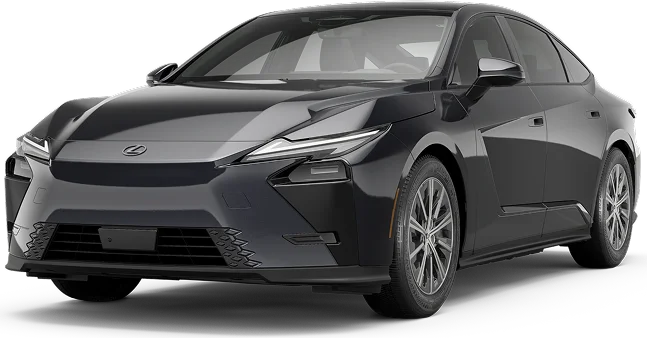
- Lexus ES10
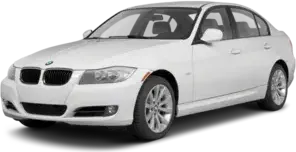
- BMW 3 Series58
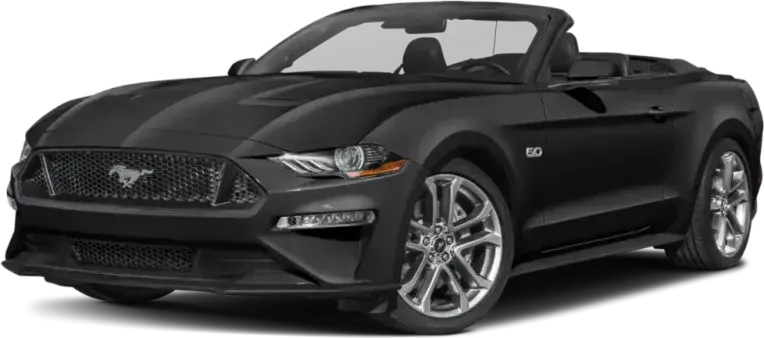
- Ford Mustang172
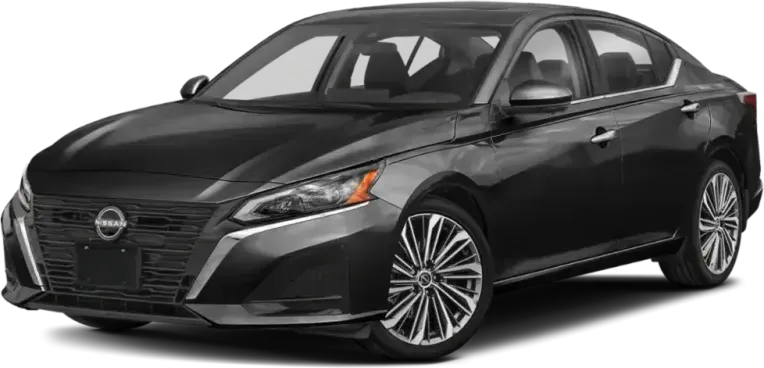
- Nissan Altima217
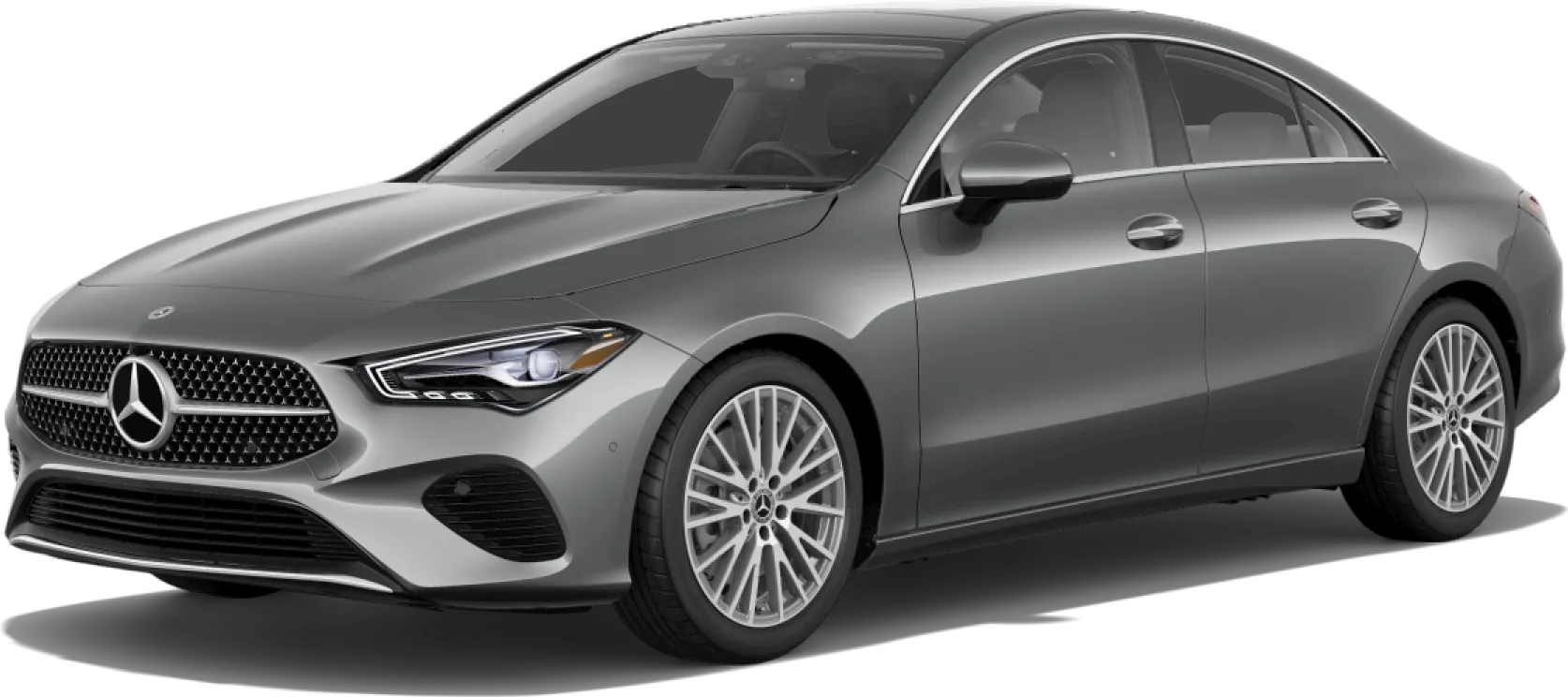
- Mercedes-Benz CLA529
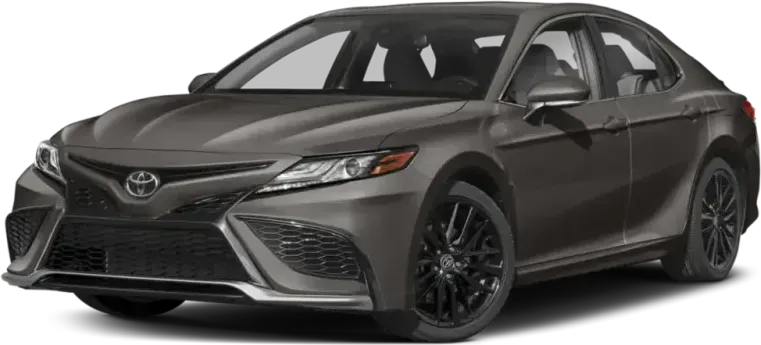
- Toyota Camry708
- 2018 Tesla Model 3951