2025 Tesla Model 3: What to check before buying
Owners have filed 87 complaints with NHTSA about this car, most about the steering, electrical, and acceleration and cruise control. The 9 checks below target those problems, in the order you would do them at the car.
 2025
- Owner complaints
- 87
- Recalls
- 3
- Crashes reported
- 15
- 4 injuries
Your inspection sheet
Tick items off on your phone at the car, or print it. Ticks stay on this device.
0/9 checked
2025 Tesla Model 3: inspection sheet
Paperwork and questions
Before you go, or before you touch the car0/2
Cold start, engine bay, and underside
Ask the seller not to warm the car up first0/2
Test drive
At least 20 minutes, with some highway0/5
These checks are specific to this model year. For tires, body panels, fluids, and the other basics every used car needs, use the general inspection guide.
Which Model 3 is it?
EPA figures for each version of the 2025 Tesla Model 3. Use them to confirm you are looking at the version that was advertised, and as a yardstick on the test drive.
| Version | Drive | EPA rating |
|---|---|---|
| Electric | AWD, RWD | 346–363 mi range |
- With a full charge, the range estimate on the dash should land near the EPA figure of 346–363 miles. A much lower number on a mild day can mean a worn battery; ask for a battery health report.
Why these checks: what owners reported
NHTSA complaints for the 2025 Tesla Model 3, grouped by the part owners named. Open a row to read what goes wrong.
Steering214 crashes
Power steering assist drops out, leaving a heavy wheel and a "Steering Assist Reduced" warning. Collision avoidance or FSD is sometimes disabled at the same time, and some cars were towed. One driver reports the wheel locking mid-turn and the car leaving the road. Other reports describe wheel shake traced to a loose outer tie rod nut or unbalanced tires, creaking when turning at low speed, and turn signal buttons that do not respond. Four of the 21 complaints involve crashes. Service has called some of these faults maintenance, normal behavior, or firmware.
Electrical115 crashes
Most of the 5 crash reports here involve unintended acceleration or sudden turns under Autopilot or Full Self-Driving, with impacts against curbs, parked cars, and a pole. In several of these crashes the air bags did not deploy. Other reports describe a total power blackout on the highway with the doors locked and braking and steering reduced, and a front drive inverter replaced at 9,526 miles. Turn signal buttons that work only some of the time and a horn that fails in rain also come up, and Tesla has not offered a lasting fix.
Acceleration and cruise control112 crashes
Sudden hard braking with nothing ahead, on highways and city streets, creates a rear-end collision risk. Drivers describe drops from 80 to about 50 mph, or nearly to a stop, on Autopilot, adaptive cruise, and once with neither engaged. A second pattern follows the FSD v14 update, which removed the manual max speed setting, so the car runs above posted limits in most driving profiles. Separate reports describe the car surging forward while parking or pulling away, and an uncommanded FSD turn. Two complaints involve crashes, one with an injury.
Automatic emergency braking7No crashes
The clearest pattern is phantom braking from freeway speed to almost a stop, with no vehicles nearby. The other reports are about FSD behavior: a sudden sharp turn toward the road edge at interstate speed, late and harsh braking for stopped traffic, creeping toward or running red lights, and tailgating at 70 to 80 mph. One owner reports that all cameras, navigation, and Autopilot stopped working after an over-the-air software update. None of these 7 complaints involves a crash.
Exterior lights4No crashes
Turn signals fail to come on when the steering wheel button is pressed, sometimes even after several presses. The failures are random and come and go. One owner puts it at about 5% of attempts, and some buttons feel stuck before they loosen up. Drivers also fault the button design itself. Canceling a signal is not intuitive because pressing the opposite button turns on that direction instead, and the buttons are easy to hit by accident or on the wrong side. None of these reports mentions a repair.
Brakes31 crash
Automatic emergency braking kicks in abruptly with nothing ahead, or so hard that a following car cannot stop in time. One report comes from the driver who rear-ended a Tesla during such a stop. A separate complaint describes an under-dash panel left of the steering column, held on by 2 magnets, falling onto the brake pedal of a brand-new car and blocking it. The driver stopped the car using regenerative braking. One of the 3 complaints involves a crash.
Body and structure3No crashes
These reports read more like service disputes than a shared failure. One owner describes alignment problems since delivery and recurring camera error codes, with a service appointment cancelled and no repairs done. Another describes the air conditioning blowing hot air and squealing at highway speed, then the car dropping into limp mode and being towed. Warranty coverage was then denied over body damage that the owner disputes. The third raises a design concern about the turn signal buttons and reports no actual failure.
Airbags22 crashes
In both reported crashes, nothing deployed. A near T-bone side impact from a car going 45 to 55 mph left the curtain and front bags undeployed, and the seatbelts reportedly did not lock. Two people were injured, and the car was a total loss. The other crash followed sudden acceleration into a garage, and the driver says the brake pedal was pressed the whole time.
In owners' own words
Excerpts from complaints Model 3 owners filed with NHTSA, as written. Listen for the same symptoms on your test drive.
Automatic emergency braking and steering is unavailable along with a few other features. Service center and car manufacturer not doing anything about it.
Filed with NHTSA, June 2025
Steering assist reduced, traction control disabled, stability control disabled. When trying to drive steering heavy and car coasts unless holding brake pedal, which is unusual for a Tesla at it normally auto holds. Traction control and stability control also disabled, unsafe to drive.
Filed with NHTSA, April 2025
Vehicle self drove took quick into an off ramp and took flight on cattle guard into a pole. The vehicle never attempted to make a emergency stop and no air bags deployed
Filed with NHTSA, October 2025
Hi, my car computer completly stop(complete blackout) on the highway, no power, all doors and window blooked, reduce brake and steering wheel capacity. I changed line and went to the side of the road, but in an intersection or other road type, that could have been so much worst results. No hard reset nothing put back the power of the car.
Filed with NHTSA, November 2024
Had ACC set on 80 MPH on the hiway yesterday. A vehicle was passing me and the Tesla suddenly applied heavy brake pressure to the point of tires screeching. Speed dropped very quickly to about 50 MPH. I had not touched the brake pedal. Brakes released and speed resumed to 80 MPH. VERY SCARY and high risk of rear end collision. Lucky nobody was behind me. Don’t want to experience that again.
Filed with NHTSA, August 2025
In the New Tesla update to Full Self Drive they removed the ability to adjust the speed control while using FSD yet state "Note: You are responsible for the speed and control of your vehicle at all times, whether FSD (Supervised) is enabled or not."
Filed with NHTSA, October 2025
After installing Tesla OTA software update 2024.45.32.15, my vehicle experienced critical system failures. Upon entering the car the next morning, I noticed that all cameras were non-functional, and navigation had completely stopped working. This posed a serious safety concern, as features like Autopilot, parking assistance, and basic visibility enhancements (such as rearview camera functionality) were unavailable.
Filed with NHTSA, February 2025
How the 2025 compares with other Model 3 years
Complaints for this year next to the average for the other model years, area by area.
The 2025 ranks eighth for owner complaints among 9 Model 3 years, well under the average of the others. Newer years have had less time to collect complaints, so compare like with like.
- Steering2142
- Electrical1150
- Acceleration and cruise control1163
- Automatic emergency braking7104
- Exterior lights42
- Brakes336
Recalls to confirm (3)
Recall repairs are free at any Tesla dealer, but the seller may never have had them done. Check each campaign number against the VIN.
25V690000ElectricalOct 2025
Tesla, Inc. (Tesla) is recalling certain 2025 Model 3 and 2026 Model Y vehicles. The battery pack contactors may fail, causing a loss of drive power.
Risk: A loss of drive power can increase the risk of a crash.
Fix: Tesla Service will replace the battery pack contactors, free of charge. Owner notification letters were mailed December 9, 2025. Owners may contact Tesla customer service at 1-877-798-3752. Tesla's number for this recall is SB-25-16-005.
25V002000Backup cameraJan 2025
Tesla, Inc. (Tesla) is recalling certain 2024-2025 Model 3, Model S, 2023-2025 Model X, and Model Y vehicles. The computer circuit board may short, resulting in the loss of the rearview camera image. As such, these vehicles fail to comply with the requirements of Federal Motor Vehicle Safety Standard (FMVSS) number 111, "Rear Visibility.".
Risk: A rearview camera that does not display an image reduces the driver's rear view, increasing the risk of a crash.
Fix: Tesla released an over-the-air (OTA) software update, free of charge. Tesla will also identify any vehicles that experienced a circuit board failure, or stress that may lead to a circuit board failure, and replace the affected computers, free of charge. Owner notification letters were mailed March 7, 2025. Owners may contact Tesla customer service at 1-877-798-3752. Tesla's number for this recall is SB-25-00-001.
24V935000Wheels and tiresDec 2024
Tesla, Inc. (Tesla) is recalling certain 2024 Cybertruck, 2017-2025 Model 3, and 2020-2025 Model Y vehicles. The tire pressure monitoring system (TPMS) warning light may not remain illuminated between drive cycles, failing to warn the driver of low tire pressure. As such, these vehicles fail to comply with the requirements of Federal Motor Vehicle Safety Standard number 138, "Tire Pressure Monitoring Systems.".
Risk: Driving with improperly inflated tires increases the risk of a crash.
Fix: Tesla released an over-the-air (OTA) software update, free of charge. Owner notification letters were mailed February 15, 2025. Owners may contact Tesla customer service at 1-877-798-3752. Tesla's number for this recall is SB-24-00-018.
Also looking at these instead of a Model 3?
Cars shoppers compare with the Tesla Model 3, with their own 2025 checklists.
2025 owner complaints, side by side
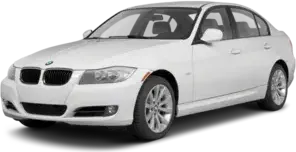
- BMW 3 Series1
- Genesis G701
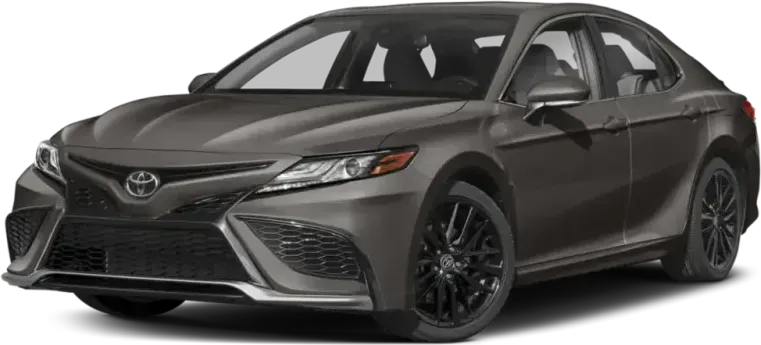
- Toyota Camry6
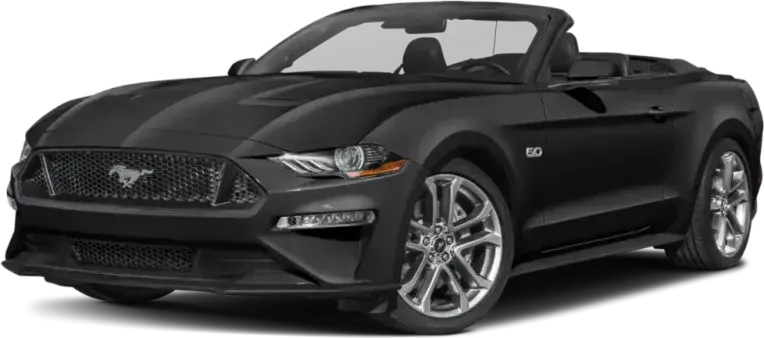
- Ford Mustang8
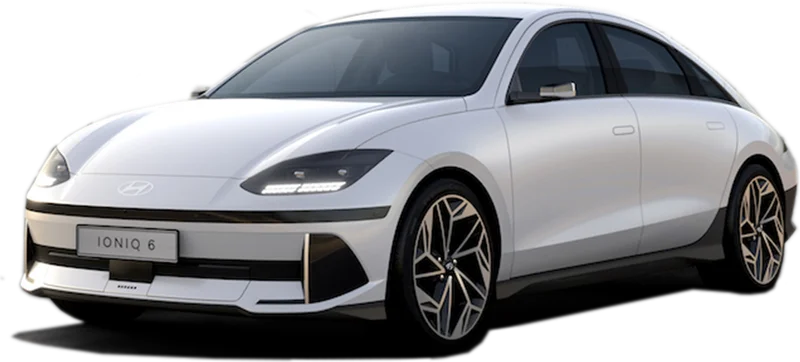
- Hyundai Ioniq 630
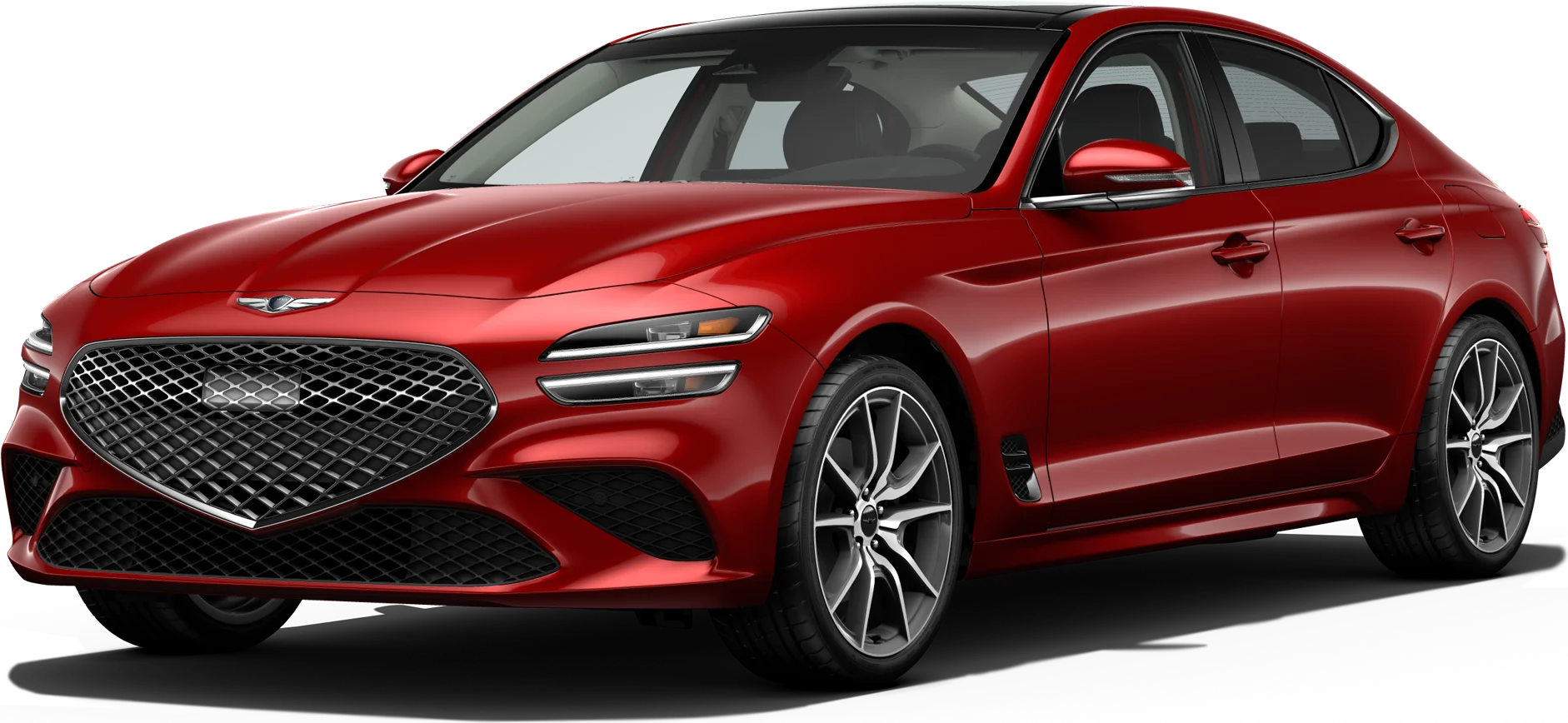
- 2025 Tesla Model 387
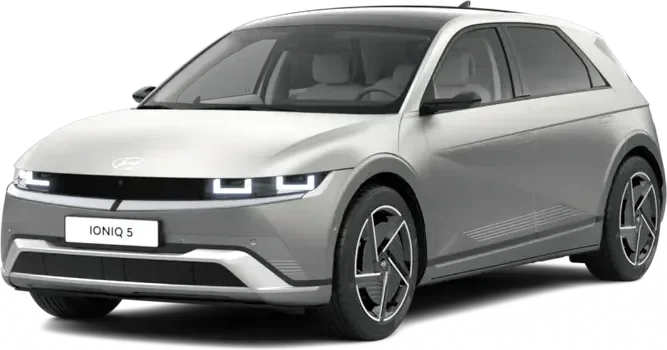
- Hyundai Ioniq 5158