Used Car Checklists

2020 Mazda CX-30: What to check before buying

Owners have filed 31 complaints with NHTSA about this car, most about the electrical, transmission, and body and structure. The 9 checks below target those problems, in the order you would do them at the car.

Mazda CX-302020
Owner complaints
31
Recalls
3
Crashes reported
1
Reliability
Good
64/100 on Auto Reliability Index

Run the VIN before you go

A history report shows accidents, title brands, odometer readings, and open recalls for this 2020 Mazda CX-30. Ask the seller for the VIN; it is also on the dash at the base of the windshield.

Your inspection sheet

Tick items off on your phone at the car, or print it. Ticks stay on this device.

These checks are specific to this model year. For tires, body panels, fluids, and the other basics every used car needs, use the general inspection guide.

Reported on other CX-30 years with the same design

These years share the 2020's design and most of its parts, so their problems are the ones to look for on this car too.

2021 CX-30

94 owner complaints
  • Engine 36
  • Electrical 9
  • Wipers and visibility 8

Worth adding to your 2020 checks

  • Pull the dipstick before the test drive and ask for service records showing oil top-offs between changes.
  • Ask the seller whether the low oil warning has ever come on, and get any dealer oil consumption records.
  • Sit in both front seats and look at straight lines through the windshield for waviness or distortion.
Open the 2021 checklist

2022 CX-30

28 owner complaints
  • Engine 6
  • Steering 4
  • Electrical 3

Worth adding to your 2020 checks

  • Pull the dipstick and compare the level to the last oil change date; a quart low suggests oil burning.
  • Ask for service records showing oil top-offs or dealer visits for low oil warnings.
  • Have a shop scan for stored ABS, brake, and forward collision fault codes.
Open the 2022 checklist

2023 CX-30

20 owner complaints
  • Brakes 3
  • Suspension 2
  • Wipers and visibility 2

Worth adding to your 2020 checks

  • Run the VIN through the federal recall database and get the brake service history from the dealer.
  • Creep through a parking lot at low speed, tap the brake, and confirm the car slows without lurching forward.
  • Hold the brake while shifting out of Park and into Reverse, and confirm the car does not surge.
Open the 2023 checklist

Which CX-30 is it?

EPA figures for each version of the 2020 Mazda CX-30. Use them to confirm you are looking at the version that was advertised, and as a yardstick on the test drive.

VersionDriveEPA rating
2.5L 4-cyl4WD, FWD27–28 mpg
  • Reset the trip computer at the start of the drive. A CX-30 that averages well under the EPA 27 mpg combined on a mixed route may have an engine or tire problem.

Why these checks: what owners reported

NHTSA complaints for the 2020 Mazda CX-30, grouped by the part owners named. Open a row to read what goes wrong.

  • Electrical5No crashes

    The car can lose all electrical power without warning and fail to start, with no response to the key fob and a dark dashboard. In some cases this keeps happening after a new battery and several dealer visits. Battery and engine warning lights can come on while driving, and the car can stop in the middle of the road. Repeated key fob failures are blamed for draining the battery and requiring jump starts. Loud speaker static that will not shut off shows up here too, and one report describes the odometer resetting to 9,999 miles.

  • Transmission3No crashes

    The automatic transmission can start shifting with jerky motions and then fail completely. One reported failure, at 66,000 miles, ended with the dealer condemning the unit. Another transmission failed at 6 months old, and its replacement also began failing within 4 years. A separate report describes a low oil pressure warning, strange noises, and the engine quitting within an hour during a long trip. These failures carry a loss-of-power risk and can leave a driver stranded far from help.

  • Body and structure3No crashes

    Doors and the rear hatch can be hard to open from inside. The driver door can stay stuck from the inside for several minutes with the engine on or off, and it has happened to the same car more than once. Opening the rear hatch from inside takes a flathead screwdriver. One report says the hatch release module is listed as retired with no replacement part available. The concern is that this could block escape after a crash.

  • Brakes3No crashes

    Automatic emergency braking can bring the car to a full stop with nothing ahead, including in the middle of busy multi-lane roads. One owner reports it happening 11 times. Dealers often cannot reproduce the fault, and the sudden stops create a clear risk of being hit from behind. A separate complaint describes the brakes taking about 2 seconds to engage when slowing for a highway exit, along with hesitation on acceleration, within weeks of purchase.

  • Engine2No crashes

    The low oil warning light comes on, sometimes along with real oil loss. One car with 24,000 miles needs a quart added every 1,000 to 2,000 miles. In other cases the light appears at random points during a drive, sometimes 10 to 20 minutes in and sometimes not at all on longer trips. No engine damage is reported in this group, but running low on oil is a risk if the level is not watched.

  • Suspension2No crashes

    Rear coil springs can snap during normal driving on flat roads with no warning light. One broke at about 33,000 miles, and the car could not be driven safely until it was replaced. Another spring failure came just outside the warranty. Front and rear brakes have also been reported worn to metal on metal before 30,000 miles, again found just after the warranty ended.

In owners' own words

Excerpts from complaints CX-30 owners filed with NHTSA, as written. Listen for the same symptoms on your test drive.

Body and structure
There is a module that should connect to the hatch door to open. That module in no longer available. Without the hatch door opening, in case of side impact and being pushed into something else, there is no way to get out of the car. This poses a serious safety hazard. I have contacted the Mazda dealership and I am told that the part is "retired" and there is no replacement part at this time.

Filed with NHTSA, November 2025

Body and structure
Driver door cannot be opened from inside with either engine ON or OFF. After I came home from work , I parked the car inside the garage and I could not get out of the car.It took me approximately 2-4 minutes.After that the car just opened. This is the second time in 4 months.

Filed with NHTSA, December 2022

Brakes
While driving across Speer Blvd in Denver, CO (6 lanes) the emergency assist brake engaged and brought my car to a complete stop. There were no cars or objects ahead of me and fortunately the cars behind me were able to stop.

Filed with NHTSA, June 2022

How the 2020 compares with other CX-30 years

Complaints for this year next to the average for the other model years, area by area.

The 2020 ranks second for owner complaints among 6 CX-30 years, close to the average of the others. Newer years have had less time to collect complaints, so compare like with like.

2020 Average of other years
  • Electrical55
  • Transmission31
  • Body and structure30
  • Brakes32
  • Engine28
  • Suspension20

Where the 2020 fits in the CX-30's history

Redesigns and mid-cycle updates change what can go wrong.

The 2020 is the first model year of the CX-30's first generation (2020–2024). First years of a redesign often carry teething problems that Mazda fixes in later years, so the checks above matter more than usual.

Should you avoid the first year of a redesign? See the 45-car study.

Recalls to confirm (3)

Recall repairs are free at any Mazda dealer, but the seller may never have had them done. Check each campaign number against the VIN.

  1. 21V086000Body and structureFeb 2021

    Mazda North American Operations (Mazda) is recalling certain 2020-2021 CX-30 vehicles. When fully opened, the power liftgate may partially lower unexpectedly when the vehicle is parked facing uphill on a slope.

    Risk: If the power liftgate unexpectedly lowers while a person is accessing the rear storage area of the vehicle, it can increase their risk of injury.

    Fix: Mazda will notify owners, and dealers will update the power liftgate control module software and inspect the serial number of the power liftgate drive unit, replacing it if necessary, free of charge. The recall began April 8, 2021. Owners may contact Mazda customer service at 1-800-222-5500 option 4. Mazda's number for this recall is 4621B.

  2. 20V346000BrakesJun 2020

    Mazda North American Operations (Mazda) is recalling certain 2020 CX-30 and Mazda3 vehicles. The front brake caliper mounting bolts may not have been tightened properly during assembly, possibly allowing the calipers to loosen.

    Risk: Loose brake calipers can reduce braking performance or interfere with wheel rotation, affecting vehicle handling. Either of these scenarios can increase the risk of a crash.

    Fix: Mazda will notify owners, and dealers will inspect the front brake caliper bolts, tightening them as necessary. If bolts are missing, the affected brake caliper will be replaced. Repairs will be performed free of charge. The recall began July 24, 2020. Owners may contact Mazda customer service at 1-800-222-5500, Option 4. Mazda's number for this recall is 4420F.

  3. 20V347000Fuel systemJun 2020

    Mazda North American Operations (Mazda) is recalling certain 2020 CX-30 vehicles equipped with all-wheel drive. The evaporative vent hose for the fuel tank may be disconnected, possibly allowing fuel to leak from the charcoal canister vent at the rear of the vehicle.

    Risk: A fuel leak in the presence of an ignition source may increase the risk of a fire. Additionally, the engine may stall while driving, increasing the risk of a crash.

    Fix: Mazda will notify owners, and dealers will inspect the evaporative vent hose in the fuel tank. If the hose is disconnected, it will be reconnected and the charcoal canister with some related parts will be replaced. Repairs will be performed free of charge. The recall began July 29, 2020. Owners may contact Mazda customer service at 1-800-222-5500, Option 4. Mazda's number for this recall is 4520F.

Also looking at these instead of a CX-30?

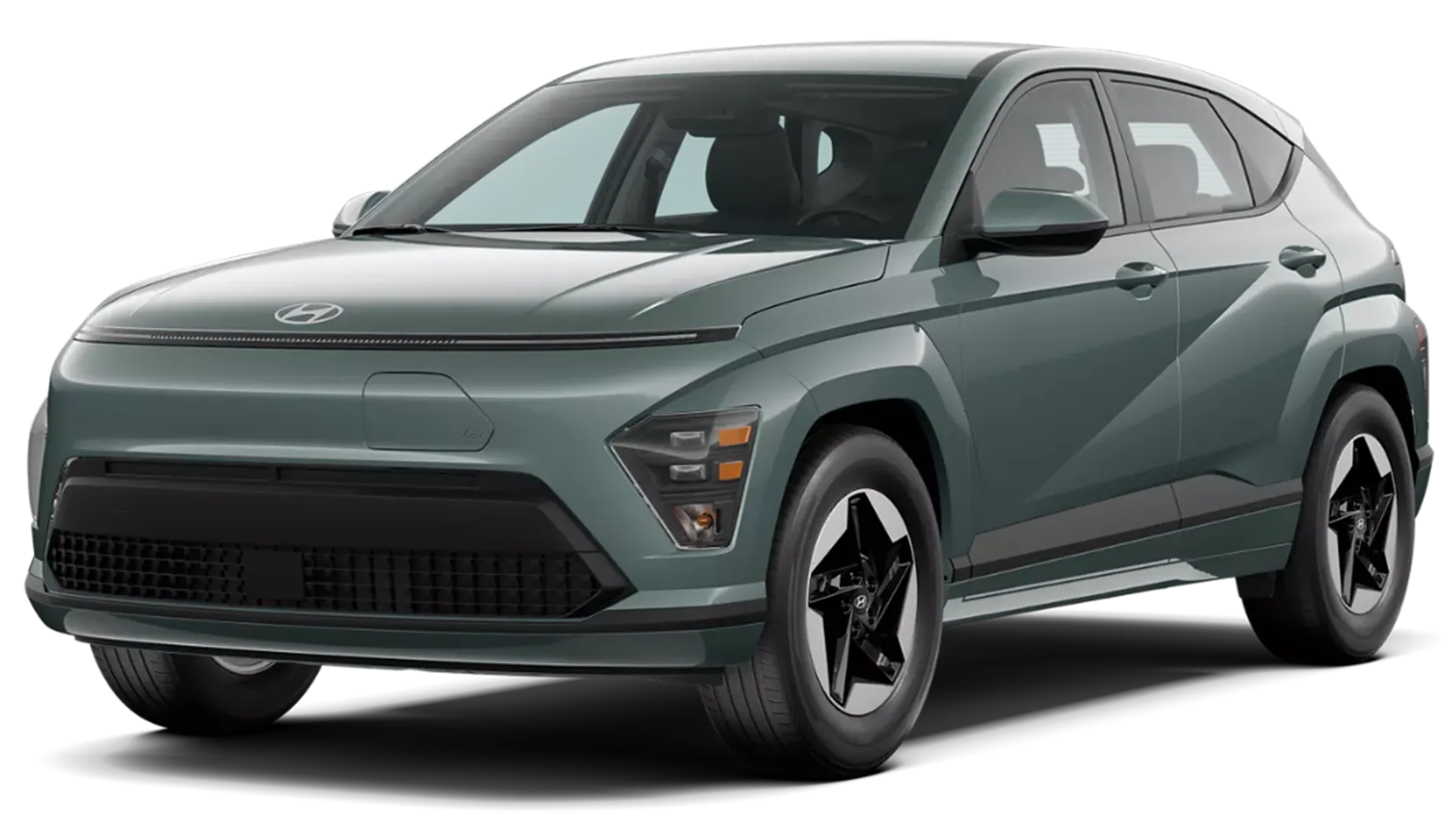
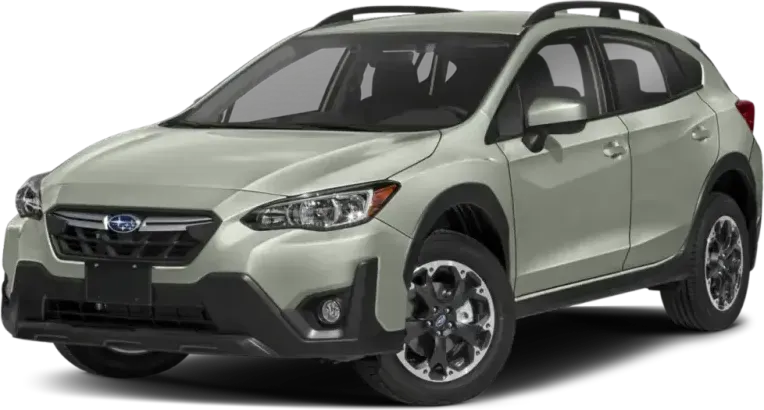
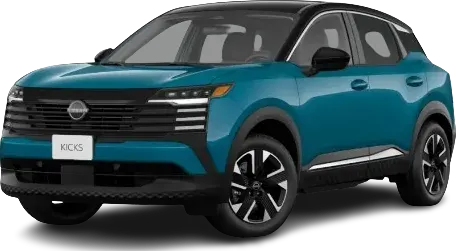
Cars shoppers compare with the Mazda CX-30, with their own 2020 checklists.