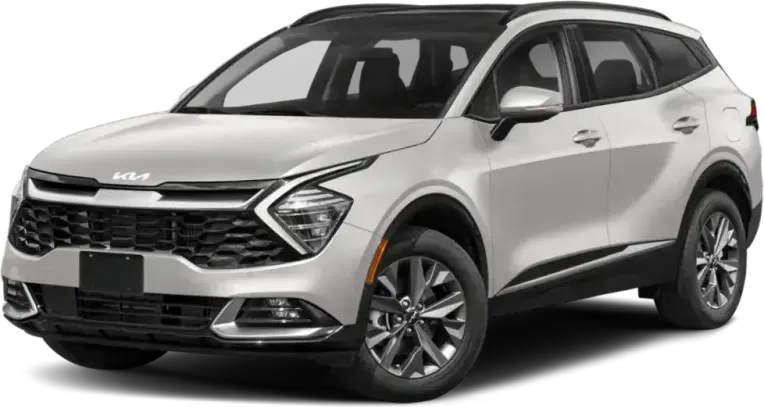
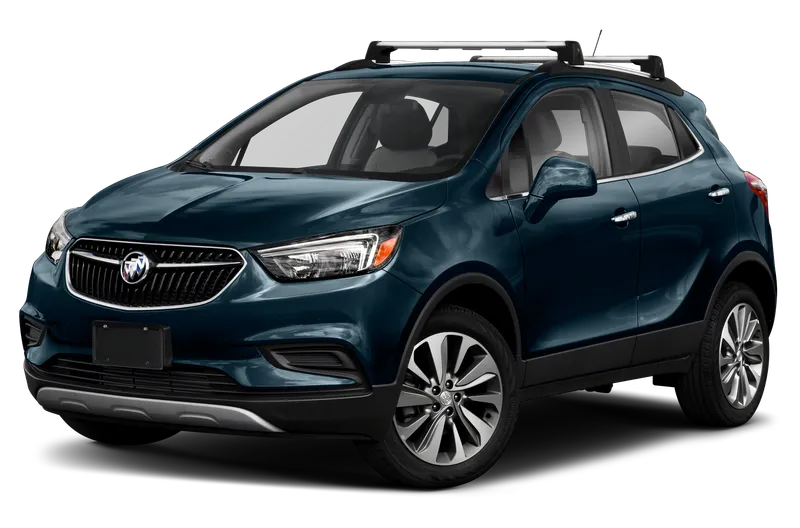
2020 Hyundai Kona: What to check before buying
Owners have filed 140 complaints with NHTSA about this car, most about the engine, electrical, and transmission. The 11 checks below target those problems, in the order you would do them at the car.
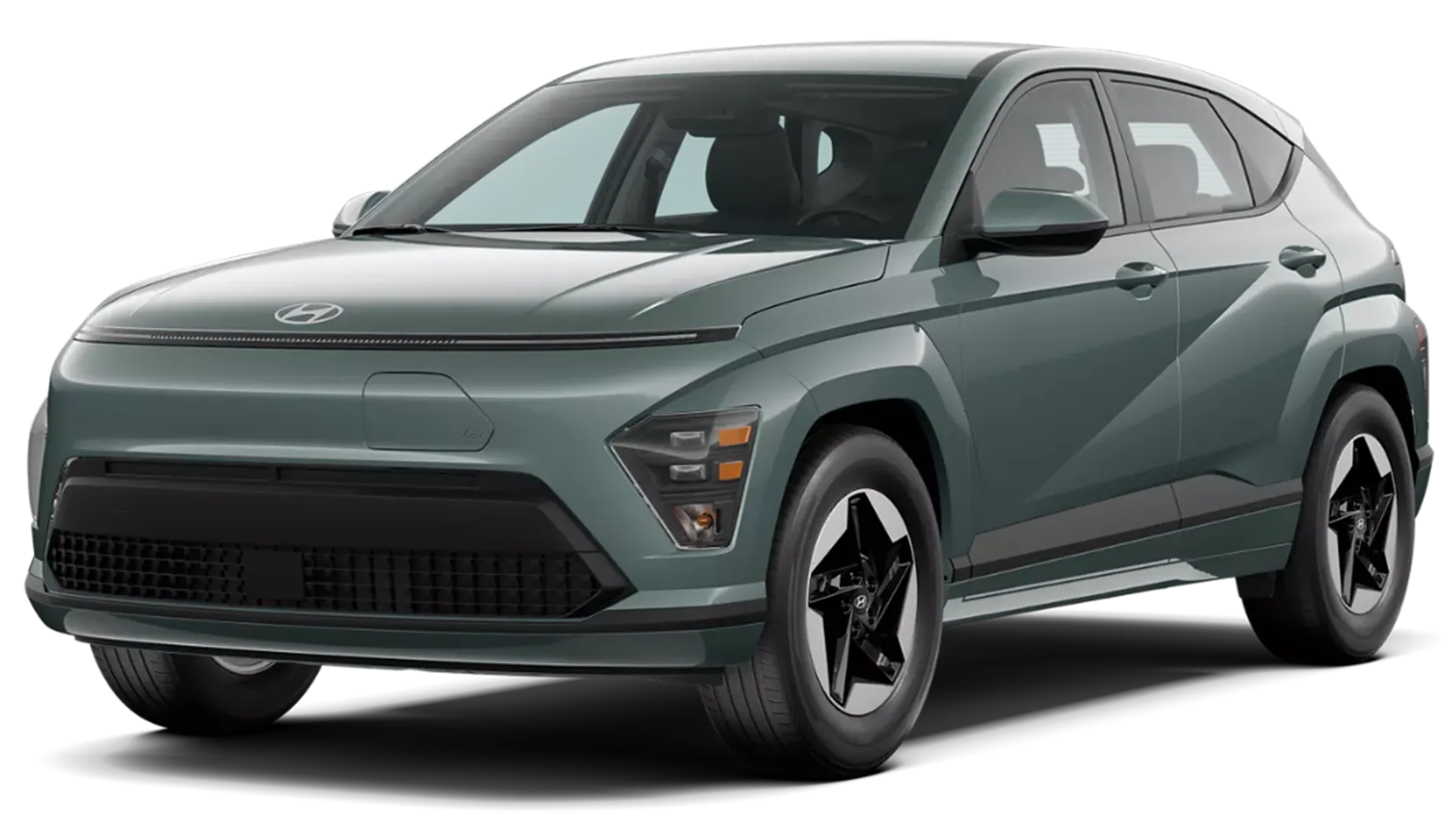 2020
- Owner complaints
- 140
- Recalls
- 5
- 2 urgent
- Crashes reported
- 7
- 11 injuries
Two recalls on this model year told owners to park outside until the repair was done.
Do not buy until you have dealer paperwork or a recall lookup showing they were completed for this VIN.
Your inspection sheet
Tick items off on your phone at the car, or print it. Ticks stay on this device.
0/11 checked
2020 Hyundai Kona: inspection sheet
Paperwork and questions
Before you go, or before you touch the car0/5
Walk-around and cabin
Engine off, key in hand0/1
Cold start, engine bay, and underside
Ask the seller not to warm the car up first0/3
Test drive
At least 20 minutes, with some highway0/2
These checks are specific to this model year. For tires, body panels, fluids, and the other basics every used car needs, use the general inspection guide.
Which Kona is it?
EPA figures for each version of the 2020 Hyundai Kona. Use them to confirm you are looking at the version that was advertised, and as a yardstick on the test drive.
| Version | Drive | EPA rating |
|---|---|---|
| 1.6L 4-cylGas | AWD, FWD | 27–30 mpg |
| 2.0L 4-cylGas | AWD, FWD | 28–30 mpg |
| Electric | FWD | 258 mi range |
- The 2020 Hyundai Kona was sold in three versions. Confirm which one this is from the window sticker, the engine cover, or the VIN report before you compare prices.
- With a full charge, the range estimate on the dash should land near the EPA figure of 258 miles. A much lower number on a mild day can mean a worn battery; ask for a battery health report.
Check the odometer against these mileages
Owners report these failures starting around the mileages below. A car inside one of these ranges deserves a closer look at that part, or records showing it was already fixed.
Engine knocking and failure
3,800–13,500 miles
Excessive engine oil consumption
10,000–22,000 miles
Transmission slipping and failure
13,000–20,000 miles
Why these checks: what owners reported
NHTSA complaints for the 2020 Hyundai Kona, grouped by the part owners named. Open a row to read what goes wrong.
Engine80No crashes
Oil disappears between changes, often with no oil warning light. Owners find the dipstick dry, then hear knocking, tapping, or rapping and feel hesitation. Some cars stall in traffic or on the freeway, and several need a new short block or engine. Most reports come from cars with roughly 4,600 to 22,000 miles. Many complaints are about the repair process: long waits for a recall fix, repeated oil consumption tests, and dealers declining engine replacement after a software vibration check passes.
Heavy oil use with no warning light shows up again here. Owners report knocking, tapping, or pinging, and dealers find the oil extremely low. Two reports involve a turbocharger diagnosed as faulty, including one at about 65,000 miles, and in one case the knocking continued after the turbo was replaced. Most of these cars were not repaired at the time of filing, and owners describe being sent away to run oil consumption tests.
Electrical24No crashes
Recall repair delays drive many of these reports. Kona Electric owners describe waiting months for a traction battery fix, with dealers saying parts are unavailable. Other complaints cover a 12-volt battery that keeps going dead, an instrument panel that goes black on the highway, and dash lights flashing followed by a sudden loss of throttle at speed. Dealers often cannot reproduce these faults. Scattered reports also mention a backup camera that never worked and headlight bulbs that keep burning out.
Transmission19No crashes
Hesitation from a stop is the main complaint. The dual-clutch transmission stutters, slips, or shifts hard between first and second gear, sometimes with a loud bang or grinding, and the car may fail to accelerate into traffic. Several drivers report near misses. Dealers often cannot duplicate the problem and offer a software update instead. Some cars also stall at stops. One report describes a fire odor after a replaced transmission failed again. One Kona Electric lost propulsion at highway speed after a "Check EV System" warning.
Steering71 crash
The car wanders between lanes at highway speed and needs constant correction, according to several reports. Others describe the car pulling unexpectedly during a lane change. An electric power steering warning light can flash intermittently, and dealers have been unable to duplicate it or pull a trouble code. A growling noise when turning the wheel led to a steering column replacement under warranty in one case. One crash report and one stalling complaint are also filed under this category.
Brakes6No crashes
Unwanted hard braking in freeway traffic is the most serious pattern. Automatic emergency braking or brake support locks the wheels when the driver is already slowing, and following vehicles have had to swerve onto the shoulder. One Kona Electric lost braking at 45 mph after a regenerative brake failure warning. Another report describes the brakes releasing below 10 mph, letting the car lurch forward, which a dealer technician confirmed. A constant scraping noise when braking also appears.
Automatic emergency braking4No crashes
False collision warnings trigger braking with nothing ahead, sometimes at highway speed, up to 70 mph. In some cases the car also gets stuck in 4th gear or goes into a fail-safe mode with a sharp loss of power, and the driver must pull over and restart. The problem recurs, in one case weekly, and repeat dealer visits have not fixed it. Some drivers turn the system off every time they start the car.
Acceleration and cruise control32 crashes
Sudden acceleration while pulling into a parking spot caused two crashes, with 4 people injured. In one, the car struck a house even though the driver braked. In the other, it jumped a curb and hit a store wall. A third report describes a loss of power that left the driver unable to accelerate and forced them off the road. The number of reports is small, but the outcomes are severe.
Airbags22 crashes
Airbags did not deploy in two side-impact crashes, and 4 people were injured. In one, the side curtain airbags stayed stowed and a passenger was severely hurt. In the other, the car was broadsided at an intersection by a driver who ran a red light. The driver's airbag deployed but the passenger airbag did not, and the passenger suffered head injuries including a brain bleed. Only two complaints exist, but both involve hospital-level injuries.
In owners' own words
Excerpts from complaints Kona owners filed with NHTSA, as written. Listen for the same symptoms on your test drive.
In December 2022 at 10,000 miles my engine would make knocking noises when idle and hesitate to excelerate before jumping, i took it to dealer and there was no oil on the dipstick. None of the warning lights ever Came on. They started an oil consumption test, did a chamber cleaning on the engine and finally after 3 months and 3,000 extra miles they tell me i need a new engine/ ridiculous a new car with 10,000 miles does this!!
Filed with NHTSA, August 2023
2020 Hyundai Kona wirh 22,000 miles, original owner, great condition(except oil usage). First consumption test used 3/4 qt. in 1,000 miles. Seems convenient that Hyundai says 1 qt & the dealership came up with 3/4 so there is no problem. BULL! No oil light came on to warn of low oil.
Filed with NHTSA, September 2025
many times a year, without warning, vehicle dash lights turn off and light up like a christmas tree, followed by fca warning sound and lights going off, and a loud mechanical thud. Lose engine throttle going highway speeds. This can occur at nearly any speed without warning. Car must be powered off and back on to get normalcy. This puts me, everyone in the car and everyone on the highway at risk. Dealership was not able to reproduce or pull error codes.
Filed with NHTSA, February 2026
My Car Has Had Problems With The Starter It Would Not Start At Times My Car Has Been Checked By Priority Acura On They My Starter Needed To Be Replaced At At Times My Car Has Trouble Picking Up Speed Consumer stated vehicle was diagnosed in June 8th, 2021. Today different issues occurring all windows not down at the same time and when 2 are down the car shakes.
Filed with NHTSA, July 2021
Transmission stutters and slips between 1-2k rpms, especially at low speeds and in stop and go traffic. I took my vehicle to the dealer. At less than 20,000 miles they said transmission wear is at 85%. Unacceptable performance and concerning that this will continue to degrade.
Filed with NHTSA, October 2023
When stopped at a light, I hit the gas and the car just sputtered. The car jolted and did not move, finally, hit the gas again it was able to move. It has happen before. My roommate's Dad told me I need to keep track of problem and file a report. I was told the injectors needed to be cleaned. I put injector cleaner into it, It seem to help but it happened again. It seems the dealer just says something needs to be cleaned.
Filed with NHTSA, September 2024
How the 2020 compares with other Kona years
Complaints for this year next to the average for the other model years, area by area.
The 2020 ranks second for owner complaints among 9 Kona years, about 1.7 times the average of the others. Newer years have had less time to collect complaints, so compare like with like.
- Engine8025
- Electrical2421
- Transmission1910
- Steering71
- Brakes62
- Automatic emergency braking41
Where the 2020 fits in the Kona's history
Redesigns and mid-cycle updates change what can go wrong.
The 2020 is the third model year of the Kona's first generation (2018–2023).
Hyundai updated the Kona for 2021, so a 2020 does not have those changes.
What changed for 2021 (not on a 2020)
- Exterior aesthetic changes
- Increased cargo capacity
- Increased rear seat legroom
- Added mild hybrid system for 1.0L engine
Recalls to confirm (5)
Recall repairs are free at any Hyundai dealer, but the seller may never have had them done. Check each campaign number against the VIN.
21V127000ElectricalPark outsideMar 2021
Hyundai Motor America (Hyundai) is recalling certain 2019-2020 Kona Electric and 2020 Ioniq Electric vehicles. The lithium-ion (Li-ion) battery may short-circuit.
Risk: An electrical short in the Li-ion battery increases the risk of a fire.
Fix: Owners are advised to park their vehicles outside and away from structures until the interim action is complete. Hyundai will notify owners, and as an interim action, owners have the option to follow provided instructions to perform a battery update through the vehicle's infotainment system or request a Hyundai dealer to provide the update. Once parts are available, dealers will inspect the Battery System Assembly (BSA), and replace it if necessary. Repairs will be performed free of charge. Owners were notified of the safety risk, and the interim action, with a letter mailed April 9, 2021. Final owner notification letters were mailed June 17, 2021. Owners may contact Hyundai customer service at 1-855-371-9460. Hyundai's number for this recall is 200.
20V630000ElectricalPark outsideOct 2020
Hyundai Motor America (Hyundai) is recalling certain 2019-2020 Kona Electric vehicles. The lithium-ion (Li-ion) battery may short-circuit.
Risk: An electrical short in the Li-ion battery increases the risk of a fire.
Fix: Hyundai will notify owners, and dealers will update the Battery Management System (BMS) software and inspect the Li-ion battery, replacing it if necessary, free of charge. Owners are advised to park their vehicles outside and away from structures until the repair is complete. The recall began November 13, 2020. Owners may contact Hyundai customer service at 1-855-371-9460. Hyundai's number for this recall is 196.
21V301000EngineApr 2021
Hyundai Motor America (Hyundai) is recalling certain 2019-2020 Elantra, 2019-2021 Kona and Veloster vehicles equipped with 2.0L Nu MPI engines. The piston oil rings may not have been properly heat-treated, which could result in engine damage.
Risk: A damaged engine may stall, increasing the risk of a crash. In addition, oil may leak onto hot exhaust components, increasing the risk of a fire.
Fix: Dealers will inspect and, if necessary, replace the engine, free of charge. In addition, Hyundai will deploy Piston Ring Noise Sensing System (PNSS) software. Owner notification letters were mailed August 24, 2021. Owners may contact Hyundai customer service at 1-855-371-9460.
20V748000BrakesDec 2020
Hyundai Motor America (Hyundai) is recalling certain 2019-2020 Nexo Fuel Cell and 2019-2021 Kona Electric vehicles. The Integrated Electronic Brake (IEB) system may detect an abnormal sensor signal and as a result, may significantly reduce braking performance.
Risk: Reduced braking power could lengthen the distance required to stop the vehicle, increasing the risk of a crash.
Fix: Hyundai will notify owners, and dealers will update the IEB software, free of charge. The recall began January 25, 2021. Owners may contact Hyundai customer service at 1-855-371-9460. Hyundai's number for this recall is 199.
20V022000EquipmentJan 2020
Hyundai Motor America (Hyundai) is recalling certain 2020 Kona vehicles. The certification label may indicate incorrect Gross Axle Weight Rating (GAWR). As such, these vehicles fail to comply with the requirements of Federal Motor Vehicle Safety Standard (FMVSS) numbers 567, "Certification" and 110, "Tire Selection and Rims.".
Risk: An incorrect GAWR could result in the vehicle being overloaded, increasing the risk of a crash.
Fix: Hyundai will notify owners, and dealers will install new label stickers displaying the correct GAWR over the affected areas of the certification label, free of charge. The recall began March 2, 2020. Owners may contact Hyundai customer service at 1-855-371-9460. Hyundai's number for this recall is 187.
Also looking at these instead of a Kona?
Cars shoppers compare with the Hyundai Kona, with their own 2020 checklists.
2020 owner complaints, side by side
- Buick Encore19
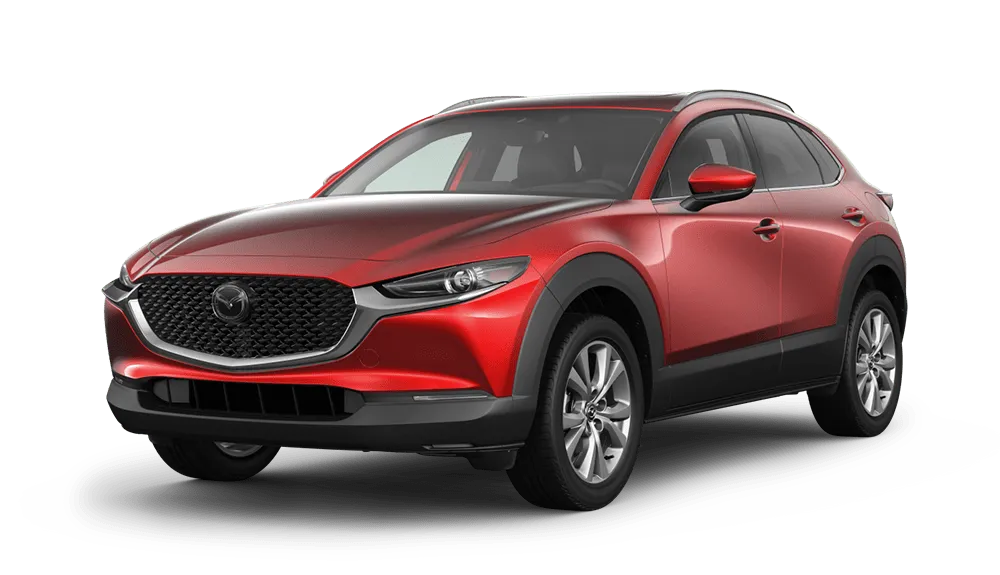
- Mazda CX-3031
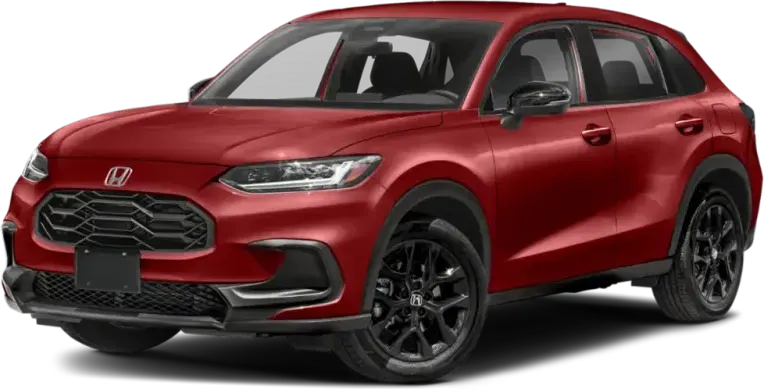
- Honda HR-V71
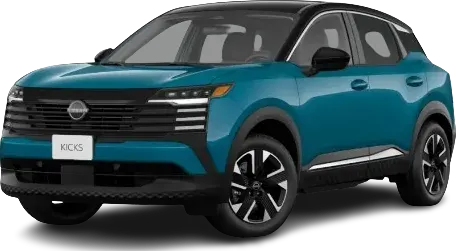
- Nissan Kicks85
- Kia Sportage139
- 2020 Hyundai Kona140
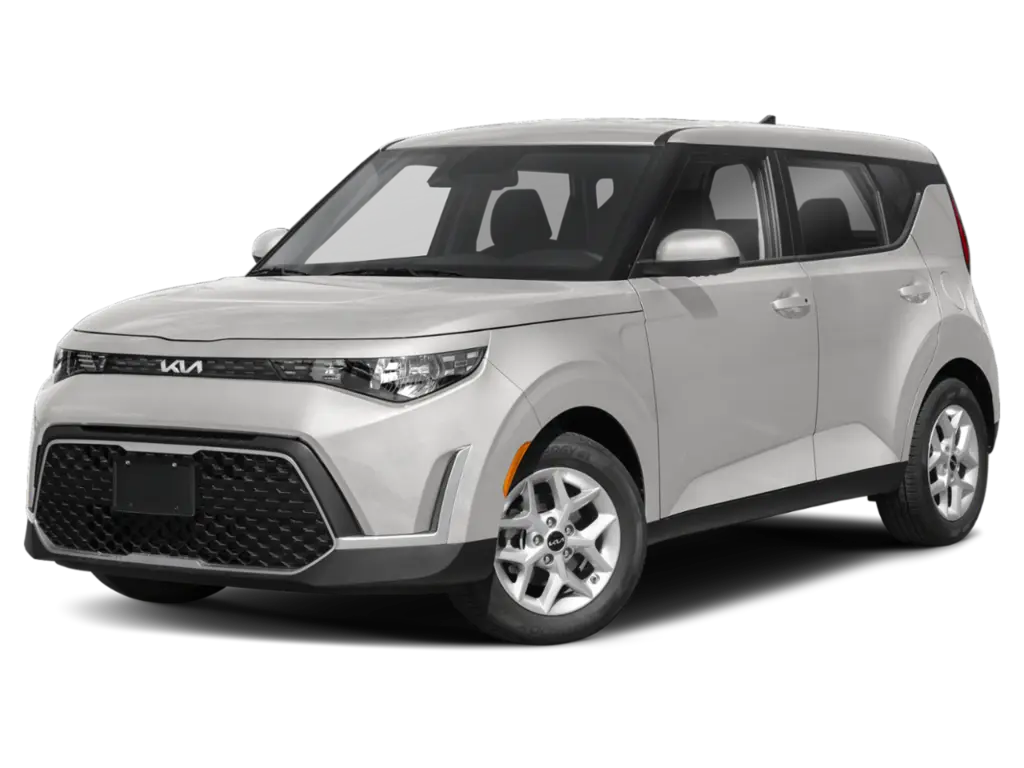
- Kia Soul338