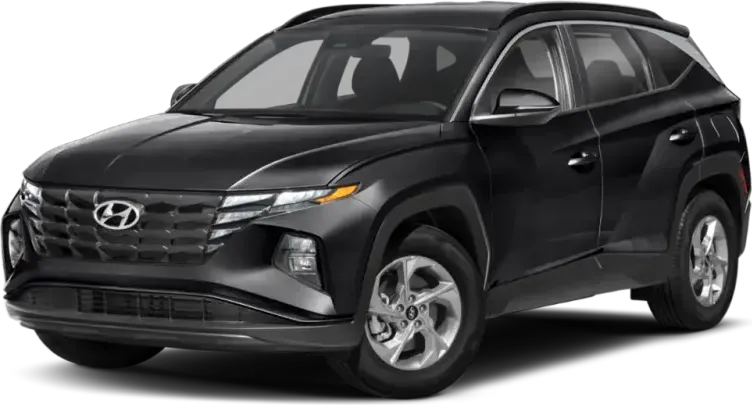
2021 Hyundai Tucson: What to check before buying
Owners have filed 58 complaints with NHTSA about this car, most about the engine, brakes, and electrical. The 9 checks below target those problems, in the order you would do them at the car.
 2021
- Owner complaints
- 58
- Recalls
- 1
- 1 urgent
- Crashes reported
- 2
- 7 injuries
One recall on this model year told owners to park outside until the repair was done.
Do not buy until you have dealer paperwork or a recall lookup showing it was completed for this VIN.
Your inspection sheet
Tick items off on your phone at the car, or print it. Ticks stay on this device.
0/9 checked
2021 Hyundai Tucson: inspection sheet
Paperwork and questions
Before you go, or before you touch the car0/4
Walk-around and cabin
Engine off, key in hand0/1
Cold start, engine bay, and underside
Ask the seller not to warm the car up first0/3
Test drive
At least 20 minutes, with some highway0/1
These checks are specific to this model year. For tires, body panels, fluids, and the other basics every used car needs, use the general inspection guide.
Which Tucson is it?
EPA figures for each version of the 2021 Hyundai Tucson. Use them to confirm you are looking at the version that was advertised, and as a yardstick on the test drive.
| Version | Drive | EPA rating |
|---|---|---|
| 2.0L 4-cyl | AWD, FWD | 23–25 mpg |
| 2.4L 4-cyl | AWD, FWD | 23–25 mpg |
- The 2021 Hyundai Tucson was sold in two versions. Confirm which one this is from the window sticker, the engine cover, or the VIN report before you compare prices.
- Reset the trip computer at the start of the drive. A Tucson that averages well under the EPA 23 mpg combined on a mixed route may have an engine or tire problem.
Why these checks: what owners reported
NHTSA complaints for the 2021 Hyundai Tucson, grouped by the part owners named. Open a row to read what goes wrong.
Engine20No crashes
Sudden power loss at highway speed is the dominant failure. The check engine light flashes, the engine knocks or rattles, and the car drops into limp mode, sometimes capped near 50 mph. Dealers often diagnose rod bearing failure and call for a new engine. Many reports describe heavy oil consumption first, with oil missing from the dipstick between changes. Owners say warranty claims were denied after oil consumption tests, or that their car did not qualify for the existing recall. Two reports involve fires under the hood, one with injuries.
Brakes9No crashes
Most reports concern the recall for the anti-lock brake module, which can short internally and start an engine compartment fire. Owners describe back-ordered parts, dealers booked for months, and instructions to park outdoors and away from structures while they wait. A smaller set describes real braking faults: a hissing noise and soft pedal at low speed near 60,000 miles traced to a bad tone ring, weak vacuum assist after shutdown that makes starting difficult, and brakes that seem to stick and block acceleration. In the tone ring case, no warning light came on.
Electrical7No crashes
A flashing check engine light for the knock sensor sends the car into limp mode at highway speed, even after sensor updates and replacements. Many other reports concern the anti-lock brake module fire recall, citing back-ordered parts, cars sold with the known flaw, and dealers who never told buyers to park outside. Also reported: an air conditioning compressor that stops engaging under 55,000 miles despite major part replacement, poor fuel economy and shifting after a software update, and a rear camera that is unusable at night.
Transmission5No crashes
Delayed or missing response to the gas pedal is the common thread. The car hesitates or stalls when pulling away from a stop, sometimes for about 5 seconds, and drivers must press the pedal repeatedly while merging or crossing intersections. Near rear-end collisions are reported. Some cars show a check engine light, rough idle, and shaking while coasting, while others give no warning at all. Dealers often cannot find a cause. A report at 36,300 miles adds stalling in reverse with a BCW system warning and sparking noises in the cabin.
Airbags22 crashes
The driver-side airbag fails to deploy in a crash, according to both reports. Both crashes caused injuries, and one involved a multi-vehicle side impact with neck injuries and severe internal injuries to a passenger. Two complaints are too few to show a broad pattern, but the failure is the same in each case and the consequences are serious. Non-deployment on the driver's side is the specific concern.
Body and structure2No crashes
The panoramic sunroof shatters suddenly at highway speed with no warning. Reports describe a bang like a gunshot, glass spraying through the cabin, and having to pull over on the highway to clear debris. One complaint includes an injury, with ear pain and ringing afterward. One driver states nothing hit the car and temperatures were not high. Another says many other Tucson owners report the same failure.
Steering2No crashes
The wheel stays locked, or power assist fails to engage, after the car is started and put in gear. Drivers describe near collisions with walls and other cars while backing out or pulling away. Dealers have not reproduced the problem despite video recordings from owners. One report also describes a slow electronic parking brake release and the parking brake engaging on its own while driving. Both complaints describe repeated incidents.
In owners' own words
Excerpts from complaints Tucson owners filed with NHTSA, as written. Listen for the same symptoms on your test drive.
Oil light comes on between changes at about 1500 miles before needing one, oil does not show on dipstick and have to repeatedly put on in engine. Chance of engine seizing or jumping time.
Filed with NHTSA, December 2025
Recall Code 966 22-01-028H-1 Think and investigation is needed on these recalls. Apparently the engine can catch fire while the motorist is driving. I'm scheduled to drop my car off on the 9th and was told they may need to keep for 3-5 days. Thes vehicles should not be on the road at all and rental cars should be provided free of charge until the manufacturer works out all the problems
Filed with NHTSA, May 2022
Vehicle has 36,300 miles. Engine stalled twice when shifting into reverse, MID displayed "BCW On, Check System." Continued driving home, vehicle experiences power loss (rpms drop to ~500) and electrical system sputters and sparking noises can be heard in the cabin momentarily when turning left or steering left for curves at speeds over ~20mph. Checked BCW sensor location in rear bumper for obstructions - vehicle is clean.
Filed with NHTSA, February 2025
Vehicle becomes unresponsive to the gas pedal after idling at a red light, acceleration is delayed for about 5 seconds. After the cars check engine light turns on and the vehicle begins to idle rough. Vehicle shakes randomly when coasting above 30mph and does not want to accelerate when pressing the gas pedal.
Filed with NHTSA, December 2021
How the 2021 compares with other Tucson years
Complaints for this year next to the average for the other model years, area by area.
The 2021 ranks eighth for owner complaints among 9 Tucson years, well under the average of the others. Newer years have had less time to collect complaints, so compare like with like.
- Engine2048
- Brakes927
- Electrical728
- Transmission532
- Airbags24
- Body and structure22
Recalls to confirm (1)
Recall repairs are free at any Hyundai dealer, but the seller may never have had them done. Check each campaign number against the VIN.
20V543000BrakesPark outsideSep 2020
Hyundai Motor America (Hyundai) recalled certain 2019-2021 Tucson vehicles on September 4, 2020. On December 30, 2020, Hyundai expanded the recall population, and added certain 2016-2018 Tucson vehicles. The Anti-lock Brake Hydraulic Electronic Control Unit (HECU) could corrode internally and cause an electrical short, possibly resulting in an engine compartment fire.
Risk: An engine compartment fire can increase the risk of injury or crash.
Fix: Hyundai will notify owners, and dealers will replace the HECU fuse. For 2019-2021 model years, the Electronic Stability Control (ESC) software will also be updated. Recall repairs will be performed free of charge. Owners are advised to park outside and away from structures as a precaution until the recall repair is complete. The recall began November 2, 2020. Owners may contact Hyundai customer service at 1-855-371-9460. Hyundai's number for this recall is 195.
Also looking at these instead of a Tucson?
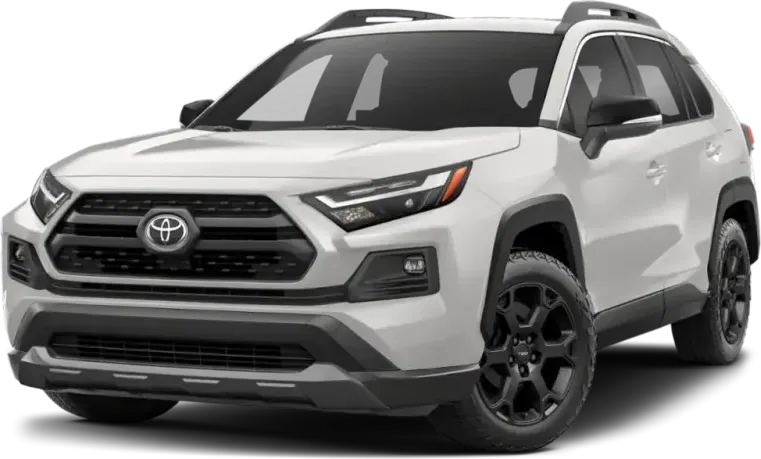
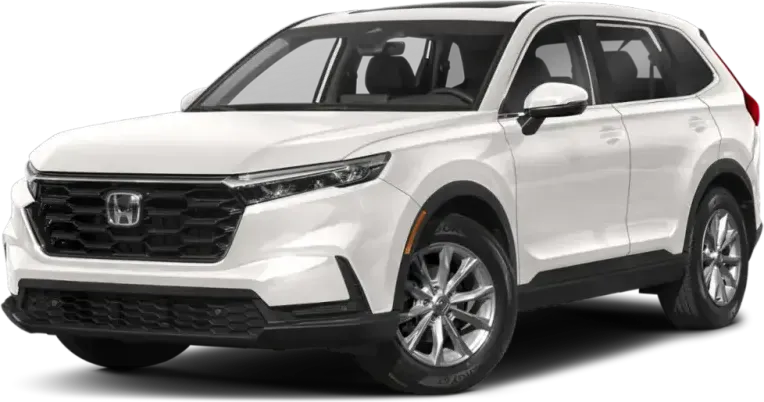
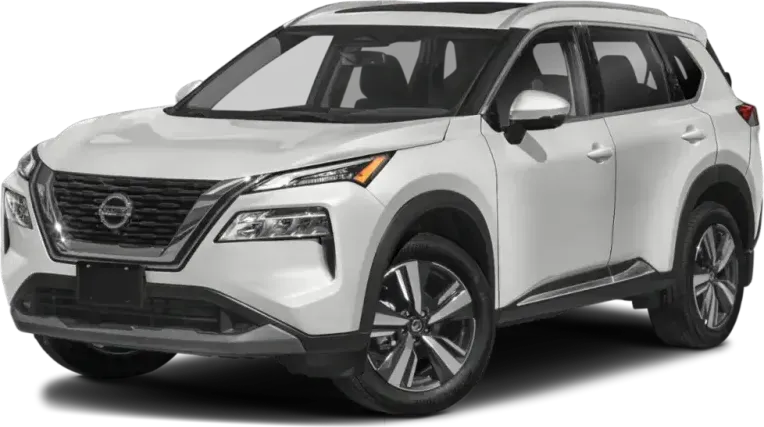
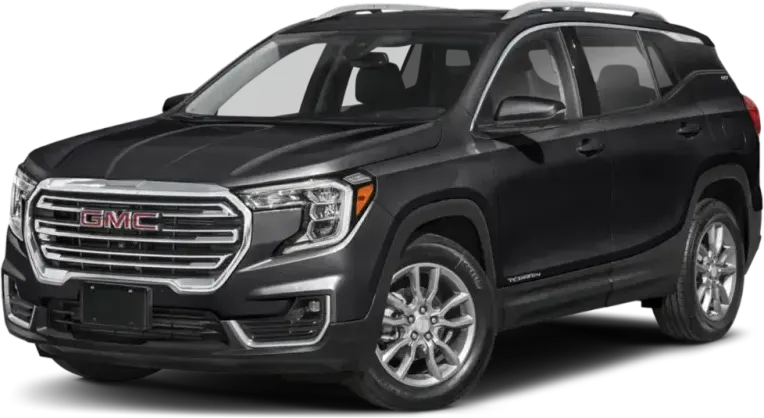
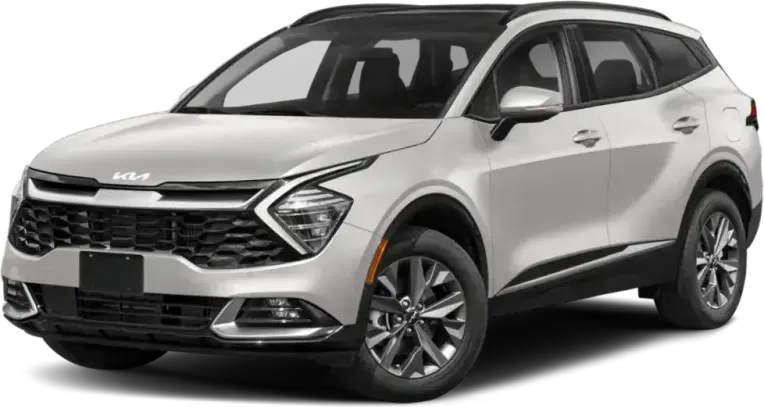
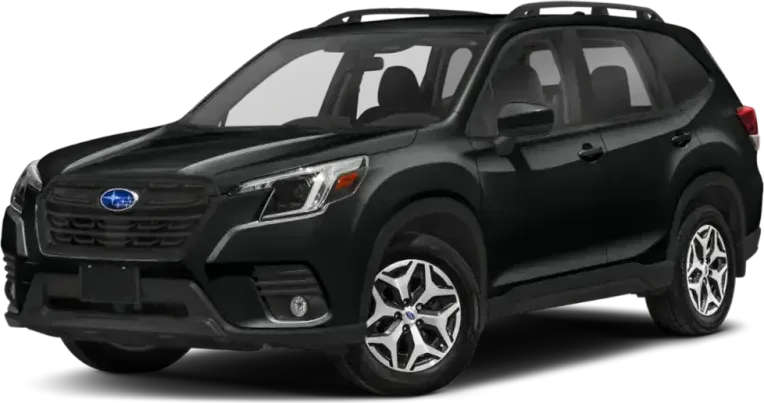
Cars shoppers compare with the Hyundai Tucson, with their own 2021 checklists.
2021 owner complaints, side by side
- GMC Terrain28
- Kia Sportage34
- 2021 Hyundai Tucson58
- Subaru Forester196
- Honda CR-V241
- Nissan Rogue269
- Toyota RAV4450