2020 Hyundai Elantra: What to check before buying
Owners have filed 212 complaints with NHTSA about this car, most about the engine, transmission, and exterior lights. The 9 checks below target those problems, in the order you would do them at the car.
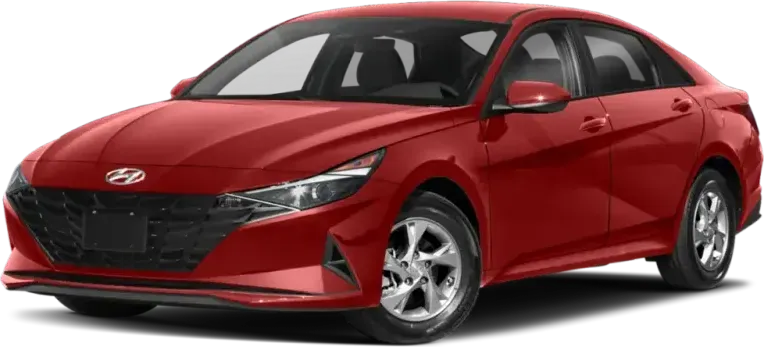 2020
- Owner complaints
- 212
- Recalls
- 3
- Crashes reported
- 19
- 15 injuries
Your inspection sheet
Tick items off on your phone at the car, or print it. Ticks stay on this device.
0/9 checked
2020 Hyundai Elantra: inspection sheet
Paperwork and questions
Before you go, or before you touch the car0/2
Walk-around and cabin
Engine off, key in hand0/2
Cold start, engine bay, and underside
Ask the seller not to warm the car up first0/2
Test drive
At least 20 minutes, with some highway0/3
These checks are specific to this model year. For tires, body panels, fluids, and the other basics every used car needs, use the general inspection guide.
Which Elantra is it?
EPA figures for each version of the 2020 Hyundai Elantra. Use them to confirm you are looking at the version that was advertised, and as a yardstick on the test drive.
| Version | Drive | EPA rating |
|---|---|---|
| 1.4L 4-cyl | FWD | 36 mpg |
| 1.6L 4-cyl | FWD | 29 mpg |
| 2.0L 4-cyl | FWD | 35 mpg |
- The 2020 Hyundai Elantra was sold in three versions. Confirm which one this is from the window sticker, the engine cover, or the VIN report before you compare prices.
- Reset the trip computer at the start of the drive. A Elantra that averages well under the EPA 29 mpg combined on a mixed route may have an engine or tire problem.
Check the odometer against these mileages
Owners report these failures starting around the mileages below. A car inside one of these ranges deserves a closer look at that part, or records showing it was already fixed.
Early transmission failure
2,200–8,000 miles
Engine oil consumption
20,000–27,000 miles
Catastrophic engine failure
41,000–73,000 miles
Why these checks: what owners reported
NHTSA complaints for the 2020 Hyundai Elantra, grouped by the part owners named. Open a row to read what goes wrong.
Engine681 crash
Oil burning is the core pattern, often starting between 20,000 and 27,000 miles with no visible leak. Ticking or knocking follows, then loss of power, limp mode, stalling, or outright seizure with metal in the oil pan. Some engines fail with no oil or check engine light. Two reports involve fire and one describes sudden acceleration into a tree. Many complaints cite engine recall 21V301 but describe dealers refusing coverage over claimed abuse, a branded title, an Alabama build, or a long wait for parts.
Transmission40No crashes
The transmission suddenly stops delivering power. Engine speed climbs while the car crawls at 10 to 20 mph, sticks in one gear, or will not shift out of first. Other reports describe jerking, slipping, a forward lunge at highway speed, and metal shavings in the fluid. Many failures arrive very early, from about 2,200 to 8,000 miles, and some cars go through more than one replacement. Drivers describe near rear-end collisions while merging or pulling into traffic. Dealers sometimes perform only the software portion of recall 22-01-030H and decline the transmission replacement.
Exterior lights20No crashes
High beams stop working, usually because a shutter inside the headlamp housing sticks. Some cars lose both low and high beams at once, and owners mention melted sockets and wiring. Daytime running lights also fail repeatedly. Replacement assemblies sometimes fail the same way. A full housing replacement is the fix, and owners call it expensive. Many reports cite bulletin 20-BE-004H or Service Campaign T5G, then describe dealers saying the VIN is not covered. Parts shortages also leave some cars waiting for repair.
Steering185 crashes
The most common symptom is a grinding, rubbing, or whirring noise from the steering column, mostly at low speed. Shops trace it to the worm shaft, and owners report the repair is not covered for every VIN. More serious reports describe the car pulling sharply left or right, the wheel not turning in a corner, or assist abruptly switching between stiff and loose at 40 to 70 mph. Lane keeping assist is also said to jerk the wheel back and forth. These reports include five crashes, one fire, and two injuries.
Electrical16No crashes
High beams that flicker or strobe instead of staying on are the most repeated problem, and some owners say the VIN shows no open recall. One report describes a fire in the passenger headlight assembly while parked. Other complaints cover backup cameras that go blank or flicker, repeated headlight bulb failures, and no-start problems traced to the starter or a loose starter cable. A few describe random stalling with rising engine speed. Separate reports cover forward collision and lane camera failure, and theft.
Brakes93 crashes
Phantom braking is the clearest pattern. The car brakes hard with nothing ahead, and following drivers nearly hit it. Other reports describe a brake pedal that becomes very hard to push, grinding when stopping around 26,000 miles, and wheels locking during light braking in rain, which led to a skid into a curb. One complaint says the forward collision system gave no warning before a crash. Three crashes and two injuries appear in these reports. Dealers often cannot find a fault.
Automatic emergency braking41 crash
False activations are the main complaint. The system brakes or cuts throttle with no hazard present. Low morning sun is one reported trigger at highway speeds. Cutting the throttle can leave the car stalled mid-turn in an intersection or a parking lot entrance. One report describes the opposite problem, no warning before hitting an object in the road, which ended in a crash. Dealers tend to say the system is working as designed or is simply very sensitive.
Airbags33 crashes
Failure to deploy in serious crashes is the pattern. One report describes a driver-side T-bone collision where no bag fired, and another a frontal impact with a tree where neither front bag deployed. A third describes a driver bag that only partly inflated while heavy dark smoke poured from the steering column. All three complaints involve crashes, with four people injured, including concussions and a forearm fracture. The count is small, but each report pairs a crash with injuries.
In owners' own words
Excerpts from complaints Elantra owners filed with NHTSA, as written. Listen for the same symptoms on your test drive.
My car has 27,000 miles on it and is using oil. The oil turns black. This has been going on for a while. It has a ticking sound. It did have a bad loud when I took it to Hyundai. Hyundai is trying to blame me for the engine problem but a NEW car should not use oil and the oil turn black! Not sure of date. Been having problems with car for six mo. I see a recall for this problem. Thank u
Filed with NHTSA, June 2021
Engine is stalling and consuming oil at a higher then normal rate. Knock sensor is having issues at 24k miles both part of recall campaign 974 and recall 203. Took the auto to dealer for service and was told Hyundai would not honor the recall due to a branded title which now puts me in a scenario of possibly engine stall in the middle of highway traffic.
Filed with NHTSA, January 2026
Loud knocking noise coming from engine. Car unable to be driven. No recall for my particular make and model per Hyundai dealer. Extra consumption of oil and loss of power during acceleration. No warning lights or other messages. 79, 500 miles. Problem inspected by certified auto mechanic.
Filed with NHTSA, February 2023
Daytime running lights faulty from manufacture. Had to replace headlights once already and now out again. Hyundai has made this headlight assembly non repairable and charges over 1k for a replacement.
Filed with NHTSA, November 2023
The highbeam is not working, also lowbeam is poor. Also I can not use the car in the night. The Hyundai Customer services is can not help. I said they have campaign to fix the highbeam. TSB number is 20-01-011H
Filed with NHTSA, February 2025
There has been a noise coming from my steering column. Its sounds a like rubbing or whirring noise. It only happens at low or stationary speeds. I took the vehicle to a local shop in my area. They diagnosed the problem as the Worm Shaft Assembly ( located inside the steering column). If steering fails while driving, it can a crash and lead to significant injury. While my steering has not failed or led to any accidents, its very possible and a real risk.
Filed with NHTSA, October 2023
I was in the inside left turn lane turning left and as I was turning my steering wheel my car was not turning, it was continuing to go straight. I hit my brakes so I wouldn’t crash into the car turning next to me and then my wheels finally turned as I was braking so it caused me to burn the tires and swerve. I’m not sure if any lights came on as I was trying not to crash into the vehicle next to me. I have an appointment for the dealership to look at it.
Filed with NHTSA, September 2021
How the 2020 compares with other Elantra years
Complaints for this year next to the average for the other model years, area by area.
The 2020 ranks second for owner complaints among 8 Elantra years, about 1.5 times the average of the others. Newer years have had less time to collect complaints, so compare like with like.
- Engine6829
- Transmission4011
- Exterior lights209
- Steering187
- Electrical1624
- Brakes94
Where the 2020 fits in the Elantra's history
Redesigns and mid-cycle updates change what can go wrong.
The 2020 is the fourth model year of the Elantra's sixth generation (2017–2020).
It includes the 2019 update.
What changed for 2019
- New LED headlights and taillights
- Increased safety features
Recalls to confirm (3)
Recall repairs are free at any Hyundai dealer, but the seller may never have had them done. Check each campaign number against the VIN.
21V301000EngineApr 2021
Hyundai Motor America (Hyundai) is recalling certain 2019-2020 Elantra, 2019-2021 Kona and Veloster vehicles equipped with 2.0L Nu MPI engines. The piston oil rings may not have been properly heat-treated, which could result in engine damage.
Risk: A damaged engine may stall, increasing the risk of a crash. In addition, oil may leak onto hot exhaust components, increasing the risk of a fire.
Fix: Dealers will inspect and, if necessary, replace the engine, free of charge. In addition, Hyundai will deploy Piston Ring Noise Sensing System (PNSS) software. Owner notification letters were mailed August 24, 2021. Owners may contact Hyundai customer service at 1-855-371-9460.
19V720000Wheels and tiresOct 2019
Hyundai Motor America (Hyundai) is recalling certain 2019 Ioniq Hybrid and 2020 Elantra vehicles. The right-side rear wheel lug nuts may have been insufficiently tightened, allowing the wheel to detach from the vehicle.
Risk: A wheel detaching from the vehicle increases the risk of a crash.
Fix: Hyundai will notify owners, and dealers will inspect and, if necessary, tighten the lug nuts, free of charge. The recall began November 15, 2019. Owners may contact Hyundai customer service at 1-800-251-0871. Hyundai's number for this recall is 184.
19V721000SuspensionOct 2019
Hyundai Motor America (Hyundai) is recalling certain 2020 Elantra vehicles. The lower control arm ball joint fasteners may have been insufficiently tightened allowing the ball joint to detach from the lower control arm.
Risk: A detached ball joint can cause a loss of vehicle control, increasing the risk of a crash.
Fix: Hyundai will notify owners, and dealers will inspect and, as necessary, tighten the ball joint fasteners, free of charge. The recall began November 20, 2019. Owners may contact Hyundai customer service at 1-855-371-9460. Hyundai's number for this recall is 185.
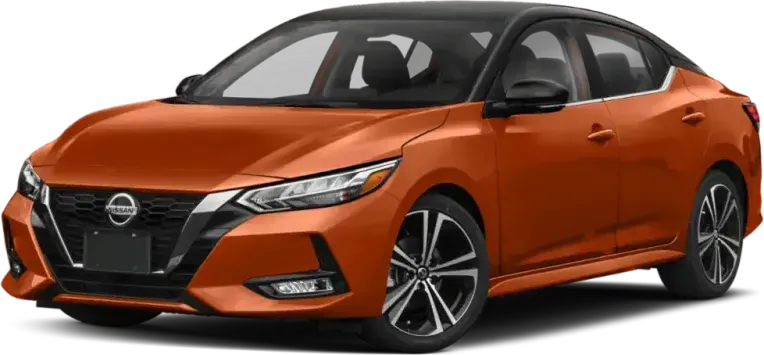
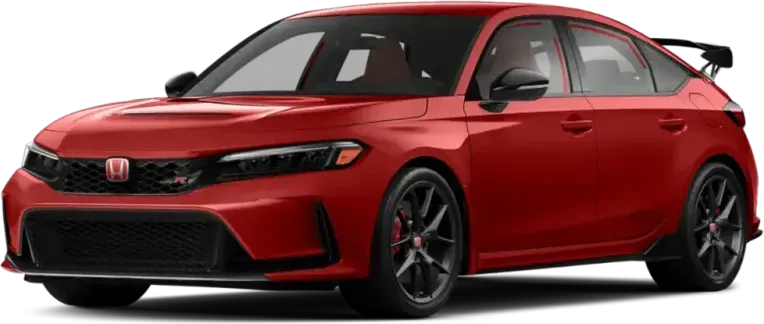
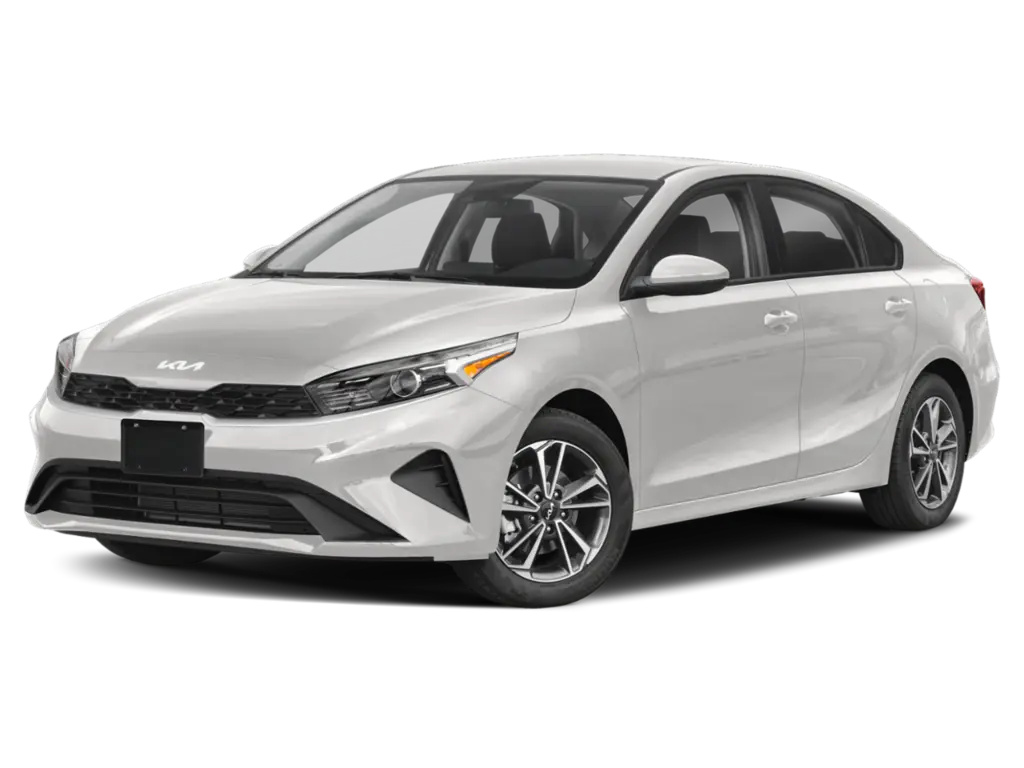
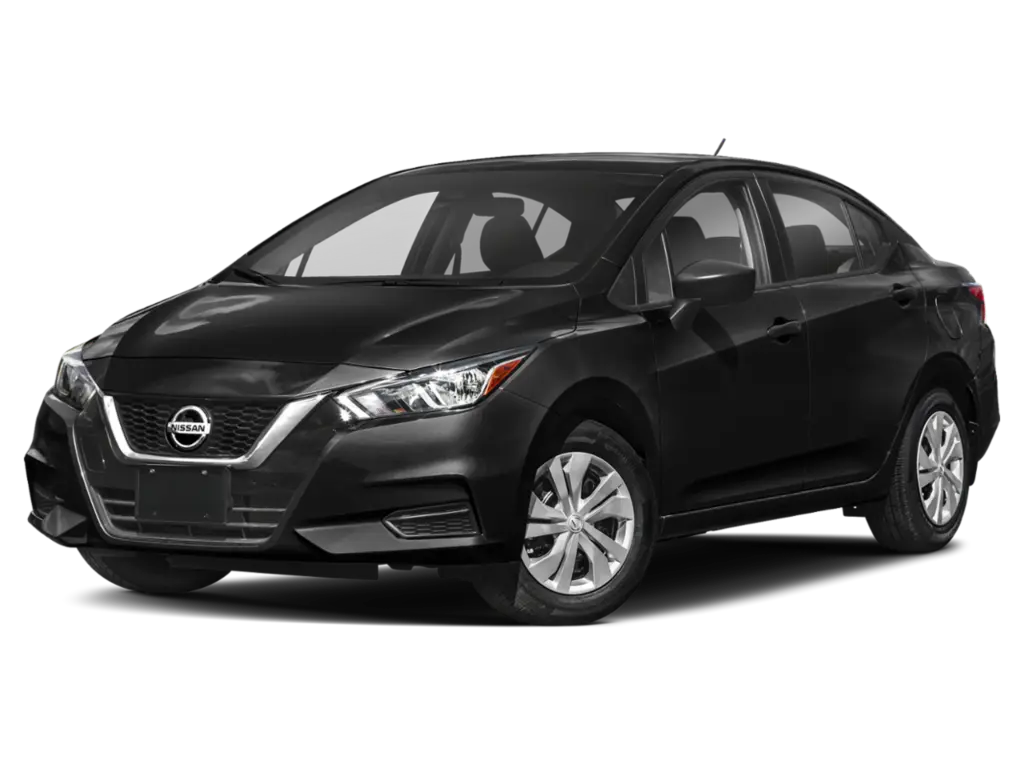
Also looking at these instead of a Elantra?
Cars shoppers compare with the Hyundai Elantra, with their own 2020 checklists.
2020 owner complaints, side by side
- Volkswagen Golf14
- Nissan Versa60
- Kia Forte63
- Nissan Sentra193
- 2020 Hyundai Elantra212
- Toyota Corolla290
- Honda Civic405