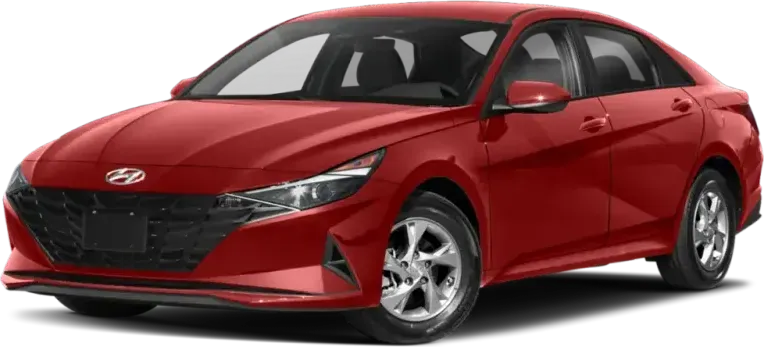
2018 Hyundai Elantra: What to check before buying
Owners have filed 309 complaints with NHTSA about this car, most about the engine, electrical, and transmission. The 9 checks below target those problems, in the order you would do them at the car.
 2018
- Owner complaints
- 309
- Recalls
- 1
- Crashes reported
- 11
- 7 injuries
Your inspection sheet
Tick items off on your phone at the car, or print it. Ticks stay on this device.
0/9 checked
2018 Hyundai Elantra: inspection sheet
Paperwork and questions
Before you go, or before you touch the car0/2
Cold start, engine bay, and underside
Ask the seller not to warm the car up first0/5
Test drive
At least 20 minutes, with some highway0/2
These checks are specific to this model year. For tires, body panels, fluids, and the other basics every used car needs, use the general inspection guide.
Which Elantra is it?
EPA figures for each version of the 2018 Hyundai Elantra. Use them to confirm you are looking at the version that was advertised, and as a yardstick on the test drive.
| Version | Drive | EPA rating |
|---|---|---|
| 1.4L 4-cyl | FWD | 35 mpg |
| 1.6L 4-cyl | FWD | 29 mpg |
| 2.0L 4-cyl | FWD | 33 mpg |
- The 2018 Hyundai Elantra was sold in three versions. Confirm which one this is from the window sticker, the engine cover, or the VIN report before you compare prices.
- Reset the trip computer at the start of the drive. A Elantra that averages well under the EPA 29 mpg combined on a mixed route may have an engine or tire problem.
Check the odometer against these mileages
Owners report these failures starting around the mileages below. A car inside one of these ranges deserves a closer look at that part, or records showing it was already fixed.
Engine seizure from oil loss
55,000–80,000 miles
Why these checks: what owners reported
NHTSA complaints for the 2018 Hyundai Elantra, grouped by the part owners named. Open a row to read what goes wrong.
Engine981 crash
Sudden engine failure is the main pattern. Engines stall at speed, knock, or seize, often with no low-oil or check-engine warning first, and dealers then call for a replacement engine. Many reports describe heavy oil burning, with owners adding a quart every 600 to 1,000 miles or finding the oil nearly gone before the next change. Failures show up between about 55,000 and 77,000 miles. Four complaints involve fire, including smoke and flames after a loud pop on the highway. Owners disagree on recall coverage, and second owners report denied warranty claims.
Electrical392 crashes
Stalling while driving leads this category, including one shutoff at low speed that ended in a crash. Several reports tie stalls and engine fires to oil disappearing between changes, and one car burned while parked and turned off in a garage at 40,000 miles. Owners describe misfire codes that return after new plugs, coils, injectors, and wiring. Other faults include an ABS pump failure with multiple warning lights, an airbag light triggered by moving the passenger seat, dead climate controls and lights, and a rear door that would not open from inside.
Transmission28No crashes
Most complaints here are engine failures, not transmission faults. Cars stall in traffic, restart with loud knocking, and crawl at 10 to 30 mph before dying. Shops find broken rod bearings or metal in the oil, often under 80,000 miles, and one repair quote topped $16,000. Second owners report Hyundai refusing the powertrain warranty. Dual-clutch cars hesitate and lose power pulling away from a stop, with one clutch failing at 117,000 miles. One fire broke out while the car was being towed in neutral, injuring the owner.
Steering16No crashes
Two problems dominate. At highway speeds around 70 mph, the car sways and wanders in its lane, worse on grooved or wet pavement and in wind. New tires, alignment, and a tie rod do not fix it, and dealers call it normal. Separately, the steering locks up or turns very heavy with the power steering warning light on, then works again after a restart. Dealers diagnose a steering column replacement, with one failure at about 83,000 miles. Several theft reports are also filed under this heading.
Exterior lights11No crashes
Bulbs burn out again and again, mainly the brake lights, tail lights, high-mount brake light, headlights, and license plate lights. Some owners report replacing the same bulb several times, and one found melted brake light wiring. A false check-brake-light message appears even when the lights work. Headlights set to auto shut off while driving at night, and parking lights cycle on and off with the car locked. Many owners also say the low beams aim too low, leave a dark shadow ahead, and fail to light road signs.
Body and structure11No crashes
Peeling paint makes up nearly every report. Paint bubbles, cracks, and flakes off the hood and roof in large, growing patches, sometimes down to bare metal, within three to four years. White and Pearl White cars come up most, though silver is also mentioned. Owners say Hyundai extended body coverage from 3 to 5 years without telling them, and dealer claims often stall. Rust follows where paint is lost. One report describes violent wind buffeting with only the rear windows down at 55 mph.
Airbags96 crashes
Serious crashes end with no deployment. Six of the 9 complaints involve a crash and three report injuries. Reports include a side impact that spun the car, a highway pileup that crushed both ends, and a deer strike at 55 mph, all with nothing deploying. In one case the bags inflated but stayed in their housings. Other owners report the airbag warning light coming on without a crash, including at 33,000 miles and within a week of buying the car from a dealer.
Brakes81 crash
The brakes fail to stop the car hard enough in emergencies. Owners describe a soft, spongy pedal that has to be pumped, a car that keeps rolling under full pedal at 55 mph, and skidding with a firm pedal at 65 mph. One near miss is logged as crash-related. A hissing pedal led to a faulty brake booster diagnosis at 18,000 miles. Other reports describe sudden harsh stops at low speed in traffic and an automatic emergency braking and forward collision warning system that does not work.
In owners' own words
Excerpts from complaints Elantra owners filed with NHTSA, as written. Listen for the same symptoms on your test drive.
Engine Seized Completely On 6 /20/2021 Car Was Only highway Driven and has had Regula Oil changes Using Quaker State Synthetic Oil As Is Recommended by the Automaker We still owe $10 K on this Car Its Outragous that Hyundai Has Had So Many Of these Seize But Yet It Keeps Going On We Have Had a Licensed Owner /Mechanic Look the car over and Will Provide A Letter We Fully Expect This Engine Be Replaced At Hyundai's FULL EXPENCE
Filed with NHTSA, June 2021
At 77,000 miles, with immaculate care taken of the engine with regular maintenance (and only 2 weeks since the previous oil change), the engine failed at the end of an 11.5 hour road trip and left me stranded on the side of a busy highway. This vehicle has the Hyundai Nu 2.0 GDi engine, which has been recalled in other vehicles for this same issue (and sometimes resulting fires), but not THIS vehicle.
Filed with NHTSA, January 2022
UNKNOWN- intermittently - multiple times a day for the last month the car starts making clicking noises like a card in the spokes of a bicycle. Mechanic could not find the cause. UNKNOWN- two times in 2 weeks- while making a turn my car stalled in the middle of an intersection, all the lights on the dash went on, and wouldn't start up again for a couple minutes. Then car starts and runs fine besides the intermittent clicking
Filed with NHTSA, August 2023
My car will shut off as I’m driving it. I was going thru a busy intersection and my car turned off, I was in my car with my 3 babies traffic backed up and almost got slammed into. I had to get out and push my car to the side of the road. The check engine light started flashing then the whole dashboard started flicking
Filed with NHTSA, September 2022
Dual Clutch Transmission (DCT) hesitates when slowing to a stop, then accelerating. The car completely looses power and limps for a second or two until finally it engages and power finally goes to the wheels. Also, the DCT clutch completely failed at 117,000 miles while traveling 65mph on the freeway, and Hyundai won't replace the clutch. Hyundai will only sell a new complete DCT.
Filed with NHTSA, October 2023
UNKNOWN - for the past several months, since my car hit the 70,000 mileage mark, my check engine light has come on while experiencing hard idling, delayed acceleration/power while driving - particularly on gradual inclines and hilly roads. I would suspect it has something to do with the power or fuel system. I have changed oil twice and had a diagnostic test done and mechanic is unable to pinpoint issue since it is not consistent.
Filed with NHTSA, July 2022
Steering wheel of my 2018 value edition elantra periodically locks up and won't turn left or right.. and car has to be taken to a stop and turned on and off to reset it. The star bushing located in the bottom of the steering column has a known issue among many elantra owners of being defective in elantras.
Filed with NHTSA, May 2022
The BSD system keeps malfunctioning Hyundai to me that I should report it to yall because it should be recalled if just stops and also the brakes keep having a burning smell to them and the steering wheel when you turn left and right keep making loud popping noises those things should be recalled
Filed with NHTSA, March 2024
How the 2018 compares with other Elantra years
Complaints for this year next to the average for the other model years, area by area.
The 2018 has the most owner complaints of the 8 Elantra years we cover, about 2.4 times the average of the others. Newer years have had less time to collect complaints, so compare like with like.
- Engine9824
- Electrical3921
- Transmission2813
- Steering167
- Exterior lights1110
- Body and structure110
Where the 2018 fits in the Elantra's history
Redesigns and mid-cycle updates change what can go wrong.
The 2018 is the second model year of the Elantra's sixth generation (2017–2020).
Hyundai updated the Elantra for 2019, so a 2018 does not have those changes.
What changed for 2019 (not on a 2018)
- New LED headlights and taillights
- Increased safety features
Recalls to confirm (1)
Recall repairs are free at any Hyundai dealer, but the seller may never have had them done. Check each campaign number against the VIN.
18V891000ElectricalDec 2018
Hyundai Motor America (Hyundai) is recalling certain 2018 Hyundai Elantra GT vehicles. The panoramic sunroof motor may be incorrectly programmed, preventing the sunroof from detecting an obstacle while closing.
Risk: If the sunroof does not detect an obstacle while closing and then retract, there could be an increased risk of injury.
Fix: Hyundai will notify owners, and dealers will inspect the panoramic sunroof, replacing it as necessary, free of charge. The recall began February 5, 2019. Owners may contact Hyundai customer service at 1-855-371-9460. Hyundai's number for this recall is 179.
Also looking at these instead of a Elantra?
Cars shoppers compare with the Hyundai Elantra, with their own 2018 checklists.
2018 owner complaints, side by side
- Volkswagen Golf56
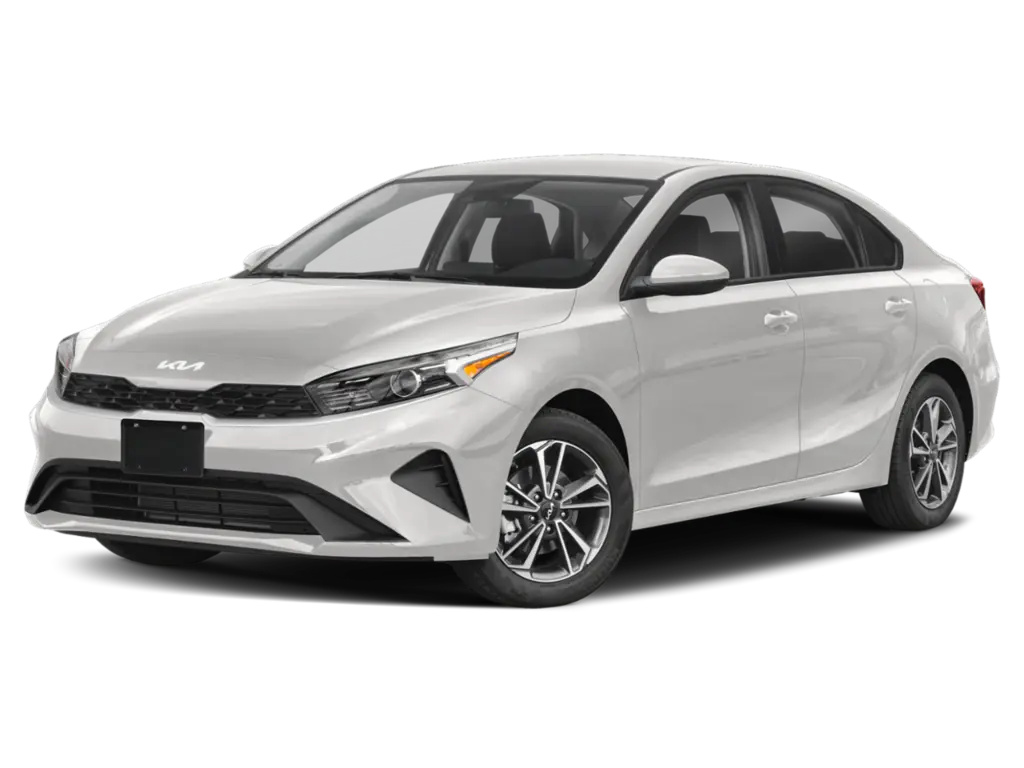
- Kia Forte133
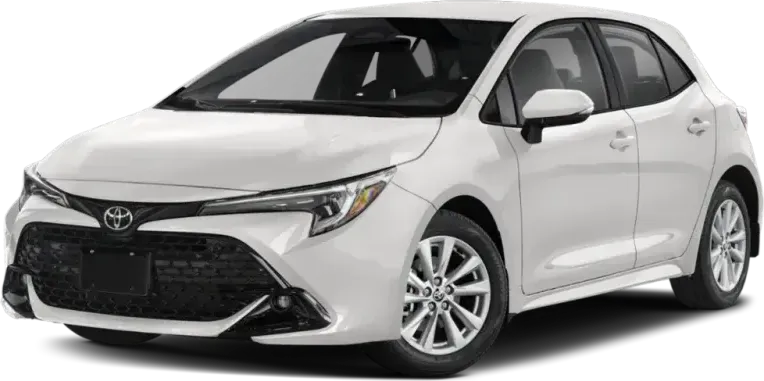
- Toyota Corolla137
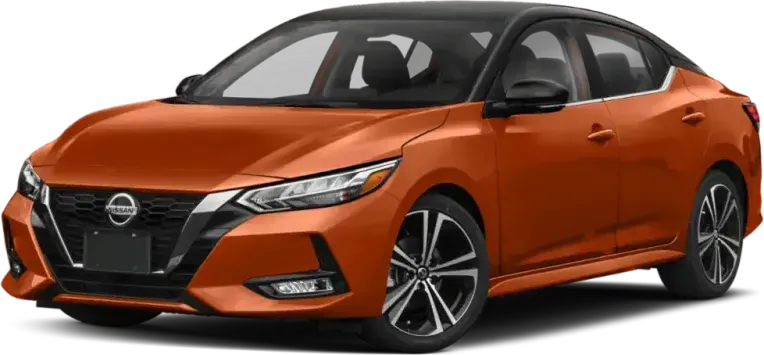
- Nissan Sentra181
- 2018 Hyundai Elantra309
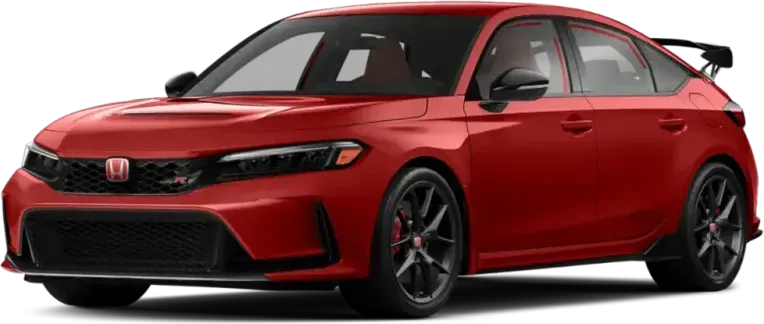
- Honda Civic605
- Ford Focus825