2020 Honda Civic: What to check before buying
Owners have filed 405 complaints with NHTSA about this car, most about the electrical, transmission, and airbags. The 9 checks below target those problems, in the order you would do them at the car.
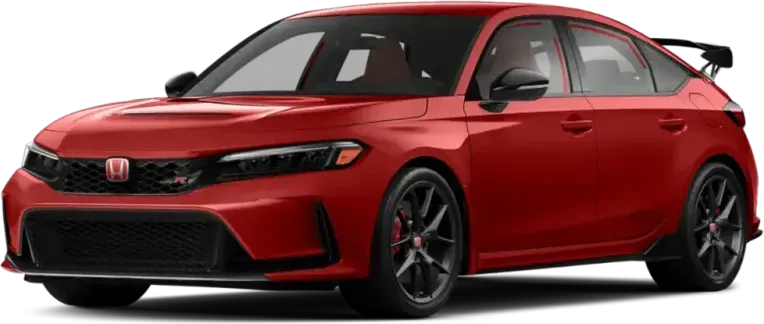 2020
- Owner complaints
- 405
- Recalls
- 4
- Crashes reported
- 26
- 22 injuries
Your inspection sheet
Tick items off on your phone at the car, or print it. Ticks stay on this device.
0/9 checked
2020 Honda Civic: inspection sheet
Paperwork and questions
Before you go, or before you touch the car0/3
Walk-around and cabin
Engine off, key in hand0/1
Cold start, engine bay, and underside
Ask the seller not to warm the car up first0/2
Test drive
At least 20 minutes, with some highway0/3
These checks are specific to this model year. For tires, body panels, fluids, and the other basics every used car needs, use the general inspection guide.
Which Civic is it?
EPA figures for each version of the 2020 Honda Civic. Use them to confirm you are looking at the version that was advertised, and as a yardstick on the test drive.
| Version | Drive | EPA rating |
|---|---|---|
| 1.5L 4-cyl | FWD | 36 mpg |
| 2.0L 4-cyl | FWD | 33 mpg |
- The 2020 Honda Civic was sold in two versions. Confirm which one this is from the window sticker, the engine cover, or the VIN report before you compare prices.
- Reset the trip computer at the start of the drive. A Civic that averages well under the EPA 33 mpg combined on a mixed route may have an engine or tire problem.
Check the odometer against these mileages
Owners report these failures starting around the mileages below. A car inside one of these ranges deserves a closer look at that part, or records showing it was already fixed.
Civic Si clutch slipping
24,000–60,000 miles
A/C refrigerant leaks
38,593–52,000 miles
Sticky electric power steering
50,000–54,000 miles
Why these checks: what owners reported
NHTSA complaints for the 2020 Honda Civic, grouped by the part owners named. Open a row to read what goes wrong.
Electrical291 crash
Cars power up into accessory mode on their own while parked and locked, set off the alarm, and drain the battery. Owners and dealers point to a failing body control module. Other reports describe stalling or no-restart events, a gauge display going dark at highway speed, and audio crackling that freezes the backup camera. Several complaints filed here are really A/C refrigerant leaks at the evaporator or condenser, one near 49,000 miles. False automatic braking and an airbag that fired in a parking lot also appear, with 2 injuries reported.
Transmission291 crash
Clutch failure on manual Civic Si cars dominates. The clutch slips under acceleration, usually in upper gears at highway speed, so the engine revs high while the car slows or won't go into first. Failures appear anywhere from under 6,000 to about 60K miles, with many around 24,000 to 40,000. Owners cite service bulletin 22-017, yet dealers often call it wear and tear and quote repairs up to $4,400. Separate reports describe a CVT torque converter seal leak and a transmission failure around 102K miles. One crash involved a car rolling away from park.
Airbags273 crashes
Most complaints concern recall 24V064000. Owners get the notice, but dealers report the parts are unavailable or backordered with no delivery date. Some say mailed notices claim parts are ready when dealers say they are not. Actual failures run both ways. In 3 crash-related reports, airbags did not deploy in serious impacts, one of them with a fire. Other airbags fired unexpectedly after hitting a manhole cover or a curb, or while driving at 20 mph. A failed passenger seat weight sensor can light the SRS warning and disable the passenger airbag.
Steering252 crashes
Sticky steering is the clear pattern. After 10 to 20 minutes of driving, the wheel feels notchy and resists small corrections, then suddenly releases, so the car darts sideways and drivers overcorrect. It is worst at highway speeds and in rain, and no warning lights come on. Onset is often around 50,000 to 54,000 miles. Dealers have blamed wind or pointed to the electric power steering rack or steering gear box, which costs thousands to replace. Two crashes with 4 injuries involve the car failing to turn or jerking sharply right.
Brakes135 crashes
Two problems dominate. The automatic emergency braking slams on the brakes in roundabouts, in traffic, or near steel bridges with nothing close ahead, and some cars are slow to speed back up. In one crash, the car slowed on its own at 65 mph on cruise control. The electronic parking brake has also failed to hold, letting parked cars roll into a van and down a hill. Other complaints involve the master cylinder recall 23V458000, a bouncing brake pedal, and recall parts that are not available.
Cars roll away with the parking brake set. In 2 crash reports, a parked car rolled into a tree or a wall, one with a manual transmission at about 9,000 miles. A third report describes the car stopping abruptly at 55 mph, with the owner suspecting the parking brake engaged by itself, and the windows and sunroof opening on their own afterward. Dealers did not diagnose or repair these cars, and owners say the manufacturer offered no help.
Automatic emergency braking12No crashes
Phantom braking is the core complaint. The collision mitigation system brakes hard with an empty road ahead, at speeds from 5 to 65 mph and once from 70 mph, raising rear-end risk. Some cars brake for vehicles turning out of the lane. Reports start as early as 7,000 miles. Dealers usually cannot reproduce the fault, and some owners now switch the system off every drive. Two owners were injured, one burned by spilled coffee. Another report describes a false radar-obstruction warning that shut off adaptive cruise and emergency braking.
Fuel system11No crashes
Failing fuel pumps make cars lose power, stall in traffic, or refuse to restart for about an hour, often with no warning. One car dropped from 70 to 15 mph on the highway, and code P0087 shows up. A fuel pump recall exists, but many owners say their VIN is not included, so dealers will not supply parts. Owners covered by the recall report waits of six months or more because parts are unavailable, despite letters saying they are in stock.
Wheels and tires21 crash
Rear tires blow out or shed their tread at the seam, with only 2 complaints on file. One blowout at 75 mph sent the car across a median and caused a total loss. The other came on a car with under 25k miles, and the remaining tires on that car showed bubbles. Both owners blame the tires themselves, a Continental and a Goodyear, rather than the car.
In owners' own words
Excerpts from complaints Civic owners filed with NHTSA, as written. Listen for the same symptoms on your test drive.
Was T bones September 3rd 2023 exiting the freeway by a Ford F-350. Injury to left side of vehicle mainly . Airbags not side airbags deployed. Went through insurance and was told to report it to the manufacturer. Due to this I now need double knee surgery as I have tears and fluid and now have spinal injury .
Filed with NHTSA, January 2024
Lights go off and on not sure if can drive at night. dealer said that they thought it is the control module but also stated that car could turn shut down at any unknown time. Did not offer a replacement vehicle and was told to just keep driving until part comes in. This problem has been going on sense january . was told today 04/21/2022 that it would now be june
Filed with NHTSA, April 2022
Clutch has begun slipping very badly at 40,000 miles, sometimes to the point of not being able to accelerate. It is worse at highway speeds. There is a known service bulletin 22-017 outlining this issue. According to the VIN, this vehicle was assembled in the Alliston, Ontario, Canada plant and further online research has found multiple others having the same issue on vehicles from the same plant.
Filed with NHTSA, October 2024
Clutch went out at 25k miles - never stalled this car. Have several manual transmission Hondas no problems except this one. Lost engine power and had to pull over on the highway. manufacturer error causing pre mature burnt clutch. This should not be happening. Honda will not take responsibility
Filed with NHTSA, March 2022
Stopped at a red light, I was rear ended by a car going 30-35 mph and pushed into the car in front of me. The driver seat was in a reclining position after impact, I was sitting up when hit and wound up laying almost to the back seat after impact but the airbag never deployed causing my stomach to hit the steering wheel.
Filed with NHTSA, December 2021
In a Walmart parking lot I bumped into a curb stone with the left front tire at low speed (5 mph?). The passanger side air bag went off and blew out the windhield. I do not believe the air bag should have deployed at such a low speed. There was no damage to the car body. Total cost for replacing the air bag, windshield and both front seat belts was around $3,500.
Filed with NHTSA, February 2024
Steering is very sticky and fights me to correct to center. It is especially bad at high speeds and wet road conditions. It is unsafe to have to fight my steering wheel when correcting back to straight after a curve in the road. Dealership has been notified and was dismissed as caused by wind. Alignment has been corrected and it is still an issue. No dash warning lights. Just difficulty steering on a daily basis.
Filed with NHTSA, April 2025
While driving down the road my steering wheel locks or sticks then quickly releases causing me to overcorrect the steering wheel. This happens on a continuous basis while driving. There are no warning lights or messages that come on. I took it to dealership for a diagnostics and they determined it to be the steering gear box but not considered a a recalled item.
Filed with NHTSA, August 2025
How the 2020 compares with other Civic years
Complaints for this year next to the average for the other model years, area by area.
The 2020 ranks third for owner complaints among 9 Civic years, close to the average of the others. Newer years have had less time to collect complaints, so compare like with like.
- Electrical2916
- Transmission296
- Airbags276
- Steering25189
- Brakes135
- Automatic emergency braking126
Where the 2020 fits in the Civic's history
Redesigns and mid-cycle updates change what can go wrong.
The 2020 is the fifth model year of the Civic's tenth generation (2016–2021).
Recalls to confirm (4)
Recall repairs are free at any Honda dealer, but the seller may never have had them done. Check each campaign number against the VIN.
24V064000AirbagsFeb 2024
Honda (American Honda Motor Co.) is recalling certain 2020-2022 Pilot, Accord, Civic sedan, HR-V, Odyssey, 2020 Civic coupe, Fit, 2021-2022 Civic hatchback, 2021 Civic Type R, Insight, 2020-2021 CR-V, CR-V Hybrid, Passport, Ridgeline, Accord Hybrid, 2020 Acura MDX, 2022 Acura MDX, 2020-2022 Acura RDX, and 2020-2021 Acura TLX vehicles. The front passenger seat weight sensor may crack and short circuit, failing to suppress the air bag as intended.
Risk: An air bag that deploys unintentionally during a crash can increase the risk of injury.
Fix: Dealers will replace the seat weight sensors, free of charge. Owner notification letters were mailed March 28, 2024, October 18, 2024, and August 2025. This is a phased recall. Owners may contact Honda customer service at 1-888-234-2138. Honda's numbers for these recalls are XHP and VHQ.
23V858000Fuel systemDec 2023
Honda (American Honda Motor Co.) is recalling certain 2013-2023 Honda Accord, Civic Coupe, Civic Sedan, Civic Hatchback, Civic Type R, CR-V, HR-V, Ridgeline, Odyssey, Acura ILX, MDX, MDX Hybrid, RDX, RLX, TLX, 2019-2022 Honda Insight, Passport, 2020 Honda CR-V Hybrid, 2018-2019 Honda Clarity PHEV, Fit, and 2015-2020 Honda Accord Hybrid, Pilot, Acura NSX vehicles. The fuel pump inside the fuel tank may fail.
Risk: Fuel pump failure can cause an engine stall while driving, increasing the risk of a crash.
Fix: Dealers will replace the fuel pump module, free of charge. Owner letters were mailed September 6, 2024. Owners may contact Honda customer service at 1-888-234-2138. Honda's numbers for this recall are KGC and KGD. This recall is an expansion of NHTSA recall numbers 21V-215 and 20V-314.
23V458000BrakesJun 2023
Honda (American Honda Motor Co.) is recalling certain 2020-2021 Civic, 2020-2023 Ridgeline, 2021-2023 Passport, 2021-2022 Pilot, and 2020 Acura MDX vehicles. The tie rod fastener that connects the brake booster and the brake master cylinder may have been improperly assembled during manufacturing, which can cause the brake master cylinder to separate from the booster assembly.
Risk: Brake master cylinder separation can cause a loss of brake function and increase the risk of a crash.
Fix: Dealers will inspect and repair the brake booster assembly as necessary, free of charge. Owner notification letters were mailed August 7, 2023. Owners may contact Honda customer service at 1-888-234-2138. Honda's numbers for this recall are VEU, AEV, and ZET.
21V215000Fuel systemMar 2021
Honda (American Honda Motor Co.) is recalling certain 2019-2020 Acura MDX, MDX Sport Hybrid, RDX, TLX, Honda Accord, Civic Hatchback, Insight, 2019 Acura ILX, Honda Accord Hybrid, Civic Coupe, Civic Coupe Si, Civic Sedan, Civic Sedan Si, Civic Type R, Fit, HR-V, Odyssey, Passport, Pilot and Ridgeline, and 2018-2019 CR-V vehicles. The low-pressure fuel pump inside the fuel tank may fail.
Risk: Fuel pump failure can cause an engine stall while driving, increasing the risk of a crash.
Fix: Honda will notify owners, and dealers will replace the fuel pump assembly, free of charge. Owner letters were mailed May 18, 2021. Owners may contact Honda customer service at 1-888-234-2138. Note: This recall is an expansion of recall 20V-314.
Also looking at these instead of a Civic?
Cars shoppers compare with the Honda Civic, with their own 2020 checklists.
2020 owner complaints, side by side
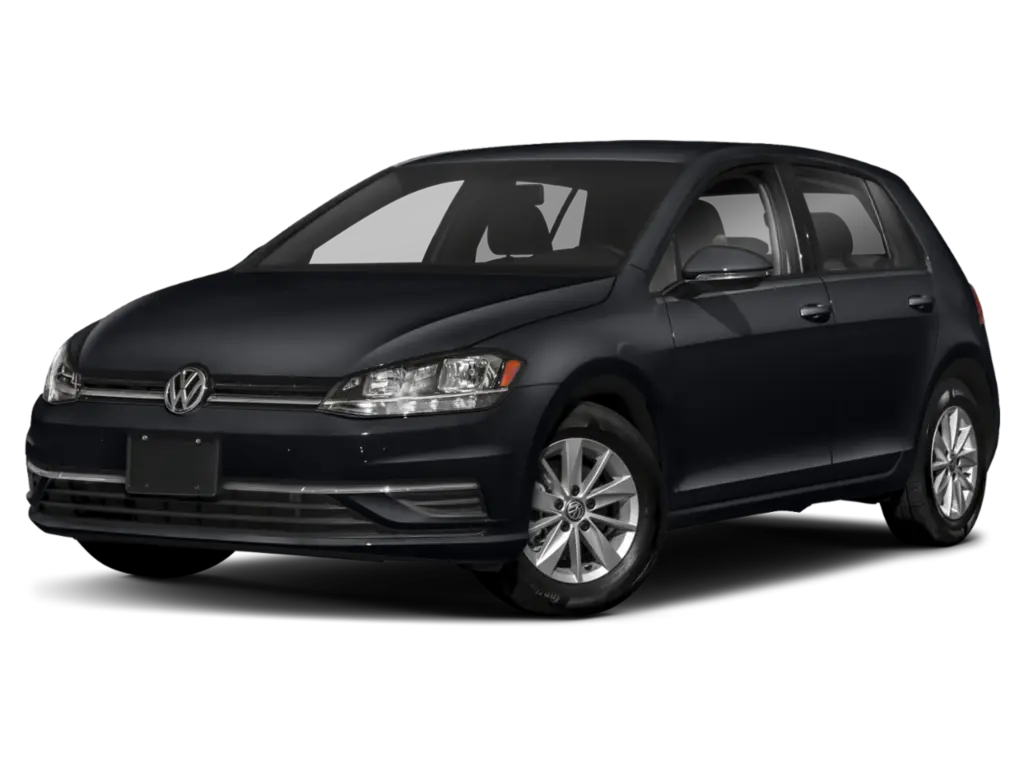
- Volkswagen Golf14
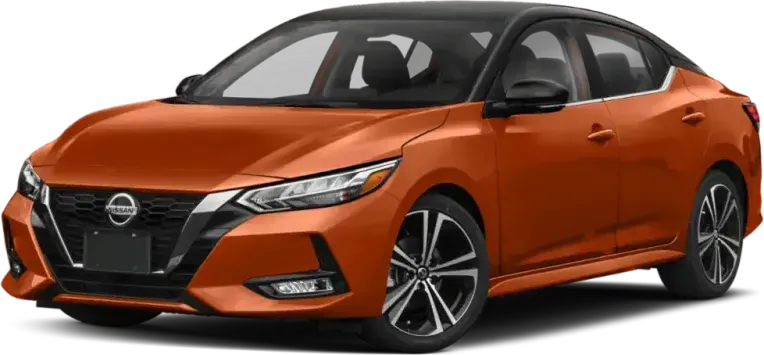
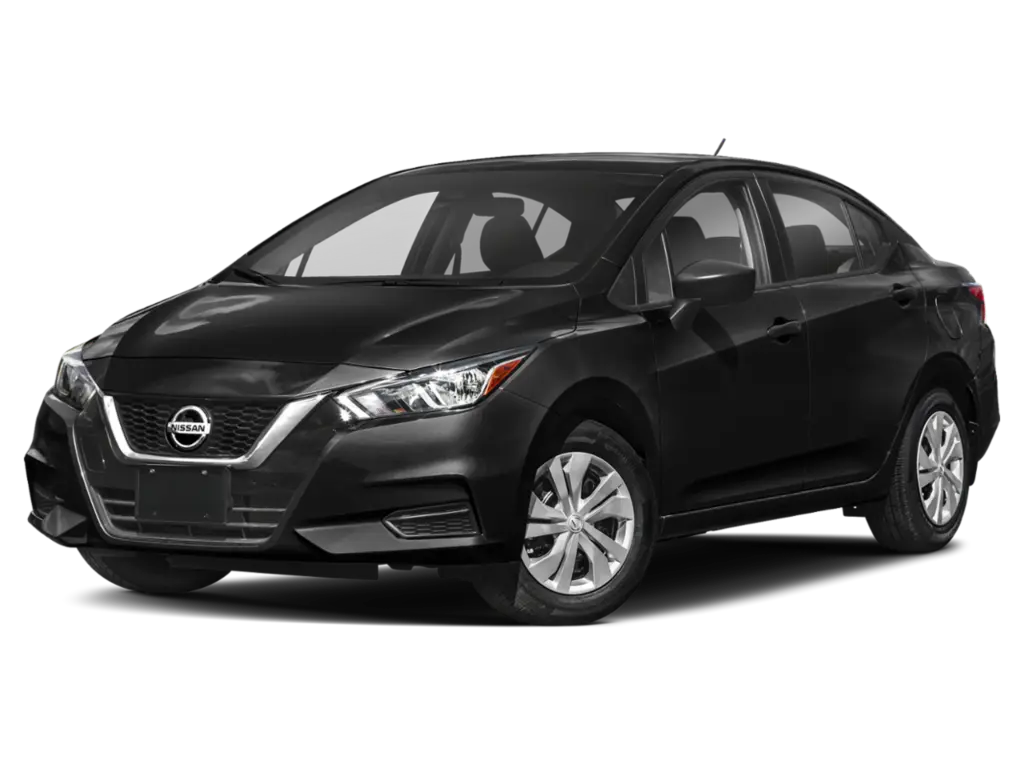
- Nissan Versa60
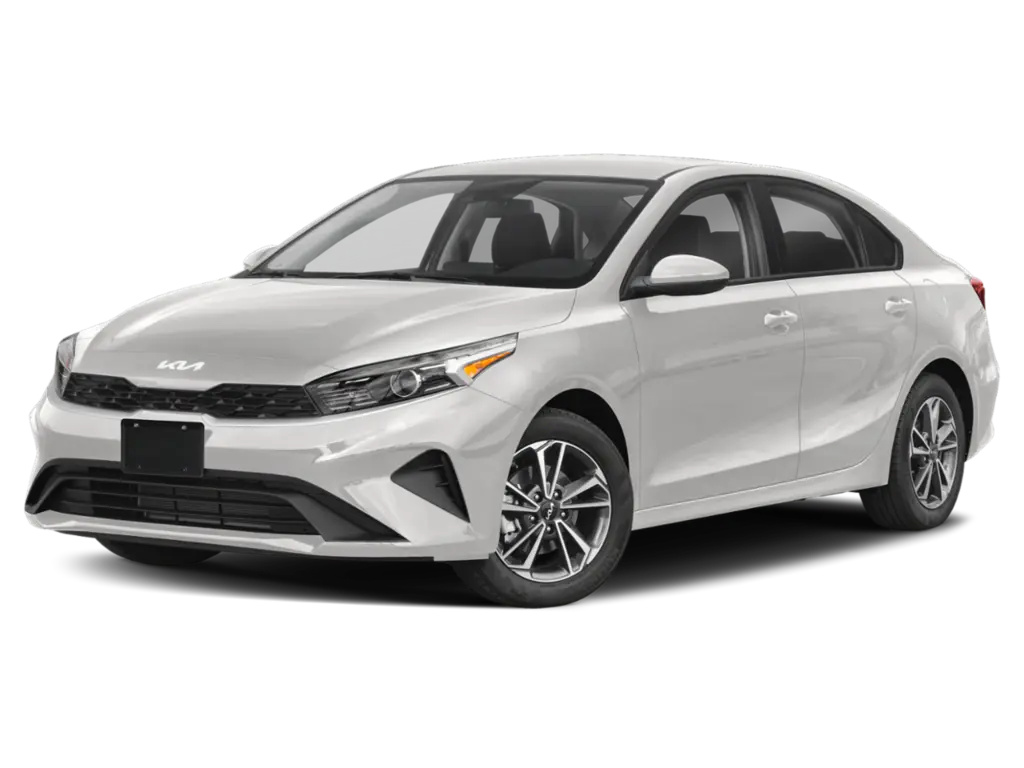
- Kia Forte63
- Nissan Sentra193
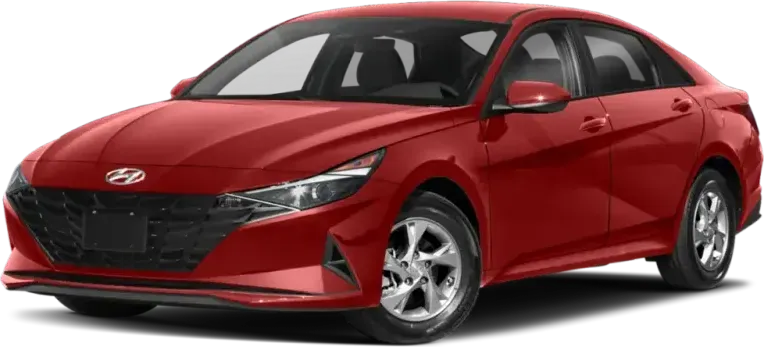
- Hyundai Elantra212
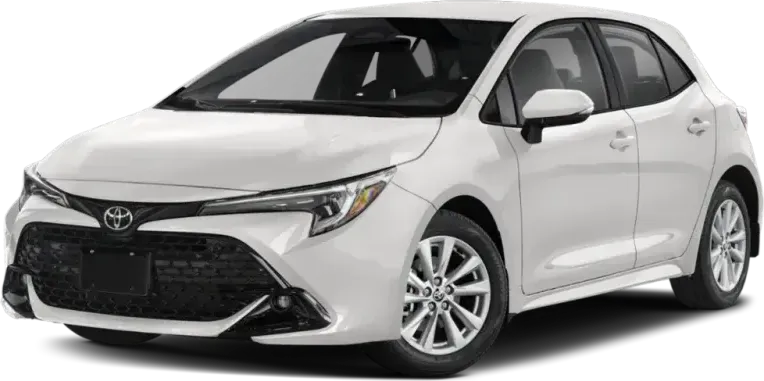
- Toyota Corolla290
- 2020 Honda Civic405