Used Car Checklists

2020 Volkswagen Golf: What to check before buying

Owners have filed 14 complaints with NHTSA about this car, most about the fuel system, electrical, and transmission. The 8 checks below target those problems, in the order you would do them at the car.

Volkswagen Golf2020
Owner complaints
14
Recalls
3
Crashes reported
0
Reliability
Good
75/100 on Auto Reliability Index

Run the VIN before you go

A history report shows accidents, title brands, odometer readings, and open recalls for this 2020 Volkswagen Golf. Ask the seller for the VIN; it is also on the dash at the base of the windshield.

Your inspection sheet

Tick items off on your phone at the car, or print it. Ticks stay on this device.

These checks are specific to this model year. For tires, body panels, fluids, and the other basics every used car needs, use the general inspection guide.

Reported on other Golf years with the same design

These years share the 2020's design and most of its parts, so their problems are the ones to look for on this car too.

2021 Golf

5 owner complaints
  • Electrical 3

Worth adding to your 2020 checks

  • Back up slowly in an open lot and watch for sudden braking or false obstacle warnings.
  • Confirm the airbag warning light goes out shortly after startup and stays off.
  • Ask whether the A/C drain tube has been checked or cleared, since water from a clogged tube damaged the airbag module.
Open the 2021 checklist

2019 Golf

162 owner complaints
  • Engine 23
  • Transmission 17
  • Electrical 14

Worth adding to your 2020 checks

  • Warm up a manual car fully, then coast to several stops in neutral and clutch-in, watching for a quiet stall.
  • During low-speed downshifts, confirm the dash gear indicator matches the gear you actually selected.
  • After the car sits in heat, drive several minutes and watch for a Check starter system warning or dead gauges.
Open the 2019 checklist

2018 Golf

56 owner complaints
  • Transmission 10
  • Fuel system 8
  • Body and structure 5

Worth adding to your 2020 checks

  • On DSG cars, make several gentle starts from a stop and watch for the transmission dropping into neutral on the 1-2 shift.
  • Check the coolant level and look for leaks around the thermostat housing and under the engine.
  • After a warm drive, sniff for gasoline in the cabin and look for fuel drips near the right rear wheel.
Open the 2018 checklist

Which Golf is it?

EPA figures for each version of the 2020 Volkswagen Golf. Use them to confirm you are looking at the version that was advertised, and as a yardstick on the test drive.

VersionDriveEPA rating
1.4L 4-cylFWD32 mpg
  • Reset the trip computer at the start of the drive. A Golf that averages well under the EPA 32 mpg combined on a mixed route may have an engine or tire problem.

Why these checks: what owners reported

NHTSA complaints for the 2020 Volkswagen Golf, grouped by the part owners named. Open a row to read what goes wrong.

  • Fuel system2No crashes

    A check engine light that stays on is the one actual failure described. An independent mechanic traced it to an evaporative emissions leak, code P0456, at about 17,000 miles. The rest of these complaints are about a recall repair that owners cite, not a breakdown. Dealers and the manufacturer confirm that parts are not yet available, and owners say the wait has gone on too long. In one report the dealer would not diagnose or repair the car. No crash or fire is reported.

  • Electrical2No crashes

    The most serious report is a sudden shutdown while driving. At about 25 mph the car dies, the brake and accelerator stop responding, and the dash shows "drive manually" along with EPC and check engine lights. A restart a minute later brings the car back to normal, but the driver loses control while the car is moving. A separate report covers an "SOS Emergency Call Function Not Available" message. A dealer confirmed that defect, which leaves the car without its emergency call feature.

  • Transmission2No crashes

    The engine stalls with the clutch pedal fully depressed as the car comes to a stop, and these reports come from manual-transmission cars. One owner had only 150 miles on the car. The stall comes with no warning lights or error codes. When the driver restarts, the idle can be very unsteady and the engine may stall again several times until the driver adds throttle. The problem comes and goes and is hard to reproduce. Each stall happens without warning while the car is slowing.

  • Engine2No crashes

    Stalling happens when the clutch is fully in and the throttle is released, for example while coasting downhill or stopping at a stop sign. The electronics stay on, but power steering and throttle are lost and engine speed drops to zero. No check engine light comes on, and code readers find no stored codes. Restarting can take several tries, and the idle may stutter or fluctuate and die again. Stalls are reported from the day of purchase, on both local streets and highways.

How the 2020 compares with other Golf years

Complaints for this year next to the average for the other model years, area by area.

The 2020 ranks fifth for owner complaints among 7 Golf years, well under the average of the others. Newer years have had less time to collect complaints, so compare like with like.

2020 Average of other years
  • Fuel system22
  • Electrical27
  • Transmission210
  • Engine28

Where the 2020 fits in the Golf's history

Redesigns and mid-cycle updates change what can go wrong.

The 2020 is the sixth model year of the Golf's seventh generation (2015–2021).

It includes the 2018 update.

What changed for 2018

  • Enhanced technology and updated styling.

Recalls to confirm (3)

Recall repairs are free at any Volkswagen dealer, but the seller may never have had them done. Check each campaign number against the VIN.

  1. 24V110000Fuel systemFeb 2024

    Volkswagen Group of America, Inc. (Volkswagen) is recalling certain front-wheel drive 2015-2020 Audi A3 Sedan, 2015-2019 Audi A3 Cabriolet, 2019-2020 Volkswagen Jetta GLI, 2018 Golf Sportwagen GP, 2018-2019 Golf Sportwagen A7, 2015-2017 Golf Sportwagen, 2015-2020 Golf GTI, and 2015-2020 Golf A7 vehicles. Due to a problem with a suction jet pump seal inside the fuel tank, fuel may flow into the evaporative emissions (EVAP) system and possibly leak out of the charcoal canister.

    Risk: A fuel leak in the presence of an ignition source increases the risk of a fire.

    Fix: Dealers will replace the suction pump, free of charge. Final owner notification letters for Audi owners were mailed on July 25, 2024. Final owner letters for VW owners were mailed on August 13, 2024. Owners may contact Volkswagen customer service at 1-800-893-5298 or Audi customer service at 1-800-253-2834. Volkswagen's numbers for this recall are VW: 20UF/Audi: 20YF. Vehicles that were previously recalled under 16V-647 will need to have the new remedy completed. This recall expands and replaces previous recall number 16V-647.

  2. 23V604000ElectricalAug 2023

    Volkswagen Group of America, Inc. (Volkswagen) is recalling certain 2019 Golf, Golf Alltrack, Golf Sportwagen, 2019-2020 Golf GTI, and Jetta vehicles equipped with a conventional ignition switch. The ignition switch may fail, especially in high temperature environments.

    Risk: Ignition switch failure can cause the electrical system to shut down and the engine to stall while driving, increasing the risk of a crash.

    Fix: Dealers will replace the ignition switch, free of charge. Owner notification letters were mailed February 1, 2024. Owners may contact Volkswagen's customer service at 1-800-893-5298. Volkswagen's number for this recall is 28H7.

  3. 22V815000Wheels and tiresOct 2022

    Volkswagen Group of America, Inc. (Volkswagen) is recalling certain 2019 Volkswagen Tiguan LWB, Golf Sportswagen A7, Golf Alltrack, Golf R GP, Audi Q3, Audi A3 Cabriolet, 2019-2020 Jetta NF, Jetta GLI, Golf GTI, Atlas, Golf A7, Audi A3, 2020-2021 Atlas Cross Sport, and 2021 Atlas FL vehicles. The tire pressure monitoring system may not detect an air pressure loss in adequate time when deflating occurs among all four tires simultaneously. As such, these vehicles fail to comply with the requirements of Federal Motor Vehicle Safety Standard number 138, "Tire Pressure Monitoring Systems.".

    Risk: An undetected sudden loss of pressure in all four tires increases the risk of a crash.

    Fix: Dealers will update the TPMS software, free of charge. Owner notification letters were mailed November 18, 2022. Owners may contact Volkswagen's customer service at 1-800-893-5298 or Audi’s customer service at 1-800-253-2834. Volkswagen's numbers for this recall are (Audi) 45J7, and (VW) 45J6 and 45J8.
Also looking at these instead of a Golf?

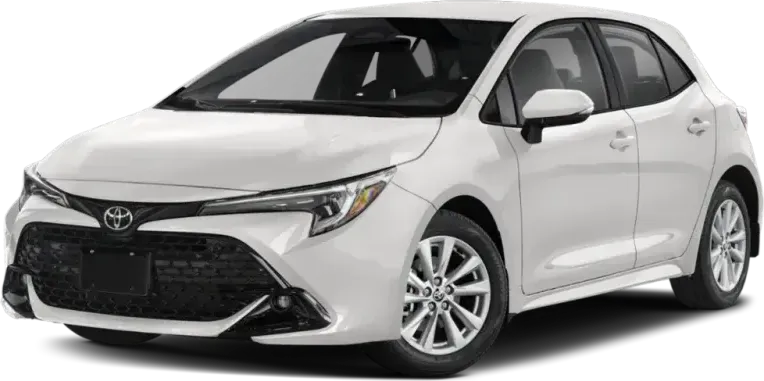
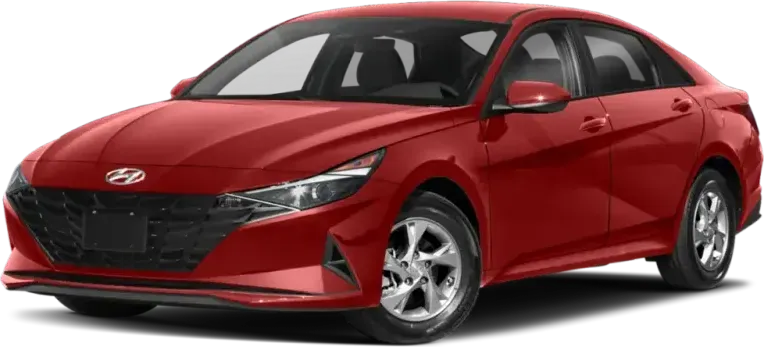
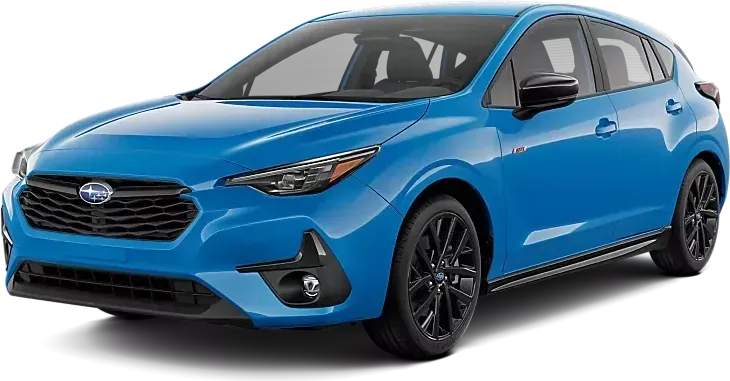
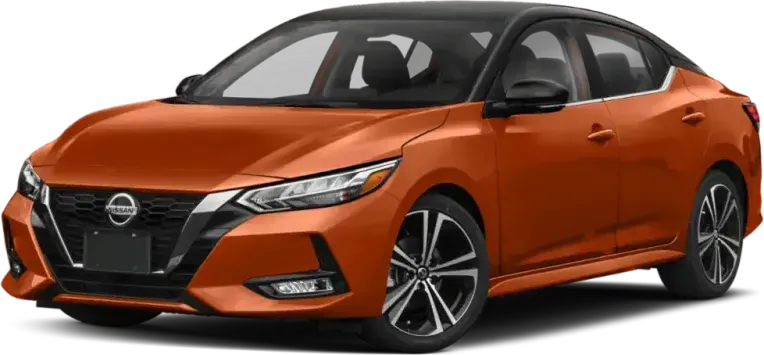
Cars shoppers compare with the Volkswagen Golf, with their own 2020 checklists.