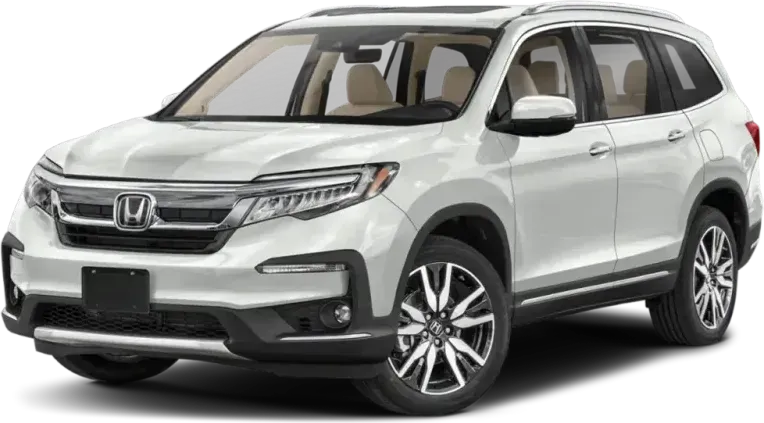
2023 Honda Pilot: What to check before buying
Owners have filed 93 complaints with NHTSA about this car, most about the electrical, steering, and seat belts. The 9 checks below target those problems, in the order you would do them at the car.
 2023
- Owner complaints
- 93
- Recalls
- 5
- Crashes reported
- 1
- 2 injuries
Your inspection sheet
Tick items off on your phone at the car, or print it. Ticks stay on this device.
0/9 checked
2023 Honda Pilot: inspection sheet
Paperwork and questions
Before you go, or before you touch the car0/2
Walk-around and cabin
Engine off, key in hand0/2
Cold start, engine bay, and underside
Ask the seller not to warm the car up first0/2
Test drive
At least 20 minutes, with some highway0/3
These checks are specific to this model year. For tires, body panels, fluids, and the other basics every used car needs, use the general inspection guide.
Which Pilot is it?
EPA figures for each version of the 2023 Honda Pilot. Use them to confirm you are looking at the version that was advertised, and as a yardstick on the test drive.
| Version | Drive | EPA rating |
|---|---|---|
| 3.5L 6-cyl | AWD, FWD | 21–22 mpg |
- Reset the trip computer at the start of the drive. A Pilot that averages well under the EPA 21 mpg combined on a mixed route may have an engine or tire problem.
Check the odometer against these mileages
Owners report these failures starting around the mileages below. A car inside one of these ranges deserves a closer look at that part, or records showing it was already fixed.
Sunroof glass shattering
600–16,527 miles
Steering rack noise
2,900–7,500 miles
Why these checks: what owners reported
NHTSA complaints for the 2023 Honda Pilot, grouped by the part owners named. Open a row to read what goes wrong.
Electrical191 crash
A sudden cascade of dashboard warnings is the main pattern. Brake, ABS, AWD, power steering, collision mitigation and adaptive cruise all report failures together, sometimes at highway speed, with lost acceleration, a shaking wheel or hard braking. Several cars needed towing, and some failed as early as 850 miles. Dealers often cannot reproduce it. When they do find a cause, it is often a front sensor or wheel speed sensor that is on backorder. Other reports describe headlights shutting off with radar systems, a disabled liftgate, and frayed wiring under the rear bumper. One crash report describes a sudden surge forward in a parking garage.
Steering15No crashes
Clicking, knocking or groaning when turning the wheel at low speed or while parked is the most common complaint. Dealers usually replace the steering rack, often within the first 7,500 miles. Some cars get a second or third rack because the noise keeps coming back. More serious reports describe lost power steering, or a wheel that seizes while warnings flood the dash. Lane keeping also draws complaints for pulling the car toward oncoming traffic or cyclists on country roads. These are clear loss-of-control risks.
Seat belts9No crashes
False unbuckled warnings sound in the second and third rows while passengers are properly buckled. The chime and light come and go when the passenger shifts. Wiggling the buckle silences the alert briefly, which some owners suspect is loose wiring under the buckle. Dealers often cannot replicate the fault, and some charge a diagnostic fee. One replaced belt began alarming again by 38k miles. Constant false alarms lead drivers to ignore the warning, and one report describes missing a real unbuckled passenger.
Wipers and visibility9No crashes
Panoramic sunroof glass shatters without warning and showers the cabin with glass. This has happened while driving and while reversing, at mileages from 600 to 16,527. In one case the driver suffered bruises and small cuts. Separately, the moonroof shade supports can fracture, leaving the roof uncovered. Side mirrors that tilt down in reverse sometimes fail to return to position, which a dealer traced to software with no remedy yet available.
Optical distortion in the windshield is the main complaint. Drivers describe warped, magnified views like looking through strong prescription glasses, which causes dizziness and disorientation. Separately, a windshield cracked around the camera while the car was parked, with no impact. Another report describes running out of washer fluid in highway salt spray with no low-fluid warning. Dealers are often described as unhelpful.
Transmission7No crashes
Hesitation when pulling away from a stop is the dominant complaint. Rough, uneven shifting makes merging and quick turns difficult. The car bogs and jerks at random, and dealers often turn owners away because they cannot reproduce it. In one case a replacement transmission did not cure the hesitation. Other reports describe the engine stalling at a red light and restarting slowly, and an AWD warning followed by a full loss of drive power while the engine revved.
Engine4No crashes
Loss of power and sluggish acceleration from a stop lead these reports. In one case the car would not exceed 25 to 30 mph, gave off a burning smell, and showed transmission, AWD and emissions warnings. Others describe a rough idle and a misfire-like stumble in cool weather with no check engine light. Dealers could not replicate it and pointed to carbon buildup. Repeat emissions sensor faults and a leaking VTC oil control valve also appear.
Body and structure4No crashes
Water leaks and body defects make up most of these reports. Leaks soaked the driver's seat belt and airbag electronics on a car without a sunroof, and in another case water got in at 527 miles from a source the dealer could not find. Popping and cracking from the roof in reverse traced back to improper welds on the cross member under the third row. A sunroof also exploded at highway speed, leaving a jagged hole in the glass.
Automatic emergency braking4No crashes
Phantom braking is the core problem. The car slams on its brakes with no vehicles, pedestrians or obstacles ahead, often while passing tractor trailers or on the same stretch of road at around 45 mph. Some drivers keep a foot over the gas to counter it and fear being rear-ended. The system also drops out as part of the wider multi-warning failure, and repair parts are on backorder.
In owners' own words
Excerpts from complaints Pilot owners filed with NHTSA, as written. Listen for the same symptoms on your test drive.
When I filled up on gas and I used 88 instead of regular 87 fuel so a day after I filled up with gas I turn on the vehicle all of the lights came on warning that the awd system didn’t work and the lane departure didn’t work and cruse control didn’t work. And when I went to the dealer they couldn’t figure it out until the pulled the gas out saying we put the wrong gas in the car
Filed with NHTSA, July 2024
I purchased a used Honda Pilot and in less than 30 days I'm having problems with some electrical wiring harness. The dealership wants me to pay for the repairs. The error message that showed up "auto idle stop ignition problem see your dealership"
Filed with NHTSA, April 2025
Steering makes noise, safety concern. Steering rack replaced at 5,000 miles in July 2024 (10 months after purchase). Noise came back at approximately 7,500 in October 2024 (13 months after purchase). Was told initial Steering rack was defective and the replacement may have been defective too. Honda replaced the steering rack a second time on October 28-29, 2024. Not sure of this is a permanent fix.
Filed with NHTSA, October 2024
When trying to drive my vehicle i noticed the steering wheel became hard to turn. I was able to get a tow truck to drop my vehicle off at the dealership to get it looked at. The dealership is telling me that it is due to a steering problem needing a rack and pinion part. This vehicle is a 2023 Honda Pilot which was just purchased by me in April. There hasnt been any issue until now.
Filed with NHTSA, September 2025
The seat belt alarm keeps going off as if the seat belt is not buckled even though it is buckled. The first issue was when I had the car less than a yr. The middle row right side had this problem and the dealer replaced the seatbelt. Now at 38k miles, the middle row middle seat started to have the same issue. Also, the middle row on the right side would occasionally alarm as well but not as constant (this was the same seatbelt that was replaced initially).
Filed with NHTSA, January 2026
‘23 pilot will signal an alarm stating I have an unsecured passenger in my middle row (while my passenger is properly secured via the seatbelt). If my passenger pushes or jiggles the seatbelt at the clasp (where is latches together at the seat), it will turn off for a moment and then begin again. I’m not sure if this is a wiring issue, sensor issue or defective part, but this seems like a safety issue.
Filed with NHTSA, January 2025
How the 2023 compares with other Pilot years
Complaints for this year next to the average for the other model years, area by area.
The 2023 ranks seventh for owner complaints among 8 Pilot years, well under the average of the others. Newer years have had less time to collect complaints, so compare like with like.
- Electrical1988
- Steering156
- Seat belts92
- Wipers and visibility94
- Transmission732
- Engine436
Where the 2023 fits in the Pilot's history
Redesigns and mid-cycle updates change what can go wrong.
The 2023 is the first model year of the Pilot's fourth generation (2023 on). First years of a redesign often carry teething problems that Honda fixes in later years, so the checks above matter more than usual.
Honda updated the Pilot for 2026, so a 2023 does not have those changes.
What changed for 2026 (not on a 2023)
- Redesigned front fascia
- Updated interior technology
Should you avoid the first year of a redesign? See the 45-car study.
Recalls to confirm (5)
Recall repairs are free at any Honda dealer, but the seller may never have had them done. Check each campaign number against the VIN.
25V391000BrakesJun 2025
Honda (American Honda Motor Co.) is recalling certain 2021-2025 Acura TLX, 2023-2025 Acura MDX, and 2023-2025 Honda Pilot vehicles. The brake pedal pivot pin was not secured properly, which can cause the pedal to shift out of position. As such, these vehicles fail to comply with Federal Motor Vehicle Safety Standard numbers 108, "Lamps, Reflective Devices, and Associated Equipment" and 135, "Light Vehicle Brake Systems.".
Risk: A brake pedal that shifts out of position can prevent the driver from applying the brakes as intended, increasing the risk of a crash or injury.
Fix: Dealers will inspect and replace the brake pedal assembly as necessary, free of charge. Owner notification letters were mailed July 29, 2025. Owners may contact Honda's customer service at 1-888-234-2138. Honda's numbers for this recall are FLX and XLY.
25V031000Fuel systemJan 2025
Honda (American Honda Motor Co.) is recalling certain 2022-2025 Acura MDX Type-S, 2023-2025 Honda Pilot, and 2021-2025 Acura TLX Type-S vehicles. A software error in the fuel injection electronic control unit (FI-ECU) may cause an engine stall or a loss of power.
Risk: An engine stall or loss of power can increase the risk of a crash or injury.
Fix: Dealers will reprogram the FI-ECU software, free of charge. Owner notification letters were mailed March 17, 2025. Owners may contact Honda's customer service at 1-888-234-2138. Honda's numbers for this recall are EL1 and AL0.
24V900000Fuel systemNov 2024
Honda (American Honda Motor Co.) is recalling certain 2023-2024 Passport and 2023-2025 Pilot vehicles. The fuel filler neck tube and fuel filler pipe may separate, allowing fuel to leak.
Risk: A fuel leak in the presence of an ignition source increases the risk of a fire.
Fix: Dealers will inspect and repair the fuel filler neck tube and pipe as necessary, free of charge. Owner notification letters were mailed January 7, 2025. Owners may contact Honda customer service at 1-888-234-2138. Honda's number for this recall is OKM.
24V859000SeatsNov 2024
Honda (American Honda Motor Co.) is recalling certain 2023-2024 Honda Accord, Accord Hybrid, Civic Sedan, Civic Hatchback, Pilot, and 2024 HR-V, Acura Integra and Acura Integra Type S vehicles. The driver's seat cushion frame may not have been tightened properly, which can result in an unsecured seat. As such, these vehicles fail to comply with the requirements of Federal Motor Vehicle Safety Standard number 207, "Seating Systems.".
Risk: An unsecured driver's seat may not adequately restrain the driver during a crash, increasing the risk of injury.
Fix: Dealers will replace the driver's seat cushion frame, free of charge. Owner notification letters were mailed January 6, 2025. Owners may contact Honda customer service at 1-888-234-2138.
23V735000SteeringNov 2023
Honda (American Honda Motor Co.) is recalling certain 2023-2024 Pilot vehicles. Due to a manufacturing error, the gear box assembly may contain a loose ball bearing, which can result in a loss of steering control or steering lock-up.
Risk: A loss of steering control or steering lock-up can increase the risk of a crash.
Fix: Dealers will replace the electric power steering rack, free of charge. Owner notification letters were mailed December 18, 2023. Owners may contact Honda customer service at 1-888-234-2138. Honda's number for this recall is FFX.
Also looking at these instead of a Pilot?
Cars shoppers compare with the Honda Pilot, with their own 2023 checklists.
2023 owner complaints, side by side
- Mazda CX-912
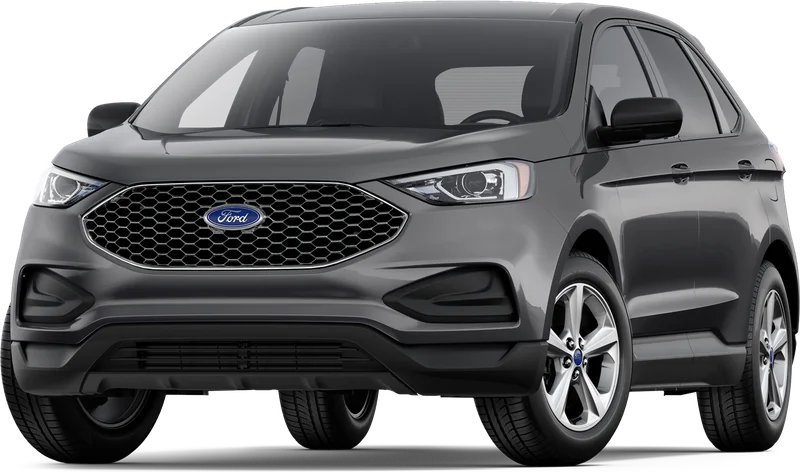
- Ford Edge16
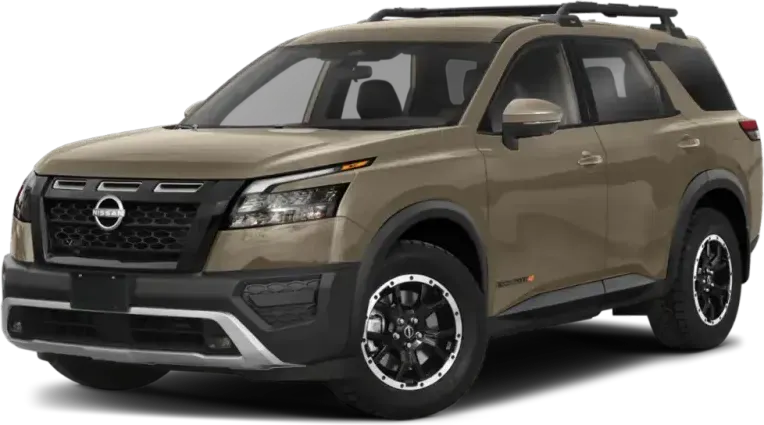
- Nissan Pathfinder86
- 2023 Honda Pilot93
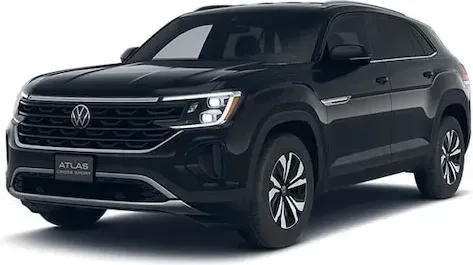
- Volkswagen Atlas114
- Kia Telluride161
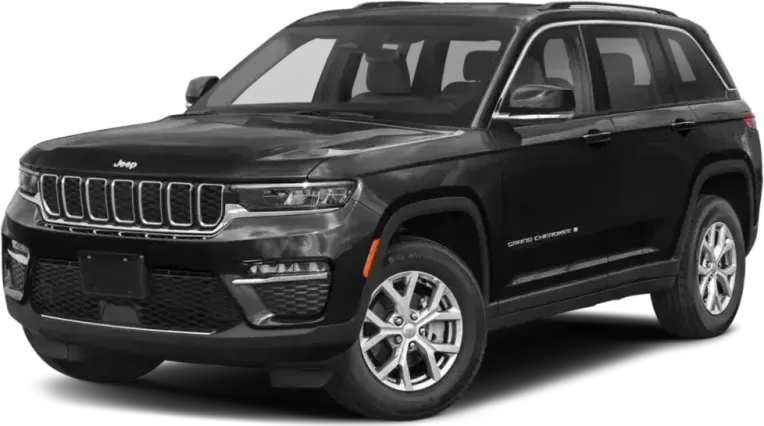
- Jeep Grand Cherokee363