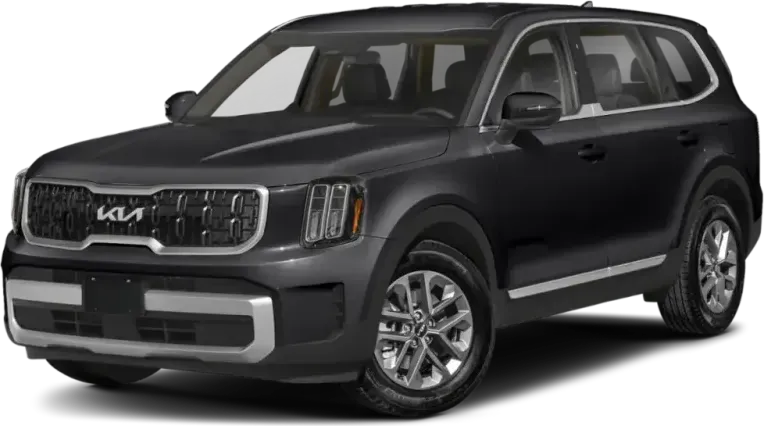
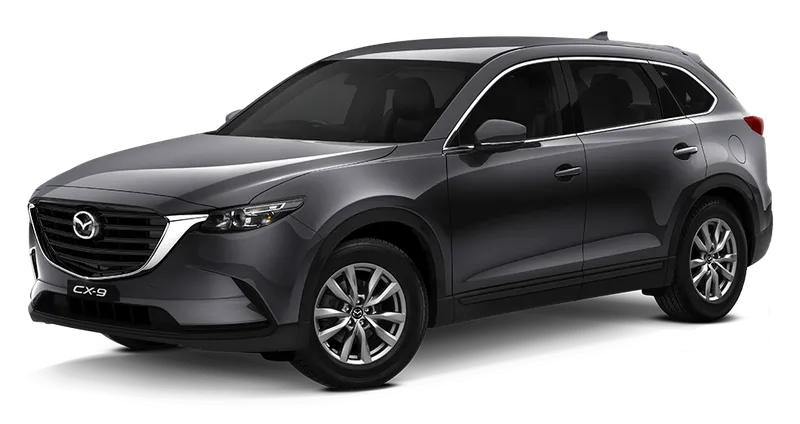
2020 Honda Pilot: What to check before buying
Owners have filed 431 complaints with NHTSA about this car, most about the electrical, engine, and fuel system. The 9 checks below target those problems, in the order you would do them at the car.
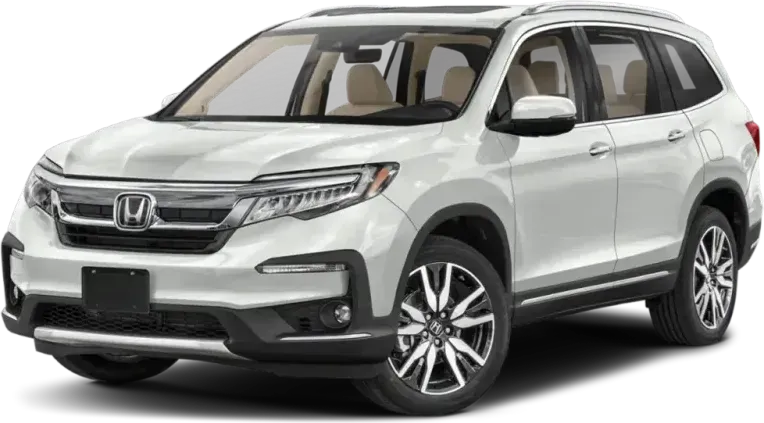 2020
- Owner complaints
- 431
- Recalls
- 9
- Crashes reported
- 10
- 13 injuries
Your inspection sheet
Tick items off on your phone at the car, or print it. Ticks stay on this device.
0/9 checked
2020 Honda Pilot: inspection sheet
Paperwork and questions
Before you go, or before you touch the car0/3
Walk-around and cabin
Engine off, key in hand0/2
Cold start, engine bay, and underside
Ask the seller not to warm the car up first0/1
Test drive
At least 20 minutes, with some highway0/3
These checks are specific to this model year. For tires, body panels, fluids, and the other basics every used car needs, use the general inspection guide.
Which Pilot is it?
EPA figures for each version of the 2020 Honda Pilot. Use them to confirm you are looking at the version that was advertised, and as a yardstick on the test drive.
| Version | Drive | EPA rating |
|---|---|---|
| 3.5L 6-cyl | AWD, FWD | 22–23 mpg |
- Reset the trip computer at the start of the drive. A Pilot that averages well under the EPA 22 mpg combined on a mixed route may have an engine or tire problem.
Check the odometer against these mileages
Owners report these failures starting around the mileages below. A car inside one of these ranges deserves a closer look at that part, or records showing it was already fixed.
Auto stop/start no-restart
25,000–50,000 miles
Engine compartment fire
41,400–42,000 miles
Fuel injector check engine codes
50,000–58,000 miles
Transmission shudder and clunking
50,000–60,000 miles
Front safety camera failure
78,000–86,000 miles
Infotainment and camera blackout
79,000–86,300 miles
Rod bearing engine failure
89,000–96,000 miles
Why these checks: what owners reported
NHTSA complaints for the 2020 Honda Pilot, grouped by the part owners named. Open a row to read what goes wrong.
Electrical1862 crashes
The infotainment screen goes blank or shows "Network Communication Lost." When it does, the backup camera and radio go with it, and sometimes the whole gauge cluster too. Popping and crackling from the speakers usually comes first. Many say recall wiring repairs did not stop it. Reports run from the first weeks of ownership to about 86,000 miles. The auto stop/start can also shut the engine off at a light and fail to restart it, sometimes after repeated battery replacements. Other reports describe the car waking itself in accessory mode, failed front cameras, 2 crashes, and 1 fire.
Engine39No crashes
Sudden failure on the road is the most serious pattern. The check engine light comes on, power drops, and a knocking or clanking sound follows. Dealers trace some cases to connecting rod bearing failure that needs a new engine, one around 96,000 miles. Two reports describe fires. One started in a parked vehicle, and the other happened while driving at 42,000 miles. Auto stop/start that will not restart the engine at lights comes up often, even after recall work. Smaller patterns include a gasoline smell through the vents after highway drives and lean or misfire codes linked to fuel injectors.
Fuel system37No crashes
Most of these reports are about recall 23V858000 for the fuel pump. Owners got the notice, but dealers had no parts to do the repair, and many had not seen any failure yet. When failures do happen, the vehicle stalls in traffic, loses power, hesitates, or will not accelerate. Some drivers say they nearly crashed. Check engine, emissions, and AWD warnings often show up with the stalls. A few cases continued after the recall repair or were blamed on fuel injectors or the battery.
Long waits for the recall 23V-858 fuel pump repair are the main theme. Dealers said parts would not arrive until fall 2024, while some vehicles kept stalling in traffic. A second pattern is fuel injector failure. The check engine light flashes and the car jerks or surges in first and second gear. Dealers find P0430 codes and failed cylinder tests and recommend new injectors, with no coverage for 2020 models. A few owners report fuel pump symptoms even though their VIN was left out of the recall.
Automatic emergency braking31No crashes
Two failures dominate. In the first, the front multipurpose camera dies and shuts off adaptive cruise, lane keeping, collision mitigation braking, road departure mitigation, and auto high beams all at once, often with a brake system warning. Dealers quote roughly $1,700 to $2,000 for a new camera and re-aim. In the second, the collision system warns or slams the brakes with nothing ahead, sometimes at highway speed or because of oncoming traffic. Several drivers report near rear-end collisions. Dealers often cannot reproduce the false braking.
Transmission29No crashes
The transmission shudders, clunks, lunges, or lags, usually starting around 50,000 to 60,000 miles. Dealers often answer with repeated fluid flushes, and the problem comes back. Some vehicles lose power when accelerating at highway speed. Others shift into park or shut off while moving, and one dealer blamed a front camera communication fault for that. Stop/start no-restart complaints show up here too. Other reports mention metal flakes in the oil, an electronic shifter that cannot reach neutral with a dead battery, and 1 injury from a rollaway.
Brakes153 crashes
Two kinds of reports appear. In the more serious kind, the pedal sinks to the floor or the brakes do not respond, and the vehicle crashes or surges forward with the pedal pressed. These complaints include 3 crashes and 4 injuries, some within the first few thousand miles. In the more common kind, the collision system flashes a brake warning, shakes the wheel, or brakes hard on an empty road. Soft, low pedal feel also comes up. Dealers often find nothing wrong.
Airbags22 crashes
Front airbags failed to deploy in a head-on collision followed by a rollover. Separately, a driver airbag deployed and the cabin filled with smoke, and the driver was burned. Both reports involve crashes with injuries, 3 people in total. With only 2 complaints, there is no repeat pattern, but both describe the airbags not working as intended in a real collision.
Seats21 crash
Second-row and third-row seat hardware can fail. In one report, a second-row seat unlatched under hard braking and slammed forward into the front seatback. In another, a third-row headrest would no longer lock upright, so that seat was unusable. There are only 2 complaints, so no broad pattern is visible yet. One is marked crash-related, and both describe a real injury risk to passengers.
In owners' own words
Excerpts from complaints Pilot owners filed with NHTSA, as written. Listen for the same symptoms on your test drive.
Electrical components for navigation, hand free devices, back Up camera & radio have an advisory from HONDA. Can has been into dealership multiple times claiming to be “fixed” but when delivered it is not. Wiring harness for radio is on back order for 5+ months, but dealership is unsure if this will correct the problem. Another concern is that 60,000 warranty is within 10,000 miles of expiring.
Filed with NHTSA, March 2023
The infotainment center goes out, the screen reads "Network Communication Lost" "MOST Net off". This occurs while using the rearview camera, causing a safety issue. This is a known Honda issue, bulletin 20-049, 20-058, A19-030B. Replacement of FAKRA connectors, MOST bus wiring harness (parts 39817-TJB-ACO housing or 39165-TG7 cords) or the entire floor harness.. Vehicle has 79,000 miles.
Filed with NHTSA, November 2025
Currently showing DTC P219B (O2 Sensor Signal Biased/Stuck Lean – Bank 2 Sensor 1) along with P0430 . For prior years thru 2019, Honda has issued Service Bulletins 19-072 and 20-100 covering DTCs P030x, P219A, and P219B, which may involve PCM software updates, a Cylinder A/F Test, and potential injector replacement. However, they have not issued bulletins for 2020. My car only has 58,000 miles.
Filed with NHTSA, February 2026
My fiancé and children were driving our 2020 Honda pilot on May 2, 2024 when she started hearing a clunking noise and the vehicle, lost power as she was driving on interstate 70 she was able to get the vehicle to the side of the road safely, but the Indian was making loud clocking grinding sound with very little power to move This was very unsafe in a scary situation for her and the kids The car is not safe to drive like this
Filed with NHTSA, May 2024
I just bought this vehicle yesterday. While driving it home the front collision breaking system came on twice. There were no other vehicles, pedestrians, animals, or objects on the road. On both occasions it was only momentary. One time the instance was on a curve, the other was on a straight-a-way. This happened on a 2 lane (one in each direction) road. I will be reaching out to the Ford dealership where it was purchased along with Honda.
Filed with NHTSA, January 2023
CMBS activates for no reason whatsoever. I can't even count how many times this vehicle has locked the brakes up and no cars anywhere near me at all. Like miles down the road. Honda said they can't replicate the issue. Well, it's going to be hard to replicate something that happens 4 or 5 times in a week by driving it 10 min down the road. This vehicle is going to get my family killed.
Filed with NHTSA, September 2024
How the 2020 compares with other Pilot years
Complaints for this year next to the average for the other model years, area by area.
The 2020 ranks second for owner complaints among 8 Pilot years, about 1.5 times the average of the others. Newer years have had less time to collect complaints, so compare like with like.
- Electrical18664
- Engine3931
- Fuel system3730
- Automatic emergency braking3117
- Transmission2929
- Brakes158
Where the 2020 fits in the Pilot's history
Redesigns and mid-cycle updates change what can go wrong.
The 2020 is the fifth model year of the Pilot's third generation (2016–2022).
It includes the 2019 update.
What changed for 2019
- Updated exterior with new bumpers and grille
- Interior infotainment system updated
Recalls to confirm (9)
Recall repairs are free at any Honda dealer, but the seller may never have had them done. Check each campaign number against the VIN.
24V064000AirbagsFeb 2024
Honda (American Honda Motor Co.) is recalling certain 2020-2022 Pilot, Accord, Civic sedan, HR-V, Odyssey, 2020 Civic coupe, Fit, 2021-2022 Civic hatchback, 2021 Civic Type R, Insight, 2020-2021 CR-V, CR-V Hybrid, Passport, Ridgeline, Accord Hybrid, 2020 Acura MDX, 2022 Acura MDX, 2020-2022 Acura RDX, and 2020-2021 Acura TLX vehicles. The front passenger seat weight sensor may crack and short circuit, failing to suppress the air bag as intended.
Risk: An air bag that deploys unintentionally during a crash can increase the risk of injury.
Fix: Dealers will replace the seat weight sensors, free of charge. Owner notification letters were mailed March 28, 2024, October 18, 2024, and August 2025. This is a phased recall. Owners may contact Honda customer service at 1-888-234-2138. Honda's numbers for these recalls are XHP and VHQ.
23V858000Fuel systemDec 2023
Honda (American Honda Motor Co.) is recalling certain 2013-2023 Honda Accord, Civic Coupe, Civic Sedan, Civic Hatchback, Civic Type R, CR-V, HR-V, Ridgeline, Odyssey, Acura ILX, MDX, MDX Hybrid, RDX, RLX, TLX, 2019-2022 Honda Insight, Passport, 2020 Honda CR-V Hybrid, 2018-2019 Honda Clarity PHEV, Fit, and 2015-2020 Honda Accord Hybrid, Pilot, Acura NSX vehicles. The fuel pump inside the fuel tank may fail.
Risk: Fuel pump failure can cause an engine stall while driving, increasing the risk of a crash.
Fix: Dealers will replace the fuel pump module, free of charge. Owner letters were mailed September 6, 2024. Owners may contact Honda customer service at 1-888-234-2138. Honda's numbers for this recall are KGC and KGD. This recall is an expansion of NHTSA recall numbers 21V-215 and 20V-314.
23V431000Backup cameraJun 2023
Honda (American Honda Motor Co.) is recalling certain 2018-2023 Odyssey, 2019-2022 Pilot, and 2019-2023 Passport vehicles. Due to a faulty Media Oriented Systems Transport (MOST) communication coaxial cable connector, the rearview camera image may not appear on the display. As such, these vehicles fail to comply with the requirements of Federal Motor Vehicle Safety Standard number 111, "Rear Visibility.".
Risk: A rearview camera that does not display an image can reduce the driver's rear view, increasing the risk of a crash or injury.
Fix: Dealers will replace the MOST cable harness and install a straightening cover over the vehicle cable connector, free of charge. Owner notification letters were mailed July 24, 2023. Owners may contact Honda customer service at 1-888-234-2138. Honda's numbers for this recall are EEL, ZEM, and SFC.
23V174000Wipers and visibilityMar 2023
Honda (American Honda Motor Co) is recalling certain 2020-2021 Pilot and Ridgeline, and 2020-2022 Passport and Odyssey vehicles. The heating pads behind both side-view mirrors may not be bonded properly, allowing the mirror glass to detach. As such, these vehicles fail to comply with the requirements of Federal Motor Vehicle Safety Standard number 111, "Rear Visibility.".
Risk: Detached mirror glass can reduce driver visibility, increasing the risk of a crash.
Fix: Dealers will replace both left and right side-view mirrors, free of charge. Owner letters were mailed January 17, 2024. Owners may contact Honda customer service at 1-888-234-2138. Honda's number for this recall is FE5.
21V165000Wheels and tiresMar 2021
Honda (American Honda Motor Co.) is recalling certain 2019-2020 Passport and Pilot vehicles equipped with Continental tires. On the affected vehicles, it is possible that one or more tires were cured for too long during tire production.
Risk: Overcured tires may develop a break in the sidewall, resulting in sudden air loss or belt edge separation, which could lead to tread/belt loss. Either condition can cause a loss of vehicle control, increasing the risk of a crash or injury.
Fix: Honda will notify owners, and dealers will inspect all four tires and replace them as necessary, free of charge. The recall began April 22, 2021. Owners may contact American Honda Motor Co. customer service at 1-888-234-2138. Honda's number for this recall is UA2.
20V439000Backup cameraJul 2020
Honda (American Honda Motor Co.) is recalling certain 2018-2020 Odyssey, 2019-2020 Passport, and 2019-2021 Pilot vehicles. Incorrect instrument panel control module software can cause the instrument panel to not display critical information, such as engine oil pressure, speedometer, and gear selector position until the next ignition cycle. Additionally, it can prevent the rearview camera image from displaying. As such, these vehicles fail to comply with the requirements of Federal Motor Vehicle Safety Standard (FMVSS) numbers 101, "Control and Displays" and 111, "Rearview Mirrors.".
Risk: Operating a vehicle without a functioning instrument panel or rearview camera display increases the risk of a crash.
Fix: Honda will notify owners, and dealers will reprogram the instrument panel control module software, free of charge. The recall began September 23, 2020. Owners may contact Honda customer service at 1-888-234-2138. Honda's number for this recall is T89.
20V440000ElectricalJul 2020
Honda (American Honda Motor Co.) is recalling certain 2019-2021 Pilot, 2019-2020 Odyssey and 2019-2020 Passport vehicles. Incorrect central network software programming may cause several errors to occur that can delay or prevent the rearview camera image from displaying. As such, these vehicles fail to comply with the requirements of Federal Motor Vehicle Safety Standard (FMVSS) number 111, "Rearview Mirrors.".
Risk: A delayed or inoperative rearview camera display can reduce the driver's view of what is behind the vehicle, increasing the risk of a crash.
Fix: Honda will notify owners that updated software is available. Owners have the option to either follow the mailed instructions to download and update the software for free, or visit a dealer to have the software update performed, free of charge. The recall began September 23, 2020. Owners may contact Honda customer service at 1-888-234-2138. Honda's number for this recall is Y7Y.
20V067000EquipmentFeb 2020
Honda (American Honda Motor Co.) is recalling certain 2020 Passport and Pilot vehicles. The certification label may have been printed with ink that can be wiped away with a solvent, removing the Gross Axle Weight Rating (GAWR) and Gross Vehicle Weight Rating (GVWR) information.
Risk: If the operator is unable to refer to the label information, the vehicle may be overloaded, increasing the risk of a crash.
Fix: Honda will notify owners, and dealers will replace the certification label, free of charge. The recall began March 24, 2020. Owners may contact Honda customer service at 1-888-234-2138. Honda's number for this recall is B6T.
19V784000Body and structureOct 2019
Honda (American Honda Motor Co.) is recalling certain 2019-2020 Pilot and 2019 Passport vehicles. The front frame left and right side upper members may not have been welded completely to the unibody. As such, these vehicles may fail to comply with the requirements of Federal Motor Vehicle Safety Standard (FMVSS) numbers 208, "Occupant Crash Protection" and 219, "Windshield Zone Intrusion.".
Risk: In the event of a crash, incomplete body welding may provide inadequate protection to occupants, increasing the risk of an injury.
Fix: Honda will notify owners, and dealers will inspect the vehicle for missing welds, free of charge. If the vehicle is identified as missing welds, the dealer will offer to repurchase the vehicle or provide a similar replacement vehicle. Owner notification began November 6 2019. Owners may contact Honda customer service at 1-888-234-2138. Honda's number for this recall is X6J.
Also looking at these instead of a Pilot?
Cars shoppers compare with the Honda Pilot, with their own 2020 checklists.
2020 owner complaints, side by side
- Mazda CX-919
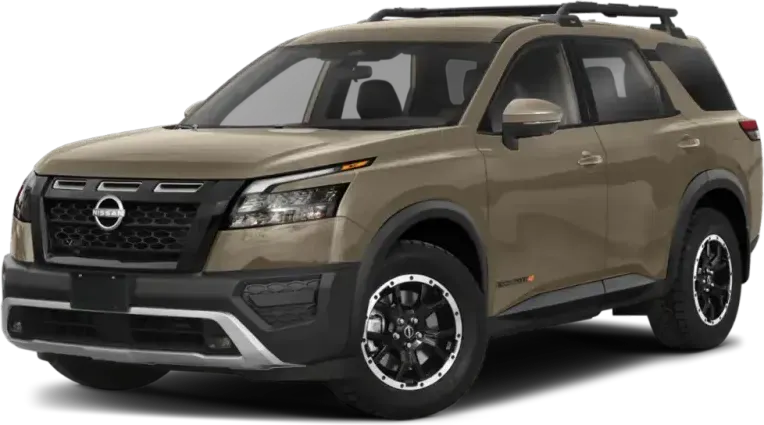
- Nissan Pathfinder43
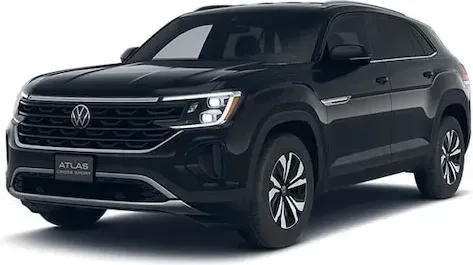
- Volkswagen Atlas116
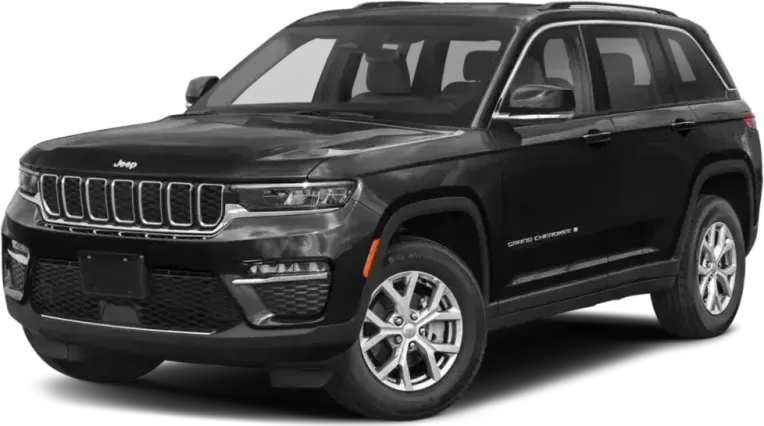
- Jeep Grand Cherokee207
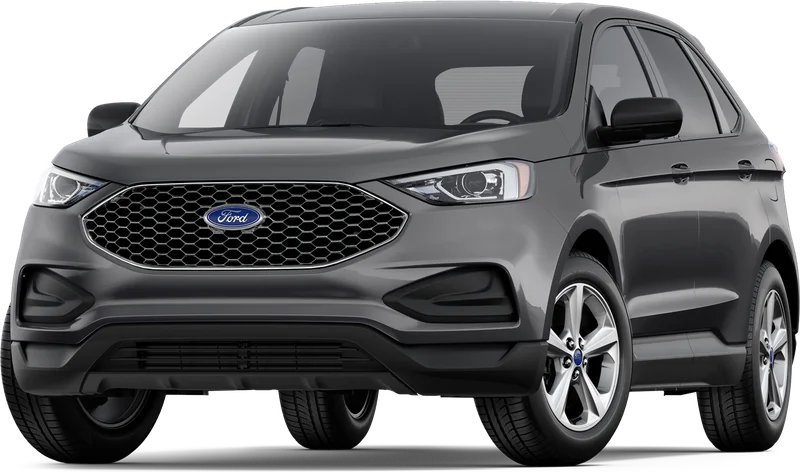
- Ford Edge272
- 2020 Honda Pilot431
- Kia Telluride667