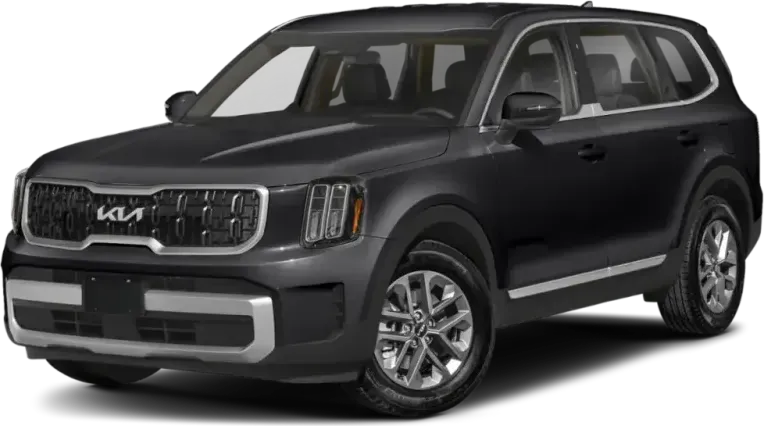
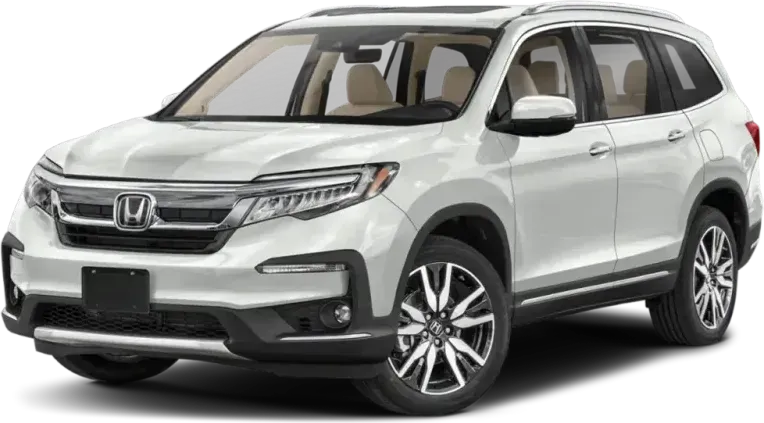
2021 Honda Pilot: What to check before buying
Owners have filed 358 complaints with NHTSA about this car, most about the electrical, automatic emergency braking, and engine. The 9 checks below target those problems, in the order you would do them at the car.
 2021
- Owner complaints
- 358
- Recalls
- 8
- Crashes reported
- 11
- 7 injuries
Your inspection sheet
Tick items off on your phone at the car, or print it. Ticks stay on this device.
0/9 checked
2021 Honda Pilot: inspection sheet
Paperwork and questions
Before you go, or before you touch the car0/2
Cold start, engine bay, and underside
Ask the seller not to warm the car up first0/2
Test drive
At least 20 minutes, with some highway0/5
These checks are specific to this model year. For tires, body panels, fluids, and the other basics every used car needs, use the general inspection guide.
Which Pilot is it?
EPA figures for each version of the 2021 Honda Pilot. Use them to confirm you are looking at the version that was advertised, and as a yardstick on the test drive.
| Version | Drive | EPA rating |
|---|---|---|
| 3.5L 6-cyl | AWD, FWD | 22–23 mpg |
- Reset the trip computer at the start of the drive. A Pilot that averages well under the EPA 22 mpg combined on a mixed route may have an engine or tire problem.
Check the odometer against these mileages
Owners report these failures starting around the mileages below. A car inside one of these ranges deserves a closer look at that part, or records showing it was already fixed.
Premature tire wear and blowouts
29,000–30,000 miles
Airbag warning light, SRS fault
41,000–45,000 miles
Front camera driver-assist failure
41,500–69,000 miles
Blank backup camera screen
48,000–55,000 miles
Connecting rod bearing engine failure
84,000–109,000 miles
Why these checks: what owners reported
NHTSA complaints for the 2021 Honda Pilot, grouped by the part owners named. Open a row to read what goes wrong.
Electrical951 crash
The engine stalls at stops when auto idle-stop shuts it off and then fails to restart it, sometimes leaving the car stuck in traffic for many minutes. A second large pattern is front camera failure. That knocks out adaptive cruise, lane keeping, collision mitigation braking and auto high beams together, often well before 62,000 miles. A new battery does not clear the warnings. Infotainment screens also go dark with "MOST Net Off" messages, and the backup camera and sensors drop out with them. One report describes a fire in a parked car.
Automatic emergency braking361 crash
Automatic emergency braking slams on the brakes with nothing ahead, including on curves when a car is coming the other way. Drivers report near rear-end collisions and one injury. The other pattern is a run of startup warnings for collision mitigation, adaptive cruise, lane keeping and road departure mitigation, after which all of those systems stop working. Dealers most often blame the windshield camera and quote close to $2000 to fix it. Some point to the VSA modulator or the infotainment system instead. Several owners say the failure hit when the car was about three years old.
Engine321 crash
Sudden failure from a broken connecting rod bearing is the most serious pattern, usually at highway speed. Drivers hear a loud clank or knocking, the check-engine light flashes, and power drops. These failures appear between about 84,000 and 109,000 miles, often on cars serviced on schedule, and end in an engine replacement. The most frequent complaint is still auto idle-stop stalling the engine at lights, and some say it continued after a software update. Other reports cover cylinder misfires, an oil leak on a nearly new car, and one crash blamed on sudden acceleration.
Airbags243 crashes
Most complaints are about the seat weight sensor recall. Dealers say the replacement part is unavailable, and some owners have waited 17 months or longer for the repair. On some cars the airbag warning light and an SRS failure message come on at about 41,000 to 45,000 miles. Dealers then call for a new SRS unit, weight sensor or seat frame, sometimes billed outside warranty. Three crash reports involve unintended acceleration or a locked steering wheel. Airbags deployed in some of those crashes and not in others.
Transmission221 crash
The transmission shifts into neutral on its own, both at stoplights and at highway speed, and sometimes will not go back into drive or park. Other reports describe jerking, slipping, a 5 to 10 second delay going from reverse to drive, and outright transmission failure after a whine, with one repair quoted at $9,000. Connecting rod bearing failures also appear, including one at 84,000 miles that required a new engine. Limp mode and auto idle-stop stalls round out the reports. In the one injury report, the car rolled away while in park.
Brakes172 crashes
Phantom automatic braking dominates these reports. The car brakes hard on open highways or on curves with oncoming traffic, and following drivers nearly hit it. The opposite failure also appears. Two crash reports describe the pedal going to the floor or the car not stopping, and one of those crashes caused injuries. In one case a failed brake switch caused lost braking on a steep hill. Smaller complaints cover rusted, pitted rotors and pads, plus collision mitigation warnings that dealers trace to the camera.
Wipers and visibility17No crashes
The driver side mirror shakes and blurs at highway speed, and some mirrors separate from their mounting plate. A recall replaced the mirrors. Many owners say the new driver side glass is distorted, showing wavy or doubled images that cause headaches, and others say the shaking came back. Dealers tried tape or repeated mirror swaps without a lasting fix. Rear hatch glass also shatters with no impact, including on cars sitting parked. Single reports mention a cracked windshield and a detached inside mirror.
Wheels and tires12No crashes
The factory Continental CrossContact LX Sport tires blow out through the sidewall with no road hazard. Some of these failures happen at highway speed, and some damage the rim. Several blowouts occur on cars only a few months old. Other owners report dry rot, chunking tread, or a full set worn out around 30,000 miles. A related tire recall exists, but owners say their tires were built just outside its date range, so the dealer and the tire maker refuse coverage.
In owners' own words
Excerpts from complaints Pilot owners filed with NHTSA, as written. Listen for the same symptoms on your test drive.
Component inspected by Honda dealer It’s the forward camera it has already malfunctioned and no longer works I only have 62,000 miles on my pilot. This seems excessive there is definitely a defect in these vehicles. The incident is the warning lights that came up and no longer worked
Filed with NHTSA, October 2025
Auto braking applies randomly cause brakes to lock up happens when driving in any conditions. This problem has already caused a minor accident with my vehicle due to brakes locking up and no throttle
Filed with NHTSA, August 2022
Upon startup, LKAS, ACC, FCW and brake lights are illuminated and the corresponding systems are non-functional. This failed with less than 50k miles and the car was ~3 years old. This is making the car less safe to drive because some of the safety systems are non functional. The basic cruise control also does not work.
Filed with NHTSA, November 2025
Problems started showing on car a week ago. Tested battery and it was not holding a charge. Replaced battery and problem still persisted. Car is now at dealership and they are quoting close to $2000 due to failure for internal windshield camera. Car has right over 78k miles. This is a safety issue.
Filed with NHTSA, December 2025
We just got the car from the dealer and it is still less than 200 miles and it’s leaking oil. There’s oil leaks in my garage which I thought was water coming from AC. When I check the oil dip stick. It was empty.
Filed with NHTSA, May 2021
2021 Honda Pilot is subject to "rapid acceleration". We had no notification of this issue until the vehicle drove itself into our home on its own causing damage to the car and our home. Only after we did some research did we know Honda had this issue.
Filed with NHTSA, November 2023
Here it is over two years later and passenger seat switch has not been replaced I was At Gunn Honda in 2/2024 and 6/2024 requesting an update of replacement answer was no parts. Here it is 5/2025 and I have nothing can you get this resolved asap? Recall: #OHB 2020-22 Multi-Model Seat Weight Sensor Safety Recall
Filed with NHTSA, May 2025
My EMS light came on one afternoon while driving home. I took it to the dealer and they stated it was an issue with the air bag system in the passenger side of the vehicle. It would not be covered and would cost me more than $2000 to have it repaired.
Filed with NHTSA, January 2024
How the 2021 compares with other Pilot years
Complaints for this year next to the average for the other model years, area by area.
The 2021 ranks fourth for owner complaints among 8 Pilot years, close to the average of the others. Newer years have had less time to collect complaints, so compare like with like.
- Electrical9577
- Automatic emergency braking3616
- Engine3232
- Airbags241
- Transmission2230
- Brakes178
Where the 2021 fits in the Pilot's history
Redesigns and mid-cycle updates change what can go wrong.
The 2021 is the sixth model year of the Pilot's third generation (2016–2022).
It includes the 2019 update.
What changed for 2019
- Updated exterior with new bumpers and grille
- Interior infotainment system updated
Recalls to confirm (8)
Recall repairs are free at any Honda dealer, but the seller may never have had them done. Check each campaign number against the VIN.
24V064000AirbagsFeb 2024
Honda (American Honda Motor Co.) is recalling certain 2020-2022 Pilot, Accord, Civic sedan, HR-V, Odyssey, 2020 Civic coupe, Fit, 2021-2022 Civic hatchback, 2021 Civic Type R, Insight, 2020-2021 CR-V, CR-V Hybrid, Passport, Ridgeline, Accord Hybrid, 2020 Acura MDX, 2022 Acura MDX, 2020-2022 Acura RDX, and 2020-2021 Acura TLX vehicles. The front passenger seat weight sensor may crack and short circuit, failing to suppress the air bag as intended.
Risk: An air bag that deploys unintentionally during a crash can increase the risk of injury.
Fix: Dealers will replace the seat weight sensors, free of charge. Owner notification letters were mailed March 28, 2024, October 18, 2024, and August 2025. This is a phased recall. Owners may contact Honda customer service at 1-888-234-2138. Honda's numbers for these recalls are XHP and VHQ.
23V858000Fuel systemDec 2023
Honda (American Honda Motor Co.) is recalling certain 2013-2023 Honda Accord, Civic Coupe, Civic Sedan, Civic Hatchback, Civic Type R, CR-V, HR-V, Ridgeline, Odyssey, Acura ILX, MDX, MDX Hybrid, RDX, RLX, TLX, 2019-2022 Honda Insight, Passport, 2020 Honda CR-V Hybrid, 2018-2019 Honda Clarity PHEV, Fit, and 2015-2020 Honda Accord Hybrid, Pilot, Acura NSX vehicles. The fuel pump inside the fuel tank may fail.
Risk: Fuel pump failure can cause an engine stall while driving, increasing the risk of a crash.
Fix: Dealers will replace the fuel pump module, free of charge. Owner letters were mailed September 6, 2024. Owners may contact Honda customer service at 1-888-234-2138. Honda's numbers for this recall are KGC and KGD. This recall is an expansion of NHTSA recall numbers 21V-215 and 20V-314.
23V458000BrakesJun 2023
Honda (American Honda Motor Co.) is recalling certain 2020-2021 Civic, 2020-2023 Ridgeline, 2021-2023 Passport, 2021-2022 Pilot, and 2020 Acura MDX vehicles. The tie rod fastener that connects the brake booster and the brake master cylinder may have been improperly assembled during manufacturing, which can cause the brake master cylinder to separate from the booster assembly.
Risk: Brake master cylinder separation can cause a loss of brake function and increase the risk of a crash.
Fix: Dealers will inspect and repair the brake booster assembly as necessary, free of charge. Owner notification letters were mailed August 7, 2023. Owners may contact Honda customer service at 1-888-234-2138. Honda's numbers for this recall are VEU, AEV, and ZET.
23V431000Backup cameraJun 2023
Honda (American Honda Motor Co.) is recalling certain 2018-2023 Odyssey, 2019-2022 Pilot, and 2019-2023 Passport vehicles. Due to a faulty Media Oriented Systems Transport (MOST) communication coaxial cable connector, the rearview camera image may not appear on the display. As such, these vehicles fail to comply with the requirements of Federal Motor Vehicle Safety Standard number 111, "Rear Visibility.".
Risk: A rearview camera that does not display an image can reduce the driver's rear view, increasing the risk of a crash or injury.
Fix: Dealers will replace the MOST cable harness and install a straightening cover over the vehicle cable connector, free of charge. Owner notification letters were mailed July 24, 2023. Owners may contact Honda customer service at 1-888-234-2138. Honda's numbers for this recall are EEL, ZEM, and SFC.
23V174000Wipers and visibilityMar 2023
Honda (American Honda Motor Co) is recalling certain 2020-2021 Pilot and Ridgeline, and 2020-2022 Passport and Odyssey vehicles. The heating pads behind both side-view mirrors may not be bonded properly, allowing the mirror glass to detach. As such, these vehicles fail to comply with the requirements of Federal Motor Vehicle Safety Standard number 111, "Rear Visibility.".
Risk: Detached mirror glass can reduce driver visibility, increasing the risk of a crash.
Fix: Dealers will replace both left and right side-view mirrors, free of charge. Owner letters were mailed January 17, 2024. Owners may contact Honda customer service at 1-888-234-2138. Honda's number for this recall is FE5.
20V725000Wheels and tiresNov 2020
American Honda Motor Co. (Honda) is recalling certain 2021 Pilot vehicles equipped with Continental CrossContact LX Sport 245/50R20 102 H tires with DOT serial number A376 D3K9 2920 and mold numbers S-421920 and S-421921. The tires may have been cured for a time beyond the specification limits.
Risk: Over-cured tires may develop a break in the sidewall resulting in sudden air loss or a belt edge separation which could lead to a tread/belt loss. Either condition can cause a loss of vehicle control, increasing the risk of a crash or injury.
Fix: Honda will notify owners, and dealers will inspect all four tires and replace the tires that have the affected DOT serial number and mold number, free of charge. The recall began January 11, 2021. Owners may contact Honda customer service at 1-888-234-2138. Honda's number for this recall is U8Y.
20V439000Backup cameraJul 2020
Honda (American Honda Motor Co.) is recalling certain 2018-2020 Odyssey, 2019-2020 Passport, and 2019-2021 Pilot vehicles. Incorrect instrument panel control module software can cause the instrument panel to not display critical information, such as engine oil pressure, speedometer, and gear selector position until the next ignition cycle. Additionally, it can prevent the rearview camera image from displaying. As such, these vehicles fail to comply with the requirements of Federal Motor Vehicle Safety Standard (FMVSS) numbers 101, "Control and Displays" and 111, "Rearview Mirrors.".
Risk: Operating a vehicle without a functioning instrument panel or rearview camera display increases the risk of a crash.
Fix: Honda will notify owners, and dealers will reprogram the instrument panel control module software, free of charge. The recall began September 23, 2020. Owners may contact Honda customer service at 1-888-234-2138. Honda's number for this recall is T89.
20V440000ElectricalJul 2020
Honda (American Honda Motor Co.) is recalling certain 2019-2021 Pilot, 2019-2020 Odyssey and 2019-2020 Passport vehicles. Incorrect central network software programming may cause several errors to occur that can delay or prevent the rearview camera image from displaying. As such, these vehicles fail to comply with the requirements of Federal Motor Vehicle Safety Standard (FMVSS) number 111, "Rearview Mirrors.".
Risk: A delayed or inoperative rearview camera display can reduce the driver's view of what is behind the vehicle, increasing the risk of a crash.
Fix: Honda will notify owners that updated software is available. Owners have the option to either follow the mailed instructions to download and update the software for free, or visit a dealer to have the software update performed, free of charge. The recall began September 23, 2020. Owners may contact Honda customer service at 1-888-234-2138. Honda's number for this recall is Y7Y.
Also looking at these instead of a Pilot?
Cars shoppers compare with the Honda Pilot, with their own 2021 checklists.
2021 owner complaints, side by side
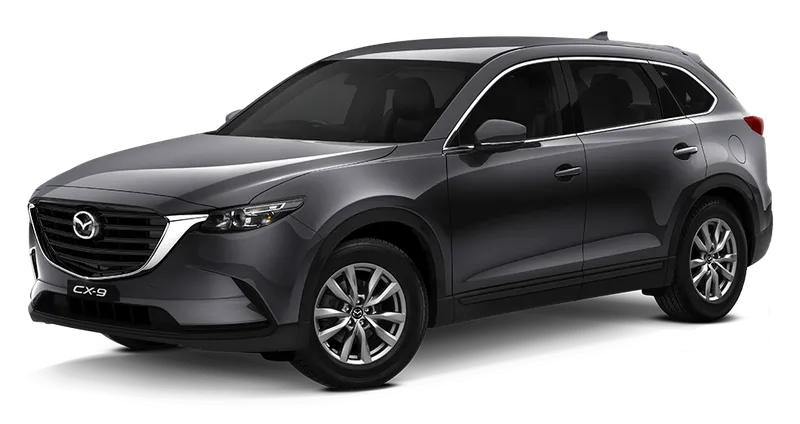
- Mazda CX-935
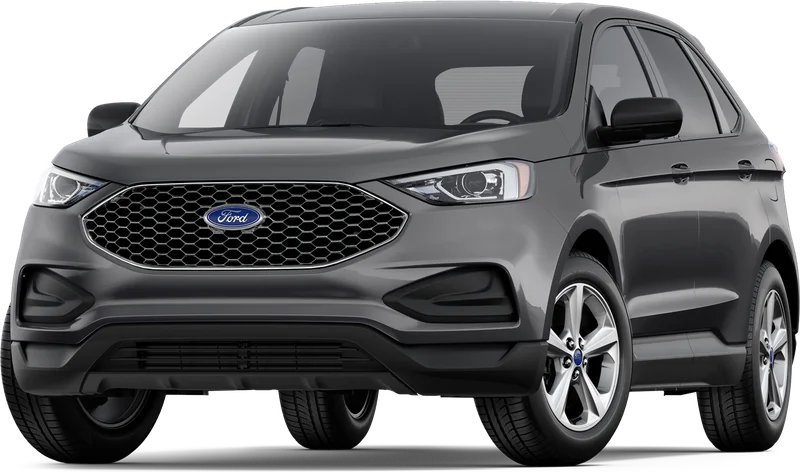
- Ford Edge92
- Kia Telluride280
- 2021 Honda Pilot358
- Toyota Highlander403
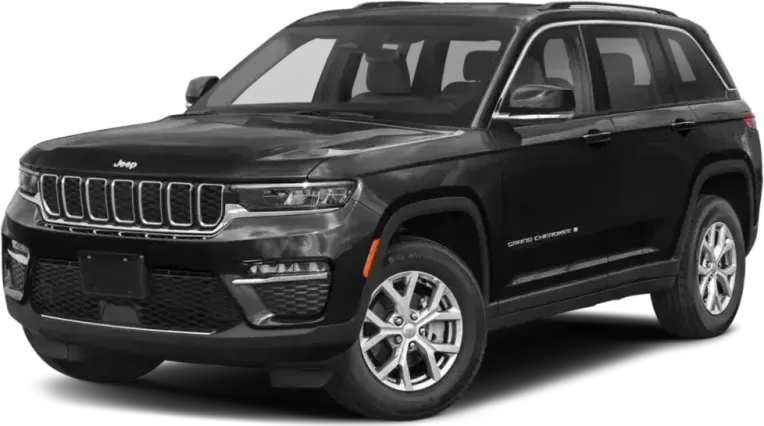
- Jeep Grand Cherokee427
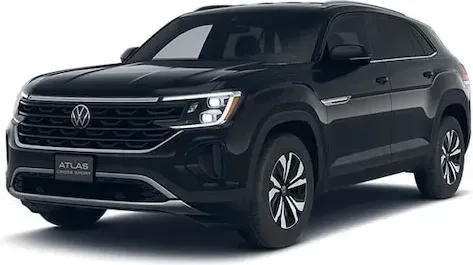
- Volkswagen Atlas540