2018 Honda Pilot: What to check before buying
Owners have filed 408 complaints with NHTSA about this car, most about the fuel system, engine, and electrical. The 9 checks below target those problems, in the order you would do them at the car.
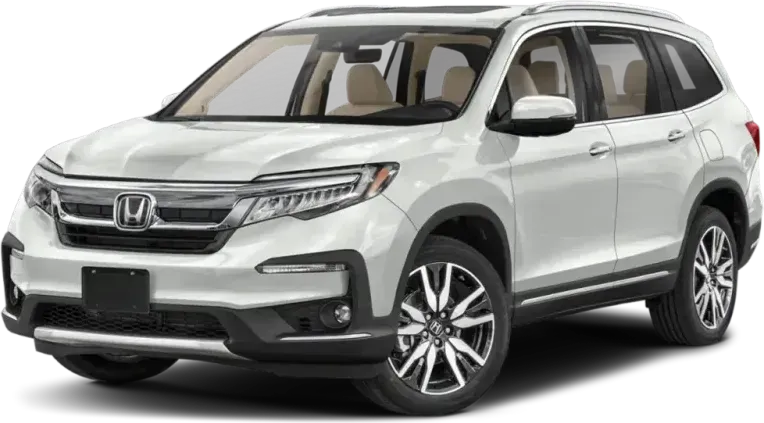 2018
- Owner complaints
- 408
- Recalls
- 5
- Crashes reported
- 9
- 11 injuries
Your inspection sheet
Tick items off on your phone at the car, or print it. Ticks stay on this device.
0/9 checked
2018 Honda Pilot: inspection sheet
Paperwork and questions
Before you go, or before you touch the car0/1
Cold start, engine bay, and underside
Ask the seller not to warm the car up first0/6
Test drive
At least 20 minutes, with some highway0/2
These checks are specific to this model year. For tires, body panels, fluids, and the other basics every used car needs, use the general inspection guide.
Which Pilot is it?
EPA figures for each version of the 2018 Honda Pilot. Use them to confirm you are looking at the version that was advertised, and as a yardstick on the test drive.
| Version | Drive | EPA rating |
|---|---|---|
| 3.5L 6-cyl | AWD, FWD | 22–23 mpg |
- Reset the trip computer at the start of the drive. A Pilot that averages well under the EPA 22 mpg combined on a mixed route may have an engine or tire problem.
Check the odometer against these mileages
Owners report these failures starting around the mileages below. A car inside one of these ranges deserves a closer look at that part, or records showing it was already fixed.
Transmission failure and warnings
12,181–80,000 miles
Auto idle stop restart failure
24,000–68,000 miles
Fuel injector and pump failure
72,100–107,000 miles
Connecting rod bearing engine failure
101,375–165,000 miles
Why these checks: what owners reported
NHTSA complaints for the 2018 Honda Pilot, grouped by the part owners named. Open a row to read what goes wrong.
Fuel system82No crashes
Most reports concern the fuel pump recall, campaign 23V858000, rather than an actual breakdown. Owners got the notice, but dealers had no replacement parts, and many waited far longer than they considered reasonable. Those with symptoms describe hesitation from a stop, power loss at speed, near-stalls with a misfire sound, and hard starting. A few were told all six fuel injectors had failed, around 72,100 miles. One owner could not renew a California registration while the recall stayed open.
Nearly every report is about the fuel pump recall going unrepaired. Dealers say parts are unavailable, with one citing about two units per month, and some asked owners to pay $179 or $180 for a diagnosis first. Meanwhile, owners describe hesitation during acceleration, brief power loss in traffic, and stalling that sets no code, so dealers cannot reproduce it. One report from a car under 80,000 miles names faulty fuel injectors along with the pump.
Engine72No crashes
Stalling and failure to restart dominate. Many reports describe the engine shutting off at a stop under auto idle stop and refusing to restart for several minutes, leaving the car stuck in traffic. Some say this continued after the software recall and a new battery. A second group describes sudden seizure or loss of power traced to a worn connecting rod bearing, with engine replacement quoted between about 101,375 and 165,000 miles. A few heard a rattle beforehand. One fire-related report follows a transmission overheating warning and lost acceleration.
Electrical681 crash
Restart failures after auto idle stop appear here too. The engine shuts off at a light and stays off, the dash shows errors, and drivers wait for the system to reboot before it starts. Some report total power loss while driving, including the hazard flashers. Other patterns include a backup camera and infotainment screen that goes dark intermittently and false warning lights. One report describes the battery cracking with a bang at startup. A crash-related report describes the car accelerating while the brake pedal would not go down.
Transmission66No crashes
Transmission faults lead this category. Reports describe a "Transmission Problem" message with the car stuck in first gear, harsh or flared shifts, gear hunting, shudder, and delayed engagement followed by a lunge. Many tie it to the torque converter and service bulletin 23-078, with code P0741, though some VINs fall outside the extended warranty. Failures and replacements show up from about 12,181 to 80,000 miles. Stability, hill start, and power steering warnings also appear together, which owners link to fuel injectors. One owner reports whiplash from a sudden lunge.
Acceleration and cruise control133 crashes
Two patterns stand out. The first is delayed throttle response: the car sits for 3 to 5 seconds after the gas is pressed and then jerks forward, sometimes at intersections or after auto idle stop. The second is sudden surging while parking with a foot on the brake, which accounts for 3 crash-related reports, one with an injury. Other reports describe adaptive cruise accelerating past the set speed, adaptive cruise that stops braking near 22 mph, and lane keep and collision warnings that trigger falsely on two-lane roads.
Body and structure131 crash
Sunroof glass shattering at highway speed with a loud bang is the most repeated failure, including on cars with very few miles. Hood vibration at highway speed is another, tied to the hood latch recall, campaign 21V932000. Some owners say the hood still shakes or lifts when passing trucks after the repair, and one found torn aluminum around the latch. Single reports cover a sudden-acceleration crash in a parking garage, an unexpected shift into park while driving, loud wind noise from the door seals, and tailgate paint failure.
Seat belts11No crashes
Most complaints are about the driver's belt. Many owners say it is noticeably shorter than the passenger belt, sits across the neck, and keeps the driver from leaning forward or turning to check blind spots. Dealers reportedly offer no fix. A smaller set describes physical failures: second-row webbing fraying through and detaching from its anchor, a middle belt locking in the extended position, and a front passenger belt part snapping in two.
Airbags33 crashes
In one crash none of the air bags deployed. In another, an air bag fault warning stayed on after repairs until a dealer addressed it. All 3 reports involve crashes, with 6 injuries in total. Two of the crashes began with sudden acceleration while the driver was braking, and the car then struck other vehicles. In the crash where nothing deployed, the driver hit the steering wheel and was taken to the hospital.
In owners' own words
Excerpts from complaints Pilot owners filed with NHTSA, as written. Listen for the same symptoms on your test drive.
I noticed when driving between 10-30 miles per hour the pilot will stall in between 2 rpm and 3 rpm jumping up and back down, shortly after I received an emission problem alert and the car started driving very strange pulling forward then losing power. Noticed that this is a common problem in Pilots and it is very concerning.
Filed with NHTSA, December 2023
Engine auto start/stop has failed. 68000 miles, recently when system is engaged my car completely dies. Have to wait 60 seconds to turn off car and restart Understand numerous complaints already submitted and want to add mine to the list
Filed with NHTSA, July 2022
The automatic stop/start for the engine is failing. It stops at inopportune times, and it is very slow to restart. Sometimes i have to put it in park and push the start button. This has been problematic at intersections and it has been happening more and more frequently. The SUV only has 24,000 miles on it.
Filed with NHTSA, August 2022
Push start does not work, says wireless key issue. Car does not start up (crank) and it does not turn completely off (it's stuck in start/ignition on, car is not running). Alarm would randomly discharge and have to relock the car, but would go off again. The ignition would flicker on and off constantly draining the battery. Doors would eventually unlock and stay unlock.
Filed with NHTSA, July 2021
I have been waiting since March for the fuel pump recall replacement and am now experiencing transmission issues. Vehicle lurching repeatedly and all light indicators came on. Honda is recommending replacement of cam shaft, thrust cover, and position sensor but still has yet to replace fuel pump recall. Vehicle only has 68k miles on it and has all required maintenance completed at dealer.
Filed with NHTSA, June 2024
Transmission failed suddenly while on the highway. Engine light came on, and could not shift above first gear. Took to the Honda dealership where we purchased the vehicle (purchased new in 2018) and was told transmission failed and needed to be replaced. This is a 2018 Honda Pilot with only 35,000 miles on it with all routine maintenance done.
Filed with NHTSA, December 2024
How the 2018 compares with other Pilot years
Complaints for this year next to the average for the other model years, area by area.
The 2018 ranks third for owner complaints among 8 Pilot years, about 1.4 times the average of the others. Newer years have had less time to collect complaints, so compare like with like.
- Fuel system8224
- Engine7226
- Electrical6881
- Transmission6624
- Acceleration and cruise control132
- Body and structure132
Where the 2018 fits in the Pilot's history
Redesigns and mid-cycle updates change what can go wrong.
The 2018 is the third model year of the Pilot's third generation (2016–2022).
Honda updated the Pilot for 2019, so a 2018 does not have those changes.
What changed for 2019 (not on a 2018)
- Updated exterior with new bumpers and grille
- Interior infotainment system updated
Recalls to confirm (5)
Recall repairs are free at any Honda dealer, but the seller may never have had them done. Check each campaign number against the VIN.
23V858000Fuel systemDec 2023
Honda (American Honda Motor Co.) is recalling certain 2013-2023 Honda Accord, Civic Coupe, Civic Sedan, Civic Hatchback, Civic Type R, CR-V, HR-V, Ridgeline, Odyssey, Acura ILX, MDX, MDX Hybrid, RDX, RLX, TLX, 2019-2022 Honda Insight, Passport, 2020 Honda CR-V Hybrid, 2018-2019 Honda Clarity PHEV, Fit, and 2015-2020 Honda Accord Hybrid, Pilot, Acura NSX vehicles. The fuel pump inside the fuel tank may fail.
Risk: Fuel pump failure can cause an engine stall while driving, increasing the risk of a crash.
Fix: Dealers will replace the fuel pump module, free of charge. Owner letters were mailed September 6, 2024. Owners may contact Honda customer service at 1-888-234-2138. Honda's numbers for this recall are KGC and KGD. This recall is an expansion of NHTSA recall numbers 21V-215 and 20V-314.
23V751000EngineNov 2023
Honda (American Honda Motor Co.) is recalling certain 2015-2020 Acura TLX, 2016-2020 Acura MDX, 2016 and 2018-2019 Pilot, 2017 and 2019 Ridgeline, and 2018-2019 Odyssey vehicles. Due to a manufacturing error, the connecting rod bearing in the engine may wear and seize, damaging the engine.
Risk: A damaged engine may run improperly or stall while driving, increasing the risk of a fire, crash, or injury.
Fix: Dealers will inspect and repair, or replace the engine as necessary, free of charge. Owner letters were mailed March 28, 2024. 2016-2017 Acura MDX owner letters were mailed November 1, 2024. 2016-2020 Acura MDX owner letters are expected to be mailed in mid-December 2024. Honda began mailing owner notification letters as of March 18, 2024. 2015-2016 Acura owner letters are expected to be mailed mid-December 2024, 2018 Acura TLX owner letters are expected to be mailed the end of March/early April 2024, 2019 Acura TLX owner letters are expected to be mailed mid-May 2024, 2020 Acura TLX owner letters are expected to be mailed mid-June 2024, and 2016-2020 Acura MDX owner letters are expected to be mailed January 27, 2025. Owners may contact Honda customer service at 1-888-234-2138. Honda's numbers for these recalls are XG1 and GG0.
21V932000Body and structureNov 2021
Honda (American Honda Motor Co.) is recalling certain 2019 Passport, 2016-2019 Pilot, and 2017-2020 Ridgeline vehicles. The hood latch striker may become damaged and separate from the hood, which can result in the hood opening while driving.
Risk: A hood that opens while driving can obstruct the driver's view and increase the risk of a crash.
Fix: Dealers will either repair the hood latch striker, or replace the hood if necessary, free of charge. Owner notification letters were mailed January 18, 2022. Owners may contact Honda customer service at 1-888-234-2138. Honda's number for this recall is PBV.
19V298000EngineApr 2019
Honda (American Honda Motor Co.) is recalling certain 2018-2019 Acura MDX and Honda Pilot vehicles and 2019 Acura RLX, RLX Sport Hybrid, TLX and Honda Odyssey and Ridgeline vehicles. The timing belt teeth may separate from the belt.
Risk: Teeth separation from the timing belt may result in an engine stall, increasing the risk of crash.
Fix: Honda will notify owners, and dealers will inspect the vehicle and replace any affected timing belt free of charge. Vehicles receiving a replacement timing belt will also have the engine inspected and any damaged components will be replaced for free. The recall began June 7, 2019. Honda owners may contact customer service at 1-888-234-2138. Honda's number for this recall is L4M. Acura owners may contact customer service at 1-888-234-2138. Acura's number for this recall is Z4L.
18V221000SeatsApr 2018
Honda (American Honda Motor Co.) is recalling certain 2018 Honda Pilot and Ridgeline vehicles and 2018 Acura MDX vehicles. The front driver and passenger powered seats in the Honda vehicles and the driver powered seats in the Acura vehicles may have been assembled with improperly manufactured rivets. In the event of a crash, the rivets can break causing the seats not to be secured to the floor. As such, these vehicles may fail to comply with the requirements of Federal Motor Vehicle Safety Standard (FMVSS) number 207, "Seating Systems," and 210, "Seat Belt Assembly Anchorages.".
Risk: In the event of a crash, if the seat does not remain secured to the floor, the seat occupant has an increased risk of injury.
Fix: Honda will notify owners, and dealers will replace the driver seat frame assembly in Acura MDX vehicles, and replace the driver and front passenger seat slide rail frames in Honda Pilot and Ridgeline vehicles, free of charge. The recall began May 30, 2018. Owners may contact Honda customer service at 1-888-234-2138. Honda's numbers for this recall is D0S, and T0T.
Also looking at these instead of a Pilot?
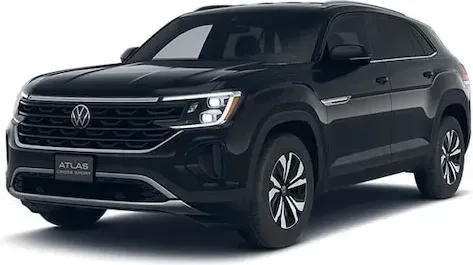
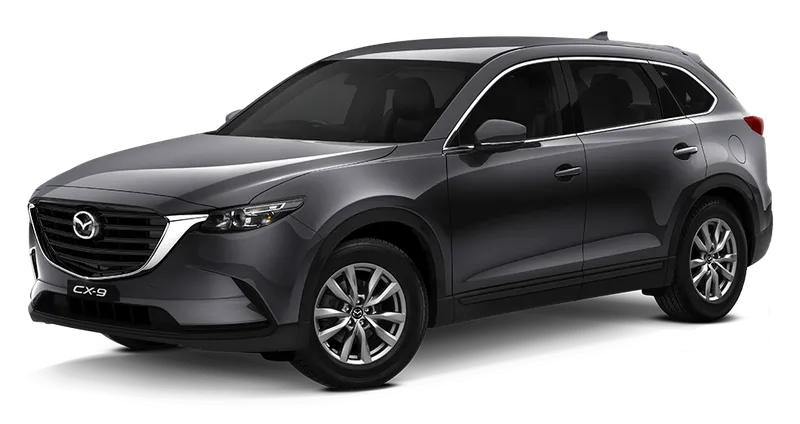
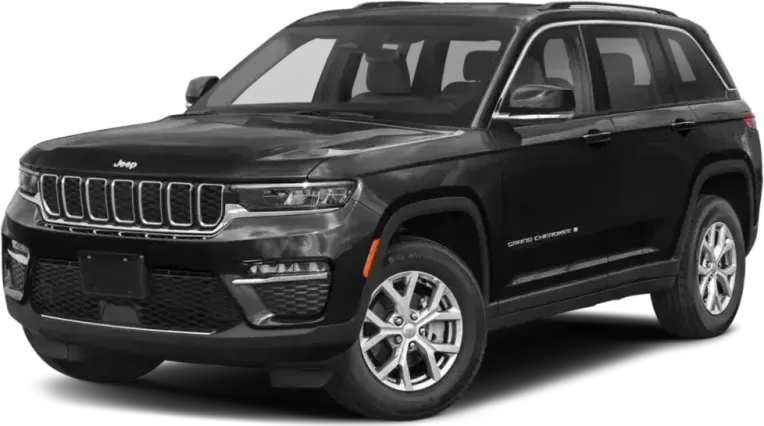
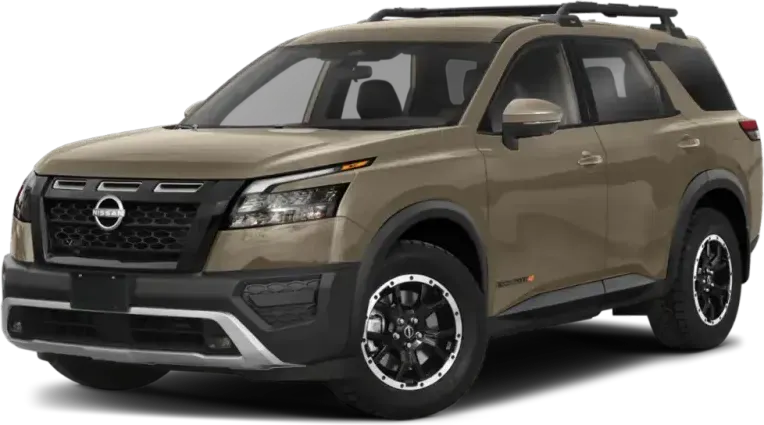
Cars shoppers compare with the Honda Pilot, with their own 2018 checklists.
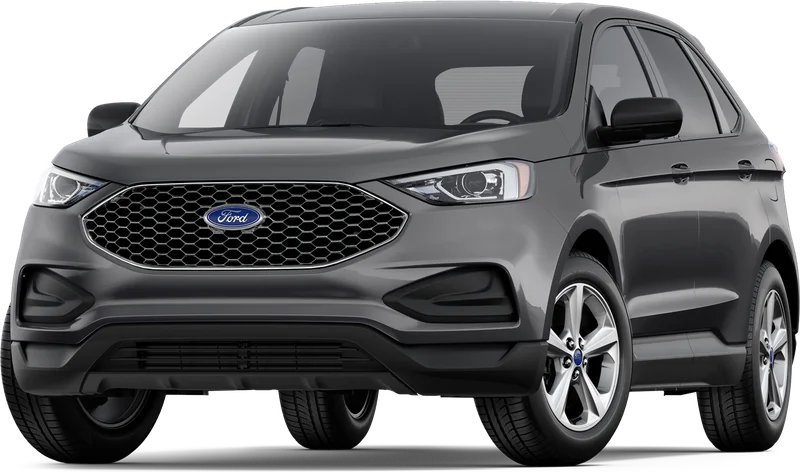
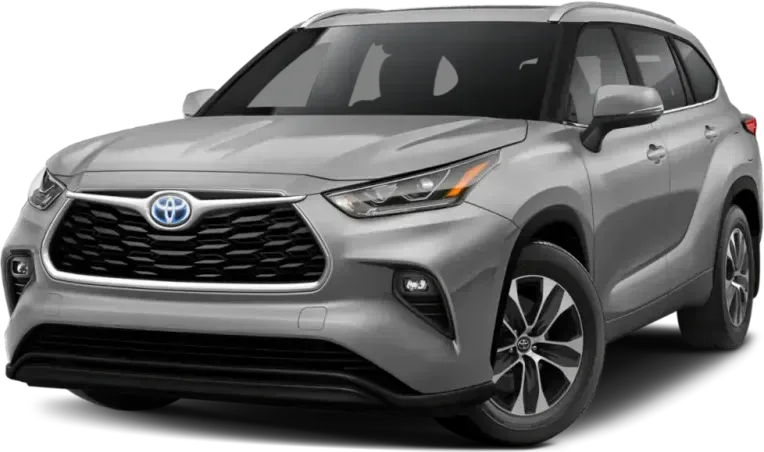
2018 owner complaints, side by side
- Nissan Pathfinder74
- Mazda CX-9125
- Toyota Highlander242
- 2018 Honda Pilot408
- Volkswagen Atlas444
- Ford Edge746
- Jeep Grand Cherokee804