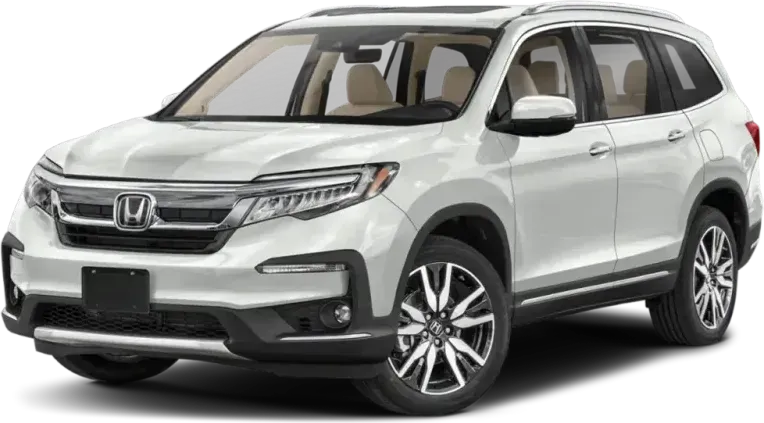
2025 Honda Pilot: What to check before buying
Owners have filed 111 complaints with NHTSA about this car, most about the steering, electrical, and automatic emergency braking. The 9 checks below target those problems, in the order you would do them at the car.
 2025
- Owner complaints
- 111
- Recalls
- 4
- Crashes reported
- 6
- 2 injuries
Your inspection sheet
Tick items off on your phone at the car, or print it. Ticks stay on this device.
0/9 checked
2025 Honda Pilot: inspection sheet
Paperwork and questions
Before you go, or before you touch the car0/3
Cold start, engine bay, and underside
Ask the seller not to warm the car up first0/1
Test drive
At least 20 minutes, with some highway0/5
These checks are specific to this model year. For tires, body panels, fluids, and the other basics every used car needs, use the general inspection guide.
Which Pilot is it?
EPA figures for each version of the 2025 Honda Pilot. Use them to confirm you are looking at the version that was advertised, and as a yardstick on the test drive.
| Version | Drive | EPA rating |
|---|---|---|
| 3.5L 6-cyl | AWD, FWD | 21–22 mpg |
- Reset the trip computer at the start of the drive. A Pilot that averages well under the EPA 21 mpg combined on a mixed route may have an engine or tire problem.
Check the odometer against these mileages
Owners report these failures starting around the mileages below. A car inside one of these ranges deserves a closer look at that part, or records showing it was already fixed.
Power loss with emission warning
86–160 miles
Steering wheel clicking and creaking
1,000–2,000 miles
Power steering loss with warnings
1,500–3,000 miles
Gasoline smell in cabin
1,590–2,200 miles
Why these checks: what owners reported
NHTSA complaints for the 2025 Honda Pilot, grouped by the part owners named. Open a row to read what goes wrong.
Steering21No crashes
Power steering assist cuts out suddenly, often along with a flood of dash warnings for brakes, AWD, lane keeping, and collision systems. Reports describe it in parking lots, at 20 to 30 mph, and on the highway, leaving drivers to muscle the car to the shoulder. Restarting sometimes brings the assist back. A second, more common pattern is clicking, creaking, or popping from the wheel in slow turns, starting around 1,000 to 2,000 miles. Dealers replace clock springs, airbags, and even steering racks, yet the noise often returns. A few reports cite failed inner tie rods.
Electrical171 crash
The car shuts down and will not restart, sometimes at a stoplight or while slowing on an off-ramp, leaving it stranded in traffic. Power can return after 20 minutes or a few hours, and dealers often find nothing wrong. Some owners link the stalls to the auto idle stop feature. Driver-assist faults also show up here. Collision braking and parking sensors fail to react at low speed, including one crash report. Other complaints cover misread speed limit signs, a speedometer reading high, phone disconnects, and a black backup camera screen.
Automatic emergency braking12No crashes
The collision mitigation braking system brakes hard with nothing ahead, at speeds from 30 to 74 mph. Construction zones, trucks in the next lane, and a cyclist passing at a safe distance are common settings. Drivers describe seatbelts locking and near rear-end hits, and one report lists neck pain and possible whiplash. Some cars first show a message to clean the sensor area. Dealers realign or replace the front radar, but repeat visits are common, and one car sat at the dealer for 27 days. A few cars throw warnings for every safety system at once.
Transmission11No crashes
Shifts are rough and delayed at low speed, especially between first, second, and third gear. Owners describe hesitation pulling away from a stop and the car lurching forward as the transmission downshifts during braking, which makes smooth stops hard to judge. Several cars show it within the first few hundred miles, and it can be worse with a cold engine. More serious reports involve the transmission jumping to park, either when the driver selects reverse or while moving at 12 mph. Several owners believe a transmission software update is needed.
Acceleration and cruise control81 crash
Adaptive cruise control shuts off without warning on the highway, usually with a message to clean the sensor even when nothing blocks it. Some cars also brake hard to about half their speed and lose lane departure and blind spot functions for up to 45 minutes. Dealers say they have no fix, and some owners were told Honda is still working on one. A crash report describes the car accelerating on its own into a parking garage wall while the driver pressed the brake.
Brakes62 crashes
The brakes apply themselves hard, sometimes bringing the car to a full stop, on highways and winding mountain roads. Drivers describe near rear-end collisions, including with a semi truck, and at least one owner was told there is no fix yet. A separate set of reports describes the brake pedal failing to slow the car, and two crash reports fall in this category. A federal recall covers the hydraulic brake system, with failed brake pedal assemblies being replaced. Owners report the recall parts were not available, so repairs were delayed.
Engine6No crashes
Sudden stalls and power loss while driving lead these reports, sometimes with an emission system warning, and the car may not restart. One report describes a seized motor at 160 miles that needed replacing, and another owner was told a buyback was possible after repeated failures. Other stalls clear after a restart, and dealers find nothing wrong. Rough throttle response, hard shifts, front camera blocked messages, and fuel economy of 15 to 19 mpg against the advertised 19 to 26 also come up.
Wipers and visibility6No crashes
Glass breaks easily. Windshields crack from minor road debris or with no impact at all, sometimes repeatedly in the same lower driver-side corner, and one rear window shattered on its own. Replacement windshields have been hard to get, and each replacement needs a driver-assist calibration. Other complaints cover the rearview mirror popping off its mount, ripples that distort the view through the windshield, and a backup camera image too poor at night to spot pedestrians.
In owners' own words
Excerpts from complaints Pilot owners filed with NHTSA, as written. Listen for the same symptoms on your test drive.
Loud popping noise when steering started at about 2000 miles. The entire steering rack was replaced. At 7000 miles the noise is back along with a clicking in the steering wheel. Took it to the dealership again and they adjusted the clock spring, but it is still there. I am worried because I am afraid my steering will fail. The dealer did reproduce the problem both times. No independent inspection. No warning lamps.
Filed with NHTSA, March 2025
My vehicle has 1,500 miles on it. Last time I drove it from work back home was Friday 11/21 and nothing was wrong. Got back in the car Sunday 11/23 and my engine light was blinking and all kinds of warnings were displaying such as engine, break, and steering problems. My wife and I noticed the car vibrating a lot and I had to drive 20mph. If not the car felt like it was going to shut down.
Filed with NHTSA, November 2025
My 2025 Honda Pilot’s Collision Mitigation Braking System and backup sensors have failed three times at low speed, resulting in collisions with objects directly behind or in front of the vehicle. These include a front collision with a tree, running over a small tricycle, and backing into a tree — all under 5 mph with sensors fully enabled. The system failed to detect or respond in any instance. This is a critical safety failure
Filed with NHTSA, May 2025
When i stepped on the gas after starting the car, my car suddenly accelerated and there this 25 mph warning popped up in my dashboard. After stepping my brake the car slowed down but I can still see the 25 mph on the dashboard.
Filed with NHTSA, September 2025
The automatic braking will brake unintentionally while driving on the highway or street. The vehicle will brake suddenly without warning. It will do this in all kind of conditions. It happens when there are no vehicles around as well. This is very scary and it has almost gotten us into accidents.
Filed with NHTSA, November 2025
My car is cycling through warnings about several systems including braking, power steering, trailer stability assist, electric parking break, emissions, low speed braking, collision mitigation, cruise control, electric power steering.
Filed with NHTSA, March 2025
When shifting to reverse it shifts back to park And it will not move forward or reverse I nearly had someone rear ended me as I backed up from my driveway. This has happened numerous times that I am afraid to drive it. The mileage right now is only 216 miles since bought in December 2024.
Filed with NHTSA, April 2025
Purchased vehicle 06-25-2025 with 6 miles on the odometer. Now has 78 miles. Whenever applying slight throttle pressure the vehicle lurges back and forth. As you applying accelerator pedal pressure the vehicle hesitates and then lurges forward.
Filed with NHTSA, June 2025
How the 2025 compares with other Pilot years
Complaints for this year next to the average for the other model years, area by area.
The 2025 ranks fifth for owner complaints among 8 Pilot years, well under the average of the others. Newer years have had less time to collect complaints, so compare like with like.
- Steering215
- Electrical1788
- Automatic emergency braking1219
- Transmission1132
- Acceleration and cruise control83
- Brakes69
Where the 2025 fits in the Pilot's history
Redesigns and mid-cycle updates change what can go wrong.
The 2025 is the third model year of the Pilot's fourth generation (2023 on).
Honda updated the Pilot for 2026, so a 2025 does not have those changes.
What changed for 2026 (not on a 2025)
- Redesigned front fascia
- Updated interior technology
Recalls to confirm (4)
Recall repairs are free at any Honda dealer, but the seller may never have had them done. Check each campaign number against the VIN.
25V391000BrakesJun 2025
Honda (American Honda Motor Co.) is recalling certain 2021-2025 Acura TLX, 2023-2025 Acura MDX, and 2023-2025 Honda Pilot vehicles. The brake pedal pivot pin was not secured properly, which can cause the pedal to shift out of position. As such, these vehicles fail to comply with Federal Motor Vehicle Safety Standard numbers 108, "Lamps, Reflective Devices, and Associated Equipment" and 135, "Light Vehicle Brake Systems.".
Risk: A brake pedal that shifts out of position can prevent the driver from applying the brakes as intended, increasing the risk of a crash or injury.
Fix: Dealers will inspect and replace the brake pedal assembly as necessary, free of charge. Owner notification letters were mailed July 29, 2025. Owners may contact Honda's customer service at 1-888-234-2138. Honda's numbers for this recall are FLX and XLY.
25V056000Seat beltsFeb 2025
Honda (American Honda Motor Co.) is recalling certain 2025 Honda Pilot vehicles. The third-row passenger seat belt assembly may not function, due to incorrect routing that traps the seat belt behind the passenger side panel. As such, these vehicles fail to comply with the requirements of Federal Motor Vehicle Safety Standard (FMVSS) number 208, "Occupant Crash Protection.".
Risk: A non-functioning seat belt cannot properly restrain the seat occupant, increasing the risk of injury during a crash.
Fix: Dealers will inspect and repair the seat belt routing as necessary, free of charge. Owner notification letters were mailed March 24, 2025. Owners may contact Honda's customer service at 1-888-234-2138. Honda's number for this recall is ZL4.
25V031000Fuel systemJan 2025
Honda (American Honda Motor Co.) is recalling certain 2022-2025 Acura MDX Type-S, 2023-2025 Honda Pilot, and 2021-2025 Acura TLX Type-S vehicles. A software error in the fuel injection electronic control unit (FI-ECU) may cause an engine stall or a loss of power.
Risk: An engine stall or loss of power can increase the risk of a crash or injury.
Fix: Dealers will reprogram the FI-ECU software, free of charge. Owner notification letters were mailed March 17, 2025. Owners may contact Honda's customer service at 1-888-234-2138. Honda's numbers for this recall are EL1 and AL0.
24V900000Fuel systemNov 2024
Honda (American Honda Motor Co.) is recalling certain 2023-2024 Passport and 2023-2025 Pilot vehicles. The fuel filler neck tube and fuel filler pipe may separate, allowing fuel to leak.
Risk: A fuel leak in the presence of an ignition source increases the risk of a fire.
Fix: Dealers will inspect and repair the fuel filler neck tube and pipe as necessary, free of charge. Owner notification letters were mailed January 7, 2025. Owners may contact Honda customer service at 1-888-234-2138. Honda's number for this recall is OKM.
Also looking at these instead of a Pilot?
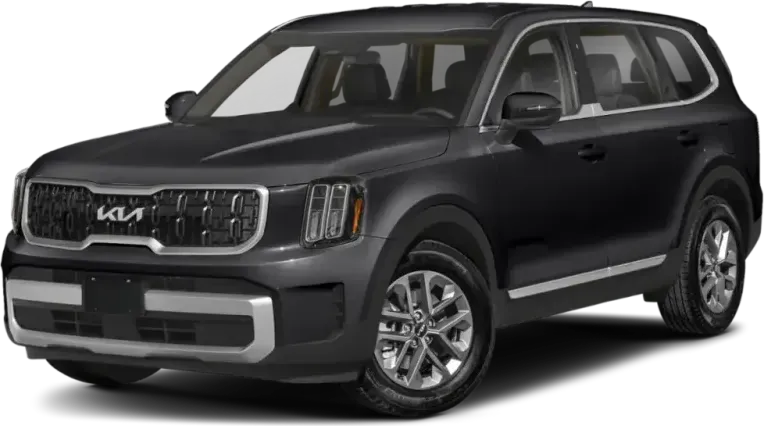
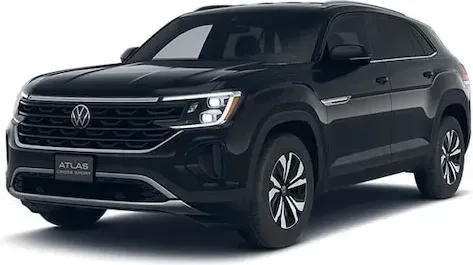
Cars shoppers compare with the Honda Pilot, with their own 2025 checklists.
2025 owner complaints, side by side
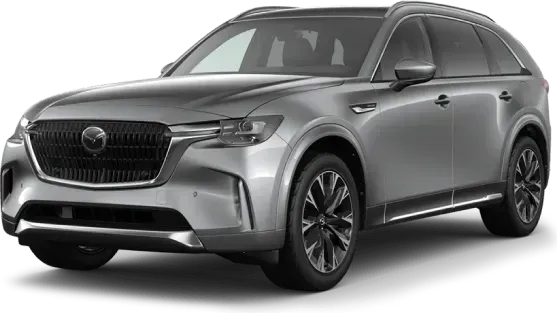
- Mazda CX-9021
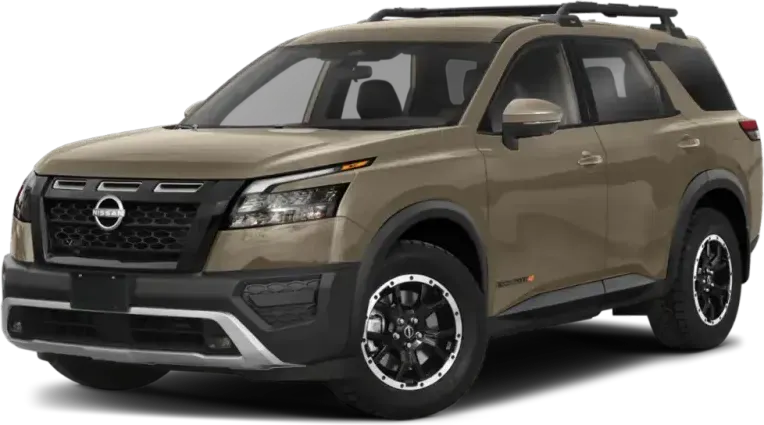
- Nissan Pathfinder25
- Volkswagen Atlas30
- Kia Telluride32
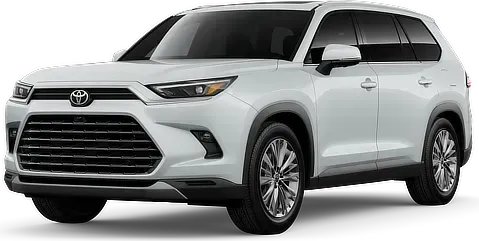
- Toyota Grand Highlander33
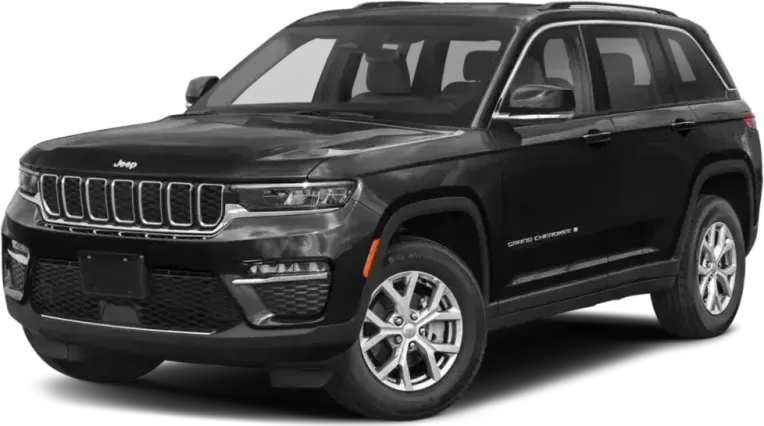
- Jeep Grand Cherokee59
- 2025 Honda Pilot111