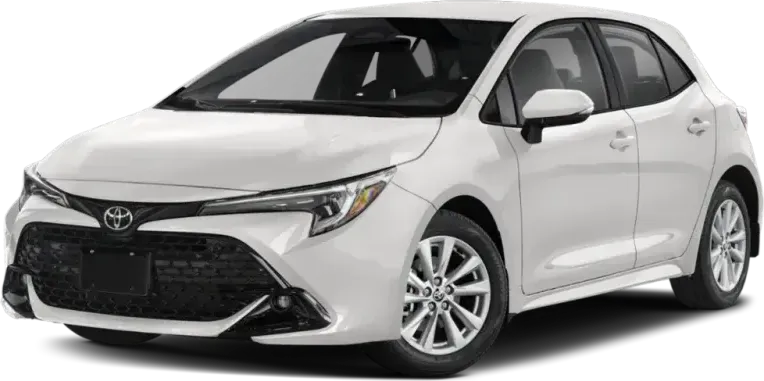
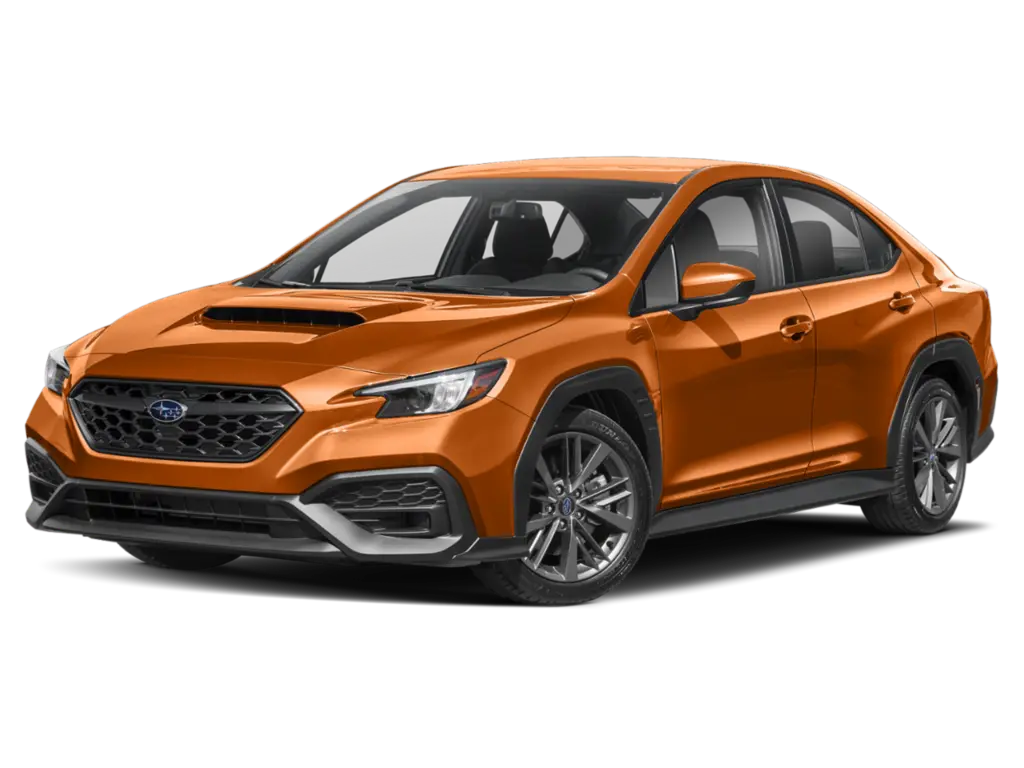
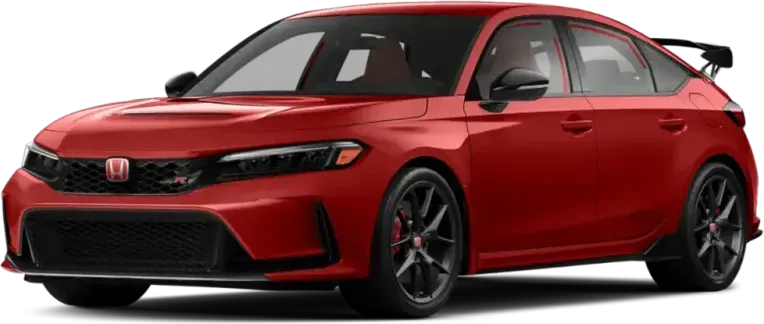
2019 Honda Civic: What to check before buying
Owners have filed 356 complaints with NHTSA about this car, most about the fuel system, steering, and electrical. The 9 checks below target those problems, in the order you would do them at the car.
 2019
- Owner complaints
- 356
- Recalls
- 3
- Crashes reported
- 23
- 14 injuries
Your inspection sheet
Tick items off on your phone at the car, or print it. Ticks stay on this device.
0/9 checked
2019 Honda Civic: inspection sheet
Paperwork and questions
Before you go, or before you touch the car0/3
Walk-around and cabin
Engine off, key in hand0/1
Cold start, engine bay, and underside
Ask the seller not to warm the car up first0/1
Test drive
At least 20 minutes, with some highway0/4
These checks are specific to this model year. For tires, body panels, fluids, and the other basics every used car needs, use the general inspection guide.
Which Civic is it?
EPA figures for each version of the 2019 Honda Civic. Use them to confirm you are looking at the version that was advertised, and as a yardstick on the test drive.
| Version | Drive | EPA rating |
|---|---|---|
| 1.5L 4-cyl | FWD | 36 mpg |
| 2.0L 4-cyl | FWD | 33 mpg |
- The 2019 Honda Civic was sold in two versions. Confirm which one this is from the window sticker, the engine cover, or the VIN report before you compare prices.
- Reset the trip computer at the start of the drive. A Civic that averages well under the EPA 33 mpg combined on a mixed route may have an engine or tire problem.
Check the odometer against these mileages
Owners report these failures starting around the mileages below. A car inside one of these ranges deserves a closer look at that part, or records showing it was already fixed.
Early transmission failure
5,500–11,992 miles
Sticky, notchy steering
39,137–54,258 miles
Why these checks: what owners reported
NHTSA complaints for the 2019 Honda Civic, grouped by the part owners named. Open a row to read what goes wrong.
Fuel system1252 crashes
Most of these reports are about recall delays, not breakdowns. Owners received notice of the fuel pump recall (campaign 23V858000), but dealers had no parts, and many say the wait ran far too long. Most had not had a failure. The reports that do describe failures involve sudden loss of power and stalling, including a high-pressure fuel pump failure at 30 mph. One crash report describes the car losing power with steering and brakes not responding before it hit a pole.
The car loses power, stalls in traffic, or refuses to restart, often with no warning light. Some drivers report hesitation pulling away from a stop and slow, struggling starts. Many tie the symptoms to the fuel pump recall and describe months of dealer parts shortages. Recall lookups by VIN and by model year sometimes disagree, which confuses owners. A failed fuel injector on an Si cost over $2,000. One report describes fuel leaking at the filler right after the recall repair.
Steering882 crashes
The wheel sticks near center and needs extra force to move, then breaks free and overcorrects. Most reports describe it at highway speeds, often above 50 mph, and many say it is worse turning or curving left. Drivers describe a notchy feel, clicking, and drifting toward the next lane. Several owners say it started near 50,000 miles. Dealers quote steering gearbox or rack replacement at $4,250 to almost $5,000, with no recall covering this year. Two crash reports involve the wheel locking while moving.
Electrical292 crashes
Many warning lights come on at once, sometimes followed by loss of power steering and wipers when the alternator fails. No-start problems are common, from a failed starter to slow cranking that persists after a new battery. Body control faults set off the alarm, stop the fob from locking the car, and open the windows and sunroof while parked. Touchscreen and center console power drop out. Crash reports involve false collision braking and a car rolling while in park.
Brakes197 crashes
Automatic emergency braking engages with nothing ahead, slowing or stopping the car hard on highways, ramps, empty lots, and left turns. Some drivers see a flashing BRAKE message, others get no warning, and dealers often find no code. A separate group of crashes involves a brake pedal that turns hard or does not stop the car. This category holds 7 crash reports and 6 injuries. On manual cars, the parking brake reportedly fails to hold, letting the car roll.
Engine17No crashes
Gasoline mixes into the engine oil, causing strong fuel odor and, in some cases, loss of power on the highway. Head gasket failure appears too, including one engine that failed violently and filled the road with smoke. Water entering through the hood scoop rusts the coils and spark plugs on cylinder 4 and triggers the check engine light. Other reports cover limp mode, sputtering, and early emissions warnings. A few owners report fuel smell and a check engine light after the fuel pump recall repair.
Transmission13No crashes
Manual transmissions draw most of these complaints. Second gear grinds or will not engage on downshifts, and clutches slip, rev without driving the car, or give off a burning smell. One clutch failure at 13,000 miles cost about $5,000. An Si creeps when parked in gear without the parking brake. Other reports describe early transmission replacement, the car shutting off while driving, head gasket failure with total loss of throttle, and a connecting rod bearing failure.
Airbags73 crashes
Bags fail to deploy in some crashes and fire unexpectedly in others. Reports include no deployment in a side impact that injured a passenger, and passenger or driver bags going off over bumps at low speed. One deployment caused hearing loss and burns. Other complaints describe a warning light that comes and goes and a creaking noise from the steering wheel module that a module replacement did not fix. Three of the seven reports involve crashes with injuries.
Acceleration and cruise control72 crashes
The car accelerates on its own while the brake pedal is pressed, usually when parking or reversing, sending it over curbs or into other cars. Two of these reports involve crashes, one with injuries. Other complaints describe the collision mitigation system braking hard at about 50 mph with nothing ahead, adaptive cruise control failing to disengage, and cruise control dropping out at highway speed alongside false low tire pressure alerts.
In owners' own words
Excerpts from complaints Civic owners filed with NHTSA, as written. Listen for the same symptoms on your test drive.
Steering get sticky and jerky after driving for 15-20 minutes. The steering wheel seems to get stuck for a second and then trying to slightly correct, jerks the vehicle around in the lane. It feels like there are notches in the steering. This is a safety issue because you could overcorrect and get jerked into another lane of traffic. No warning lamps. The issues started just under 50,000 miles.
Filed with NHTSA, February 2024
Sticky steering at 60+ mph, more frequent after car has been running for 25 minutes. If driver isn’t expecting sticky steering, over correction of problem could cause an accident, especially at high speeds. Complaints have been filed for 2020+ model years, statements of issue are the same as I am experiencing. My car has 53k miles.
Filed with NHTSA, May 2023
Faulty software in Body Control Module (BCM) causing numerous problems with multiple vehicle components including battery, namely: electrical (key fob and headlights) malfunctions, illumination of several warning dash display lights, repeated parasitic battery draining, and security system problems (car alarm activation). Please see attached letter to manufacturer American Honda Motor Co. for additional information.
Filed with NHTSA, December 2022
The car won't start after I've driven it and it won't turn over it shakes and acts as if out of gas or a loose connection??electric..I have to wait for 20 min.before it will start.,and I'm able to drive it.other sites I've punched my vin number at states Honda has a fuel pump recall for my car and other sites says it don't.??
Filed with NHTSA, June 2023
Noticed when braking, car veered to the right. The day before I dropped it off to the dealership to have it checked, the brakes felt weird a bit hard, and suddenly would not brake for few seconds (functioned again after) as I was approaching a roundabout. I dropped it off to the dealership and they confirmed an issue with the ABS Modulator. I am currently waiting for parts for it.
Filed with NHTSA, October 2025
While car in sport mode in center lane of a three lane road at 45mph traffic ahead by over 300ft began gently slowing down to +/- 25mph Extreme braking was automatically applied w/o driver input, "BRAKE" message was displayed flashing on instrument cluster. Car came to an immediate stop, nearly causing collision with another vehicle behind it.
Filed with NHTSA, April 2024
How the 2019 compares with other Civic years
Complaints for this year next to the average for the other model years, area by area.
The 2019 ranks fourth for owner complaints among 9 Civic years, close to the average of the others. Newer years have had less time to collect complaints, so compare like with like.
- Fuel system12521
- Steering88181
- Electrical2916
- Brakes195
- Engine175
- Transmission138
Where the 2019 fits in the Civic's history
Redesigns and mid-cycle updates change what can go wrong.
The 2019 is the fourth model year of the Civic's tenth generation (2016–2021).
Recalls to confirm (3)
Recall repairs are free at any Honda dealer, but the seller may never have had them done. Check each campaign number against the VIN.
23V858000Fuel systemDec 2023
Honda (American Honda Motor Co.) is recalling certain 2013-2023 Honda Accord, Civic Coupe, Civic Sedan, Civic Hatchback, Civic Type R, CR-V, HR-V, Ridgeline, Odyssey, Acura ILX, MDX, MDX Hybrid, RDX, RLX, TLX, 2019-2022 Honda Insight, Passport, 2020 Honda CR-V Hybrid, 2018-2019 Honda Clarity PHEV, Fit, and 2015-2020 Honda Accord Hybrid, Pilot, Acura NSX vehicles. The fuel pump inside the fuel tank may fail.
Risk: Fuel pump failure can cause an engine stall while driving, increasing the risk of a crash.
Fix: Dealers will replace the fuel pump module, free of charge. Owner letters were mailed September 6, 2024. Owners may contact Honda customer service at 1-888-234-2138. Honda's numbers for this recall are KGC and KGD. This recall is an expansion of NHTSA recall numbers 21V-215 and 20V-314.
21V215000Fuel systemMar 2021
Honda (American Honda Motor Co.) is recalling certain 2019-2020 Acura MDX, MDX Sport Hybrid, RDX, TLX, Honda Accord, Civic Hatchback, Insight, 2019 Acura ILX, Honda Accord Hybrid, Civic Coupe, Civic Coupe Si, Civic Sedan, Civic Sedan Si, Civic Type R, Fit, HR-V, Odyssey, Passport, Pilot and Ridgeline, and 2018-2019 CR-V vehicles. The low-pressure fuel pump inside the fuel tank may fail.
Risk: Fuel pump failure can cause an engine stall while driving, increasing the risk of a crash.
Fix: Honda will notify owners, and dealers will replace the fuel pump assembly, free of charge. Owner letters were mailed May 18, 2021. Owners may contact Honda customer service at 1-888-234-2138. Note: This recall is an expansion of recall 20V-314.
20V314000Fuel systemMay 2020
Honda (American Honda Motor Co.) is recalling certain 2018-2019 Acura NSX, 2019 Acura RDX, RLX and RLX Sport Hybrid, 2018-2019 Honda Accord, Civic Hatchback, Civic Type R and HR-V, 2019-2020 Insight and 2019 Fit vehicles. The low-pressure fuel pump inside the fuel tank may fail.
Risk: If the fuel pump fails, the engine can stall while driving, increasing the risk of a crash.
Fix: Honda will notify owners and dealers will replace the fuel pump assembly, free of charge. The recall began July 22, 2020. Owners may contact Honda customer service at 1-888-234-2138.
Also looking at these instead of a Civic?
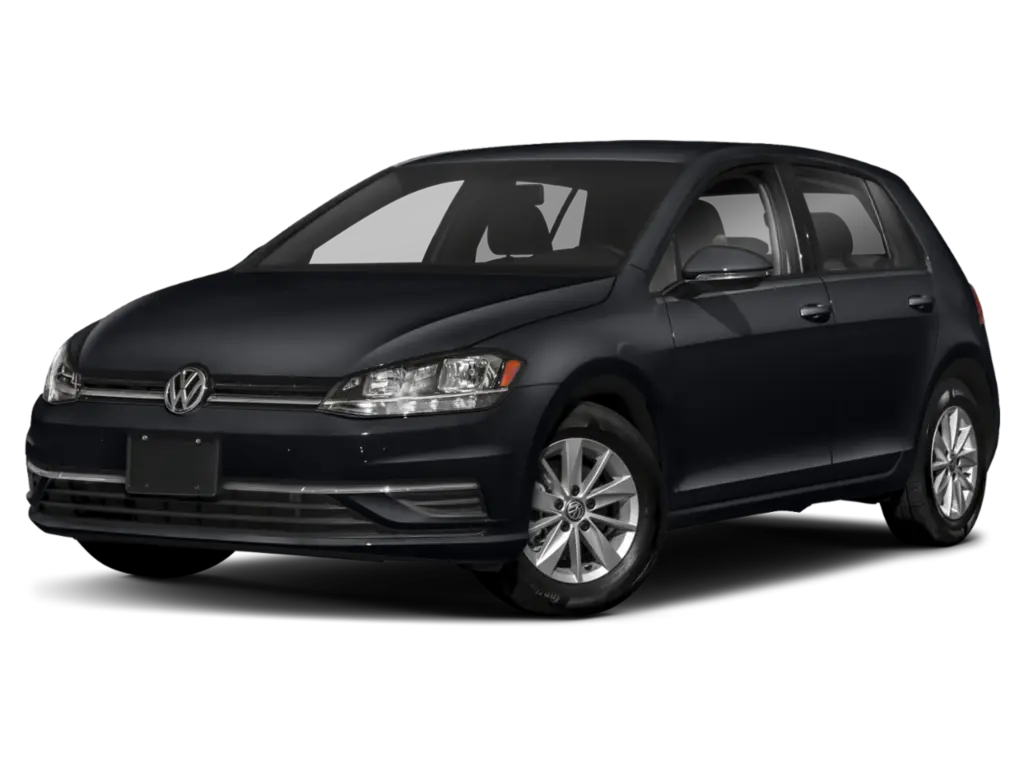
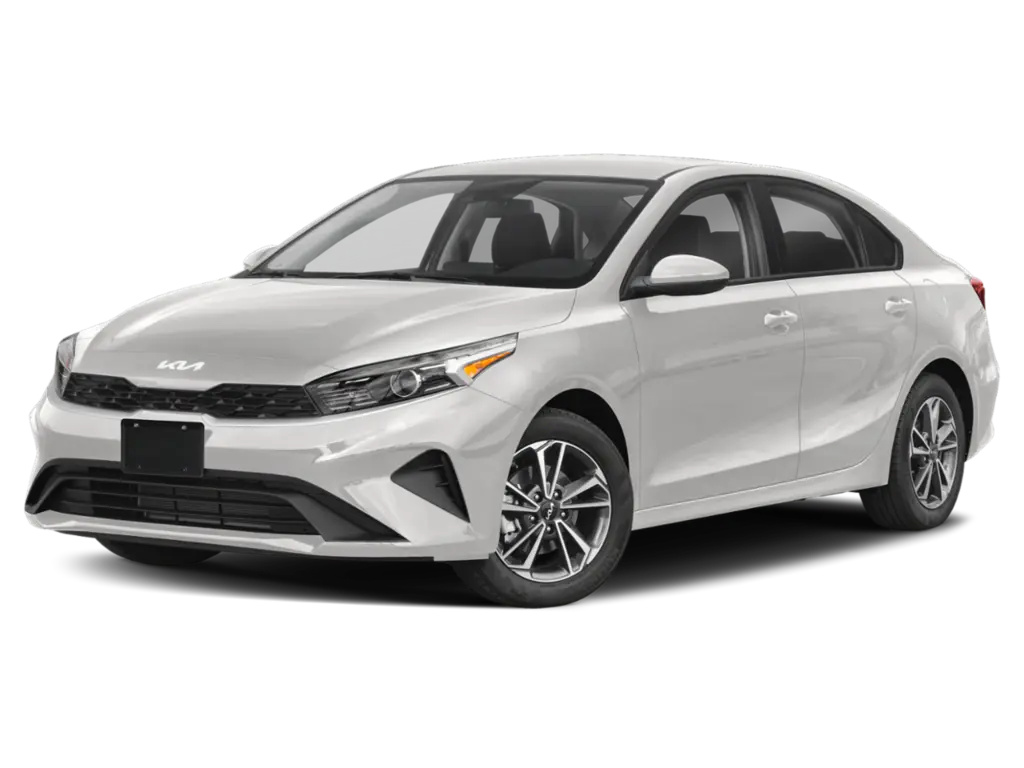
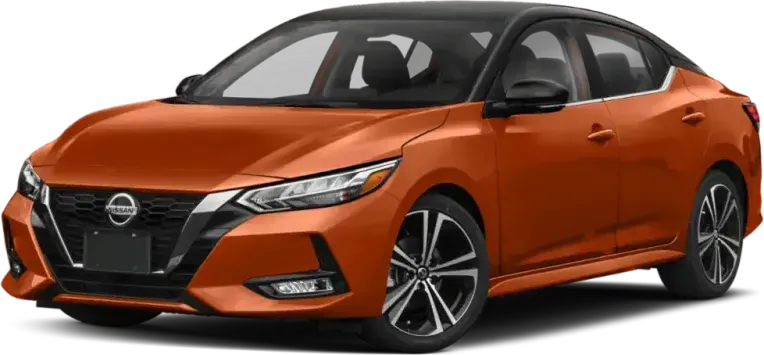
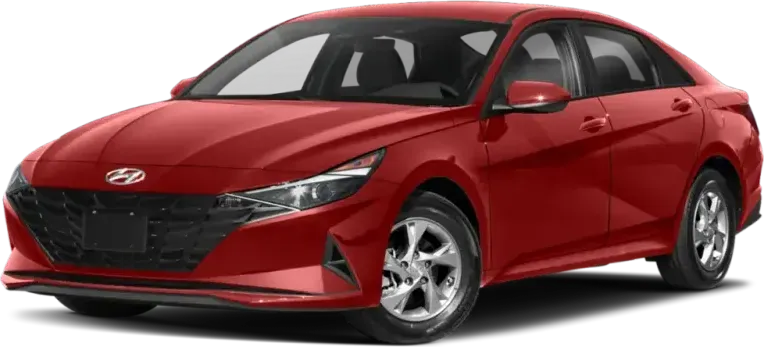
Cars shoppers compare with the Honda Civic, with their own 2019 checklists.
2019 owner complaints, side by side
- Subaru WRX27
- Kia Forte140
- Volkswagen Golf162
- Toyota Corolla190
- Hyundai Elantra195
- Nissan Sentra212
- 2019 Honda Civic356