2023 Honda Civic: What to check before buying
Owners have filed 315 complaints with NHTSA about this car, most about the steering, electrical, and brakes. The 9 checks below target those problems, in the order you would do them at the car.
 2023
- Owner complaints
- 315
- Recalls
- 5
- Crashes reported
- 18
- 12 injuries
Your inspection sheet
Tick items off on your phone at the car, or print it. Ticks stay on this device.
0/9 checked
2023 Honda Civic: inspection sheet
Paperwork and questions
Before you go, or before you touch the car0/3
Cold start, engine bay, and underside
Ask the seller not to warm the car up first0/2
Test drive
At least 20 minutes, with some highway0/4
These checks are specific to this model year. For tires, body panels, fluids, and the other basics every used car needs, use the general inspection guide.
Which Civic is it?
EPA figures for each version of the 2023 Honda Civic. Use them to confirm you are looking at the version that was advertised, and as a yardstick on the test drive.
| Version | Drive | EPA rating |
|---|---|---|
| 1.5L 4-cyl | FWD | 36 mpg |
| 2.0L 4-cyl | FWD | 35 mpg |
- The 2023 Honda Civic was sold in two versions. Confirm which one this is from the window sticker, the engine cover, or the VIN report before you compare prices.
- Reset the trip computer at the start of the drive. A Civic that averages well under the EPA 35 mpg combined on a mixed route may have an engine or tire problem.
Check the odometer against these mileages
Owners report these failures starting around the mileages below. A car inside one of these ranges deserves a closer look at that part, or records showing it was already fixed.
Early stalling and warning lights
25–1,000 miles
Sticky or notchy steering
4,000–11,000 miles
Why these checks: what owners reported
NHTSA complaints for the 2023 Honda Civic, grouped by the part owners named. Open a row to read what goes wrong.
Steering2528 crashes
The wheel turns stiff, sticky, or notchy, most often at highway speeds during small lane corrections. It resists, then breaks free and overshoots, and several drivers say it gets worse after 10 to 30 minutes of driving. These reports usually begin between roughly 4,000 and 11,000 miles. Of 252 complaints, 8 involve crashes, including cars that would not turn and left the road. Many reports mention the steering recall, with dealers citing part shortages and long waits for the repair. Some owners say their sticky steering continues apart from the recall.
Electrical121 crash
Several warning lights come on at once, often for the brakes, parking brake, power steering, collision mitigation, and adaptive cruise control, sometimes at highway speed. Some cars stall or shut down in traffic at very low mileage, and dealers often cannot find a cause after repeated visits. Other reports describe blown fuses, a dead power outlet and AC, rodent-chewed wiring, and an erratic driver display. One of 12 complaints involves a crash after the car moved on its own at a stop with auto Stop-Start engaged.
Brakes71 crash
Automatic emergency braking slams on the brakes with nothing ahead. A brake system fault can also knock out the driver-assist features and electric parking brake together. Some drivers report a soft or lost brake pedal during these events, and one found smoking front brakes afterward. Brake Hold can let the car roll before it stops abruptly. Fixes often take several dealer visits or long waits. One of 7 complaints is a rear-end crash in which the brakes and emergency system did not respond.
Wheels and tires61 crash
The car drifts or pulls to one side and feels unstable. A fresh alignment fixes it for only a day or so before the problem returns, and repeat visits to tire shops and the dealer do not solve it. One of 3 complaints is crash-related. One driver suspects that regular driving over 50 mph knocks the car out of alignment. Another report ties steering that gets hard after 20 to 30 minutes to the sticky steering issue and says the Si trim was left out of the recall.
Original tires wear quickly, lose grip, and get noisier. One set reached replacement range at 17,000 miles and was replaced under the tire maker's warranty. Other reports describe an original tire blowing out before 10,000 miles and a single tire that keeps losing pressure even though no leak can be found. None of the 3 complaints is crash-related, and an alignment check did not point to the car itself.
Airbags54 crashes
Airbags fail to deploy, or deploy only partly, in serious front and side collisions. All 4 crash-related complaints describe this, and together they account for 4 injuries. One report adds a passenger seat belt that stayed loose on impact. Another describes cruise control that would not disengage before the car went into a ditch. The opposite failure also appears: airbags firing during hard braking with no collision and cracking the windshield.
Acceleration and cruise control3No crashes
Adaptive cruise control brakes hard with no traffic ahead, which can catch following drivers off guard. It also closes on slower cars at the set speed and then brakes sharply instead of easing off. This phantom braking shows up on both interstates and two-lane roads. A separate report describes jerky shifting. None of the 3 complaints involves a crash, though drivers describe near misses that they avoided by canceling the system.
Exterior lights3No crashes
LED headlights draw complaints for glare that blinds oncoming drivers at night. The front and rear defrost buttons stay unlit when the headlights are on, so they are hard to find in the dark, and Honda considers this normal. A crack in the temperature display that spreads and starts to peel is also reported on a car only 5 months old. None of the 3 complaints involves a crash.
Transmission21 crash
A driver airbag deploys at 75 mph with no impact, blocking the driver's view and causing a crash with oncoming traffic and an injury. The other complaint describes no actual failure. It raises concern that the CVT is sealed, cannot be repaired in parts, and would need full replacement if it fails outside warranty. With only 2 complaints on file, no repeating pattern appears in this category.
In owners' own words
Excerpts from complaints Civic owners filed with NHTSA, as written. Listen for the same symptoms on your test drive.
Car has just over 5000 miles and making minor steering adjustments suddenly requires more force than it should. The amount of force needed to "unstick" the wheel results in constant corrections and potential over-corrections due to the sticking anytime the wheel is not in motion. Issue is most noticeable at highway speeds but even with the car stopped, the wheel has a notchy feel instead of the expected smooth rotation.
Filed with NHTSA, October 2023
Intermittently, and only within the past 2000 miles or so, the steering will begin to have a notchy feel during highway driving. The steering requires excessive force to move the wheel and then the wheel jerks and causes the steering to do the same. It is very dangerous and unsettling at highway speeds. The issue seems to only occur above 45mph, but again, it is not happening every time I drive above 45mph.
Filed with NHTSA, January 2024
When I first got the car. I had the cigarette lighter go out and the car had about 29,000 miles on it. The put two fuses and they blown. Now my car ac has went out. I have been told by a professional that the car sounds like it has a lot an electric issue. I have a friend who has the same issue with the same car with her CarPlay and cigerette lighter not working properly
Filed with NHTSA, June 2025
Rodents have chewed through the wiring on my vehicle twice within 7 days. Dealer fix of "rodent-deterrent" tape did not work. All systems are compromised by this occurrence -- emissions, braking, acceleration, lane-keep asist, etc. Using soy-based wiring on vital components is not safe for the consumer.
Filed with NHTSA, February 2024
I rear ended a vehicle and my brakes did not respond nor the emergency system activate I gave a dash cam on the incident and no one has inspected the car for that failure
Filed with NHTSA, December 2024
The engine is making a knocking noise, but there’s no code or check engine light. The noise is more pronounced when the vehicle is idling and when you apply and release the brakes. Start the car, let it warm up on idle, open the oil cap, apply the brakes, and then release them. The noise becomes louder. It could be the vacuum pump, but Honda has never addressed this issue.
Filed with NHTSA, November 2025
After driving for 20-30 min, when I noticed the steering wheel is hard to adjust I am assume it is about all other complaint refer to "sticky steering" issue I see there are recall on the other Civic trim but not the SI trim, I believe the SI also have the same issue.
Filed with NHTSA, January 2024
How the 2023 compares with other Civic years
Complaints for this year next to the average for the other model years, area by area.
The 2023 ranks fifth for owner complaints among 9 Civic years, close to the average of the others. Newer years have had less time to collect complaints, so compare like with like.
- Steering252161
- Electrical1218
- Brakes76
- Wheels and tires60
- Airbags59
- Acceleration and cruise control35
Where the 2023 fits in the Civic's history
Redesigns and mid-cycle updates change what can go wrong.
The 2023 is the second model year of the Civic's 11th generation (2022–2023).
Recalls to confirm (5)
Recall repairs are free at any Honda dealer, but the seller may never have had them done. Check each campaign number against the VIN.
24V859000SeatsNov 2024
Honda (American Honda Motor Co.) is recalling certain 2023-2024 Honda Accord, Accord Hybrid, Civic Sedan, Civic Hatchback, Pilot, and 2024 HR-V, Acura Integra and Acura Integra Type S vehicles. The driver's seat cushion frame may not have been tightened properly, which can result in an unsecured seat. As such, these vehicles fail to comply with the requirements of Federal Motor Vehicle Safety Standard number 207, "Seating Systems.".
Risk: An unsecured driver's seat may not adequately restrain the driver during a crash, increasing the risk of injury.
Fix: Dealers will replace the driver's seat cushion frame, free of charge. Owner notification letters were mailed January 6, 2025. Owners may contact Honda customer service at 1-888-234-2138.
24V744000SteeringOct 2024
Honda (American Honda Motor Co.) is recalling certain 2023-2025 Acura Integra, Civic Type R, CR-V Hybrid, CR-V, HR-V, 2022-2025 Civic, Civic Hatchback, 2024-2025 Acura Integra Type S, 2025 CR-V Fuel Cell EV, Civic Hybrid, and Civic Hatchback Hybrid vehicles. The steering gearbox assembly may have been manufactured incorrectly, which can cause excessive internal friction and lead to difficulty steering the vehicle.
Risk: Difficulty steering can increase the risk of a crash.
Fix: Dealers will replace the worm gear spring and redistribute or add grease as necessary, free of charge. Owner notification letters were mailed November 18, 2024. Owners may contact Honda Customer Service at 1-888-234-2138. Honda's numbers for this recall are SJS, MJU, QJT and VJV.
23V704000SteeringOct 2023
Honda (American Honda Motor Co.) is recalling certain 2022-2024 Civic 4-door and Civic 5-door vehicles that received a replacement power steering rack as part of a service repair. The steering rack may have been incorrectly assembled, which can allow the tire to chafe against the lower suspension or tie rod end, possibly resulting in tire damage.
Risk: A damaged tire can fail and increase the risk of a crash or injury.
Fix: Dealers will inspect and replace the electric power steering rack, as necessary, free of charge. Owner letters were mailed January 16, 2024. Owners may contact Honda customer service at 1-888-234-2138. Honda's number for this recall is YFW.
23V430000BrakesJun 2023
Honda (America Honda Motor Co.) is recalling certain 2023 Civic, Acura RDX, Acura Integra, and 2022 Honda Accord vehicles. A ball valve in the vehicle stability assist (VSA) modulator may leak brake fluid, which can result in unintended vehicle movement when the brake hold feature is engaged or an unexpected increase in brake pedal travel.
Risk: Unintended vehicle movement or an unexpected increase in brake pedal travel can increase the risk of a crash or injury.
Fix: Dealers will replace the VSA modulator, free of charge. Owner notification letters were mailed July 24, 2023. Owners may contact Honda customer service at 1-888-234-2138. Honda's numbers for this recall are OEJ, XEK, AEY, XEX and OEW.
23V229000SeatsMar 2023
Honda (American Honda Motor Co.) is recalling certain 2023 Civic Type R vehicles. The driver's seat frame may not have been welded properly, which can cause the seat cushion frame to break. As such, these vehicles fail to comply with the requirements of Federal Motor Vehicle Safety Standard number 207, "Seating Systems.".
Risk: A broken seat cushion frame may not adequately restrain the driver during a crash, increasing the risk of injury.
Fix: Dealers will replace the front driver seat cushion frame assembly, free of charge. Owner notification letters were mailed May 10, 2023. Owners may contact Honda customer service at 1-888-234-2138. Honda's number for this recall is TDY.
Also looking at these instead of a Civic?
Cars shoppers compare with the Honda Civic, with their own 2023 checklists.
2023 owner complaints, side by side
- Volkswagen Golf6
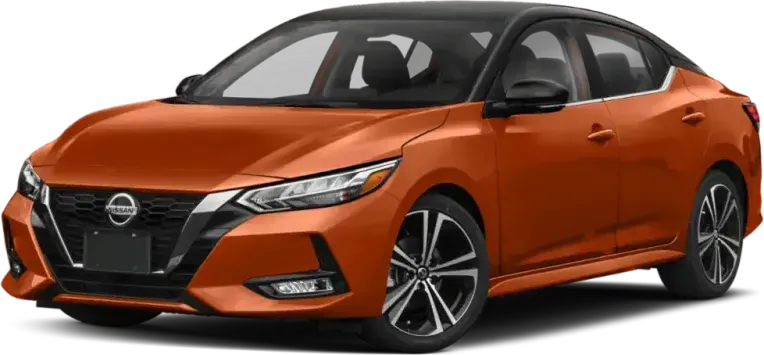
- Nissan Sentra14
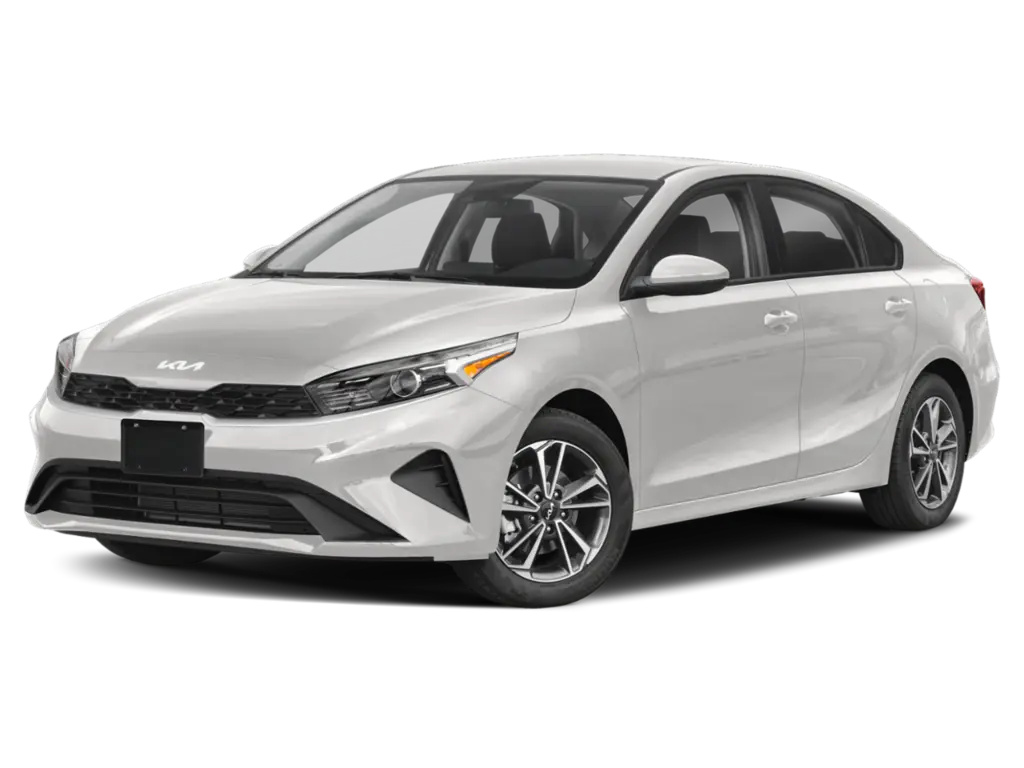
- Kia Forte53
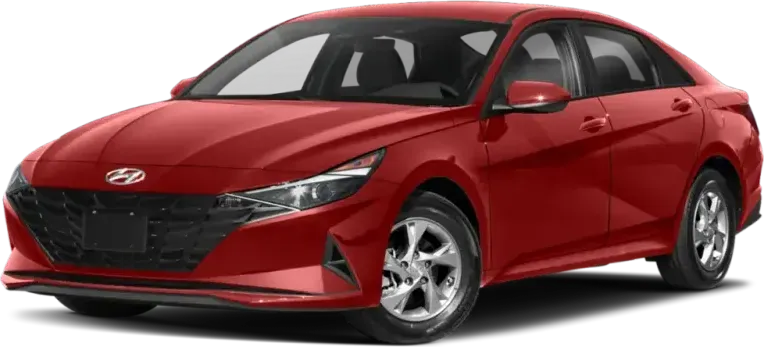
- Hyundai Elantra146
- Acura Integra204
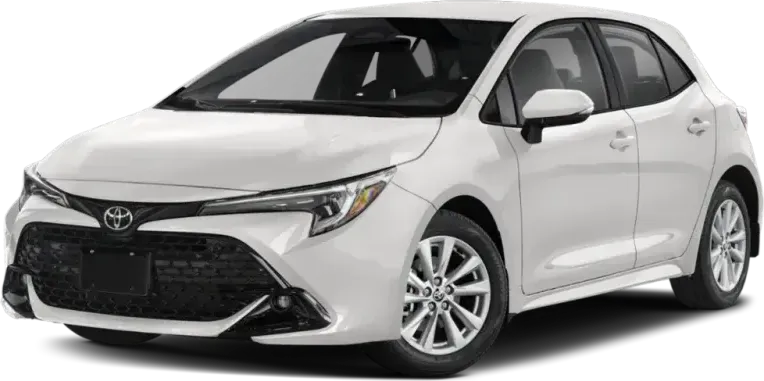
- Toyota Corolla243
- 2023 Honda Civic315