2019 Ford Explorer: What to check before buying
Owners have filed 252 complaints with NHTSA about this car, most about the body and structure, transmission, and engine. The 9 checks below target those problems, in the order you would do them at the car.
 2019
- Owner complaints
- 252
- Recalls
- 4
- Crashes reported
- 2
- 5 injuries
Your inspection sheet
Tick items off on your phone at the car, or print it. Ticks stay on this device.
0/9 checked
2019 Ford Explorer: inspection sheet
Paperwork and questions
Before you go, or before you touch the car0/2
Walk-around and cabin
Engine off, key in hand0/1
Cold start, engine bay, and underside
Ask the seller not to warm the car up first0/1
Test drive
At least 20 minutes, with some highway0/5
These checks are specific to this model year. For tires, body panels, fluids, and the other basics every used car needs, use the general inspection guide.
Which Explorer is it?
EPA figures for each version of the 2019 Ford Explorer. Use them to confirm you are looking at the version that was advertised, and as a yardstick on the test drive.
| Version | Drive | EPA rating |
|---|---|---|
| 2.3L 4-cylGas | AWD, FWD | 21–22 mpg |
| 3.5L 6-cylGas | AWD, FWD | 19–20 mpg |
| 3.5L 6-cylFlex fuel | AWD, FWD | 18–20 mpg |
- The 2019 Ford Explorer was sold in three versions. Confirm which one this is from the window sticker, the engine cover, or the VIN report before you compare prices.
- Reset the trip computer at the start of the drive. A Explorer that averages well under the EPA 18 mpg combined on a mixed route may have an engine or tire problem.
Check the odometer against these mileages
Owners report these failures starting around the mileages below. A car inside one of these ranges deserves a closer look at that part, or records showing it was already fixed.
Windshield trim and gasket failure
40,000–50,000 miles
Fuel pump failure
45,015–53,000 miles
Horn stops working
45,600–74,000 miles
Torque converter and transmission failure
80,000–84,000 miles
Why these checks: what owners reported
NHTSA complaints for the 2019 Ford Explorer, grouped by the part owners named. Open a row to read what goes wrong.
Body and structure125No crashes
Exterior trim around the windshield loosens, buzzes or whistles at speed, and in many reports tears off on the highway. Most filings tie this to recall 24V031000 for the A-pillar trim. The main complaint is that recall parts stay unavailable for a year or more while the trim keeps failing. Some pieces, such as the B-pillar trim, fall outside the recall, and owners pay for them. Other reports cover a detached roof rack rail, a broken door keypad panel, and a power liftgate that dropped onto a person and caused an injury.
Transmission29No crashes
Torque converter and transmission failures dominate. The car shudders on acceleration, vibrates when shifted into Drive or Reverse, shifts hard, or slips between second and third gear. Several reports describe sudden power loss at highway speed. The engine revs, but the car cannot go faster than 20 to 30 mph. Often no warning light comes on, or only the wrench light. Failures cluster around 80,000 to 84,000 miles. Some torque converters fail again after replacement, and quoted repairs run from $4,000 to over $9,400.
Engine16No crashes
Exhaust or burning smells inside the cabin are the most repeated complaint, usually under hard acceleration. Dealers often cannot find or fix the leak, and some drivers report drowsiness. Other reports describe engines that fail outright or shut off at highway speed, then crank without restarting. An internal water pump can leak coolant into the engine and lead to a costly engine replacement. A loud rattle at startup with the check engine light on also appears.
Water pump failure is the recurring problem. Symptoms include an antifreeze smell in the cabin, overheating warnings, coolant on the driveway, and loss of power followed by a stall at highway speed. In some cases coolant reaches the engine, and the engine must be replaced. Water pump failure is reported around 70,000 miles. Other reports describe sputtering and stalling at 75 mph with no restart, and white exhaust smoke from failed superchargers linked to recall 24V635000.
Electrical15No crashes
Horn complaints lead. The horn goes silent with no warning light, in reports between 45,600 and 74,000 miles, and many owners find the factory single horn too quiet to be heard. The Sync 3 touchscreen freezes, goes blank, gets stuck on the reverse camera view, and drops Bluetooth. Out of warranty, it is an expensive repair. Other reports describe a black backup camera and a burning odor traced to the rear wiring harness, a charging-system warning in hot weather, a swollen battery, and the engine cranking but not starting.
Steering61 crash
Sudden loss of steering control is the main risk. Reports include a steering wheel that seized at low speed and caused a crash with 2 injuries. In others, a front control arm broke during a slow turn and left the wheel uncontrollable, and the rear end jerked sideways at interstate speed. Other filings cover a loose horn cover over the driver air bag, a dead horn, and a fuel leak from factory fuel lines that were not attached properly.
Fuel system5No crashes
Fuel delivery failures cause stalls and no-starts. The engine sputters and dies on the highway or will not start in a parking lot, often after long drives in hot weather. It may start again after a wait. Reports point to the fuel pump and the fuel pump driver module, and the module has failed again after replacement. Fuel pump failures appear around 45,015 to 53,000 miles. Police-use versions also report early catalytic converter failure with code P0430. Campaign 22M06 covers it, but dealers do not always mention it.
Suspension5No crashes
Rear toe link failures are the main pattern. A loose link rattles at the rear wheel on rough roads, and a broken link can make the rear end fishtail at highway speed. Owners note that a toe link recall covering earlier Explorers does not include this year. Other reports describe a front ball joint separating while driving straight, pulling the car into oncoming traffic. Owners also report early wear on the inside edges of the tires that continues after parts replacement and alignment.
Wipers and visibility4No crashes
The windshield seal and surrounding trim wear out. Owners describe a crumbling gasket, a whistling windshield that has started to separate from the body, and a trim piece that flew off at 45 mph. These failures appear around 40,000 to 50,000 miles, and dealers say no recall covers them. A separate report describes power side mirrors that stop tilting left and right because of a failed door switch.
In owners' own words
Excerpts from complaints Explorer owners filed with NHTSA, as written. Listen for the same symptoms on your test drive.
Driving 70 mph on interstate the driver side windshield trim came off. Startled the driver and caused car behind us to hit it on their windshield and lost control for a short time. In looking at trim clips they are plastic and 3 of them were broken. I drove to a ford dealer and was told this is a problem but they have not recall on it. Components should not be falling off a 60K car. No warning that this might occur.
Filed with NHTSA, September 2021
While driving on highway I-20 at 80 miles per hour, the trim panel around the windshield detached. The panel detached on the drive side but the passenger side is already detaching from the bottom part.
Filed with NHTSA, May 2023
Vehicle suddenly began vibrating while in drive or reverse, and developed decreased acceleration, and overall sluggish performance. Mechanic checked and said it was the torque converter. This exact problem is addressed by a Customer Satisfaction Program 20N07, which seems like it should include my vehicle because it was manufactured in the covered location and dates. However, my VIN number does not appear to be covered.
Filed with NHTSA, August 2024
When i go to drive my car in the mornings when it first starts up I have to let it sit or it won't accelerate and if I just try to drive it the powertrane warning light comes on but it will be gone when I let it sit off for a bit. The ford dealership stated it was the torque converter and have replaced it twice in less than two years.
Filed with NHTSA, February 2025
My engine is having to be replaced. It's at 100k miles. Costing me $5k for a replacement that is a used engine with 77k miles and 1 year warranty. I want to file a complaint. Car is still in the shop and I had to get a rental. I am a single mom with two kids. I had to pay all of this out of pocket.
Filed with NHTSA, January 2025
Water pump went out that's for some reason located inside the engine causing the water to leak into my engine and lose all power functions to the car it completely shut down on the highway. It's 10,000 repair on a 5 year old car due to faulty water pumps ridiculous
Filed with NHTSA, March 2025
The horn/horns stopped working. There just was no more sound. No wreck or jolts. Just no sound. Pressed all angles and area of horn “button” but not even a hint of horn sound. Horn fuse and horn relay are both good.
Filed with NHTSA, January 2023
How the 2019 compares with other Explorer years
Complaints for this year next to the average for the other model years, area by area.
The 2019 ranks fourth for owner complaints among 8 Explorer years, close to the average of the others. Newer years have had less time to collect complaints, so compare like with like.
- Body and structure12544
- Transmission2984
- Engine1622
- Electrical1535
- Steering69
- Fuel system50
Where the 2019 fits in the Explorer's history
Redesigns and mid-cycle updates change what can go wrong.
The 2019 is the ninth model year of the Explorer's fifth generation (2011–2019).
It includes the 2016 update.
What changed for 2016
- Redesigned front fascia
- Standard LED low-beam headlights
- Restyled LED tail lamps
Recalls to confirm (4)
Recall repairs are free at any Ford dealer, but the seller may never have had them done. Check each campaign number against the VIN.
26V012000EquipmentJan 2026
Ford Motor Company (Ford) is recalling certain 2016-2018 Focus, 2019 Explorer, and 2024 Explorer vehicles. The engine block heater may crack and develop a coolant leak, causing it to short circuit when the block heater is plugged in.
Risk: An electrical short circuit can increase the risk of a fire.
Fix: Owners are advised not to plug in their block heater until the vehicle is remedied. Dealers will replace the block heater, free of charge. Interim letters, notifying owners of the safety risk, are expected to be mailed February 13, 2026. Additional letters will be sent once the final remedy is available, anticipated in April 2026. Owners may contact Ford customer service at 1-866-436-7332. Ford's number for this recall is 25SA4. Vehicle Identification Numbers (VINs) involved in this recall became searchable on NHTSA.gov on January 16, 2026. This recall expands previous recall number 25V685.
24V031000Body and structureJan 2024
Ford Motor Company (Ford) is recalling certain 2011-2019 Explorer vehicles. The A-pillar trim retention clips may not be properly engaged, allowing the trim to detach.
Risk: A detached trim piece can fall off the vehicle, becoming a road hazard and increasing the risk of a crash.
Fix: Dealers will inspect and replace the A-pillar trim as necessary, free of charge. Owner notification letters were mailed on July 18, 2024. Owners may contact Ford customer service at 1-866-436-7332. Ford's number for this recall is 24S02.
21V316000Body and structureMay 2021
Ford Motor Company (Ford) is recalling certain 2016-2019 Explorer vehicles. The retention pins could loosen and allow the roof rail covers to detach from the vehicle.
Risk: A detached roof rail cover can create a road hazard, increasing the risk of a crash.
Fix: Dealers will install push-pins and replace any damaged rail clips and roof rail covers, as necessary, free of charge. The interim owner notification letter was mailed on June 22, 2021. Owner notification letters (remedy available) were mailed on October 1, 2021. Owners may contact Ford customer service at 1-866-436-7332. Ford's number for this recall is 21S22.
19V633000SeatsAug 2019
Ford Motor Company (Ford) is recalling certain 2018-2020 F-150 and 2019-2020 F-250, F-350, F-450, and F-550 Super Duty pickup trucks, and 2018-2019 Ford Explorer, 2019-2020 Expedition, and 2020 Escape vehicles equipped with driver and/or passenger's manual front seat back recliner mechanisms. Also included are certain 2020 Ford Explorer and Lincoln Aviator vehicles equipped with rear outboard seats and manual seat back recliner mechanisms. The recliner mechanisms may be missing the third pawl required for seat back strength, resulting in a loose seat back. As such, these vehicles fail to comply with the requirements of Federal Motor Vehicle Safety Standard (FMVSS) numbers 202, "Head Restraints" and 207, "Seating Systems.".
Risk: A seat back with an improperly assembled recliner mechanism may have reduced strength and may not adequately restrain an occupant in a crash, increasing the risk of injury.
Fix: Ford will notify owners, and Ford and Lincoln dealers will inspect the seat structure and replace them, as necessary, free of charge. The recall began October 21, 2019. Owners may contact Ford customer service at 1-866-436-7332. Ford's number for this recall is 19C07.
Also looking at these instead of a Explorer?
Cars shoppers compare with the Ford Explorer, with their own 2019 checklists.
2019 owner complaints, side by side
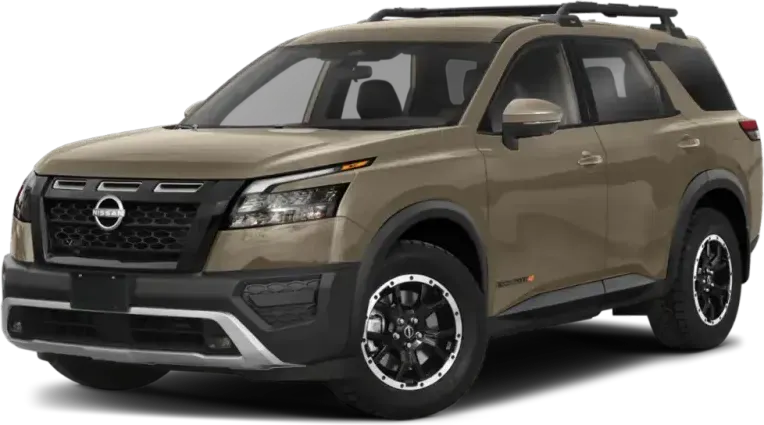
- Nissan Pathfinder71
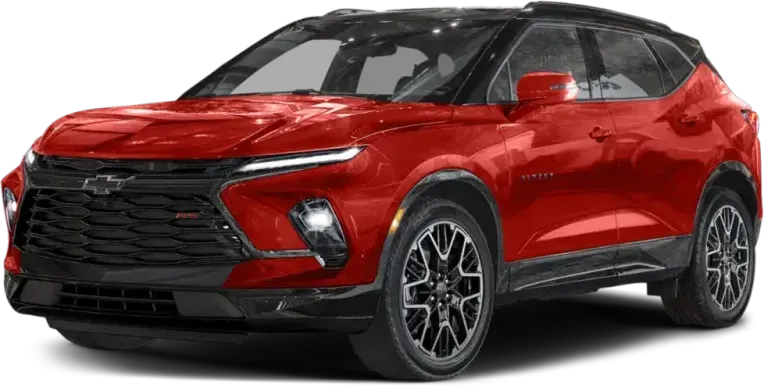
- Chevrolet Blazer170
- 2019 Ford Explorer252
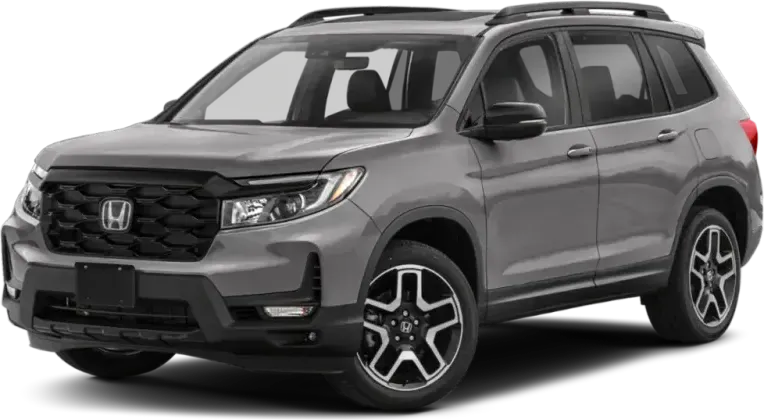
- Honda Passport253
- Chevrolet Traverse358
- Toyota Highlander414
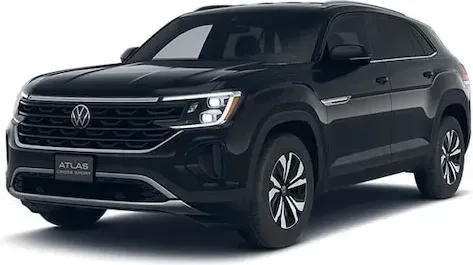
- Volkswagen Atlas437