2018 Ford Explorer: What to check before buying
Owners have filed 651 complaints with NHTSA about this car, most about the body and structure, engine, and electrical. The 9 checks below target those problems, in the order you would do them at the car.
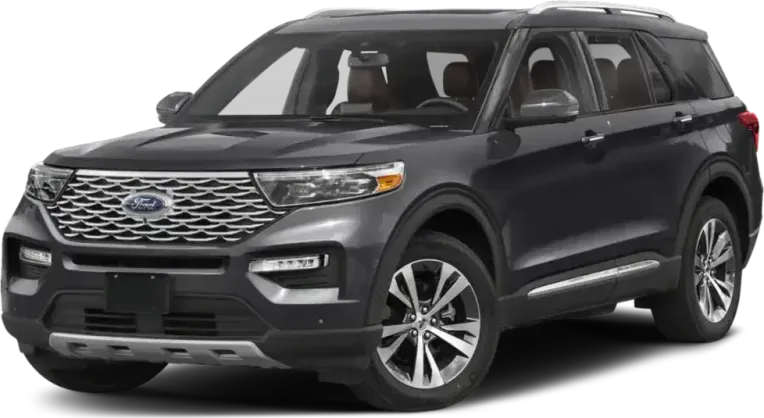 2018
- Owner complaints
- 651
- Recalls
- 5
- Crashes reported
- 13
- 12 injuries
Your inspection sheet
Tick items off on your phone at the car, or print it. Ticks stay on this device.
0/9 checked
2018 Ford Explorer: inspection sheet
Paperwork and questions
Before you go, or before you touch the car0/3
Walk-around and cabin
Engine off, key in hand0/1
Cold start, engine bay, and underside
Ask the seller not to warm the car up first0/2
Test drive
At least 20 minutes, with some highway0/3
These checks are specific to this model year. For tires, body panels, fluids, and the other basics every used car needs, use the general inspection guide.
Which Explorer is it?
EPA figures for each version of the 2018 Ford Explorer. Use them to confirm you are looking at the version that was advertised, and as a yardstick on the test drive.
| Version | Drive | EPA rating |
|---|---|---|
| 2.3L 4-cylGas | AWD, FWD | 21–22 mpg |
| 3.5L 6-cylGas | AWD, FWD | 19–20 mpg |
| 3.5L 6-cylFlex fuel | AWD, FWD | 18–20 mpg |
- The 2018 Ford Explorer was sold in three versions. Confirm which one this is from the window sticker, the engine cover, or the VIN report before you compare prices.
- Reset the trip computer at the start of the drive. A Explorer that averages well under the EPA 18 mpg combined on a mixed route may have an engine or tire problem.
Check the odometer against these mileages
Owners report these failures starting around the mileages below. A car inside one of these ranges deserves a closer look at that part, or records showing it was already fixed.
Exhaust or fuel odor in cabin
3,000–18,000 miles
Power steering assist failure
20,261–62,000 miles
Transmission failure
62,000–100,000 miles
Water pump failure
63,880–131,504 miles
Coolant intrusion engine failure
66,000–102,000 miles
Timing chain failure
101,000–101,300 miles
Why these checks: what owners reported
NHTSA complaints for the 2018 Ford Explorer, grouped by the part owners named. Open a row to read what goes wrong.
Body and structure2492 crashes
Exterior A-pillar trim and windshield molding work loose and fly off at highway speed, sometimes hitting vehicles behind. Whistling, rattling, or air coming in near the driver's side pillar often comes first. Two reports are crash-related. Most filings concern federal recall 24V031000 for this trim, and they tell the same story: dealers say parts are unavailable, owners sit on waiting lists for two years or more, and some are told to use tape in the meantime. Roof rail caps and roof racks that come loose, along with peeling hood paint, also appear.
Engine811 crash
Coolant leaks into the oil or cylinders on EcoBoost engines, causing overheating, misfires, tailpipe smoke, and full engine replacement. Reported failures fall between 63,880 and 102,000 miles. The internal water pump fails and empties the coolant reservoir, sometimes with no warning before the engine overheats. On the 3.5L engine, the timing chain lets go near 101,000 miles and stops the engine on the highway, with ticking as the only earlier sign. Some reports describe cabin exhaust fumes that cause dizziness and nausea. One engine compartment fire destroyed the vehicle.
Water pumps leak and the engine overheats, with coolant pooling under the car or the reservoir needing a refill every week. Reported failures run from about 91,200 to 131,504 miles. Misfires can lead to a diagnosis of coolant getting into the cylinders. A failed high-speed cooling fan relay, covered by program 21N01, can leave the car unable to start. Turbochargers leak oil, and cabin exhaust odors cause nausea and headaches. One fire-related report describes a burning-fuel smell from the vents.
Electrical43No crashes
Fires break out under the dash or after a loud pop and stall, and in two reports the door locks jam while the driver is trying to get out. Batteries leak or burst and spray acid across the engine bay. Other faults include random no-starts even after a new battery, mirrors folding in while driving, SYNC 3 shutting off, and cold-start warnings that knock out power steering, wipers, and turn signals. Low-beam headlights fail or will not turn off. A failed cooling fan relay, covered by program 21N01, causes overheating.
Transmission37No crashes
Transmissions shift hard, shudder, slip between gears, or lose drive power while showing a wrench light and a "See Manual" message. Owners often end up replacing the transmission, commonly between 62,000 and 100,000 miles, and several report another failure after the replacement. Torque converter shudder and sluggish launches are covered by program 20N07, though some owners are told their vehicle does not qualify. Sudden power loss on the highway is the main safety risk. None of these reports is crash-related.
Steering172 crashes
Power steering assist cuts out, often with a Power Steering Assist Fault warning, and the wheel becomes very hard to turn or locks up. Dealers usually replace the steering rack or column. Failures show up as early as 20,261 miles and as late as 62,000. Both crash-related reports involve a sudden loss of control at 70 mph: one from a snapped rear toe link, the other from a total loss of electrical power and steering assist. Pulling hard to one side and squeaks when turning also appear.
Suspension112 crashes
Rear toe links snap without warning, making the SUV swerve, sway, or spin. Both crash-related reports involve this failure. Owners point out that a recall for the same part covers earlier Explorers but not this year. Front lower control arms break near the ball joint, which stops the car or takes away steering, once at just over 2000 miles. Cracked rear knuckle bushings, quoted at $2400.00 to fix, and a rear end that jerks sideways over bumps also appear.
Brakes62 crashes
Braking power drops sharply or disappears, and two crash-related reports describe rear-ending another vehicle, one with an injury. One owner blames the electronic brake assist. Other reports describe a caliper coming apart and leaking fluid, an ABS module failure that locked the brakes, and a fire that an insurer blamed on a brake line failure at 982 miles. With only 6 complaints, no single failure repeats across the reports.
Airbags52 crashes
Airbags fail to deploy in one crash at about 30 mph, though most of the 5 reports describe other problems. The front passenger airbag indicator switches to off with a teenager in the seat. Other filings cover second-row seat belt airbags that make the middle seat unusable, a dash top whose vinyl peels away, and an injury crash after sudden acceleration. No repeat failure pattern is clear.
In owners' own words
Excerpts from complaints Explorer owners filed with NHTSA, as written. Listen for the same symptoms on your test drive.
I was driving on the freeway when one of my A pillers flew off and cause the person behind me to loose control of their car. About 5 min later the other a piller flew off almost causing an accident with a semi and trailer.
Filed with NHTSA, January 2024
Cowl trim on front windshield is detaching from the windshield and flapping while vehicle in operation. Concerned this will fly off the vehicle snd possibly land on another traveling vehicle and possibly cause an accident. This just started making a buzzing noise approximately two weeks ago and after further investigation the trim is literally coming off the windshield in pieces. No warning lights just a noise from the dash. Pictures can be provided.
Filed with NHTSA, November 2023
The car had catastrophic engine failure. It had zero mechanical issues and all routine maintenance. It started rough a few times. Which I now know was a misfire. It then overheated while driving. Brought to a mechanic who said it was a blown head gasket. The coolant leaked into the oil. Engine had to be replaced at 102,000 miles.
Filed with NHTSA, October 2023
Another timing chain failure on highway with engine stopping on road. This should be a recall!!!!! Only 101,300 miles on engine. No warnings no check engine lights until after failure.
Filed with NHTSA, October 2025
The Sync infotainment screen is inoperable and black. My backup camera is no longer operational. No warning lights were illuminated. The vehicle was taken to a local dealer, where it was diagnosed that the application programming interface module (APIM) needed to be replaced; however, the part for the repair was on backorder. The vehicle was not repaired. The manufacturer was made aware of the failure. The approximate failure mileage was 98,000.
Filed with NHTSA, April 2023
Traveling 50mph, noticed smoke rolling from under the dash. Got to the side of the road. The entire dash was engulfed in fire. I had to fight my way out of the car after the doors locked. After I got out of the vehicle I called 911. Fire department came. It has been ruled as electrical. I am not sure whom I need to reach out to yet in regards to this matter and a total loss.
Filed with NHTSA, October 2025
Ford explorer transmission is out and at 62000 miles just under 5 years old. While driving vehicle it will loose power, making it difficult to drive safely. vehicle is currently at a ford dealership that verified issued. Ford motor company states must submit complaint here. when vehicle looses power it states "check manual" with a wrench symbol. No check engine is displayed.
Filed with NHTSA, April 2024
2018 Ford Explorer in SEP 24 loss of driving power, complete, would not shift into any gear approximately 10k miles after a new transmission. Limped to dealer and they confirmed a replacement for the transmission, torque converter in particular. April 2025, engine warning light comes on, transmission torque converter failed again.
Filed with NHTSA, April 2025
How the 2018 compares with other Explorer years
Complaints for this year next to the average for the other model years, area by area.
The 2018 ranks second for owner complaints among 8 Explorer years, about 2.2 times the average of the others. Newer years have had less time to collect complaints, so compare like with like.
- Body and structure24926
- Engine8113
- Electrical4331
- Transmission3783
- Steering178
- Suspension111
Where the 2018 fits in the Explorer's history
Redesigns and mid-cycle updates change what can go wrong.
The 2018 is the eighth model year of the Explorer's fifth generation (2011–2019).
It includes the 2016 update.
What changed for 2016
- Redesigned front fascia
- Standard LED low-beam headlights
- Restyled LED tail lamps
Recalls to confirm (5)
Recall repairs are free at any Ford dealer, but the seller may never have had them done. Check each campaign number against the VIN.
25V685000EquipmentOct 2025
Ford Motor Company (Ford) is recalling certain 2016-2019 Lincoln MKC, 2016-2023 Explorer, 2019-2020 Fusion, 2019-2024 Ranger, 2020-2022 Lincoln Corsair, Escape, 2021-2024 Bronco, Bronco Sport, and 2022-2024 Maverick vehicles. The engine block heater may crack and develop a coolant leak, causing it to short circuit when the block heater is plugged in.
Risk: An electrical short circuit can increase the risk of a fire.
Fix: Owners are advised not to plug in their block heater until the vehicle is remedied. Dealers will replace the block heater, free of charge. Interim letters, notifying owners of the safety risk, were mailed December 3, 2025. Additional letters will be sent once the final remedy is available, anticipated February 2026. Owners may contact Ford customer service at 1-866-436-7332. Ford's number for this recall is 25SA4. Vehicle Identification Numbers (VINs) involved in this recall became searchable on NHTSA.gov on October 15, 2025.
24V031000Body and structureJan 2024
Ford Motor Company (Ford) is recalling certain 2011-2019 Explorer vehicles. The A-pillar trim retention clips may not be properly engaged, allowing the trim to detach.
Risk: A detached trim piece can fall off the vehicle, becoming a road hazard and increasing the risk of a crash.
Fix: Dealers will inspect and replace the A-pillar trim as necessary, free of charge. Owner notification letters were mailed on July 18, 2024. Owners may contact Ford customer service at 1-866-436-7332. Ford's number for this recall is 24S02.
21V316000Body and structureMay 2021
Ford Motor Company (Ford) is recalling certain 2016-2019 Explorer vehicles. The retention pins could loosen and allow the roof rail covers to detach from the vehicle.
Risk: A detached roof rail cover can create a road hazard, increasing the risk of a crash.
Fix: Dealers will install push-pins and replace any damaged rail clips and roof rail covers, as necessary, free of charge. The interim owner notification letter was mailed on June 22, 2021. Owner notification letters (remedy available) were mailed on October 1, 2021. Owners may contact Ford customer service at 1-866-436-7332. Ford's number for this recall is 21S22.
19V633000SeatsAug 2019
Ford Motor Company (Ford) is recalling certain 2018-2020 F-150 and 2019-2020 F-250, F-350, F-450, and F-550 Super Duty pickup trucks, and 2018-2019 Ford Explorer, 2019-2020 Expedition, and 2020 Escape vehicles equipped with driver and/or passenger's manual front seat back recliner mechanisms. Also included are certain 2020 Ford Explorer and Lincoln Aviator vehicles equipped with rear outboard seats and manual seat back recliner mechanisms. The recliner mechanisms may be missing the third pawl required for seat back strength, resulting in a loose seat back. As such, these vehicles fail to comply with the requirements of Federal Motor Vehicle Safety Standard (FMVSS) numbers 202, "Head Restraints" and 207, "Seating Systems.".
Risk: A seat back with an improperly assembled recliner mechanism may have reduced strength and may not adequately restrain an occupant in a crash, increasing the risk of injury.
Fix: Ford will notify owners, and Ford and Lincoln dealers will inspect the seat structure and replace them, as necessary, free of charge. The recall began October 21, 2019. Owners may contact Ford customer service at 1-866-436-7332. Ford's number for this recall is 19C07.
18V807000Fuel systemNov 2018
Ford Motor Company (Ford) is recalling certain 2018 Ford Explorer vehicles equipped with 2.3L or 3.5L GTDI engine. Due to an assembly error, the fuel pressure sensor may leak fuel.
Risk: A fuel leak in the presence of an ignition source can increase the risk of a fire.
Fix: Ford will notify owners, and dealers will replace the fuel line assembly, free of charge. The recall began December 7, 2018. Owners may contact Ford customer service at 1-866-436-7332. Ford's number for this recall is 18S35.
Also looking at these instead of a Explorer?
Cars shoppers compare with the Ford Explorer, with their own 2018 checklists.
2018 owner complaints, side by side
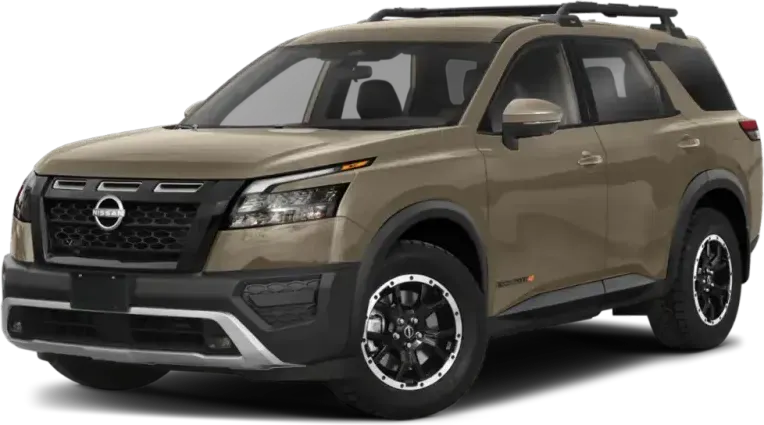
- Nissan Pathfinder74
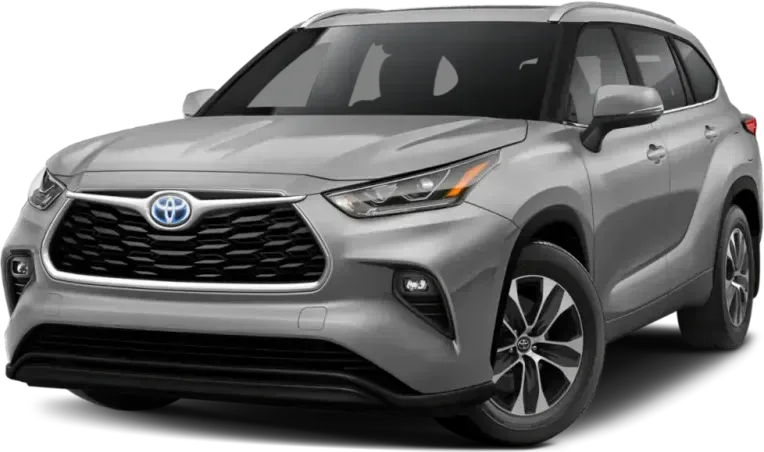
- Toyota Highlander242
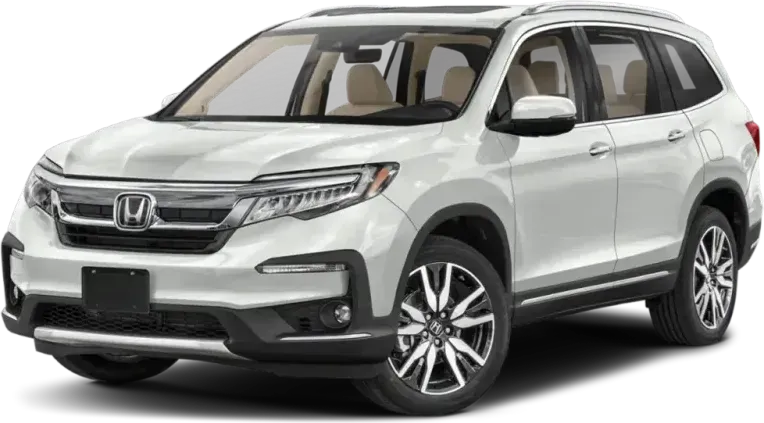
- Honda Pilot408
- Chevrolet Traverse416
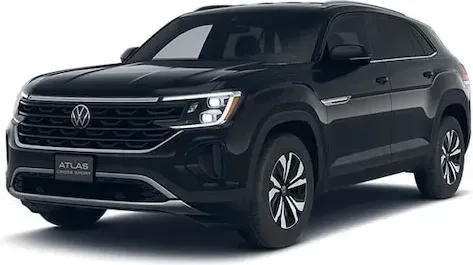
- Volkswagen Atlas444
- 2018 Ford Explorer651
- Jeep Grand Cherokee804