2019 Toyota Highlander: What to check before buying
Owners have filed 414 complaints with NHTSA about this car, most about the transmission, fuel system, and electrical. The 9 checks below target those problems, in the order you would do them at the car.
 2019
- Owner complaints
- 414
- Recalls
- 3
- Crashes reported
- 22
- 18 injuries
Your inspection sheet
Tick items off on your phone at the car, or print it. Ticks stay on this device.
0/9 checked
2019 Toyota Highlander: inspection sheet
Paperwork and questions
Before you go, or before you touch the car0/3
Cold start, engine bay, and underside
Ask the seller not to warm the car up first0/3
Test drive
At least 20 minutes, with some highway0/3
These checks are specific to this model year. For tires, body panels, fluids, and the other basics every used car needs, use the general inspection guide.
Which Highlander is it?
EPA figures for each version of the 2019 Toyota Highlander. Use them to confirm you are looking at the version that was advertised, and as a yardstick on the test drive.
| Version | Drive | EPA rating |
|---|---|---|
| 2.7L 4-cylGas | FWD | 22 mpg |
| 3.5L 6-cylGas | AWD, FWD | 23 mpg |
| 3.5L 6-cylHybrid | AWD | 29 mpg |
- The 2019 Toyota Highlander was sold in three versions. Confirm which one this is from the window sticker, the engine cover, or the VIN report before you compare prices.
- On the hybrid, watch for the car moving off on electric power at low speed and for any hybrid system warning on the dash.
- Reset the trip computer at the start of the drive. A Highlander that averages well under the EPA 22 mpg combined on a mixed route may have an engine or tire problem.
Check the odometer against these mileages
Owners report these failures starting around the mileages below. A car inside one of these ranges deserves a closer look at that part, or records showing it was already fixed.
Fuel pump stalling, power loss
5,000–38,000 miles
Transmission whine and failure
79,000–133,000 miles
Why these checks: what owners reported
NHTSA complaints for the 2019 Toyota Highlander, grouped by the part owners named. Open a row to read what goes wrong.
Transmission145No crashes
Transmission failure dominates these reports. A whining or grinding noise under acceleration, which fades off the throttle, often comes first. Rough shifts from Park to Drive, slipping, or high revs with little movement may also come first. Many cars then refuse to go into gear and must be towed, sometimes from busy intersections. Failures cluster between roughly 79,000 and 133,000 miles, often with no warning light beforehand. Dealers typically recommend a full replacement, quoted at $9,000 to over $11,000, and several owners say replacement transmissions are on restricted order.
Fuel system65No crashes
Sudden loss of power is the core complaint. The engine either stalls or keeps running while the car will not accelerate. Warnings for check engine, AWD, pre-collision and the hybrid system may appear, often on highways or mid-turn. Dealers usually trace it to the fuel pump, which a recall covers for some VINs but not others. Several owners say stalling continued after the recall pump was installed, and some cases come from cars with very low mileage. Other complaints include replaced fuel injectors, fuel spilling at the pump after the recall repair, and an inaccurate fuel gauge.
Most entries concern the fuel pump recall rather than new failures. Owners report receiving recall notices only to learn that dealers had no parts, and several say the wait exceeded a reasonable time. When failures do occur, the car jerks, loses power and stalls, sometimes at highway speed and sometimes with a check engine light. It then restarts after a pause. A few owners say the problem returned after the pump was replaced, and others seek reimbursement for repairs.
Electrical453 crashes
Stalling and sudden power loss lead this group. The car stops accelerating in traffic or at intersections, a string of warnings appears (hybrid system malfunction, pre-collision, check engine, ABS), and steering can turn heavy. Three crashes involve surging at parking speeds where braking reportedly did not stop the car. The startup speaker screech returns here, with flashing SOS lights, and the outcome is DCM replacement or backordered parts. Owners also report dead 12V batteries, random shutoffs, a resetting radio head unit, and door locks that stop working.
Engine211 crash
Many entries here describe transmission or fuel-pump faults filed under the engine. Transmission cases show the familiar whining under acceleration, revving with little movement, and loss of drive and reverse, between about 80,000 and 110,000 miles. Fuel-related cases involve stalling in traffic with check engine and hybrid system warnings, fuel pressure codes such as P0087 and P107B, and fuel pump replacement. Smaller groups cite high idle that makes the SUV lurch off the brake, a dead zone in the accelerator pedal, repeated battery drain, and one low-speed surge into a garage railing.
Airbags128 crashes
The main concern is airbags that fail to deploy in frontal and side impacts. Eight of these reports involve crashes at speeds around 25 to 45 mph, including T-bone collisions and a rollover. Injuries include a concussion and head trauma. Several cars show an SRS airbag malfunction warning with no crash history, and one owner reports seatbelts not registering as buckled. Dealers often reset the module without a lasting fix. One report describes a rear airbag deploying while driving with no impact.
Body and structure113 crashes
Sunroof glass shattering at speeds from 30 to 65 mph is the most repeated problem, with no object striking it. In several cases a closed sunshade kept glass off occupants. Loud wind noise at speed is another theme, and owners say dealers called it a design flaw with no working fix. Other reports cover water leaking into the cabin near electrical components, a front bumper that keeps popping loose, and doors unlocking when the tailgate opens. Three crash reports describe the SUV rolling away or lunging forward, and one rollaway dragged and injured the driver.
Steering81 crash
The most serious pattern is power steering that stops assisting. Reports describe an EPS failure warning with a wheel that will not turn, steering that briefly resists at low speed, and a wheel that seizes when the engine stalls. All of these come from low-mileage cars. Other owners cite constant drift to the left despite repeated alignments and unpredictable response during highway lane changes. In one crash, the car stopped abruptly in a parking lot with a blown tire and a wheel at an odd angle, injuring the driver.
Acceleration and cruise control62 crashes
The most common complaint is hesitation when pulling away. The SUV lags from a stop or after slowing for a corner, which makes merging and crossing traffic risky. In one case the lag comes with stalling and hybrid system and pre-collision warnings. Two crash reports describe sudden acceleration at parking speed, both with injuries, and one is blamed on the pedal catching the floor mat. Owners also report adaptive cruise control accelerating toward a car ahead in snow before warning that the front sensor was not working.
In owners' own words
Excerpts from complaints Highlander owners filed with NHTSA, as written. Listen for the same symptoms on your test drive.
1 - The car transmission is emitting a whine noise, harsh shift and loss of power. The dealer recommended the transmission be replaced. The car has 54,857 miles. The auto is available for inspection. 2 - Safety is an issue when the transmission loses power and is unable to accelerate. 3 - The issue was reproduced by the dealer and recommended transmission replacement. 4 - Inspected by dealer only. 5 - There were no warning indicators for the failure.
Filed with NHTSA, December 2024
premature failure of UA80F transmission with 80,000 miles on vehicle which has been regularly serviced and maintained. Failure symptoms demonstrated match documented cases exactly resulting in the ultimate and complete failure of the transmission resulting in the vehicle being towed in to the dealer for a repair. Repair bill upwards of $10,000 however being told parts not available leaving me with a 40k vehicle that is unable to be repaired.
Filed with NHTSA, December 2025
My wife was going to pick our kids up for school and was on a 60mph highway when the check engine light came on and the vehicle slowed down to 30mph in heavy traffic. She was able to maneuver off the road and get to safety. We took the vehicle to the dealership where they replaced the 3 fuel injectors for $1900. Vehicle has 38,000 miles. With such low miles and the fact that this happened on a highway in my opinion this is a major safety concern.
Filed with NHTSA, April 2022
Vehicle just turned 12,000 miles. When fueling the vehicle gas gauge does not read correctly. This may cause an unexpected loss of control and accident if out of gas when driving. Vehicle has not yet been to the dealer for repair but going soon. As far as I can determine there are no warning lamps for a faulty fuel gauge.
Filed with NHTSA, August 2024
When I start the Highlander, there is a loud (hurts your ears) feedback noise through the speakers. It's so loud you instinctively close your eyes and put your hands on your ears, ignoring whatever you were doing before (like maybe putting the car in gear). It lasts a second or two then stops. It doesn't happen every time, more like every 10 starts. I called Toyota and they said take it to the dealer. I'm still waiting to get their feedback.
Filed with NHTSA, November 2024
The car turns off when driving which was supposed to be corrected by recall. It doesn’t appear the recall has been successful in correcting the issue. I actually am not 100% sure they actually swapped out the recall part so I’d like that checked. I also purchased a new battery from the dealer about 3 weeks ago and the problem actually got worse in that it stalls while driving or resets the computer while driving at least once a week.
Filed with NHTSA, October 2023
Initially had issues with acceleration with RPM’s going high with car moving very slowly. Five days after that started, car broke down 3 times in one trip & would not drive or go in reverse. Per dealership, the car needs a new transmission even though it’s only a 2019 with 110,000 miles.
Filed with NHTSA, January 2026
Started noticing a whining noise when accelerating. This appears to be drive shaft/transmission issue. Was quoted 7k to remove and replace. This should be an active recall for this issue what is Toyota doing?
Filed with NHTSA, October 2025
How the 2019 compares with other Highlander years
Complaints for this year next to the average for the other model years, area by area.
The 2019 has the most owner complaints of the 8 Highlander years we cover, about 2.0 times the average of the others. Newer years have had less time to collect complaints, so compare like with like.
- Transmission14549
- Fuel system6512
- Electrical4513
- Engine216
- Airbags1221
- Body and structure1121
Where the 2019 fits in the Highlander's history
Redesigns and mid-cycle updates change what can go wrong.
The 2019 is the sixth model year of the Highlander's third generation (2014–2019).
It includes the 2016 update.
What changed for 2016
- New eight-speed automatic transmission for V6 models
- Revised engine with direct injection
- Restyled headlights and tail lights
Recalls to confirm (3)
Recall repairs are free at any Toyota dealer, but the seller may never have had them done. Check each campaign number against the VIN.
20V682000Fuel systemNov 2020
Toyota Motor Engineering & Manufacturing (Toyota) is recalling certain 2018-2019 4Runner, 2019-2020 Avalon, 2019 Corolla Hatchback, 2017-2019 Highlander, 2018-2020 Camry, 2020 Corolla, 2018-2019 Land Cruiser, 2017-2020 Tacoma, 2019-2020 RAV4, 2019-2020 Sequoia, 2017-2020 Sienna, 2019-2020 Tundra, 2018-2020 Lexus ES350, 2017 Lexus GS200t, 2017-2019 Lexus GS350, 2019 Lexus GS300, 2018-2020 Lexus LC500h, 2019-2020 Lexus LS500, 2018-2019 Lexus GX460, 2017 Lexus IS200t, 2019 Lexus IS300, 2019 Lexus IS350, 2018-2020 Lexus LC500, 2018 Lexus LS500, 2019 Lexus LS500h, 2018-2019 Lexus LX570, 2017 Lexus RC200t, 2019 Lexus RC300, RC350, 2017 and 2019-2020 Lexus RX350, 2018-2020 RX350L, 2019 Lexus UX200, 2018-2019 Lexus NX300 vehicles. The low-pressure fuel pump inside the fuel tank may fail.
Risk: If the fuel pump fails, the engine can stall while driving, increasing the risk of a crash.
Fix: Toyota will notify owners, and dealers will replace the fuel pump assembly with an improved one, free of charge. Owners of specific models were notified that remedy parts were available starting January 21, 2021. Owners of other models will be notified as remedy parts become available. Remedy parts should be available for all affected vehicles by late March 2021. Owners may contact Toyota customer service at 1-888-270-9371 or Lexus customer service at 1-800-255-3987. Note: This recall is an expansion of recall 20V-012. Toyota's number for this recall is 20TA02. Lexus' number for this recall is 20LA01.
20V012000Fuel systemJan 2020
Toyota Motor Engineering & Manufacturing (Toyota) recalled certain 2018-2019 4Runner, Highlander, Camry, Land Cruiser, Sequoia, Sienna, Tacoma and Tundra, and Lexus RC 300, RC 350, GS 350, GX 460, IS 300, LC 500, LS 500, LX 570, RX 350L, and 2019 Toyota Avalon and Corolla, and certain Lexus NX 300, and ES 350 vehicles on January 13, 2020. On March 4, 2020, Toyota expanded the recall to include certain 2014-2015 Toyota 4Runner and Land Cruiser, 2018 Avalon, Corolla, 2014 FJ Cruiser, 2017 Sienna and Lexus 2018 ES 350, 2018-2019 GS 300, 2013-2014 GS350, 2014-2015 GX 460, IS 350 and LX 570, 2014 IS F, 2018-2019 IS 350, LC 500H and LS 500H, 2013-2015 LS 460, 2015 NX 200T and RC350, 2017 RC 200T and RX 350. Toyota also removed the 2018-2019 Toyota 4Runner and Land Cruiser and 2018-2019 Lexus GX 460 and LX 570 and 2019 NX300 from inclusion in this recall. On March 19, 2020, Toyota expanded the recall to include 2015 Lexus GS350 vehicles. The low-pressure fuel pump inside the fuel tank may fail.
Risk: If the fuel pump fails, the engine can stall while driving, increasing the risk of a crash.
Fix: Toyota will notify owners, and dealers will replace the fuel pump, free of charge. The recall began May 4, 2020. Owners may contact Toyota customer service at 1-888-270-9371 or Lexus customer service at 1-800-255-3987. Toyota's numbers for this recall are 20TB02 and 20TA02 for Toyota vehicles and 20LB01 and 20LA01 for Lexus vehicles.
19V244000EquipmentMar 2019
Gulf States Toyota (GST) is recalling certain 2019 C-HR, 4Runner, Avalon, Avalon Hybrid, Camry, Camry Hybrid, Highlander, Land Cruiser, Prius, RAV4, Sequoia, Tacoma, Sienna, Tundra and Yaris vehicles. The text on the load capacity label may become illegible. As such, these vehicles fail to comply with the requirements of Federal Motor Vehicle Safety Standard (FMVSS) number 110, "Tire Selection and Rims.".
Risk: If the driver cannot read the label, they may unknowingly overload the vehicle, increasing the risk of a crash.
Fix: GST will notify owners, and dealers will provide corrected load carrying capacity modification labels, free of charge. The recall began May 24, 2019. Owners may contact GST customer service at 1-800-444-1074. GST's number for this recall is 19R1.
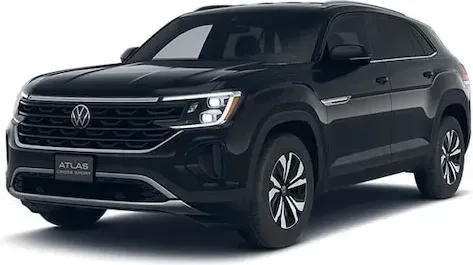
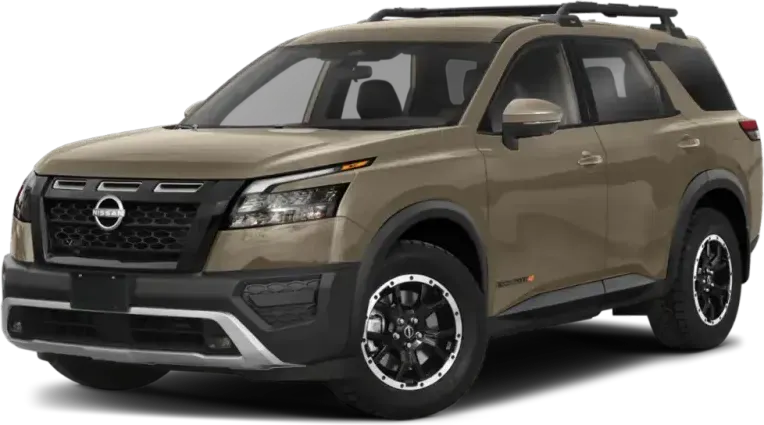
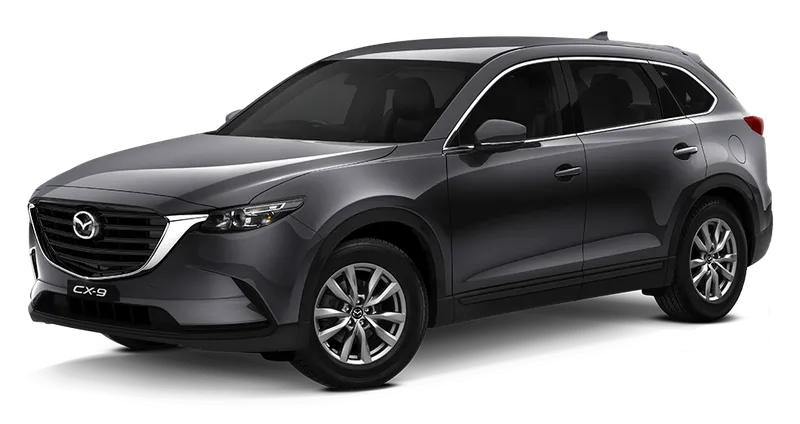
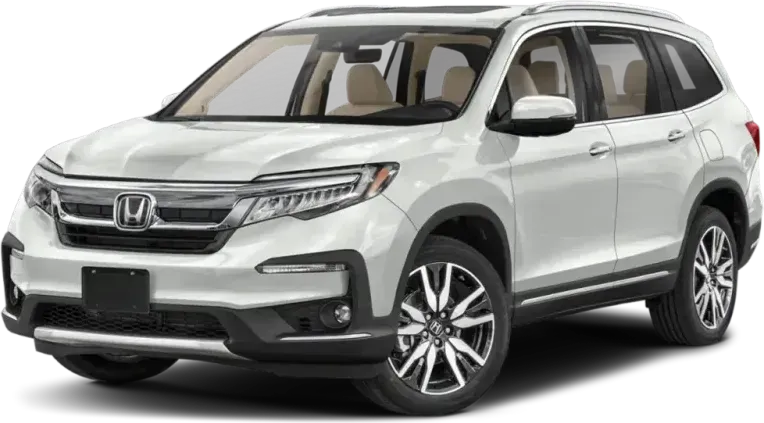
Also looking at these instead of a Highlander?
Cars shoppers compare with the Toyota Highlander, with their own 2019 checklists.
2019 owner complaints, side by side
- Mazda CX-952
- Nissan Pathfinder71
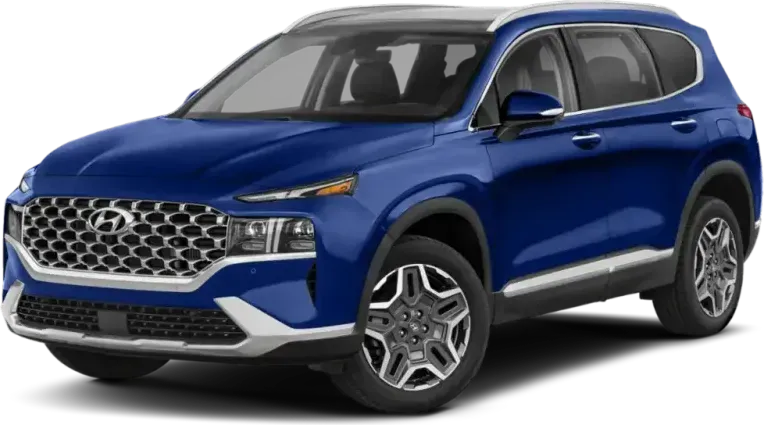
- Hyundai Santa Fe201
- 2019 Toyota Highlander414
- Volkswagen Atlas437
- Ford Edge687
- Honda Pilot794