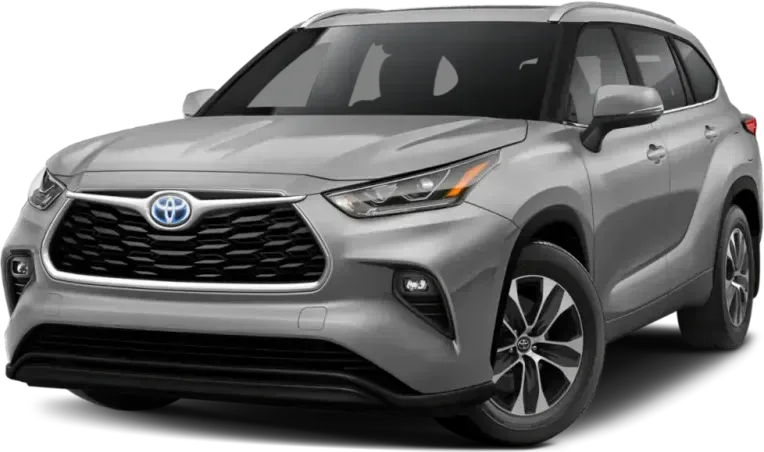
2018 Toyota Highlander: What to check before buying
Owners have filed 242 complaints with NHTSA about this car, most about the brakes, transmission, and fuel system. The 9 checks below target those problems, in the order you would do them at the car.
 2018
- Owner complaints
- 242
- Recalls
- 5
- Crashes reported
- 21
- 21 injuries
Your inspection sheet
Tick items off on your phone at the car, or print it. Ticks stay on this device.
0/9 checked
2018 Toyota Highlander: inspection sheet
Paperwork and questions
Before you go, or before you touch the car0/3
Walk-around and cabin
Engine off, key in hand0/1
Cold start, engine bay, and underside
Ask the seller not to warm the car up first0/3
Test drive
At least 20 minutes, with some highway0/2
These checks are specific to this model year. For tires, body panels, fluids, and the other basics every used car needs, use the general inspection guide.
Which Highlander is it?
EPA figures for each version of the 2018 Toyota Highlander. Use them to confirm you are looking at the version that was advertised, and as a yardstick on the test drive.
| Version | Drive | EPA rating |
|---|---|---|
| 2.7L 4-cylGas | FWD | 22 mpg |
| 3.5L 6-cylGas | AWD, FWD | 23 mpg |
| 3.5L 6-cylHybrid | AWD | 29 mpg |
- The 2018 Toyota Highlander was sold in three versions. Confirm which one this is from the window sticker, the engine cover, or the VIN report before you compare prices.
- On the hybrid, watch for the car moving off on electric power at low speed and for any hybrid system warning on the dash.
- Reset the trip computer at the start of the drive. A Highlander that averages well under the EPA 22 mpg combined on a mixed route may have an engine or tire problem.
Check the odometer against these mileages
Owners report these failures starting around the mileages below. A car inside one of these ranges deserves a closer look at that part, or records showing it was already fixed.
Fuel pump stalling, hesitation
9,000–25,000 miles
Premature brake pad, rotor wear
21,000–39,000 miles
Brake booster vacuum pump failure
48,000–57,000 miles
Transmission whine and failure
60,000–67,000 miles
Why these checks: what owners reported
NHTSA complaints for the 2018 Toyota Highlander, grouped by the part owners named. Open a row to read what goes wrong.
Brakes463 crashes
Power assist fails. A "Braking Power Low, Stop in a Safe Place" message appears, the pedal turns hard, and the engine often refuses to start. Many reports trace this to the brake booster vacuum pump, usually between about 48,000 and 57,000 miles. Dealers quote around $2,000 to $2,500, and several owners say their VIN was left out of the recall. A smaller group reports pads and rotors wearing out early, pulsing pedals, and shaking under braking at highway speed. Three complaints involve crashes, with two injuries.
Transmission44No crashes
The eight-speed transmission whines under acceleration or deceleration. Later it shifts hard, slips, or hesitates, and some units fail outright with no warning light. The whine often starts in the 60,000 to 67,000 mile range, though complete failures run from 39,000 to 136,000 miles. Several owners lost all power in traffic or on the freeway. Toyota issued service bulletins and a customer support program, but many 2018 VINs fall outside it. Replacement quotes run from $7,300 to $11,303.
Fuel system27No crashes
Most of these filings are about the low-pressure fuel pump recall, not about failures. Owners got recall notices, but dealers had no parts, and many waited far too long for a fix. Where failures did happen, the engine stalls at speed, idles rough, or won't restart. A low-pressure warning or check engine light usually appears. Batteries were swapped without fixing the problem. At least one car still stalled after the recall work was done.
The car slows suddenly or hesitates from a stop, sometimes almost to a standstill, with little or no warning. Owners blame the low-pressure fuel pump, and the complaints focus on how slowly Toyota delivered a recall remedy. Some cars sat at dealers for weeks. Other owners were told their VIN was not covered even though their cars stalled, and one paid $1,100 for a pump replacement. A separate complaint describes fuel surging back out of the filler neck after the pump shuts off.
Electrical18No crashes
The car won't start. The brake pedal is rigid and the dash lights up, but the engine stays off. Dealers often cannot reproduce the fault. Reports also describe the engine losing power or stopping at lights, batteries going dead repeatedly, and an airbag warning caused by an open circuit in the door harness. Infotainment complaints include Bluetooth dropping calls and hands-free audio rebooting. Lane departure and blind spot monitoring sometimes work only part of the time. One owner reports sudden acceleration on cruise control resume.
Airbags1714 crashes
Airbags fail to deploy in serious collisions. Owners describe front impacts, side impacts that push the car into trees, and crashes that total the vehicle. Fourteen of these complaints involve crashes, and 16 people were injured. Several also say the pre-collision system gave no warning or braking. Outside of crashes, an SRS warning light can come on from a wiring harness fault. One dealer quoted $2,300 at 86,000 miles, after coverage ended.
Engine17No crashes
Oil leaks show up on the V6, from the cam tower and valve cover seal or from a poorly sealed gasket. One valve cover repair was quoted at $2,173.51 at 52,500 miles. Several reports describe sudden stalls with a check engine light, and some link these to the fuel pump recall. Other reports include rough idle at stops, a constant antifreeze smell, low compression in one cylinder that required a new engine, and a parked hybrid that caught fire in the engine bay at 6,000 miles.
Body and structure91 crash
Rear hatch glass and panoramic sunroof glass shatter on their own, both while parked and at interstate speed. Some liftgates crack, rub against the roof near the spoiler, or squeak when warm. Towing brings other problems: a cracked trailer hitch at about 27,000 miles and plastic melted above the muffler from exhaust heat. Smaller complaints cover a rattle at the passenger B-pillar and dash trim glare in the side mirrors. One crash with an injury is tied to the car surging forward in a parking lot.
Steering9No crashes
The wheel suddenly turns heavy during a turn or at highway speed. Sometimes an "ETS Failure" message appears, the engine stalls, or the dash goes dark. Some episodes clear up within seconds. Others leave the wheel hard to turn until a dealer repair. Several reports pair the lockup with the "Braking Power Low" warning and a no-start. Less common complaints include a car that pulls into oncoming traffic after repeated alignments and leather peeling off the wheel.
In owners' own words
Excerpts from complaints Highlander owners filed with NHTSA, as written. Listen for the same symptoms on your test drive.
Approaching a stop light brakes didn’t work. The automatic system activated and the car stopped right before I rear-ended the car in front of me. I took it to a Toyota dealership and they diagnosed a faulty brake booster pump with a price of $2500 to replace. I see this isn’t a unique problem for the 2018 Highlander but after talking with Toyota they denied any coverage since my vehicle has 48,000 miles and is out of warranty.
Filed with NHTSA, May 2022
Around 29,000 miles, I noticed a severe brake vibration while slowing down or stopping from speeds above 55 mph. The vehicle is driven very carefully and not harshly. As of today (11/14/2024), the vehicle is 77 months old and only has 49,000 miles on it. I had been told by Toyota that the rotors are not warped, so it must be a defective part in the braking system.
Filed with NHTSA, November 2024
I brought my car to the dealership due to a small whining noise when accelerating over 30mph. Technician determined the noise is coming from internal transmission failure and recommended replacement. The small whining noise was the only indication something was wrong. No check engine or warning lights on my dashboard. The car is under 50,000 miles at the time.
Filed with NHTSA, November 2024
The transmission on my 2018 Highlander is failing prematurely at 80k miles in alignment with known/published customer support program ZJC. My car is not a VIN covered by the program today. Symptoms include a growing whining sound coming from the transmission and confirmed by two Toyota dealership service centers.
Filed with NHTSA, November 2025
S.R.S malfunction error message due to open circuit in the left front door harness. Active DTC (S) B1697 code which is related to lost communication with side airbag sensor LH is present in the vehicle. Toyota is refusing to address the issue because it is not part of a covered warranty and there are no open recall on this issue. This is a safety issue in that in the event of an accident, the airbag will not deploy which could be catastrophic.
Filed with NHTSA, August 2023
Car wouldnt start in garage, it shows error in the dash "Braking Power Low, STOP in a safe place". It looks like several people are having same issue around same time outside of warranty, and on cars not in the original recall.
Filed with NHTSA, April 2022
How the 2018 compares with other Highlander years
Complaints for this year next to the average for the other model years, area by area.
The 2018 ranks fourth for owner complaints among 8 Highlander years, close to the average of the others. Newer years have had less time to collect complaints, so compare like with like.
- Brakes4618
- Transmission4463
- Fuel system2718
- Electrical1817
- Airbags1721
- Engine176
Where the 2018 fits in the Highlander's history
Redesigns and mid-cycle updates change what can go wrong.
The 2018 is the fifth model year of the Highlander's third generation (2014–2019).
It includes the 2016 update.
What changed for 2016
- New eight-speed automatic transmission for V6 models
- Revised engine with direct injection
- Restyled headlights and tail lights
Recalls to confirm (5)
Recall repairs are free at any Toyota dealer, but the seller may never have had them done. Check each campaign number against the VIN.
20V682000Fuel systemNov 2020
Toyota Motor Engineering & Manufacturing (Toyota) is recalling certain 2018-2019 4Runner, 2019-2020 Avalon, 2019 Corolla Hatchback, 2017-2019 Highlander, 2018-2020 Camry, 2020 Corolla, 2018-2019 Land Cruiser, 2017-2020 Tacoma, 2019-2020 RAV4, 2019-2020 Sequoia, 2017-2020 Sienna, 2019-2020 Tundra, 2018-2020 Lexus ES350, 2017 Lexus GS200t, 2017-2019 Lexus GS350, 2019 Lexus GS300, 2018-2020 Lexus LC500h, 2019-2020 Lexus LS500, 2018-2019 Lexus GX460, 2017 Lexus IS200t, 2019 Lexus IS300, 2019 Lexus IS350, 2018-2020 Lexus LC500, 2018 Lexus LS500, 2019 Lexus LS500h, 2018-2019 Lexus LX570, 2017 Lexus RC200t, 2019 Lexus RC300, RC350, 2017 and 2019-2020 Lexus RX350, 2018-2020 RX350L, 2019 Lexus UX200, 2018-2019 Lexus NX300 vehicles. The low-pressure fuel pump inside the fuel tank may fail.
Risk: If the fuel pump fails, the engine can stall while driving, increasing the risk of a crash.
Fix: Toyota will notify owners, and dealers will replace the fuel pump assembly with an improved one, free of charge. Owners of specific models were notified that remedy parts were available starting January 21, 2021. Owners of other models will be notified as remedy parts become available. Remedy parts should be available for all affected vehicles by late March 2021. Owners may contact Toyota customer service at 1-888-270-9371 or Lexus customer service at 1-800-255-3987. Note: This recall is an expansion of recall 20V-012. Toyota's number for this recall is 20TA02. Lexus' number for this recall is 20LA01.
20V012000Fuel systemJan 2020
Toyota Motor Engineering & Manufacturing (Toyota) recalled certain 2018-2019 4Runner, Highlander, Camry, Land Cruiser, Sequoia, Sienna, Tacoma and Tundra, and Lexus RC 300, RC 350, GS 350, GX 460, IS 300, LC 500, LS 500, LX 570, RX 350L, and 2019 Toyota Avalon and Corolla, and certain Lexus NX 300, and ES 350 vehicles on January 13, 2020. On March 4, 2020, Toyota expanded the recall to include certain 2014-2015 Toyota 4Runner and Land Cruiser, 2018 Avalon, Corolla, 2014 FJ Cruiser, 2017 Sienna and Lexus 2018 ES 350, 2018-2019 GS 300, 2013-2014 GS350, 2014-2015 GX 460, IS 350 and LX 570, 2014 IS F, 2018-2019 IS 350, LC 500H and LS 500H, 2013-2015 LS 460, 2015 NX 200T and RC350, 2017 RC 200T and RX 350. Toyota also removed the 2018-2019 Toyota 4Runner and Land Cruiser and 2018-2019 Lexus GX 460 and LX 570 and 2019 NX300 from inclusion in this recall. On March 19, 2020, Toyota expanded the recall to include 2015 Lexus GS350 vehicles. The low-pressure fuel pump inside the fuel tank may fail.
Risk: If the fuel pump fails, the engine can stall while driving, increasing the risk of a crash.
Fix: Toyota will notify owners, and dealers will replace the fuel pump, free of charge. The recall began May 4, 2020. Owners may contact Toyota customer service at 1-888-270-9371 or Lexus customer service at 1-800-255-3987. Toyota's numbers for this recall are 20TB02 and 20TA02 for Toyota vehicles and 20LB01 and 20LA01 for Lexus vehicles.
18E107000ElectricalNov 2018
Fujian Wanda Automobile Glass Industry (Wanda) is recalling certain aftermarket Replacement Windshields sold for use in 2014-2018 Toyota Highlander vehicles. The windshields have an attached wire harness that water may leak into, possibly causing damage to the vehicle's Engine Control Module (ECM).
Risk: The ECM damage may result in the engine stalling, increasing the risk of a crash.
Fix: Wanda will notify owners, and service centers will replace the windshields, and inspect the ECM for damage, having it replaced, as necessary, free of charge. The recall began January 29, 2019. Owners may contact Wanda customer service at 1-864-281-2760.
18V211000BrakesApr 2018
Toyota Motor Engineering & Manufacturing (Toyota) is recalling certain 2018 Toyota Camry and Highlander vehicles, 2017 Toyota Sienna and Tacoma vehicles and 2017 Lexus RX350 vehicles. During the manufacturing process, the oil galley in the rotor for the brake booster vacuum pump assembly may have been improperly machined possibly resulting in a sudden loss of brake assist.
Risk: A sudden loss of braking assist can increase the risk of a crash.
Fix: Toyota will notify owners, and dealers will replace the brake booster vacuum pump, free of charge. The recall began on May 9, 2018. Owners may contact Toyota customer service at 1-888-270-9371, or Lexus customer service at 1-800-255-3987. Toyota's numbers for this recall are J0K/JLD.
17V831000EquipmentDec 2017
Toyota Motor Engineering & Manufacturing (Toyota) is recalling certain 2017-2018 Toyota 4Runner and Tundra, 2018 Toyota Highlander, RAV4 and Lexus GX460 and 2017 Toyota Sienna and Tacoma vehicles. These vehicles may have incorrect load carrying capacity modification labels. As such, these vehicles fail to comply with the requirements of Federal Motor Vehicle Safety Standard (FMVSS) number 110, "Tire Selection and Rims.".
Risk: An incorrect load information label can result in the operator overloading the vehicle and increasing the risk of a crash.
Fix: Toyota will notify owners and provide them with corrected labels, free of charge. The recall began on January 23, 2018. Owners may contact Toyota customer service at 1-800-331-4331. Toyota's numbers for this recall are H0Z for Toyota vehicles, and HLF for Lexus vehicles.
Also looking at these instead of a Highlander?
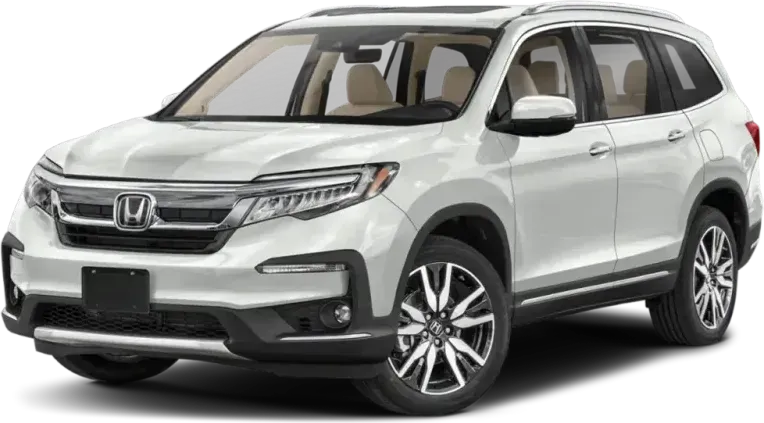
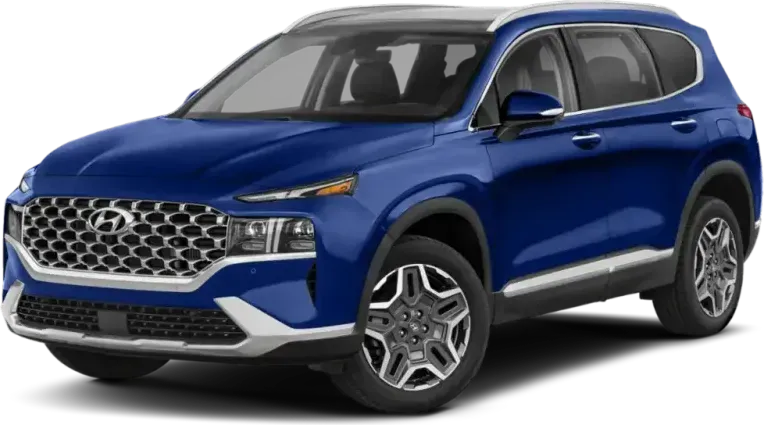
Cars shoppers compare with the Toyota Highlander, with their own 2018 checklists.
2018 owner complaints, side by side
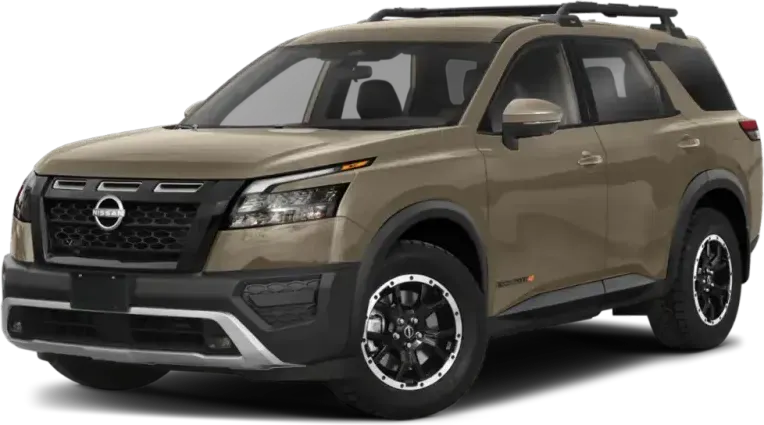
- Nissan Pathfinder74
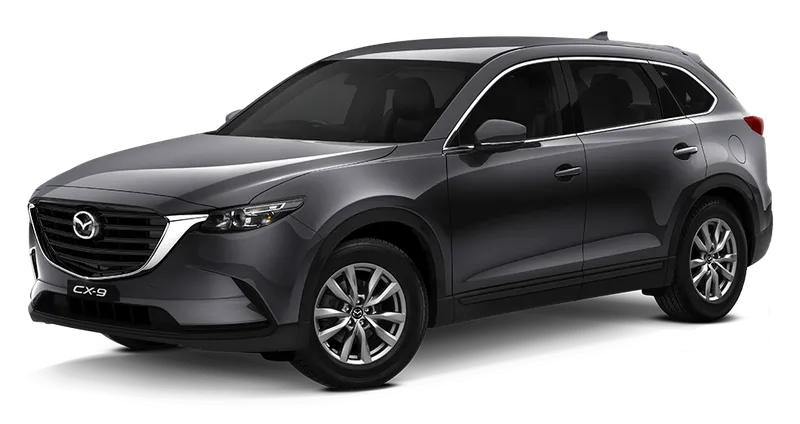
- Mazda CX-9125
- 2018 Toyota Highlander242
- Honda Pilot408
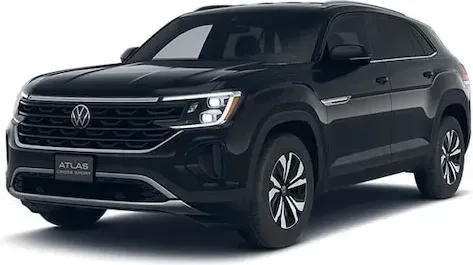
- Volkswagen Atlas444
- Hyundai Santa Fe489
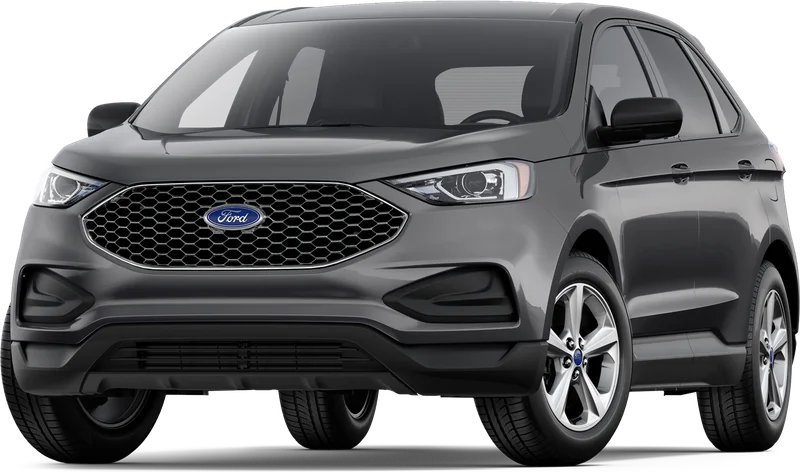
- Ford Edge746