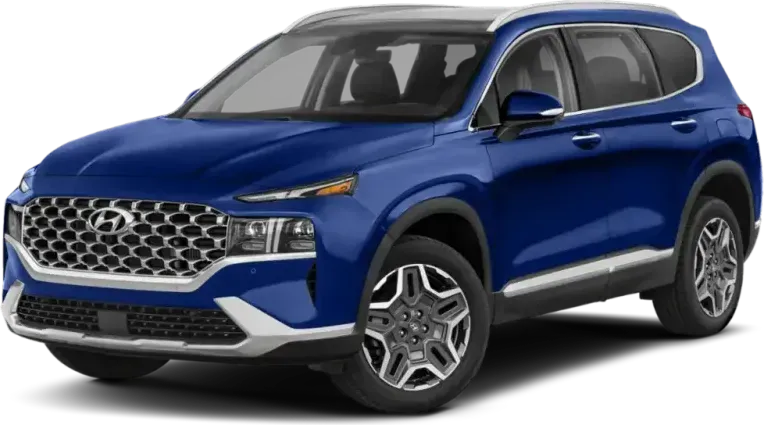
2021 Chevrolet Blazer: What to check before buying
Owners have filed 104 complaints with NHTSA about this car, most about the electrical, brakes, and steering. The 9 checks below target those problems, in the order you would do them at the car.
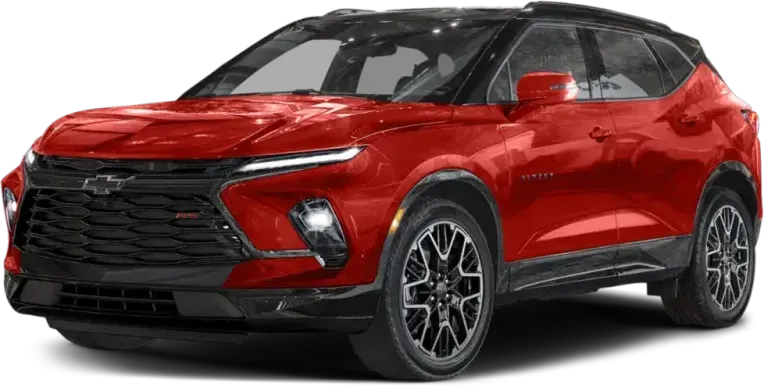 2021
- Owner complaints
- 104
- Recalls
- 1
- Crashes reported
- 4
- 3 injuries
Your inspection sheet
Tick items off on your phone at the car, or print it. Ticks stay on this device.
0/9 checked
2021 Chevrolet Blazer: inspection sheet
Paperwork and questions
Before you go, or before you touch the car0/2
Walk-around and cabin
Engine off, key in hand0/1
Cold start, engine bay, and underside
Ask the seller not to warm the car up first0/2
Test drive
At least 20 minutes, with some highway0/4
These checks are specific to this model year. For tires, body panels, fluids, and the other basics every used car needs, use the general inspection guide.
Which Blazer is it?
EPA figures for each version of the 2021 Chevrolet Blazer. Use them to confirm you are looking at the version that was advertised, and as a yardstick on the test drive.
| Version | Drive | EPA rating |
|---|---|---|
| 2.0L 4-cyl | AWD, FWD | 24–25 mpg |
| 2.5L 4-cyl | FWD | 23 mpg |
| 3.6L 6-cyl | AWD, FWD | 21–22 mpg |
- The 2021 Chevrolet Blazer was sold in three versions. Confirm which one this is from the window sticker, the engine cover, or the VIN report before you compare prices.
- Reset the trip computer at the start of the drive. A Blazer that averages well under the EPA 21 mpg combined on a mixed route may have an engine or tire problem.
Check the odometer against these mileages
Owners report these failures starting around the mileages below. A car inside one of these ranges deserves a closer look at that part, or records showing it was already fixed.
Early brake grinding noise
400–1,000 miles
Fuel pump module stalling
4,954–14,000 miles
Premature factory tire wear
14,000–20,000 miles
Radiator cracks and coolant leaks
25,000–60,840 miles
Thermostat and temperature sensor faults
28,800–40,000 miles
Why these checks: what owners reported
NHTSA complaints for the 2021 Chevrolet Blazer, grouped by the part owners named. Open a row to read what goes wrong.
Electrical24No crashes
The temperature gauge sticks on cold, the air conditioning quits, a "Steering Assist Reduced" warning appears, and the cooling fan runs on high for minutes after shutdown. This is the dominant pattern. Owners blame the thermostat or coolant temperature sensor. Clearing codes helps briefly, and some dealers find nothing. A second group reports sudden stalls or no-starts traced to the fuel pump control module, some under 15,000 miles, which owners connect to an open recall. Fewer reports describe the dash going blank while driving or the car failing to detect its key fob.
Brakes16No crashes
Grinding or squealing starts almost new, often under 1,000 miles. Dealers call it normal, say a fix is still under development, or wait on backordered pads. The more serious reports describe the pedal turning rock hard at freeway speed, sometimes with a "Brake Assist" warning, or sinking to the floor with a brake system failure message. One brake booster failed after 50k miles, and one shop blamed a weak battery for a loss of braking. Some parking brakes also refuse to release or engage on their own.
Steering141 crash
"Steering Assist Is Reduced" warnings make up most reports, usually together with a dead temperature gauge, codes such as P0128, and a fan that keeps running after shutdown. That points back to the coolant temperature fault, not the steering itself. A smaller group describes real power steering failure: the wheel stiffens or locks while driving, with rack or steering gear replacement and parts unavailable at low mileage. One crash with an injury involved the wheel pulling hard into the median at highway speed with no warning light.
Engine11No crashes
Cracked or leaking radiators are the main complaint. Most turn up during routine oil changes with no warning light, sometimes after the coolant has nearly drained. Several cars need a second radiator within a couple of years, and one out-of-warranty estimate ran roughly $2000. A low or failing radiator can also trigger the steering assist warning and the fan running after shutdown. Separate reports describe the engine dying at highway speed from fuel pump faults that return after repair, plus a failed purge pump.
Transmission9No crashes
Transmission failures show up at higher mileage, around 82,000 to 84,000 miles. Symptoms include jerking, a roaring noise with metal in the fluid, and sudden loss of drive at highway speed while the engine revs as if in neutral. Several ended in full transmission replacement, and some cars shuddered from a stop to 40 mph beforehand. Other reports cover a throttle body failure near 55,000 miles that caused reduced-power mode, stalls during low-speed left turns, fuel pump failure, and the same radiator and thermostat faults seen elsewhere.
Fuel system71 crash
The engine shuts off while driving, often at highway speed and usually with no warning, then refuses to restart. Mechanics and dealers trace most cases to the fuel pump power control module. One owner says a September 2025 recall covers this repair. Loss of power can take steering and brake assist with it, and one stall in a parking lot ended in a crash. Cars sit while parts are backordered. One report describes a transmission valve body failure on the freeway, with a replacement part delayed for months.
Wheels and tires4No crashes
Factory Continental CrossContact LX Sport tires wear out early, often by 14,000 to 20,000 miles. Wear runs from the inside out and leaves the tread bald on all four corners. Symptoms include the rear swaying on snow, loss of traction at low speed, slow leaks, and one freeway blowout. Dealers recommend full replacement. At least one owner was told the car was not included in the related tire recall campaign, so the cost fell on the owner.
Suspension31 crash
The vehicle pulls to one side, and stability or driver-assist warnings appear without a clear cause. One crash with an injury involved a rollover after the stability control display came on and the rear wheel swung out. Other reports pair the pulling with electronic faults: a front camera that drops out and disables collision alerts, a stuck outside temperature reading that puts the car in ice and snow mode, and a loss of communication found by a mechanic.
In owners' own words
Excerpts from complaints Blazer owners filed with NHTSA, as written. Listen for the same symptoms on your test drive.
Car was running fine yesterday, today does not want to start. Thought it was the battery, bought anew battery. Still wouldn't start. Rest of cat is getting great power. Code reader is reading its a fuel pump control moduler which just so happens to be in an open recall for my exact year of vehicle yet my vin number does not pop up on the GMC website under active recall. I have a 2021 chevy blazer .
Filed with NHTSA, November 2025
Vehicle now has about 1200 and when driving, the instrument cluster panel that digital shows your speed, odometer and other information on my vehicle went blank. It is just a black screen. When this happened, it caused the steering wheel controls for radio volume and turning the station to not work. With this, I have no safety features like lane assist now and can't tell my tire pressure.
Filed with NHTSA, June 2021
Car purchased on 5/19/21 with 117 miles on it. It now has 1153 miles and the brakes are grinding. The Chevy dealership states that it needs replacement brake pads, but they are on backorder. I have been uncomfortable driving the car after the dealership said it needed new brake pads and have not driven the car for two days. I can get by another four days, but I have a Dr's appointment this coming Wednesday that requires a 50 mile trip.
Filed with NHTSA, July 2021
The brakes are noisy (like metal to metal, worn out) and the brake pedal is soft. Took the vehicle into the dealer (only 1,000 miles on odometer) they say GM is aware of a problem. How many people will die before this problem is fixed? The problem isn’t corrected, and exists today.
Filed with NHTSA, July 2021
2021 Blazer Message steering assist reduced ESC needs attention 15,000 miles shoukd no way need rack n pinion . Steering reduced and is a hazard to drive
Filed with NHTSA, June 2025
Midway home I got a message on my dashboard “steering assist reduced - drive with care”, but my power steering was still functional. I parked my car in the driveway, shut it off, and the cooling fans started blowing excessively. This continued for 5-ish minutes before shutting off on its own. Then I noticed that the engine temp gauge wasn’t working. Unsure if this is a problem with the thermometer or the sensor currently.
Filed with NHTSA, May 2025
Took 2021 Chevy Blazer to a Chevy dealer for small leak. 25000 miles and dealer said I have a leak in the radiator and needs to be replaced. If I didn't notice the small leak the engine could overheat, and possibly start a fire.
Filed with NHTSA, April 2025
Radiator failure caused power steering assist to not function properly and insufficient vehicle heat function. Engine electric fan would run continuously after vehicle shutdown.
Filed with NHTSA, December 2025
How the 2021 compares with other Blazer years
Complaints for this year next to the average for the other model years, area by area.
The 2021 ranks third for owner complaints among 7 Blazer years, close to the average of the others. Newer years have had less time to collect complaints, so compare like with like.
- Electrical2417
- Brakes166
- Steering1410
- Engine117
- Transmission921
- Fuel system71
Where the 2021 fits in the Blazer's history
Redesigns and mid-cycle updates change what can go wrong.
The 2021 is the third model year of the Blazer's third generation (2019–2023).
Recalls to confirm (1)
Recall repairs are free at any Chevrolet dealer, but the seller may never have had them done. Check each campaign number against the VIN.
20V811000Seat beltsDec 2020
General Motors, LLC (GM) is recalling certain 2020 Chevrolet Bolt EV and 2021 GMC Canyon and Sierra 1500, 2500 and 3500, Yukon, Yukon XL, Cadillac Escalade and Escalade ESV and Chevrolet Blazer, Camaro, Colorado, Equinox, Silverado 1500, 2500 and 3500, Suburban and Tahoe vehicles. Incorrect bolts may have been used at one or more fastening locations to secure the seat belts to the vehicle. If an incorrect bolt was used, the seat belt may not be properly attached to the vehicle.
Risk: If a seat belt assembly is not properly attached to the vehicle, the seat belt may not properly restrain an occupant in the event of a crash, increasing the risk of injury.
Fix: GM will notify owners, and dealers will replace the suspect bolts, free of charge. The recall began January 29, 2021. Owners may contact GMC customer service at 1-800-462-8785, Cadillac customer service at 1-800-458-8006, or Chevrolet customer service at 1-800-222-1020. GM's number for this recall is N202322230.
Also looking at these instead of a Blazer?
Cars shoppers compare with the Chevrolet Blazer, with their own 2021 checklists.
2021 owner complaints, side by side
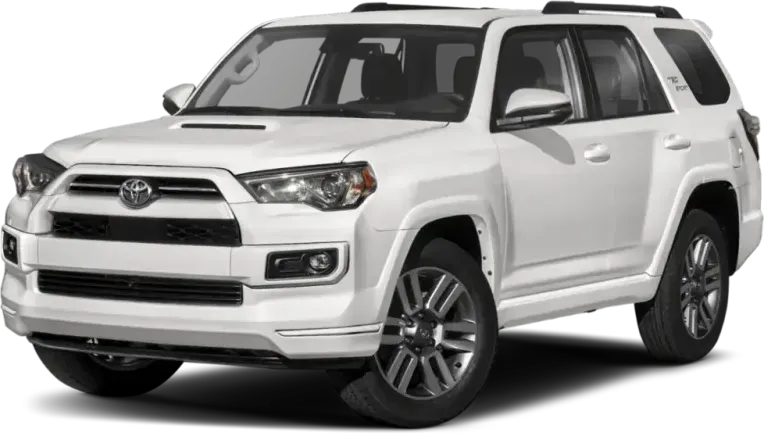
- Toyota 4Runner31
- Ford Edge92
- 2021 Chevrolet Blazer104
- Hyundai Santa Fe165
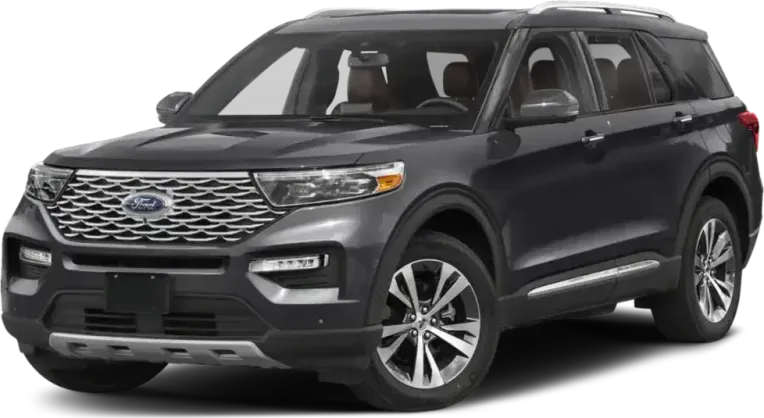
- Ford Explorer354
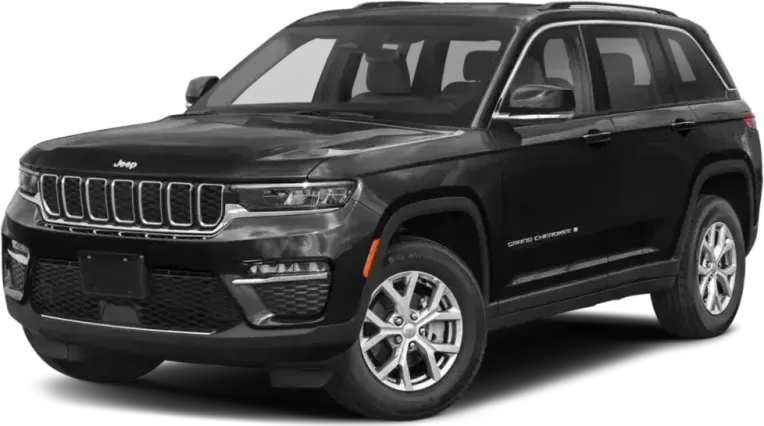
- Jeep Grand Cherokee427
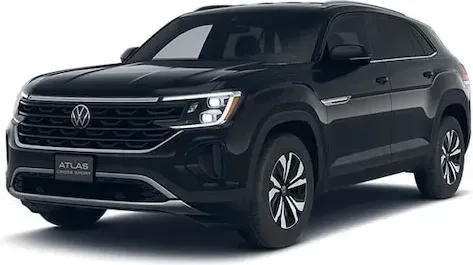
- Volkswagen Atlas540