2024 Tesla Model Y: What to check before buying
Owners have filed 254 complaints with NHTSA about this car, most about the electrical, automatic emergency braking, and backup camera. The 9 checks below target those problems, in the order you would do them at the car.
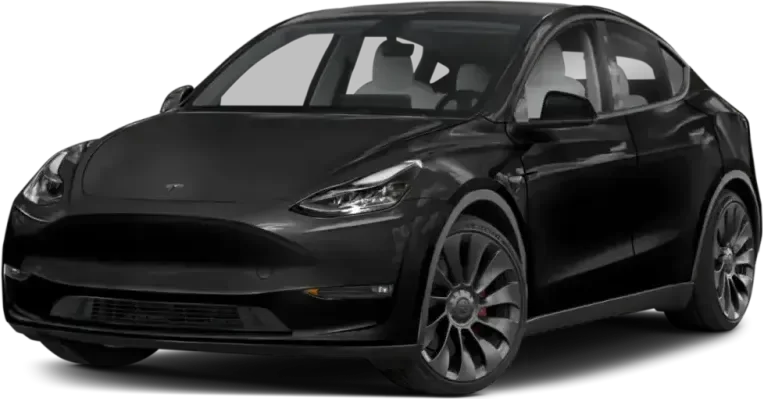 2024
- Owner complaints
- 254
- Recalls
- 5
- Crashes reported
- 48
- 39 injuries
Your inspection sheet
Tick items off on your phone at the car, or print it. Ticks stay on this device.
0/9 checked
2024 Tesla Model Y: inspection sheet
Paperwork and questions
Before you go, or before you touch the car0/2
Walk-around and cabin
Engine off, key in hand0/2
Cold start, engine bay, and underside
Ask the seller not to warm the car up first0/1
Test drive
At least 20 minutes, with some highway0/4
These checks are specific to this model year. For tires, body panels, fluids, and the other basics every used car needs, use the general inspection guide.
Which Model Y is it?
EPA figures for each version of the 2024 Tesla Model Y. Use them to confirm you are looking at the version that was advertised, and as a yardstick on the test drive.
| Version | Drive | EPA rating |
|---|---|---|
| Electric | AWD, RWD | 310–320 mi range |
- With a full charge, the range estimate on the dash should land near the EPA figure of 310–320 miles. A much lower number on a mild day can mean a worn battery; ask for a battery health report.
Check the odometer against these mileages
Owners report these failures starting around the mileages below. A car inside one of these ranges deserves a closer look at that part, or records showing it was already fixed.
AP4 computer failure, cameras dead
1,000–4,000 miles
Why these checks: what owners reported
NHTSA complaints for the 2024 Tesla Model Y, grouped by the part owners named. Open a row to read what goes wrong.
Electrical479 crashes
Sudden acceleration is the most serious pattern. The car surges forward at parking-lot or driveway speeds, sometimes while the driver is braking, and hits parked cars, fences, gates, or trees. Nine of the 47 reports involve a crash. The other common failure is the AP4 computer. When it fails, the cameras, GPS, and driver aids all go dark, often right after a software update and in cars around 1,000 miles old. Replacement computers were back-ordered for weeks, usually with no loaner. Single reports describe a fire while charging in a garage and a shutdown caused by a leaking battery coolant connector.
Automatic emergency braking424 crashes
Phantom braking dominates. With cruise control or Autopilot on, the car brakes hard on an empty road at 45 to 70 mph. Speed drops within seconds, which invites a rear-end hit. Several owners say it happens over and over. A second group of reports describes the AP4 computer failing, which disables emergency braking, forward collision warning, and the cameras. Repairs were delayed by a parts shortage. Crash reports cite Full Self-Driving steering into parked cars, and a collision warning that sounded at the moment of impact without any automatic braking.
Backup camera253 crashes
The core complaint is losing the backup camera. Most reports trace it to the AP4 computer failure, which knocks out every camera, GPS, blind-spot monitoring, and parking aids at once, often in cars with 1,000 to 2,015 miles. Owners describe very poor rear visibility and mirrors stuck in a dark tint. Service appointments were pushed back for weeks because computers were back-ordered, often with no loaner offered. A smaller software issue makes the rear view vanish when the driver adjusts climate or other screen controls while reversing, and that has led to low-speed collisions.
Acceleration and cruise control196 crashes
Unintended acceleration at low speed is the main crash risk. Cars lurch forward while parking or pulling up a driveway and hit garage doors and walls. In one report the car caught fire after the crash. On highways the opposite happens: cruise control brakes hard with nothing ahead at around 65 mph. Full Self-Driving complaints center on speed. The system misreads speed limits, and version 14.1.4 removed the manual speed offset, which leaves the car too slow or too fast for traffic.
Steering167 crashes
The main pattern is steering that stops responding or jerks without input, and 7 of 16 reports involve a crash. Drivers describe the wheel locking in turns or at freeway speed, and sudden jolts that spin the car. In one crash at 38 mph, both steering and braking were lost. Full Self-Driving and Autopilot complaints include unprompted lane changes, a sharp turn into a curb, and steering toward passing traffic. One owner reports three steering rack replacements. Another lost all assist right after an alignment. Service sometimes declines a repair when no fault code is stored.
Lane keeping151 crash
Most reports here describe the AP4 computer failure, not a lane-keeping fault. All cameras stop working, often after a software update. Lane departure warning, lane keeping, blind-spot alerts, GPS, and automatic high beams go with them. It hits new cars between 56 and about 4000 miles, and replacement computers were back-ordered for weeks. Other complaints say lane keeping quits without warning on dark rural roads when the pillar cameras report being blinded. Full Self-Driving also crossed a double yellow line after misreading shadows or tire marks. One Autopilot crash followed a sudden pull across three lanes.
Brakes124 crashes
Phantom braking is the dominant complaint. The car slams toward a stop with nothing ahead at speeds up to 75 mph, sometimes with no cruise control or driver assist engaged. It can repeat several times on one trip, and in one case the jolt injured a child's shoulder. Crash reports describe brakes that seem not to work during sudden acceleration, a stiff pedal with weak regenerative braking, and spins in the rain. Tesla service often finds nothing wrong. Other reports cover a confusing parking brake indicator and a front motor failure that cut ABS and power steering.
Airbags65 crashes
The central complaint is air bags that fail to deploy in serious crashes. Several reports describe sudden acceleration into a house or other cars with no air bags opening. In one T-bone crash only the passenger-side air bags opened, and the driver had to be cut out. Five of the six reports involve crashes, with nine injuries in total. The one non-crash report describes a passenger restraint failure warning that appeared along with the camera and computer failures seen in other categories.
In owners' own words
Excerpts from complaints Model Y owners filed with NHTSA, as written. Listen for the same symptoms on your test drive.
Unknown. Drove car in front of garage. Car came to a full stop. About to put car into reverse from drive in order to back into the garage, when car suddenly accelerated forward. Turned wheel sharply to the left in order avoid hitting neighbors fences. Vehicle traveled in an arch and collided with a tree next to an fence and stopped.
Filed with NHTSA, March 2024
The vehicle would not stop and ran into the back of a friend. I am not safe in the vehicle as we were in a parking lot no way I could’ve reached top speed.
Filed with NHTSA, May 2024
My 2024 Tesla Model Y hit a parked vehicle on the right side of the street during FSD self driving. The car suddently slanted to the right and hit the parked vehicle. During FSD drive, it did not give any warning before the accident. My dauther was injured on her face. Clearly the new version FSD v14.1 software is very defective. I am located in San Jose, CA.
Filed with NHTSA, November 2025
I was driving on a three-lane highway (I-495) using the adaptive cruise control (autosteer) when I suddenly noticed the car to my right dangerously veering toward my vehicle. In an attempt to change lanes to the left, my car wildly overcorrected to the left, nearly sending me into the highway median, followed by another overcorrection to the right. The steering wheel felt almost uncontrollable. Luckily no collision.
Filed with NHTSA, February 2025
All cameras stopped working. Blind spot detection not working. Blinkers stopped working. No parking assist. Auto wipers . Adas not working. Screen auto brightness not working. Clicking when letting off accelerator. We damaged our tire and rim due to this issue.
Filed with NHTSA, December 2024
Park assist error message when put car in reverse. No visualizations on display. Early collision not working. Several times (not in this instance) backup camera has been black and does not show an image. Sentry system error message. FSD offline. (may not be a safety issue but wanted to provide information as it would show other errors in the system affecting safety) I have a scheduled appointment with the service center in February.
Filed with NHTSA, January 2025
There was a sudden unintended acceleration and the brake did not work, causing a major accident. Car caught fire and door would not open. The car has completely engulfed. There were no warning lamps, messages or other symptoms prior to the failure. Vehicle has been inspected by insurance and police, but not by manufacturer.
Filed with NHTSA, October 2025
I was parking the Tesla Model Y at very low speed, when there was a sudden unintended acceleration. The car banged against the wall of a building and was severely damaged. My family - wife and two children were in the car.
Filed with NHTSA, August 2024
How the 2024 compares with other Model Y years
Complaints for this year next to the average for the other model years, area by area.
The 2024 ranks fifth for owner complaints among 6 Model Y years, well under the average of the others. Newer years have had less time to collect complaints, so compare like with like.
- Electrical4758
- Automatic emergency braking42167
- Backup camera254
- Acceleration and cruise control1983
- Steering1663
- Lane keeping156
Where the 2024 fits in the Model Y's history
Redesigns and mid-cycle updates change what can go wrong.
The 2024 is the fifth model year of the Model Y's first generation (2020–2025).
Tesla updated the Model Y for 2025, so a 2024 does not have those changes.
What changed for 2025 (not on a 2024)
- Full-width light bar as daytime running lights and tail light
- Touchscreen for rear passengers
- Sleeker front design
- Redesigned wheels and rear diffuser
Recalls to confirm (5)
Recall repairs are free at any Tesla dealer, but the seller may never have had them done. Check each campaign number against the VIN.
25V002000Backup cameraJan 2025
Tesla, Inc. (Tesla) is recalling certain 2024-2025 Model 3, Model S, 2023-2025 Model X, and Model Y vehicles. The computer circuit board may short, resulting in the loss of the rearview camera image. As such, these vehicles fail to comply with the requirements of Federal Motor Vehicle Safety Standard (FMVSS) number 111, "Rear Visibility.".
Risk: A rearview camera that does not display an image reduces the driver's rear view, increasing the risk of a crash.
Fix: Tesla released an over-the-air (OTA) software update, free of charge. Tesla will also identify any vehicles that experienced a circuit board failure, or stress that may lead to a circuit board failure, and replace the affected computers, free of charge. Owner notification letters were mailed March 7, 2025. Owners may contact Tesla customer service at 1-877-798-3752. Tesla's number for this recall is SB-25-00-001.
24V935000Wheels and tiresDec 2024
Tesla, Inc. (Tesla) is recalling certain 2024 Cybertruck, 2017-2025 Model 3, and 2020-2025 Model Y vehicles. The tire pressure monitoring system (TPMS) warning light may not remain illuminated between drive cycles, failing to warn the driver of low tire pressure. As such, these vehicles fail to comply with the requirements of Federal Motor Vehicle Safety Standard number 138, "Tire Pressure Monitoring Systems.".
Risk: Driving with improperly inflated tires increases the risk of a crash.
Fix: Tesla released an over-the-air (OTA) software update, free of charge. Owner notification letters were mailed February 15, 2025. Owners may contact Tesla customer service at 1-877-798-3752. Tesla's number for this recall is SB-24-00-018.
24V886000SeatsNov 2024
Tesla, Inc. (Tesla) is recalling certain 2024 Model Y vehicles. The weld attaching the seat recliner mechanism to the front seat backs may fail.
Risk: The seat back frame may not properly restrain the occupant during a crash, increasing the risk of injury.
Fix: Tesla service will replace the seat assembly, free of charge. Owner notification letters were mailed January 21, 2025. Owners may contact Tesla customer service at 1-877-798-3752. Tesla's number for this recall is SB-24-13-004.
24V554000Door latches and locksJul 2024
Tesla, Inc. (Tesla) is recalling certain 2021-2024 Model 3, Model S, Model X, and 2020-2024 Model Y vehicles. The hood latch assembly may fail to detect an unlatched hood condition after the hood has been opened.
Risk: An unlatched hood can fully open, obstructing the driver's view and increasing the risk of a crash.
Fix: Tesla has released an over-the-air (OTA) software update, free of charge. Owner notification letters were mailed September 24, 2024. Owners may contact Tesla customer service at 1-877-798-3752. Tesla's number for this recall is SB-24-00-012.
24V051000ElectricalJan 2024
Tesla, Inc. (Tesla) is recalling certain 2012-2023 Model S, 2016-2024 Model X, 2017-2023 Model 3, 2019-2024 Model Y, and 2024 Cybertruck vehicles. An incorrect font size is displayed on the instrument panel for the Brake, Park, and Antilock Brake System (ABS) warning lights. As such, these vehicles fail to comply with the requirements of Federal Motor Vehicle Safety Standard number 105, "Hydraulic and Electric Brake Systems" and 135, "Light Vehicle Brake Systems.".
Risk: Warning lights with a smaller font size can make critical safety information on the instrument panel difficult to read, increasing the risk of a crash.
Fix: Tesla began releasing an over-the-air (OTA) software update, free of charge. Owners may contact Tesla customer service at 1-877-798-3752. Tesla's number for this recall is SB-24-00-003.
Also looking at these instead of a Model Y?
Cars shoppers compare with the Tesla Model Y, with their own 2024 checklists.
2024 owner complaints, side by side
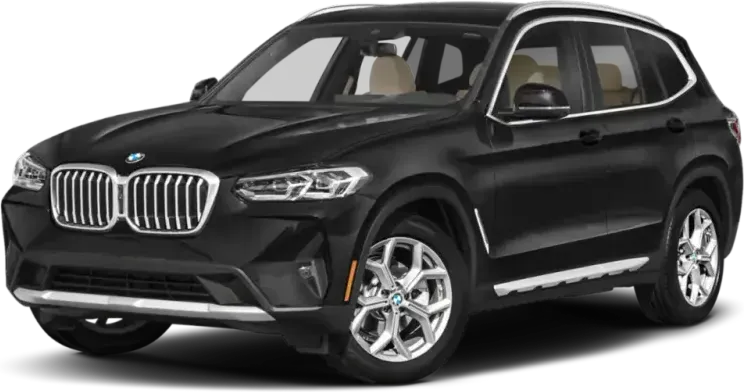
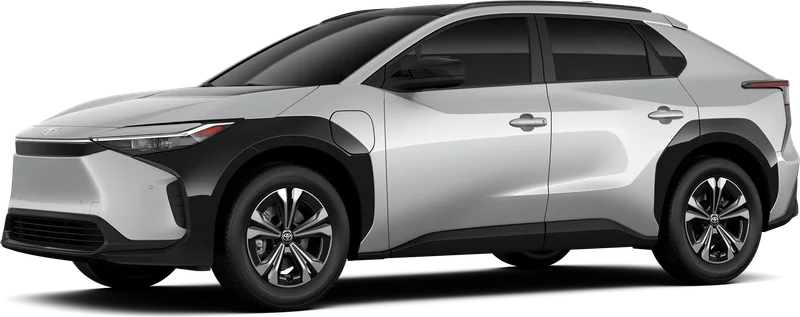
- Toyota bZ4X21
- BMW X328
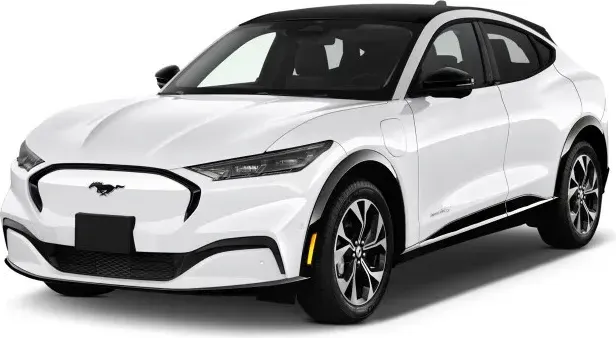
- Ford Mustang Mach-E35
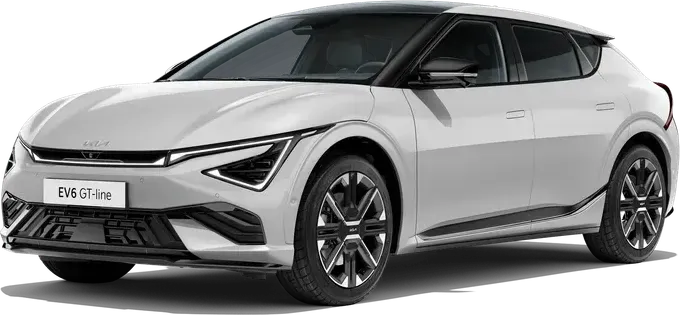
- Kia EV638
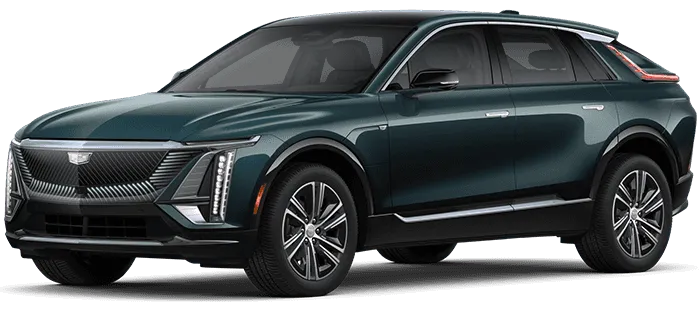
- Cadillac Lyriq106
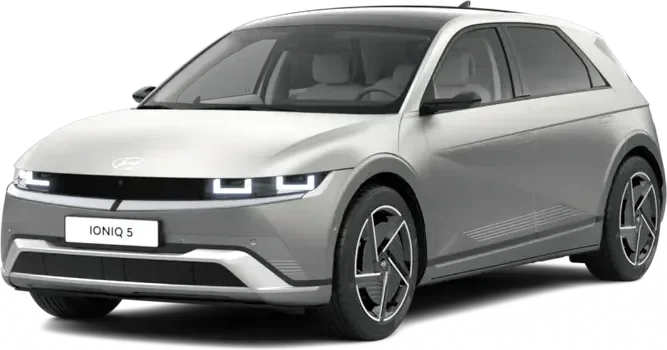
- Hyundai Ioniq 5134
- 2024 Tesla Model Y254