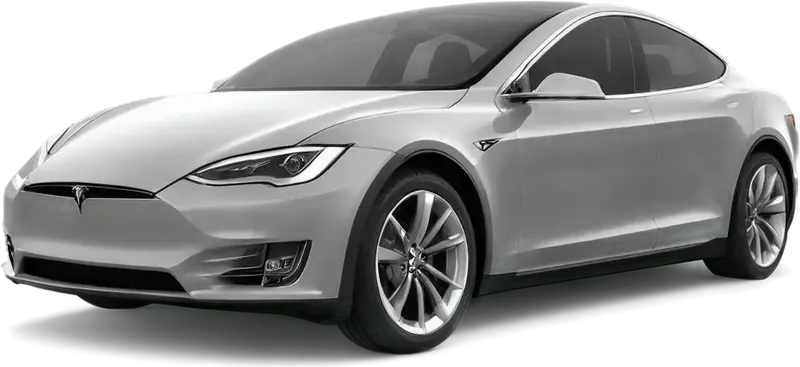
2023 Tesla Model S: What to check before buying
Owners have filed 1,307 complaints with NHTSA about this car, most about the steering, automatic emergency braking, and acceleration and cruise control. The 9 checks below target those problems, in the order you would do them at the car.
 2023
- Owner complaints
- 1,307
- Recalls
- 23
- Crashes reported
- 153
- 74 injuries
Your inspection sheet
Tick items off on your phone at the car, or print it. Ticks stay on this device.
0/9 checked
2023 Tesla Model S: inspection sheet
Paperwork and questions
Before you go, or before you touch the car0/2
Walk-around and cabin
Engine off, key in hand0/3
Cold start, engine bay, and underside
Ask the seller not to warm the car up first0/1
Test drive
At least 20 minutes, with some highway0/3
These checks are specific to this model year. For tires, body panels, fluids, and the other basics every used car needs, use the general inspection guide.
Which Model S is it?
EPA figures for each version of the 2023 Tesla Model S. Use them to confirm you are looking at the version that was advertised, and as a yardstick on the test drive.
| Version | Drive | EPA rating |
|---|---|---|
| Electric | AWD | 405 mi range |
- With a full charge, the range estimate on the dash should land near the EPA figure of 405 miles. A much lower number on a mild day can mean a worn battery; ask for a battery health report.
Check the odometer against these mileages
Owners report these failures starting around the mileages below. A car inside one of these ranges deserves a closer look at that part, or records showing it was already fixed.
Rear motor inverter failure
12–130 miles
Suspension creaks and clunks
6,279–13,000 miles
Inner-edge tire wear from camber
12,928–23,506 miles
Loose lower control arm bolts
19,200–49,000 miles
Why these checks: what owners reported
NHTSA complaints for the 2023 Tesla Model S, grouped by the part owners named. Open a row to read what goes wrong.
Steering23927 crashes
The main pattern is the car suddenly veering to one side while the steering wheel stiffens or locks. Drivers describe the car pulling left or right on its own, sometimes with Autopilot and FSD off, and the wheel turning without moving the front tires. Many of these events end in crashes into trees, poles, parked cars or oncoming traffic, and 27 of 239 filings involve a crash. A smaller group objects to the small touch-sensitive horn button on the wheel spoke. Most excerpts name a Model Y, not a Model S.
Automatic emergency braking21813 crashes
Automatic emergency braking fails in two opposite ways. Some reports say it never engaged before rear-end crashes in stopped traffic, fog or rain, and the collision warning stayed silent. Others describe phantom braking on empty roads, set off by glare or by nothing, hard enough to cause whiplash or a hit from behind. Several drivers link the problem to Autopilot, autosteer or FSD, or to a recent software update. Most filings in this group name a Model Y.
Acceleration and cruise control14120 crashes
Nearly every report here describes sudden unintended acceleration at low speed. Drivers say the car surges while parking, pulling into a garage, inching up to a parking-gate ticket machine or lifting off the pedal to use regenerative braking, and the brakes often seem not to respond. Cars hit walls, garage interiors, parked cars and, in one case, a pedestrian. Most accounts say no warning lights came on beforehand. Some events happen in the first weeks of ownership, at 1,800 miles or less. Most filings name a Model Y.
Electrical9621 crashes
Unintended acceleration leads this group too. Drivers describe the car lunging from a stop or during a turn while the brake is pressed, then hitting parked cars, trees or barriers. Other reports cover sudden power loss with hard braking at highway speed, parking sensors that show the wrong distance and auto-park backing into poles. Two filings involve fire, one after rain soaked the interior through an open window. Of 96 complaints, 21 involve a crash, with 12 injuries reported.
Brakes7513 crashes
The main complaint is brakes that feel weak or unresponsive in a hard stop. Drivers say they pressed the pedal fully while the car kept creeping or rolling into the vehicle ahead, sometimes together with unintended acceleration. Phantom braking also appears, including events that spun a car into a barrier or left it stuck in traffic. A few reports say car wash mode stopped the car abruptly. Of 75 filings, 13 involve a crash. Most excerpts name a Model Y or Model X.
Suspension622 crashes
The clearest pattern is front lower control arm bolts working loose, usually reported between 19,200 and 49,000 miles. Clunking, creaking or popping over bumps and in turns comes first, along with steering that feels loose. In worse cases the arm detaches, the wheel jams and steering is lost. Most of these bolt reports name a Model Y. Separately, severe wear on the inner edge of the tires shows up at 12,928 and 23,506 miles, and owners blame factory camber. This wear includes Model S Plaid reports and one freeway tread separation.
Airbags2917 crashes
The dominant complaint is airbags that fail to deploy in serious crashes. Owners describe frontal, head-on and T-bone impacts with no deployment, sometimes with the driver's head hitting the steering wheel or the car being totaled. One report mentions white powder and a burning smell with no visible airbag. Many other filings here actually describe unintended acceleration, phantom braking or loss of control on wet roads, and mention airbags only in passing. Crashes appear in 17 of 29 filings, with 11 injuries.
Body and structure293 crashes
Most injuries here come from powered doors and liftgates that close without sensing a person. Reports describe liftgates dropping onto heads and fingers, including one fatal skull fracture, and Model X falcon wing doors hitting children and adults. Other complaints cover liftgate water leaks, wind whistle from the windshield above 80 mph, wheel trim and the underbody shield falling off in rain, and roof glass cracking from small road debris. The 29 filings include 9 injuries.
In owners' own words
Excerpts from complaints Model S owners filed with NHTSA, as written. Listen for the same symptoms on your test drive.
I got the dreaded ul_a020 error - "Steering assist reduced" today while driving our model Y - barely 3 months old with 2K miles. The steering became very stiff and I could barely move it, had to use all my forrce to rotate the steering wheel and move the car to the side. it very scary, I parked, got out and then drove again, it happened again. Thankfully I was not too far away from home, so somehow got back. The steering is not smooth anymore now.
Filed with NHTSA, September 2023
In many near hit collisions where I need to honk the horn, memory reflexes goes to press down the center of the steering wheel to alert but the horn button isn’t there on this vehicle. It’s put as a button on the right side but after 25,000 Miles and at least 4 times, I could not locate it quick enough. This is a serious safety issue.
Filed with NHTSA, July 2025
It is known as phantom braking that many other people have reported. I bought this car for about two months and has drived for about 2000 miles. It has happend 3 threes to me. In all three cases, the car was on adaptive cruise control at about 70 miles per hour. There was no car within 200 yards. The car suddenly braked and the speed went down to 30 miles per hour in a couple of seconds. I had to intervene and cancel the adaptive cruise control.
Filed with NHTSA, April 2023
Adaptive cruise control changes speed without warning, often when passing a truck clearly in another lane, but also for no apparent reason. This occurs an average of approximately once every 5 miles, but at irregular intervals. It slows quickly enough to be a hazard. This occurs in all modes (set by speed limit or manual).
Filed with NHTSA, May 2025
Phantom braking at highway speed. Maybe a shadow or line on the road confuses the system and slams on brakes. Is more common if the cruise is engaged. Happens every day. My commute is about 30 miles happens once or twice every drive. Increases risk of being rear ended. The car is not FSD enabled.
Filed with NHTSA, June 2023
Intermittent braking while in cruise control for no reason. Nothing in the way, no cars around. Reduces speeds from 10 t0 50 miles per hour. At time it reduces speeds almost to a dead stop. If another car was behind us, could cause a serious crash. Happens at random times.
Filed with NHTSA, June 2023
Power conversion unit failed with 400 miles on the car. It is being repaired now. The first replacement also failed and they are in the process of trying a second replacement. Car has now been out of service for more than a week.
Filed with NHTSA, May 2023
Problem: unintended acceleration On 05/30/23, the Tesla Model Y was parked in a parking spot, southbound facing a building. The car suddenly began to drive forward on its own and struck the curb, an AC unit, and a business office wall. No injuries, but the driver and people in the building (a dental clinic) panicked.
Filed with NHTSA, July 2023
How the 2023 compares with other Model S years
Complaints for this year next to the average for the other model years, area by area.
The 2023 has the most owner complaints of the 8 Model S years we cover, about 2.8 times the average of the others. Newer years have had less time to collect complaints, so compare like with like.
- Steering23939
- Automatic emergency braking218109
- Acceleration and cruise control14154
- Electrical9656
- Brakes7535
- Suspension6229
Where the 2023 fits in the Model S's history
Redesigns and mid-cycle updates change what can go wrong.
The 2023 is the 11th model year of the Model S's first generation (2013 on).
It includes the 2021 update.
What changed for 2021
- Significant update including redesigned interior
- Introduction of high-performance Plaid model
Recalls to confirm (23)
Recall repairs are free at any Tesla dealer, but the seller may never have had them done. Check each campaign number against the VIN.
25V172000AirbagsMar 2025
Tesla, Inc. (Tesla) is recalling certain 2021-2024 Model S and 2021-2025 Model X vehicles. An air bag with the incorrect horn pad may have been installed, preventing the horn from sounding.
Risk: An inoperative horn may prevent the driver from alerting other drivers, increasing the risk of a crash.
Fix: Tesla service will inspect and install an air bag with the correct horn pad as necessary, free of charge. Owner notification letters were mailed May 20, 2025. Owners may contact Tesla customer service at 1-877-798-3752. Tesla's number for this recall is SB-25-20-001.
25V092000SteeringFeb 2025
Tesla, Inc. (Tesla) is recalling certain 2023 Model 3 and Model Y vehicles operating software prior to 2023.38.4. The printed circuit board for the electronic power steering assist may experience an overstress condition, causing a loss of power steering assist when the vehicle reaches a stop and then accelerates again.
Risk: A loss of power steering assist can require greater steering effort, especially at low speeds, increasing the risk of a crash.
Fix: Tesla has released an over-the-air (OTA) software update, free of charge. Owner notification letters were mailed March 25, 2025. Owners may contact Tesla customer service at 1-877-798-3752. Tesla's number for this recall is SB-25-00-004.
25V002000Backup cameraJan 2025
Tesla, Inc. (Tesla) is recalling certain 2024-2025 Model 3, Model S, 2023-2025 Model X, and Model Y vehicles. The computer circuit board may short, resulting in the loss of the rearview camera image. As such, these vehicles fail to comply with the requirements of Federal Motor Vehicle Safety Standard (FMVSS) number 111, "Rear Visibility.".
Risk: A rearview camera that does not display an image reduces the driver's rear view, increasing the risk of a crash.
Fix: Tesla released an over-the-air (OTA) software update, free of charge. Tesla will also identify any vehicles that experienced a circuit board failure, or stress that may lead to a circuit board failure, and replace the affected computers, free of charge. Owner notification letters were mailed March 7, 2025. Owners may contact Tesla customer service at 1-877-798-3752. Tesla's number for this recall is SB-25-00-001.
24V967000AirbagsDec 2024
Tesla, Inc. (Tesla) is recalling certain 2021-2025 Model S and Model X vehicles. The driver's air bag could tear during deployment. As such, these vehicles fail to comply with the requirements of Federal Motor Vehicle Safety Standard (FMVSS) numbers 208, "Occupant Crash Protection" and 212, "Windshield Mounting.".
Risk: A torn air bag may not adequately protect an occupant in a crash, increasing the risk of injury.
Fix: Tesla service will replace the air bag assembly, free of charge. Owner notification letters were mailed February 21, 2025. Owners may contact Tesla customer service at 1-877-798-3752. Tesla's number for this recall is SB-24-20-001.
24V935000Wheels and tiresDec 2024
Tesla, Inc. (Tesla) is recalling certain 2024 Cybertruck, 2017-2025 Model 3, and 2020-2025 Model Y vehicles. The tire pressure monitoring system (TPMS) warning light may not remain illuminated between drive cycles, failing to warn the driver of low tire pressure. As such, these vehicles fail to comply with the requirements of Federal Motor Vehicle Safety Standard number 138, "Tire Pressure Monitoring Systems.".
Risk: Driving with improperly inflated tires increases the risk of a crash.
Fix: Tesla released an over-the-air (OTA) software update, free of charge. Owner notification letters were mailed February 15, 2025. Owners may contact Tesla customer service at 1-877-798-3752. Tesla's number for this recall is SB-24-00-018.
24V554000Door latches and locksJul 2024
Tesla, Inc. (Tesla) is recalling certain 2021-2024 Model 3, Model S, Model X, and 2020-2024 Model Y vehicles. The hood latch assembly may fail to detect an unlatched hood condition after the hood has been opened.
Risk: An unlatched hood can fully open, obstructing the driver's view and increasing the risk of a crash.
Fix: Tesla has released an over-the-air (OTA) software update, free of charge. Owner notification letters were mailed September 24, 2024. Owners may contact Tesla customer service at 1-877-798-3752. Tesla's number for this recall is SB-24-00-012.
24V376000Seat beltsMay 2024
Tesla, Inc. (Tesla) is recalling certain 2012-2024 Model S, 2015-2024 Model X, 2017-2023 Model 3, and 2020-2023 Model Y vehicles. In the event of an unbelted driver, the seat belt warning light and audible chime may not activate as intended. As such, these vehicles fail to comply with the requirements of Federal Motor Vehicle Safety Standard number 208, "Occupant Crash Protection.".
Risk: A seat belt warning system that fails to alert occupants of an unbelted seat belt can increase the risk of injury during a crash.
Fix: Tesla will release an over-the-air (OTA) software update. Owner notification letters were mailed July 26, 2024. Owners may contact Tesla customer service at 1-877-798-3752. Tesla's number for this recall is SB-24-00-008.
24V051000ElectricalJan 2024
Tesla, Inc. (Tesla) is recalling certain 2012-2023 Model S, 2016-2024 Model X, 2017-2023 Model 3, 2019-2024 Model Y, and 2024 Cybertruck vehicles. An incorrect font size is displayed on the instrument panel for the Brake, Park, and Antilock Brake System (ABS) warning lights. As such, these vehicles fail to comply with the requirements of Federal Motor Vehicle Safety Standard number 105, "Hydraulic and Electric Brake Systems" and 135, "Light Vehicle Brake Systems.".
Risk: Warning lights with a smaller font size can make critical safety information on the instrument panel difficult to read, increasing the risk of a crash.
Fix: Tesla began releasing an over-the-air (OTA) software update, free of charge. Owners may contact Tesla customer service at 1-877-798-3752. Tesla's number for this recall is SB-24-00-003.
24V035000Backup cameraJan 2024
Tesla, Inc. (Tesla) is recalling certain 2023 Model S, X, and Y vehicles equipped with full self-driving computer 4.0 and running a software release version 2023.44.30 through 2023.44.30.6 or 2023.44.100. Software instability may prevent the rearview camera image from displaying.
Risk: A rearview image that does not display while in reverse decreases the driver's visibility and increases the risk of a crash.
Fix: Tesla has released an over-the-air (OTA) software update, free of charge. Owner notification letters were mailed March 22, 2024. Owners may contact Tesla customer service at 1-877-798-3752. Tesla's number for this recall is SB-24-00-002.
23V862000Door latches and locksDec 2023
Tesla, Inc. (Tesla) is recalling certain 2021-2023 Model S and X vehicles. The cabin doors can be unlocked during a crash. As such, these vehicles fail to comply with the requirements of Federal Motor Vehicle Safety Standard number 214, "Side Impact Protection.".
Risk: An unlocked door may unlatch and open during a crash, increasing the risk of injury.
Fix: Tesla has released an over-the-air (OTA) software update, free of charge. Owner notification letters were mailed February 17, 2024. Owners may contact Tesla customer service at 1-877-798-3752. Tesla's number for this recall is SB-23-00-009.
23V838000ElectricalDec 2023
Tesla, Inc. (Tesla) is recalling 2012-2023 Model S, 2016-2023 Model X, 2017-2023 Model 3, and 2020-2023 Model Y vehicles equipped with all versions of Autosteer leading up to the version(s) that contains the recall remedy. In certain circumstances when Autosteer is engaged, the prominence and scope of the feature's controls may not be sufficient to prevent driver misuse of the SAE Level 2 advanced driver-assistance feature.
Risk: In certain circumstances when Autosteer is engaged, and the driver does not maintain responsibility for vehicle operation and is unprepared to intervene as necessary or fails to recognize when Autosteer is canceled or not engaged, there may be an increased risk of a crash.
Fix: Tesla will release an over-the-air (OTA) software update, free of charge. Owner notification letters were mailed February 10, 2024. Owners may contact Tesla customer service at 1-877-798-3752. Tesla's number for this recall is SB-23-00-008.
23V743000SteeringNov 2023
Tesla, Inc. (Tesla) is recalling certain 2021-2024 Model S and Model X vehicles. An incorrect air bag may have been installed when the steering yoke or round steering wheel was replaced with a different style of yoke or steering wheel.
Risk: An air bag that is not designed to function with the replacement steering yoke or wheel may deploy incorrectly, increasing the risk of injury during a crash.
Fix: Tesla Service will inspect and replace the driver air bag as necessary, free of charge. Owner notification letters were mailed January 2, 2024. Owners may contact Tesla customer service at 1-877-798-3752. Tesla's number for this recall is SB-23-20-005.
23V679000ElectricalOct 2023
Tesla, Inc. (Tesla) is recalling certain 2021-2023 Model X vehicles. The vehicle controller may fail to detect low brake fluid and will not display a warning light. As such, these vehicles fail to comply with the requirements of Federal Motor Vehicle Safety Standard number 135, "Light Vehicle Brake Systems.".
Risk: Without a warning light, the vehicle may be driven with low brake fluid, which can reduce braking performance and increase the risk of a crash.
Fix: Tesla has released an over-the-air (OTA) software update, free of charge. Owner notification letters were mailed December 12, 2023. Owners may contact Tesla customer service at 1-877-798-3752. Tesla's number for this recall is SB-23-00-005.
23V488000Seat beltsJul 2023
Tesla, Inc. (Tesla) is recalling certain 2021-2023 Model S and Model X vehicles. The front-row seat belts may not be connected properly to the pretensioner anchors, which can cause the seat belts to detach.
Risk: A detached seat belt may not properly restrain an occupant during a crash, increasing the risk of injury.
Fix: Tesla Service will inspect the front-row seat belts and connect the seat belts to pretensioner anchors, or replace the seat belt assemblies, as necessary, free of charge. Owner notification letters were mailed September 12, 2023. Owners may contact Tesla customer service at 1-877-798-3752. Tesla's number for this recall is SB-23-20-004.
23V489000Automatic emergency brakingJul 2023
Tesla, Inc. (Tesla) is recalling certain 2023 Model S, Model X, and Model Y vehicles. The forward-facing camera may be misaligned, causing some of the active safety features such as emergency braking, forward collision warning, and lane assist to become unavailable without alerting the driver.
Risk: Safety features that are unavailable without any warning to the driver may increase the risk of a crash.
Fix: Tesla Service will inspect and adjust the pitch angle, as necessary, free of charge. Owner notification letters were mailed September 12, 2023. Owners may contact Tesla customer service at 1-877-798-3752. Tesla's number for this recall is SB-23-17-006.
23V434000ElectricalJun 2023
Tesla, Inc. (Tesla) is recalling certain 2023 Model 3 and Model Y vehicles. The pyrotechnic battery disconnect may be defective.
Risk: A defective battery disconnect may not isolate the vehicle's high voltage battery after a crash or fault detection, increasing the risk of electrical shock and injury.
Fix: Tesla Service will replace the pyrotechnic battery disconnect, free of charge. Owner notification letters were mailed August 18, 2023. Owners may contact Tesla customer service at 1-877-798-3752. Tesla's number for this recall is SB-23-16-005.
23V385000SteeringMay 2023
Tesla, Inc. (Tesla) is recalling certain 2022-2023 Model Y vehicles. The steering wheel fastener may be loose.
Risk: A loose fastener may allow the steering wheel to disconnect from the steering column, which can cause a loss of steering control and increase the risk of a crash.
Fix: Tesla Service will inspect and replace the fastener as necessary, free of charge. Owner notification letters were be mailed July 28, 2023. Tesla's number for this recall is SB-23-32-001.
23V244000Backup cameraApr 2023
Tesla, Inc. (Tesla) is recalling certain 2023 Model X vehicles equipped with a full self-driving computer 4.0 and running software release version 2023.2.200. Weak camera signal strength may prevent the rearview image from displaying. As such, these vehicles fail to comply with the requirements of Federal Motor Vehicle Safety Standard number 111, "Rear Visibility.".
Risk: A rearview image that does not display while in reverse decreases the driver's visibility, increasing the risk of injury or crash.
Fix: Tesla has released an over-the-air (OTA) software update, free of charge. All affected vehicles have been remedied. Owners may contact Tesla customer service at 1-877-798-3752.
23V130000SeatsFeb 2023
Tesla, Inc. (Tesla) is recalling certain 2022-2023 Model Y vehicles. The bolts securing the second-row seat back frames may not have been securely tightened.
Risk: A loose seat frame bolt may reduce the seat belt system's performance, increasing the risk of injury during a crash.
Fix: Tesla Service Centers will inspect and tighten the bolts as necessary, free of charge. Owner notification letters are expected to be mailed April 25, 2023. Owners may contact Tesla customer service at 1-877-798-3752. Tesla's number for this recall is SB-23-13-001.
23V085000SteeringFeb 2023
Tesla, Inc. (Tesla) is recalling certain 2016-2023 Model S, Model X, 2017-2023 Model 3, and 2020-2023 Model Y vehicles equipped with Full Self-Driving Beta (FSD Beta) software or pending installation. The FSD Beta system may allow the vehicle to act unsafe around intersections, such as traveling straight through an intersection while in a turn-only lane, entering a stop sign-controlled intersection without coming to a complete stop, or proceeding into an intersection during a steady yellow traffic signal without due caution. In addition, the system may respond insufficiently to changes in posted speed limits or not adequately account for the driver's adjustment of the vehicle's speed to exceed posted speed limits.
Risk: FSD Beta software that allows a vehicle to exceed speed limits or travel through intersections in an unlawful or unpredictable manner increases the risk of a crash.
Fix: Tesla will release an over-the-air (OTA) software update, free of charge. Owner notification letters were mailed April 15, 2023. Owners may contact Tesla customer service at 1-877-798-3752. Tesla's number for this recall is SB-23-00-001.
22V895000SuspensionDec 2022
Tesla, Inc. (Tesla) is recalling certain 2023 Model Y vehicles. The front suspension lateral link fasteners may not have been properly attached to the sub-frame.
Risk: A loose fastener can allow the lateral link to separate from the sub-frame, causing instability and increasing the risk of a crash.
Fix: Tesla Service will tighten or replace the fasteners as necessary, free of charge. Owner notification letters were mailed February 7, 2023. Owners may contact Tesla customer service at 1-877-798-3752. Tesla's number for this recall is SB-22-31-002.
22V843000AirbagsNov 2022
Tesla, Inc. (Tesla) is recalling certain 2021-2023 Model X vehicles. The restraint control module (RCM) calibration may cause the front passenger air bag to deploy incorrectly during certain low speed crashes. As such, these vehicles fail to comply with the requirements of Federal Motor Vehicle Safety Standard number 208, "Occupant Crash Protection.".
Risk: A passenger air bag that does not deploy as intended increases the risk of injury during a crash.
Fix: Tesla has released an over-the-air (OTA) software update to recalibrate the RCM, free of charge. Owner notification letters were mailed January 14, 2023. Owners may contact Tesla customer service at 1-877-798-3752. Tesla's number for this recall is SB-22-00-015.
22V844000Exterior lightsNov 2022
Tesla, Inc. (Tesla) is recalling certain 2023 Model 3 and 2020-2023 Model Y vehicles. One or both taillights may intermittently fail to illuminate.
Risk: A taillight that fails to illuminate may reduce the visibility of the vehicle, increasing the risk of a crash.
Fix: Tesla has released an over-the-air (OTA) software update, free of charge. Owner notification letters were mailed January 14, 2023. Owners may contact Tesla customer service at 1-877-798-3752. Tesla's number for this recall is SB-22-00-016.
Also looking at these instead of a Model S?
Cars shoppers compare with the Tesla Model S, with their own 2023 checklists.
2023 owner complaints, side by side
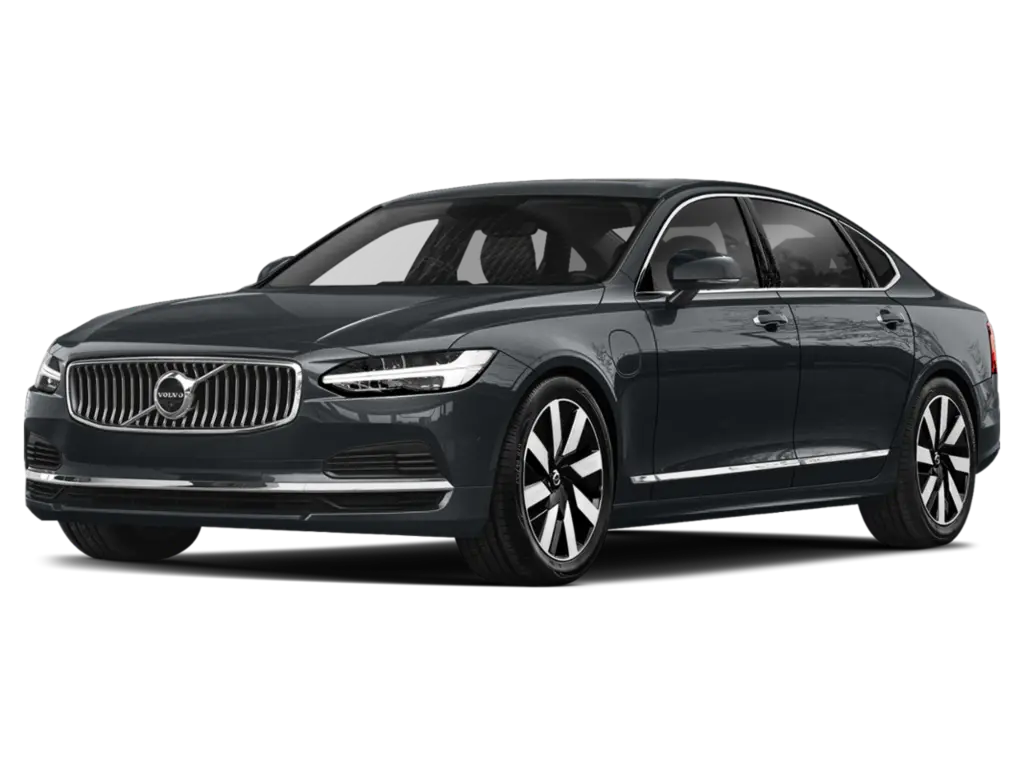
- Volvo S902
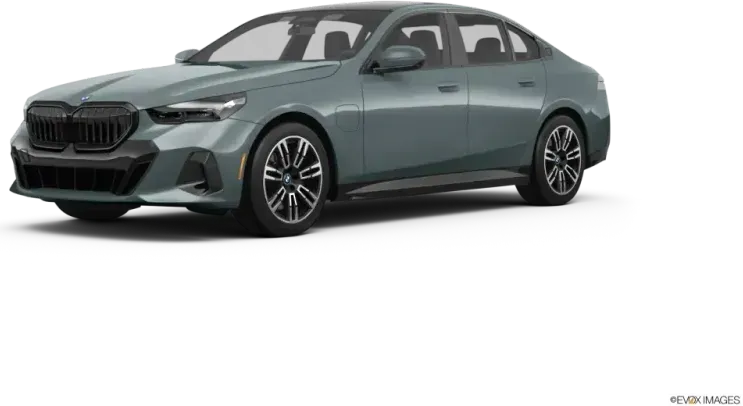
- BMW 5 Series7
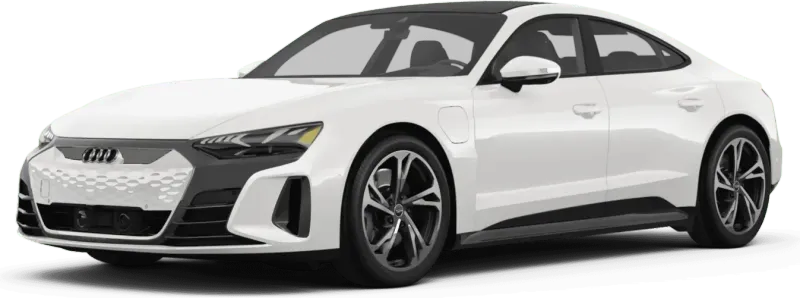
- Audi e-tron GT10
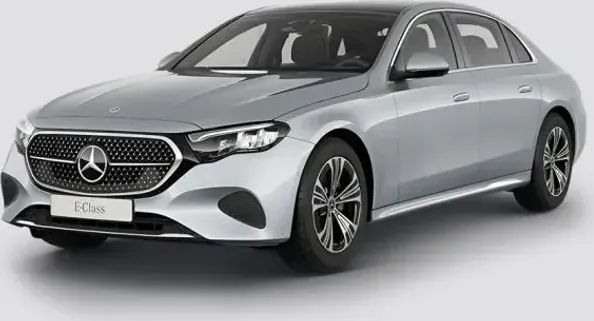
- Mercedes-Benz E-Class20
- Hyundai Ioniq 654
- 2023 Tesla Model S1,307