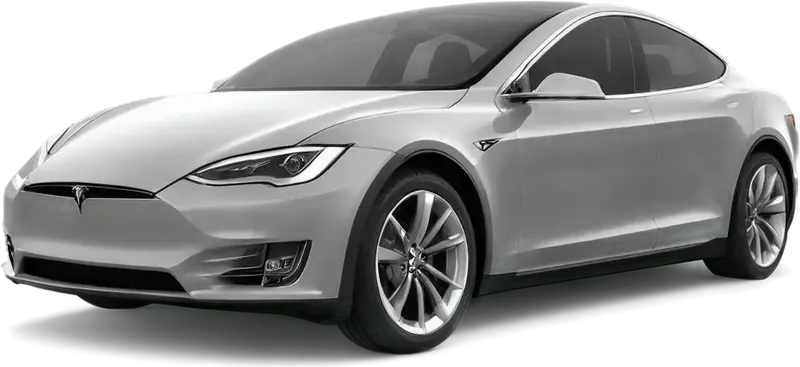
2022 Tesla Model S: What to check before buying
Owners have filed 796 complaints with NHTSA about this car, most about the automatic emergency braking, acceleration and cruise control, and electrical. The 9 checks below target those problems, in the order you would do them at the car.
 2022
- Owner complaints
- 796
- Recalls
- 18
- Crashes reported
- 71
- 136 injuries
Your inspection sheet
Tick items off on your phone at the car, or print it. Ticks stay on this device.
0/9 checked
2022 Tesla Model S: inspection sheet
Paperwork and questions
Before you go, or before you touch the car0/2
Walk-around and cabin
Engine off, key in hand0/2
Cold start, engine bay, and underside
Ask the seller not to warm the car up first0/1
Test drive
At least 20 minutes, with some highway0/4
These checks are specific to this model year. For tires, body panels, fluids, and the other basics every used car needs, use the general inspection guide.
Which Model S is it?
EPA figures for each version of the 2022 Tesla Model S. Use them to confirm you are looking at the version that was advertised, and as a yardstick on the test drive.
| Version | Drive | EPA rating |
|---|---|---|
| Electric | AWD | 405 mi range |
- With a full charge, the range estimate on the dash should land near the EPA figure of 405 miles. A much lower number on a mild day can mean a worn battery; ask for a battery health report.
Check the odometer against these mileages
Owners report these failures starting around the mileages below. A car inside one of these ranges deserves a closer look at that part, or records showing it was already fixed.
Phantom braking on new cars
64–500 miles
Rear camera, backup prevention failure
3,000–5,500 miles
Car computer and ADAS failure
51,000–64,000 miles
Why these checks: what owners reported
NHTSA complaints for the 2022 Tesla Model S, grouped by the part owners named. Open a row to read what goes wrong.
Automatic emergency braking25310 crashes
Hard braking at highway speed with nothing ahead is the dominant complaint. It happens on Autopilot, Full Self-Driving, and adaptive cruise, in clear daytime weather, and some cars do it within their first 500 miles. Drops range from a brief 10 mph dip to 30 to 40 mph, which raises rear-end risk. Ten reports involve crashes, including cars that surged forward after the driver braked to disengage, steered into barriers or curbs, or gave no warning before hitting road debris. Several owners say service checked the logs and found nothing wrong.
Acceleration and cruise control1196 crashes
Sudden acceleration at low speed is the most serious pattern. Cars surge forward while turning into driveways, entering parking garages, or waiting at lights, and drivers report the brake pedal does not stop them. Crashes into garage doors, homes, and other cars follow, with several vehicles totaled, one at 160 miles. Phantom braking on cruise control is the more common complaint, sometimes dozens of times on one trip. Other reports describe cruise control going unavailable, and one owner says service called it a known issue with no fix.
Electrical868 crashes
Total power loss can leave the doors locked, and a blacked-out center screen has trapped occupants inside until someone opened the door from outside. Fire reports include a car that caught fire while charging, flames from the front wheel area at highway speed, and a console USB port that burned a charger. On nearly new cars, charging stops overnight and service finds a failed power conversion unit. A car computer failure after a software update disabled automatic emergency braking and forward collision warning. Summon collisions also appear here.
Brakes686 crashes
Two brake problems dominate. The car stops hard with no traffic ahead, both on adaptive cruise and with no assist engaged, sometimes several times per drive. Some drivers report neck and head pain from the jolt. Other reports describe the brake pedal failing to stop the car while it creeps or surges forward from a stop, with the pedal feeling tight. Some owners say automatic emergency braking did not act before an imminent collision. Six reports involve crashes, including one at roughly 32,000 miles.
Steering4612 crashes
Sudden, uncommanded wheel movement is the core complaint, sometimes at highway speed, pulling the car toward walls or into adjacent lanes. Some reports describe the wheel locking for about 3 seconds during a slow turn, or becoming uncontrollable in heavy rain with Autopilot or Full Self-Driving engaged. Twelve reports involve crashes, and three involve fire, including a fatal crash into a tree. Other complaints describe abrupt stops with battery and drive system errors, and Summon driving the car toward people and parked cars.
Suspension172 crashes
Front lower control arm bolts back out and fall off. The arm detaches, the wheel collapses, and the car cannot steer or move. Most failures happen while backing out of a parking space, often after a clicking noise that becomes a loud bang. Some cars fail again after a warranty repair. One report describes a rear camber bolt missing its nut. Separate complaints describe tire cupping within 7,500 miles on Performance models and rear camber out of spec with no adjustment possible. Several owners say service called these wear items or impact damage and refused coverage.
Airbags155 crashes
The front passenger airbag fails to switch on for adults above the 100-pound threshold, including riders weighing 102 and 120 pounds. Some owners say it stays off most of the time. An intermittent "front passenger safety restraint system fault" message keeps coming back after repeated repairs, including a seat harness and a full seat replacement. One owner's claim was denied past 50k miles. Five crash reports say the airbags did not deploy, including a side impact.
Lane keeping123 crashes
Autosteer and Autopilot swerve into adjacent lanes or turn lanes without warning, and one report describes a sideswipe of a passing car. Lane departure avoidance overcorrects and pulls the car back during intended lane changes. Phantom braking happens next to trucks and on curves. Cameras report being blocked or blinded nearly every trip because of condensation or dirt behind the windshield camera glass, which disables Autopilot. One owner says service called it a known issue with no repair. A Smart Summon collision is also reported.
In owners' own words
Excerpts from complaints Model S owners filed with NHTSA, as written. Listen for the same symptoms on your test drive.
The FSD is not fully matured and I have tried multiple times and all times and the experience is weird and very hard braking and no control on parking lots. So not sure why this is called Fully self driving capability by Tesla? I have paid 12k for this capability in my car and unfortunately it's not fully functional. Hope some safety precautions will be taken for the safety of the drivers and passengers. Happy to provide more details if needed. Thank you
Filed with NHTSA, July 2024
Within the last week, while driving cross-country on Interstate highways at speeds of 65-75 MPH, car repeatedly (estimate 10-15 times over 1800 miles) experienced “phantom braking,” automatically engaging the brakes in the absence of any sort of hazard whatsoever (no cars or other objects nearby, fortunately; clear, sunny weather). This occurred when Full Self-Driving was engaged and also when cruise control without FSD was engaged.
Filed with NHTSA, April 2023
In late February we were driving up California State Highway 5 at approximately 70-75 miles per hour. There were no cars within half a mile, and we had turned on adaptive cruise control. Suddenly, there was a strong brake applied for no apparent reason, which was very disturbing for the entire family. We have never turned on adaptive cruise control since. This appears to be an instance of "phantom breaking" according to our online research.
Filed with NHTSA, May 2022
Phantom Braking. I was on Auto Pilot on the freeway traveling at 75 mph. All of a sudden the car did an automatic hard brake and the car started to veer toward the center divider. The car only had 64 miles and was brand new. This was the first time I had used autopilot and had been on the freeway. There was a truck on my right and it was a 2 lane freeway. Nobody has inspected the car.
Filed with NHTSA, June 2022
Had car less than 48 hours and charged for first time overnight and the charging stopped 1 hour into the session. In the am there was no power to car and had to call roadside that was able to jump and get power to remove charge and get on tow truck Tesla reports a PCS unit and Voltage unit failed and need replacement This car is less than 38 hours old with 103 miles.
Filed with NHTSA, September 2022
Phantom braking. When car is on autopilot the car suddenly brakes. It’s happening a lot when I’m driving back from work. I drive 72 miles one way to work on Mondays and some Fridays. On one day it did breaks 3 times with no object in sight. Glad I’m not rear ended
Filed with NHTSA, February 2022
It was snowing and I was driving down a hill going at least 5 miles an hour because there where at 10 cars in front of me. When I went to break the car, the breaks didn’t work and I slid the hill hitting to vehicles. The breaks would skip and wouldn’t lock.
Filed with NHTSA, November 2022
The car was delivered to me today. It has 15 miles on the odometer. The brakes do not work. I almost crashed into a home. Extreme safety concern. The next device appointment is July 20th. I will wait for them to diagnose the issue. Very concern this auto manufacturer is delivering faulty brand new products to consumers.
Filed with NHTSA, June 2022
How the 2022 compares with other Model S years
Complaints for this year next to the average for the other model years, area by area.
The 2022 ranks third for owner complaints among 8 Model S years, about 1.5 times the average of the others. Newer years have had less time to collect complaints, so compare like with like.
- Automatic emergency braking253104
- Acceleration and cruise control11957
- Electrical8658
- Brakes6836
- Steering4667
- Suspension1735
Where the 2022 fits in the Model S's history
Redesigns and mid-cycle updates change what can go wrong.
The 2022 is the tenth model year of the Model S's first generation (2013 on).
It includes the 2021 update.
What changed for 2021
- Significant update including redesigned interior
- Introduction of high-performance Plaid model
Recalls to confirm (18)
Recall repairs are free at any Tesla dealer, but the seller may never have had them done. Check each campaign number against the VIN.
24V935000Wheels and tiresDec 2024
Tesla, Inc. (Tesla) is recalling certain 2024 Cybertruck, 2017-2025 Model 3, and 2020-2025 Model Y vehicles. The tire pressure monitoring system (TPMS) warning light may not remain illuminated between drive cycles, failing to warn the driver of low tire pressure. As such, these vehicles fail to comply with the requirements of Federal Motor Vehicle Safety Standard number 138, "Tire Pressure Monitoring Systems.".
Risk: Driving with improperly inflated tires increases the risk of a crash.
Fix: Tesla released an over-the-air (OTA) software update, free of charge. Owner notification letters were mailed February 15, 2025. Owners may contact Tesla customer service at 1-877-798-3752. Tesla's number for this recall is SB-24-00-018.
24V554000Door latches and locksJul 2024
Tesla, Inc. (Tesla) is recalling certain 2021-2024 Model 3, Model S, Model X, and 2020-2024 Model Y vehicles. The hood latch assembly may fail to detect an unlatched hood condition after the hood has been opened.
Risk: An unlatched hood can fully open, obstructing the driver's view and increasing the risk of a crash.
Fix: Tesla has released an over-the-air (OTA) software update, free of charge. Owner notification letters were mailed September 24, 2024. Owners may contact Tesla customer service at 1-877-798-3752. Tesla's number for this recall is SB-24-00-012.
24V376000Seat beltsMay 2024
Tesla, Inc. (Tesla) is recalling certain 2012-2024 Model S, 2015-2024 Model X, 2017-2023 Model 3, and 2020-2023 Model Y vehicles. In the event of an unbelted driver, the seat belt warning light and audible chime may not activate as intended. As such, these vehicles fail to comply with the requirements of Federal Motor Vehicle Safety Standard number 208, "Occupant Crash Protection.".
Risk: A seat belt warning system that fails to alert occupants of an unbelted seat belt can increase the risk of injury during a crash.
Fix: Tesla will release an over-the-air (OTA) software update. Owner notification letters were mailed July 26, 2024. Owners may contact Tesla customer service at 1-877-798-3752. Tesla's number for this recall is SB-24-00-008.
24V153000Automatic emergency brakingFeb 2024
Tesla, Inc. (Tesla) is recalling certain 2013, 2018-2021 Model S, 2020-2021 Model X, 2018-2022 Model 3, and 2020-2022 Model Y vehicles. A factory reset muted the Pedestrian Warning System (PWS) sounds. As such, these vehicles fail to comply with the requirements of Federal Motor Vehicle Safety Standard number 141, "Minimum Sound Requirements for Hybrid and Electric Vehicles.".
Risk: Pedestrians may be unaware of an approaching vehicle if the PWS sounds are muted, increasing the risk of a crash.
Fix: Tesla released an over-the-air (OTA) software update, release 2023.44.30.14, free of charge. Owner notification letters were mailed April 27, 2024. Owners may contact Tesla customer service at 1-877-798-3752. Tesla's number for this recall is SB-24-00-006.
24V051000ElectricalJan 2024
Tesla, Inc. (Tesla) is recalling certain 2012-2023 Model S, 2016-2024 Model X, 2017-2023 Model 3, 2019-2024 Model Y, and 2024 Cybertruck vehicles. An incorrect font size is displayed on the instrument panel for the Brake, Park, and Antilock Brake System (ABS) warning lights. As such, these vehicles fail to comply with the requirements of Federal Motor Vehicle Safety Standard number 105, "Hydraulic and Electric Brake Systems" and 135, "Light Vehicle Brake Systems.".
Risk: Warning lights with a smaller font size can make critical safety information on the instrument panel difficult to read, increasing the risk of a crash.
Fix: Tesla began releasing an over-the-air (OTA) software update, free of charge. Owners may contact Tesla customer service at 1-877-798-3752. Tesla's number for this recall is SB-24-00-003.
23V838000ElectricalDec 2023
Tesla, Inc. (Tesla) is recalling 2012-2023 Model S, 2016-2023 Model X, 2017-2023 Model 3, and 2020-2023 Model Y vehicles equipped with all versions of Autosteer leading up to the version(s) that contains the recall remedy. In certain circumstances when Autosteer is engaged, the prominence and scope of the feature's controls may not be sufficient to prevent driver misuse of the SAE Level 2 advanced driver-assistance feature.
Risk: In certain circumstances when Autosteer is engaged, and the driver does not maintain responsibility for vehicle operation and is unprepared to intervene as necessary or fails to recognize when Autosteer is canceled or not engaged, there may be an increased risk of a crash.
Fix: Tesla will release an over-the-air (OTA) software update, free of charge. Owner notification letters were mailed February 10, 2024. Owners may contact Tesla customer service at 1-877-798-3752. Tesla's number for this recall is SB-23-00-008.
23V385000SteeringMay 2023
Tesla, Inc. (Tesla) is recalling certain 2022-2023 Model Y vehicles. The steering wheel fastener may be loose.
Risk: A loose fastener may allow the steering wheel to disconnect from the steering column, which can cause a loss of steering control and increase the risk of a crash.
Fix: Tesla Service will inspect and replace the fastener as necessary, free of charge. Owner notification letters were be mailed July 28, 2023. Tesla's number for this recall is SB-23-32-001.
23V130000SeatsFeb 2023
Tesla, Inc. (Tesla) is recalling certain 2022-2023 Model Y vehicles. The bolts securing the second-row seat back frames may not have been securely tightened.
Risk: A loose seat frame bolt may reduce the seat belt system's performance, increasing the risk of injury during a crash.
Fix: Tesla Service Centers will inspect and tighten the bolts as necessary, free of charge. Owner notification letters are expected to be mailed April 25, 2023. Owners may contact Tesla customer service at 1-877-798-3752. Tesla's number for this recall is SB-23-13-001.
23V085000SteeringFeb 2023
Tesla, Inc. (Tesla) is recalling certain 2016-2023 Model S, Model X, 2017-2023 Model 3, and 2020-2023 Model Y vehicles equipped with Full Self-Driving Beta (FSD Beta) software or pending installation. The FSD Beta system may allow the vehicle to act unsafe around intersections, such as traveling straight through an intersection while in a turn-only lane, entering a stop sign-controlled intersection without coming to a complete stop, or proceeding into an intersection during a steady yellow traffic signal without due caution. In addition, the system may respond insufficiently to changes in posted speed limits or not adequately account for the driver's adjustment of the vehicle's speed to exceed posted speed limits.
Risk: FSD Beta software that allows a vehicle to exceed speed limits or travel through intersections in an unlawful or unpredictable manner increases the risk of a crash.
Fix: Tesla will release an over-the-air (OTA) software update, free of charge. Owner notification letters were mailed April 15, 2023. Owners may contact Tesla customer service at 1-877-798-3752. Tesla's number for this recall is SB-23-00-001.
22V844000Exterior lightsNov 2022
Tesla, Inc. (Tesla) is recalling certain 2023 Model 3 and 2020-2023 Model Y vehicles. One or both taillights may intermittently fail to illuminate.
Risk: A taillight that fails to illuminate may reduce the visibility of the vehicle, increasing the risk of a crash.
Fix: Tesla has released an over-the-air (OTA) software update, free of charge. Owner notification letters were mailed January 14, 2023. Owners may contact Tesla customer service at 1-877-798-3752. Tesla's number for this recall is SB-22-00-016.
22V702000Wipers and visibilitySep 2022
Tesla, Inc. (Tesla) is recalling certain 2017-2022 Model 3, 2020-2022 Model Y, and 2021-2022 Model S and Model X vehicles. The window automatic reversal system may not react correctly after detecting an obstruction. As such, these vehicles fail to comply with the requirements of Federal Motor Vehicle Safety Standard number 118, "Power-Operated Window Systems.".
Risk: A closing window may exert excessive force by pinching a driver or passenger before retracting, increasing the risk of injury.
Fix: Tesla will perform an over-the-air (OTA) software update of the automatic window reversal system, free of charge. Owner notification letters were mailed March 31, 2032. Owners may contact Tesla customer service at 1-877-798-3752. Tesla's number for this recall is SB-22-00-013.
22V296000Backup cameraMay 2022
Tesla, Inc. (Tesla) is recalling certain 2021-2022 Model S, Model X, and 2022 Model 3 and Model Y vehicles operating certain firmware releases. The infotainment central processing unit (CPU) may overheat during the preparation or process of fast-charging, causing the CPU to lag or restart.
Risk: A lagging or restarting CPU may prevent the center screen from displaying the rearview camera image, gear selection, windshield visibility control settings, and warning lights, increasing the risk of a crash.
Fix: Tesla will perform an over-the-air (OTA) software update that will improve CPU temperature management, free of charge. Owner notification letters were mailed July 1, 2022. Owners may contact Tesla customer service at 1-877-798-3752. Tesla's number for this recall is SB-22-00-009.
22V235000ElectricalApr 2022
Tesla, Inc. (Tesla) is recalling certain 2020-2022 Model Y, Model X, Model S, and 2017-2022 Model 3 vehicles. The Boombox function allows sounds to be played through an external speaker while the vehicle is in motion, which may obscure the Pedestrian Warning System (PWS) sounds. As such, these vehicles fail to comply with the requirements of Federal Motor Vehicle Safety Standard number 141, "Minimum Sound Requirements for Hybrid and Electric Vehicles.".
Risk: Pedestrians may be unaware of an approaching vehicle if the PWS sounds are obscured, increasing the risk of a crash.
Fix: Tesla will perform an over-the-air (OTA) software update that will disable the Boombox functionality when the vehicle is in Drive, Neutral and Reverse modes, including Summon and Smart Summon, free of charge. Owner notification letters were mailed June 6, 2022. Owners may contact Tesla customer service at 1-877-798-3752. Tesla's number for this recall is SB-22-00-003. Note: This recall supersedes recall 22V-063. Vehicles configured with Summon or Smart Summon and already remedied under 22V-063 will need to have the new remedy software installed.
22V063000ElectricalFeb 2022
Tesla, Inc. (Tesla) is recalling certain 2020-2022 Model S, Model X, Model Y, and 2017-2022 Model 3 vehicles. The Boombox function allows sounds to be played through an external speaker while the vehicle is in motion, which may obscure the Pedestrian Warning System (PWS) sounds. As such, these vehicles fail to comply with the requirements of Federal Motor Vehicle Safety Standard number 141, "Minimum Sound Requirements for Hybrid and Electric Vehicles.".
Risk: Pedestrians may be unaware of an approaching vehicle if the PWS sounds are obscured, increasing the risk of a crash.
Fix: Tesla will perform an over-the-air (OTA) software update that will disable the Boombox functionality when the vehicle is in Drive, Neutral and Reverse modes, free of charge. Owner notification letters are expected to be mailed April 5, 2022. Owners may contact Tesla customer service at 1-877-798-3752. Tesla's number for this recall is SB-22-00-003. Note: This recall has been superseded by Recall 22V-235. Tesla's number for the new recall is SB-22-00-003.
22V050000ElectricalFeb 2022
Tesla, Inc. (Tesla) is recalling certain 2021-2022 Model 3, Model S, Model X, and 2020-2022 Model Y vehicles. A software error may cause a valve in the heat pump to open unintentionally and trap the refrigerant inside the evaporator, resulting in decreased defrosting performance. As such, these vehicles fail to comply with the requirements of Federal Motor Vehicle Safety Standard number 103, "Windshield Defrosting and Defogging Systems.".
Risk: Decreased defrosting performance may reduce the driver's visibility, increasing the risk of a crash.
Fix: Tesla will perform an over-the-air (OTA) software update, free of charge. Owner notification letters were mailed April 1, 2022. Owners may contact Tesla customer service at 1-877-798-3752. Tesla's number for this recall is SB-22-18-002.
22V045000ElectricalFeb 2022
Tesla, Inc. (Tesla) is recalling certain 2021-2022 Model S and Model X, 2017-2022 Model 3, and 2020-2022 Model Y vehicles. The audible chime may not activate when the vehicle starts and the driver has not buckled their seat belt. As such, these vehicles fail to comply with the requirements of Federal Motor Vehicle Safety Standard number 208, "Occupant Crash Protection.".
Risk: The driver may be unaware that their seat belt is not fastened, increasing the risk of injury during a crash.
Fix: Tesla will perform an over-the-air (OTA) software update, free of charge. Owner notification letters were mailed April 1, 2022. Owners may contact Tesla customer service at 1-877-798-3752. Tesla's number for this recall is SB-22-00-002.
22V037000ElectricalJan 2022
Tesla, Inc. (Tesla) is recalling certain 2016-2022 Model S and Model X, 2017-2022 Model 3, and 2020-2022 Model Y vehicles. The "rolling stop" functionality available as part of the Full Self-Driving (Beta) software may allow the vehicle to travel through an all-way stop intersection without first coming to a stop.
Risk: Failing to stop at a stop sign can increase the risk of a crash.
Fix: Tesla will perform an over-the-air (OTA) software update that disables the "rolling stop" functionality, free of charge. Owner notification letters were mailed March 28, 2022. Owners may contact Tesla customer service at 1-877-798-3752. Tesla's number for this recall is SB-22-00-001.
21V912000SuspensionNov 2021
Tesla, Inc. (Tesla) is recalling certain 2020-2022 Model Y vehicles. The front and rear suspension knuckles may fracture, causing the suspension links to separate.
Risk: Suspension links that separate can reduce vehicle stability and control, increasing the risk of a crash.
Fix: Tesla Service will inspect and replace the knuckles as necessary, free of charge. Owner notification letters were mailed January 18, 2022. Owners may contact Tesla customer service at 1-877-798-3752. Tesla's number for this recall is SB-21-31-004.
Also looking at these instead of a Model S?
Cars shoppers compare with the Tesla Model S, with their own 2022 checklists.
2022 owner complaints, side by side
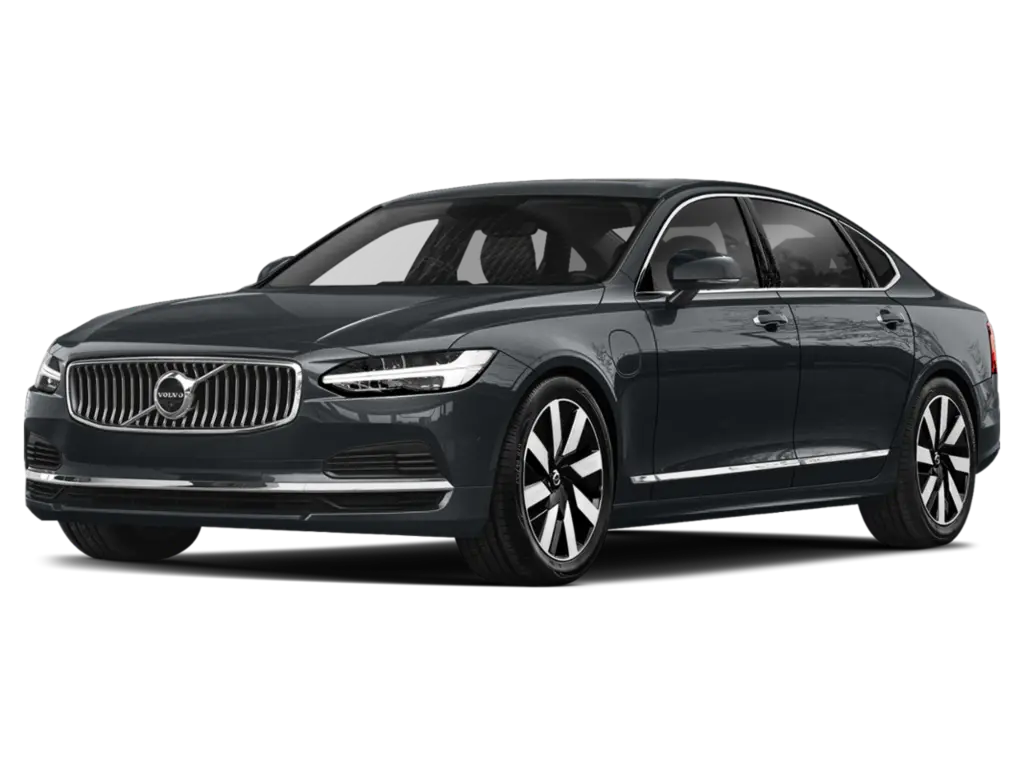
- Volvo S901
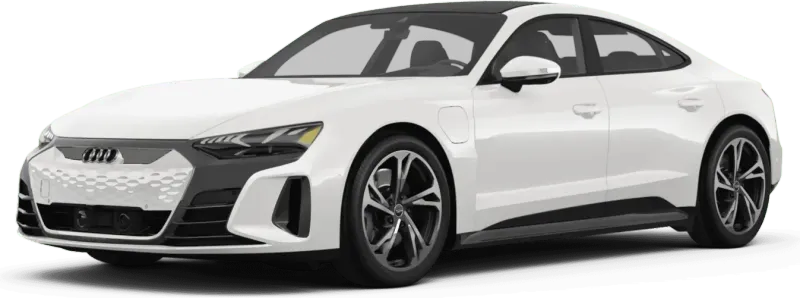
- Audi e-tron GT10
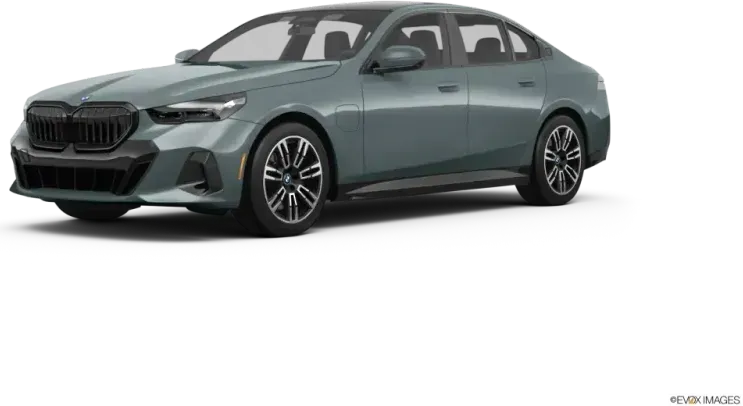
- BMW 5 Series13
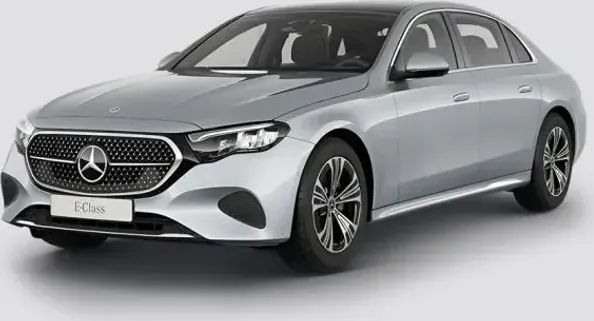
- Mercedes-Benz E-Class19
- 2022 Tesla Model S796