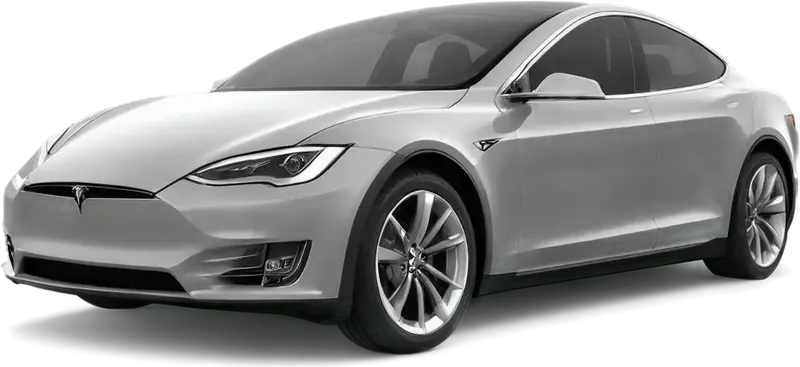
2018 Tesla Model S: What to check before buying
Owners have filed 297 complaints with NHTSA about this car, most about the suspension, electrical, and acceleration and cruise control. The 9 checks below target those problems, in the order you would do them at the car.
 2018
- Owner complaints
- 297
- Recalls
- 9
- Crashes reported
- 55
- 28 injuries
Your inspection sheet
Tick items off on your phone at the car, or print it. Ticks stay on this device.
0/9 checked
2018 Tesla Model S: inspection sheet
Paperwork and questions
Before you go, or before you touch the car0/2
Walk-around and cabin
Engine off, key in hand0/1
Cold start, engine bay, and underside
Ask the seller not to warm the car up first0/1
Test drive
At least 20 minutes, with some highway0/5
These checks are specific to this model year. For tires, body panels, fluids, and the other basics every used car needs, use the general inspection guide.
Which Model S is it?
EPA figures for each version of the 2018 Tesla Model S. Use them to confirm you are looking at the version that was advertised, and as a yardstick on the test drive.
| Version | Drive | EPA rating |
|---|---|---|
| Electric | AWD, RWD | 249–335 mi range |
- With a full charge, the range estimate on the dash should land near the EPA figure of 249–335 miles. A much lower number on a mild day can mean a worn battery; ask for a battery health report.
Why these checks: what owners reported
NHTSA complaints for the 2018 Tesla Model S, grouped by the part owners named. Open a row to read what goes wrong.
Suspension495 crashes
Wheels tilt inward or collapse into the wheel well when suspension links crack, snap, or loosen. Many of these filings come from one person citing salvage-auction cars, and most describe the Model X. Owners writing about their own cars describe shaking before a link breaks, clanking from the front sway bar and links, and fast wear on the inner edge of the rear tires, in one case within about 5,000 miles. A shudder under acceleration from the front half shafts shows up as early as 1,500 miles. Five filings are crash-related. Waits for parts drag out some repairs.
Electrical479 crashes
The most serious pattern is sudden acceleration at parking speed. Drivers say the car surged over curbs or into walls, poles, and houses, sometimes with a foot on the brake. Nine filings are crash-related, and four involve injuries. In some cases the car's recorded data showed the accelerator was pressed. The instrument cluster and center screen also freeze or go blank while driving, which removes the speedometer and turn signals until the car is reset. One owner traced the screen trouble to a full onboard computer at about 20,000 miles. One filing involves a fire.
Acceleration and cruise control3217 crashes
Unintended acceleration at low speed dominates this category. It happens almost always while pulling into a parking space, making a tight turn, or entering a garage. Drivers describe the car lunging to high speed without warning, sometimes while they say they were braking, and hitting walls, poles, trees, or parked cars. Of 32 complaints, 17 are crash-related, with 12 injuries. Airbags deployed in several crashes. When the car's data was reviewed, Tesla sometimes reported that the accelerator pedal had been pressed.
Automatic emergency braking327 crashes
Phantom braking leads the complaints. On traffic-aware cruise control or Autopilot, the car brakes hard at highway speed with nothing ahead, sometimes losing 20 mph or more in a moment. Some owners find it repeats at the same spots, such as bridges. Other filings report the opposite failure: no warning and no braking before a collision while Autopilot or Full Self-Driving was on. Seven complaints are crash-related, with three injuries. Service visits rarely produce a fix, and some owners say the slow processor caused maps and Autopilot to fail.
Steering173 crashes
Power assist cuts out, often with a "steering assist reduced" warning and a wheel that becomes very hard to turn. Emergency braking and stability control can drop out at the same time. The cable harness inside the steering wheel can fail, which disables the horn, buttons, and scroll wheels and possibly the airbag. Other reports describe a horn that will not stop with smoke from under the front trunk, a shutdown at highway speed, notchy steering, and Autopilot leaving the road. Three complaints are crash-related, two fire-related, and three involve injuries.
Brakes161 crash
Nearly every complaint here is about phantom braking. On adaptive cruise control, Autopilot, or FSD, the car brakes hard on an open highway with no obstacle, often from about 70 mph, then speeds back up. Some owners get it several times an hour on long drives. Others find it repeats near overpasses or at fixed spots. Two complaints involve injuries. Other filings describe ABS that does not engage in a panic stop, and a wheel sensor cable that rubs against the tire and knocks out ABS, traction control, and stability control.
Body and structure162 crashes
Exterior door handles stop opening the door even when the car is unlocked. Some fail again after repair. Model X reports add falcon-wing doors that will not open because they sense an obstruction that is not there, which traps rear passengers, along with leaking door window seals. Other filings describe the front trunk opening while driving, flood water getting past a trunk seal, fender trim coming loose, and rear glass shattering on its own. Two complaints are crash-related, and both involve the car moving unexpectedly while parking.
Transmission101 crash
A "Power reduced" warning with a turtle icon can leave the car crawling at 1 to 2 mph, sometimes along with a high-voltage battery service message. Owners say repairs can take weeks and that Tesla has trouble pinning down the cause. Front axles and CV joints wear early and clunk, and some cars are on their third or fourth replacement. The air-conditioning compressor also cools the battery, so when it fails, charging and driving speed are cut. One complaint is crash-related, involving unintended acceleration while parking.
In owners' own words
Excerpts from complaints Model S owners filed with NHTSA, as written. Listen for the same symptoms on your test drive.
There is loud clanking noise from the front of the car. Tesla service center said they must replace front sway bar and links. That was in December 2020. They still do not have those parts. Driving with damaged sway bars requires being super alert when changing lanes or turning. However, one cannot guarantee it 100% of the time. Tesla says that this is a minor noise issue. I would like them to fix the issue soon (not have to wait 6+ months).
Filed with NHTSA, July 2021
On Saturday, May 21, 2021 I left home to go to the health club about a mile and a half from my house. I noticed the light was very bumpy. It just did not feel right. Came home And noticed did the car head problem with the suspension. Both front wheels seem to be Forli suspended. Please see the photographs of the front of the car and front passenger as well as front driver side wheels and suspension area.
Filed with NHTSA, May 2021
I was pulling into my driveway and beginning to pull into the garage. Immediately after straightening the car out to fit the space in the garage, the car immediately launched itself, accelerating extremely quick with no chance to brake or brace for impact. The car and the house suffered damage and I’m currently awaiting MRI results for possible injuries. It was an evident malfunction in the car’s system.
Filed with NHTSA, January 2023
The Instrument Cluster Freezes and has to be reset. When it freezes you have not knowledge of speed you are going. After bringing it into Tesla Service I was told that is a known defect. The only way to fix is to replace Infotainment system at a cost of $2,100. Infotainment system currently works fine. The rep informed me that the system does not have enough memory to run the computer correctly after all the updates that Tesla Makes you install.
Filed with NHTSA, April 2025
Driving on a freeway at 75mph with autopilot turned on, the car suddenly braked, requiring manual intervention to accelerate to intended speed. After this the car continued as normal. There was no visible obstruction. Fortunately I have had this happen while a vehicle has not been behind me otherwise there is a possiblity of a crash.
Filed with NHTSA, February 2022
The Tesla recall under NHTSA Recall No: 23V-838 has not been completed by Tesla. The upgraded computer I purchased from Tesla and had installed in December 2021 cannot accept the OTA update. Tesla is requesting that I replace the computer again for 2 thousand dollars for the recall OTA. Telsa said my current computer has an internal bug and needs to be replaced. I should not have to spend 2K for another computer that barely lasted 2 years.
Filed with NHTSA, February 2024
About 224 miles N. of Los Angeles, on I-5, Southbound, the car aggressively braked while using traffic aware cruise control. Speed was around 75 when braking started. Speed dropped to 55 MPH at the end. There was a couple additional brakes on this southbound journey. I can't believe that Tesla thinks they can implement full self driving when they can't manage to maintain a constant and not jarring speed. This is a recipe for disaster.
Filed with NHTSA, October 2022
How the 2018 compares with other Model S years
Complaints for this year next to the average for the other model years, area by area.
The 2018 ranks sixth for owner complaints among 8 Model S years, well under the average of the others. Newer years have had less time to collect complaints, so compare like with like.
- Suspension4930
- Electrical4763
- Acceleration and cruise control3270
- Automatic emergency braking32135
- Steering1771
- Brakes1644
Where the 2018 fits in the Model S's history
Redesigns and mid-cycle updates change what can go wrong.
The 2018 is the sixth model year of the Model S's first generation (2013 on).
It includes the 2017 update.
What changed for 2017
- Updated front fascia
- New LED adaptive headlights
- Reintroduction of 60kWh model
- Introduction of all-wheel-drive version (60D)
Recalls to confirm (9)
Recall repairs are free at any Tesla dealer, but the seller may never have had them done. Check each campaign number against the VIN.
24V376000Seat beltsMay 2024
Tesla, Inc. (Tesla) is recalling certain 2012-2024 Model S, 2015-2024 Model X, 2017-2023 Model 3, and 2020-2023 Model Y vehicles. In the event of an unbelted driver, the seat belt warning light and audible chime may not activate as intended. As such, these vehicles fail to comply with the requirements of Federal Motor Vehicle Safety Standard number 208, "Occupant Crash Protection.".
Risk: A seat belt warning system that fails to alert occupants of an unbelted seat belt can increase the risk of injury during a crash.
Fix: Tesla will release an over-the-air (OTA) software update. Owner notification letters were mailed July 26, 2024. Owners may contact Tesla customer service at 1-877-798-3752. Tesla's number for this recall is SB-24-00-008.
24V153000Automatic emergency brakingFeb 2024
Tesla, Inc. (Tesla) is recalling certain 2013, 2018-2021 Model S, 2020-2021 Model X, 2018-2022 Model 3, and 2020-2022 Model Y vehicles. A factory reset muted the Pedestrian Warning System (PWS) sounds. As such, these vehicles fail to comply with the requirements of Federal Motor Vehicle Safety Standard number 141, "Minimum Sound Requirements for Hybrid and Electric Vehicles.".
Risk: Pedestrians may be unaware of an approaching vehicle if the PWS sounds are muted, increasing the risk of a crash.
Fix: Tesla released an over-the-air (OTA) software update, release 2023.44.30.14, free of charge. Owner notification letters were mailed April 27, 2024. Owners may contact Tesla customer service at 1-877-798-3752. Tesla's number for this recall is SB-24-00-006.
23V838000ElectricalDec 2023
Tesla, Inc. (Tesla) is recalling 2012-2023 Model S, 2016-2023 Model X, 2017-2023 Model 3, and 2020-2023 Model Y vehicles equipped with all versions of Autosteer leading up to the version(s) that contains the recall remedy. In certain circumstances when Autosteer is engaged, the prominence and scope of the feature's controls may not be sufficient to prevent driver misuse of the SAE Level 2 advanced driver-assistance feature.
Risk: In certain circumstances when Autosteer is engaged, and the driver does not maintain responsibility for vehicle operation and is unprepared to intervene as necessary or fails to recognize when Autosteer is canceled or not engaged, there may be an increased risk of a crash.
Fix: Tesla will release an over-the-air (OTA) software update, free of charge. Owner notification letters were mailed February 10, 2024. Owners may contact Tesla customer service at 1-877-798-3752. Tesla's number for this recall is SB-23-00-008.
22V818000SteeringNov 2022
Tesla, Inc. (Tesla) is recalling certain 2017-2021 Model S and Model X vehicles. The electronic power assist steering (EPAS) system may experience a loss of power steering assist when driving on rough roads or after hitting a pothole.
Risk: A loss of power steering assist can require greater steering effort, especially at low speeds, increasing the risk of a crash.
Fix: Tesla has released an over-the-air (OTA) software update to recalibrate the EPAS system, free of charge. Owner notification letters were mailed December 31, 2022. Owners may contact Tesla customer service at 1-877-798-3752. Tesla's number for this recall is SB-22-00-014.
22V169000Backup cameraMar 2022
Tesla, Inc. (Tesla) is recalling certain 2018-2019 Model S, Model X, and 2017-2020 Model 3 vehicles equipped with Autopilot Computer 2.5 and operating certain firmware releases. The rearview image may not immediately display when the vehicle begins to reverse. As such, these vehicles fail to comply with the requirements of Federal Motor Vehicle Safety Standard number 111, "Rear Visibility.".
Risk: A delayed rearview camera image reduces the driver's rear view, increasing the risk of a crash.
Fix: Tesla will perform an over-the-air (OTA) software update, free of charge. Owner notification letters were mailed May 17, 2022. Owners may contact Tesla customer service at 1-877-798-3752. Tesla's number for this recall is SB-22-00-004.
22V037000ElectricalJan 2022
Tesla, Inc. (Tesla) is recalling certain 2016-2022 Model S and Model X, 2017-2022 Model 3, and 2020-2022 Model Y vehicles. The "rolling stop" functionality available as part of the Full Self-Driving (Beta) software may allow the vehicle to travel through an all-way stop intersection without first coming to a stop.
Risk: Failing to stop at a stop sign can increase the risk of a crash.
Fix: Tesla will perform an over-the-air (OTA) software update that disables the "rolling stop" functionality, free of charge. Owner notification letters were mailed March 28, 2022. Owners may contact Tesla customer service at 1-877-798-3752. Tesla's number for this recall is SB-22-00-001.
21V00B000Door latches and locksDec 2021
Tesla, Inc. (Tesla) is recalling certain 2014-2021 Model S vehicles. The front trunk latch assembly may be misaligned, preventing the secondary hood latch from engaging. As such, these vehicles fail to comply with the requirements of Federal Motor Vehicle Safety Standard number 113, "Hood Latch System.".
Risk: If the primary latch is inadvertently released and the secondary latch is not engaged, the hood could open unexpectedly, obstructing the driver's view and increasing the risk of a crash.
Fix: Tesla Service will inspect and reposition the latch assembly as necessary, free of charge. Owner notification letters were mailed February 18, 2022. Owners may contact Tesla customer service at 1-877-798-3752. Tesla's number for this recall is SB-21-11-003.
21V846000Automatic emergency brakingOct 2021
Tesla, Inc. (Tesla) is recalling certain 2017-2021 Model S, Model 3, Model X, and 2020-2021 Model Y vehicles operating software version 2021.36.5.2. A communication error may cause false forward-collision warning (FCW) or unexpected activation of the automatic emergency brake (AEB) system.
Risk: Unexpected activation of the AEB system may cause the car to stop suddenly, increasing the risk of a crash.
Fix: Tesla Service has released an over-the-air (OTA) software update, free of charge. The recall began October 25, 2021. Owners may contact Tesla customer service at 1-877-798-3752. Tesla's number for this recall is SB-21-00-004.
21V035000Backup cameraJan 2021
Tesla, Inc. (Tesla) is recalling certain 2012-2018 Tesla Model S and 2016-2018 Model X vehicles with a center display equipped with a NVIDIA Tegra 3 processor and an 8GB eMMC NAND flash memory device. When the 8GB eMMC NAND flash memory device for the center display reaches lifetime wear, the eMMC controller will no longer be able to maintain the integrity of the filesystem, causing a failure in some of the center display functions.
Risk: The eMMC controller wear-out condition can cause the loss of the rearview camera display, defrost/defog control settings, and exterior turn signal lighting, reducing visibility and increasing the risk of a crash.
Fix: Owners should ensure their vehicles are operating firmware release 2020.48.48.12 or newer, which will alert owners if the eMMC is approaching lifetime wear. Tesla will notify owners, and will replace the VCM daughterboard with one containing an enhanced eMMC controller, free of charge. The recall began March 29, 2021. Owners may contact Tesla customer service at 1-877-798-3752. Tesla's number for this recall is SB-21-21-001.
Also looking at these instead of a Model S?
Cars shoppers compare with the Tesla Model S, with their own 2018 checklists.
2018 owner complaints, side by side
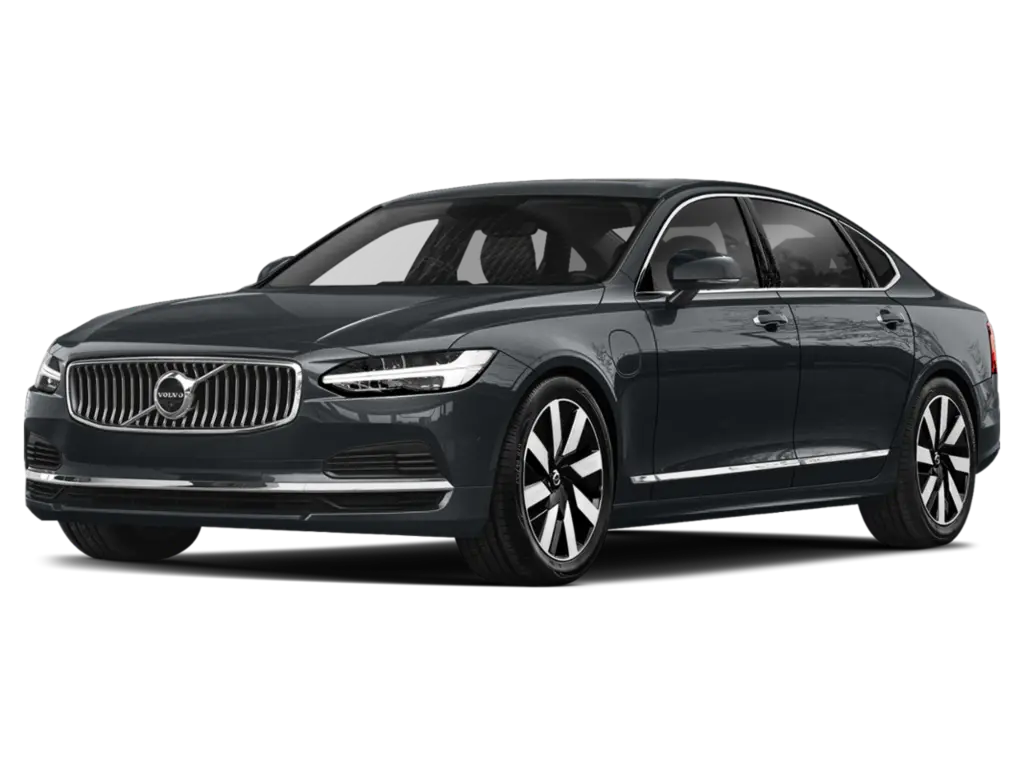
- Volvo S9012
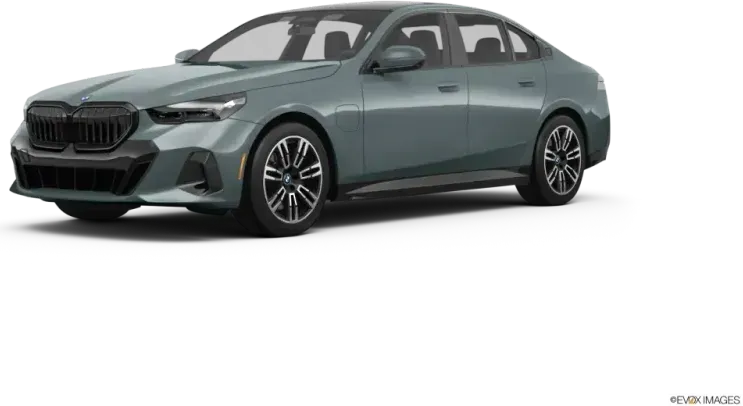
- BMW 5 Series212
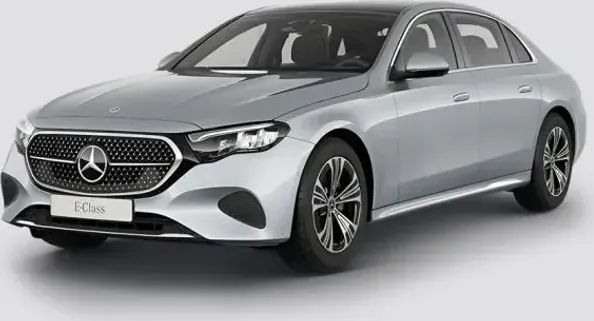
- Mercedes-Benz E-Class252
- 2018 Tesla Model S297