2021 Hyundai Kona: What to check before buying
Owners have filed 102 complaints with NHTSA about this car, most about the engine, electrical, and transmission. The 9 checks below target those problems, in the order you would do them at the car.
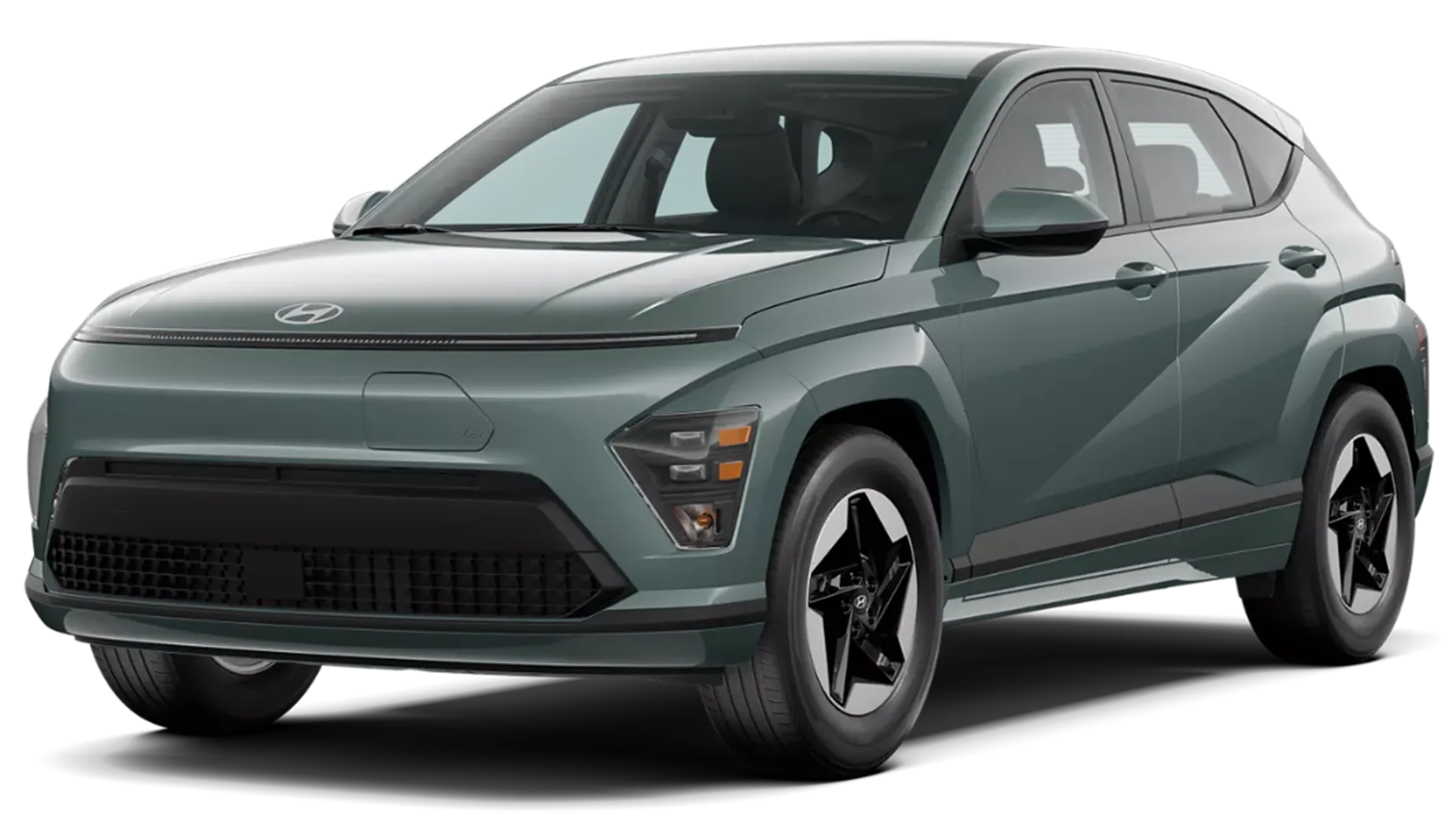 2021
- Owner complaints
- 102
- Recalls
- 3
- Crashes reported
- 2
- 3 injuries
Your inspection sheet
Tick items off on your phone at the car, or print it. Ticks stay on this device.
0/9 checked
2021 Hyundai Kona: inspection sheet
Paperwork and questions
Before you go, or before you touch the car0/2
Walk-around and cabin
Engine off, key in hand0/2
Cold start, engine bay, and underside
Ask the seller not to warm the car up first0/2
Test drive
At least 20 minutes, with some highway0/3
These checks are specific to this model year. For tires, body panels, fluids, and the other basics every used car needs, use the general inspection guide.
Which Kona is it?
EPA figures for each version of the 2021 Hyundai Kona. Use them to confirm you are looking at the version that was advertised, and as a yardstick on the test drive.
| Version | Drive | EPA rating |
|---|---|---|
| 1.6L 4-cylGas | AWD, FWD | 27–30 mpg |
| 2.0L 4-cylGas | AWD, FWD | 27–30 mpg |
| Electric | FWD | 258 mi range |
- The 2021 Hyundai Kona was sold in three versions. Confirm which one this is from the window sticker, the engine cover, or the VIN report before you compare prices.
- With a full charge, the range estimate on the dash should land near the EPA figure of 258 miles. A much lower number on a mild day can mean a worn battery; ask for a battery health report.
Check the odometer against these mileages
Owners report these failures starting around the mileages below. A car inside one of these ranges deserves a closer look at that part, or records showing it was already fixed.
Early oil loss, engine failure
4,000–17,600 miles
Stalling while driving
14,000–21,400 miles
Excessive oil consumption
61,000–116,000 miles
Why these checks: what owners reported
NHTSA complaints for the 2021 Hyundai Kona, grouped by the part owners named. Open a row to read what goes wrong.
Engine54No crashes
Heavy oil use and sudden engine failure dominate these reports. Engines burn or lose oil between changes, often with no low-oil warning, then knock, stall, or seize, sometimes on highways and in traffic. Some fail by 12,034 miles. Others start burning oil or lose piston rings much later. Cold-start knocking is a common early sign. Dealers sometimes find nothing wrong at first or run oil consumption tests. Many complaints are about long waits for replacement engines, recall repairs, and parts, with cars off the road for months.
Stalling at low speed or in turns comes with excessive oil use in both reports. Owners describe ticking or dinging noises, rough revving, and slow acceleration before the stall. One owner was adding oil every other week. Shops either found no cause or recommended more testing, and neither car was repaired. The pattern matches the oil-consumption complaints filed under engine.
Electrical18No crashes
Stalling while driving is the most common pattern. The engine cuts out with no warning and restarts normally. Dealers often find no fault code and cannot fix it. Two fires are reported: a parked car that burned from the engine compartment, and an electric model that caught fire while being unplugged. Electric-model owners also describe battery warnings, failed DC fast charging, repeated inverter coolant warnings, and long waits for recall parts. Other complaints include false blind-spot and collision warnings, a failed heater and defroster, and a clogged AC drain that let water and mold into the cabin.
Transmission14No crashes
The dual-clutch automatic jerks, downshifts hard, and lunges when coming to a stop. It can also hesitate for several seconds when pulling away from a rolling stop. Owners report sudden drops into low gear, stalling at lights, and a total loss of drive power in traffic. One describes the transmission overheating on a steep snowy grade, then bucking and smoking. Dealers often find no code, and software updates do not always help. Oil consumption is also reported starting around 61,000 miles. An electric model was left inoperable by a motor position sensor failure while waiting for parts.
Acceleration and cruise control41 crash
Unwanted acceleration and loss of power appear in a small number of reports. In the most serious one, a stuck accelerator led to a crash and rollover. The steering wheel airbag caught fire and the driver suffered fractures and head injuries. Other reports describe the car surging forward when the brake is released, a transmission stuck in third gear that hits the fuel cutoff on the interstate, and a sudden loss of drive power on cruise control that only a restart fixes.
Brakes3No crashes
Two failure types appear. In one, the pedal sinks and stopping takes hard pressure because brake fluid leaks from pinholes and fittings in the brake lines. In the other, on electric models, a "Check regenerative brakes" message appears with brake warning lights, and the parking brake may apply while driving or stopping. One dealer replaced the integrated electric brake unit. Another warning came back days after a dealer update.
Exterior lights2No crashes
Rainwater gets inside the headlamps and cuts their light output. The one dealer response reported was to let them dry out, with no repair. A separate complaint says the low-mounted LED headlights leave dark spots in the beam and glare at oncoming drivers over small bumps, even when the dealer finds the aim correct. Water intrusion was reported at 5,052 miles.
Steering2No crashes
The car pulls to the right from new, with the wheel off center and heavier effort turning left. An alignment did not fix it. A separate report describes noise from the steering column plus bucking when pulling away from stops at 16k miles, with a long wait for a dealer appointment. Neither report describes a loss of steering control.
Wheels and tires2No crashes
Running the compact spare on a front wheel can cause heavy smoke within 10 miles and damage the front drivetrain. A dealer advised never mounting the spare on the front, and a similar spare-tire report appears under other complaints. A separate complaint involves a car sold new in April 2021 with tires made in 2019.
In owners' own words
Excerpts from complaints Kona owners filed with NHTSA, as written. Listen for the same symptoms on your test drive.
Told previous recall on engine was not needed on this vehicle while vehicle has same stalling issue that caused previous recall on engine. On july 5 2024 engine locked up nearly creating a wreck. Previous recall clearly is wider spread than hyundai is admitting. Now my car that is 8000 miles out of warranty needs an engine they claimed was not affected by previous recall but has same issue and originally fell under previous recall.
Filed with NHTSA, July 2024
The manufacturer is taking 2 long to repair or replace the engine. They started the recall at end of April. In may my mycarfax told me about recall and the manufacture didn't send anything out in the mail about the recall till almost end of June. They are taking 2 long to fix this engine. I drive daily for my job. Sometimes 4,000 miles a month. I need this recall fixed now.
Filed with NHTSA, August 2021
About 2 weeks ago I tried to start my car and the dash board starting flickering and glitch. Roadside assistance said all I needed was a battery. I got a battery and everything seemed fine until today. My car is starting to do the same thing. When I looked up recalls my VIN doesnt match for a recall I think my car should be under. The Battery Charge Sysytem is failing I believe. I have videos.
Filed with NHTSA, December 2025
After charging the vehicle at home with level 2 charger to 100% it would not go into drive or reverse. It can go to neutral or Park only. The car is at the dealership and they told the battery must be replaced when one is available. It is a safety concern because one can get stranded on the road with vehicle that does not move although is fully charged.
Filed with NHTSA, August 2021
The cars engine vibrates when accelerating and hesitates. It is always dangerous to stall after hitting the gas. This issue causes many near accidents. It began to vibrate at less than 70k. It has 90k now. These engines have had issues and mine is no exception. They should recall this engine as it's dangerous. top of the line and poop.
Filed with NHTSA, February 2026
When you press on the gas, many times there is a very delayed reaction for power. This resulted in my safety put at risk. I have mentioned this to mechanic, they say it is the transmission. I see where there was a recall for 'automatic transmission that may disengage when the car is being driven'. This is NHTSA campaign number 22V746000. and Hyundai's number for this recall is 236. I would like to know if my car should be included in the 236.
Filed with NHTSA, March 2023
While driving on the highway at 70 mph, cruise control engaged, there was a sudden loss of drive power. I could not accelerate, or return to the cruising speed. The speed just dramatically fell. The only remedy was to pull over to the side of the road, turn off the car, and start it again. This VIN was not included in the initial similar recall earlier this year.
Filed with NHTSA, August 2023
Vehicle will not go out of 3rd gear when on the interstate. The vehicle will go pass the redline and hit the fuel cut off and will not accelerate. Have to slow the car down and attempt to speed up again. Vehicle has almost been in accident multiple times due to almost being rear ended because can not get the vehicle up to speed.
Filed with NHTSA, February 2023
How the 2021 compares with other Kona years
Complaints for this year next to the average for the other model years, area by area.
The 2021 ranks fourth for owner complaints among 9 Kona years, close to the average of the others. Newer years have had less time to collect complaints, so compare like with like.
- Engine5428
- Electrical1822
- Transmission1410
- Acceleration and cruise control43
- Brakes32
- Exterior lights21
Where the 2021 fits in the Kona's history
Redesigns and mid-cycle updates change what can go wrong.
The 2021 is the fourth model year of the Kona's first generation (2018–2023).
It is also the first year of a mid-cycle update.
What changed for 2021
- Exterior aesthetic changes
- Increased cargo capacity
- Increased rear seat legroom
- Added mild hybrid system for 1.0L engine
Recalls to confirm (3)
Recall repairs are free at any Hyundai dealer, but the seller may never have had them done. Check each campaign number against the VIN.
22V941000ElectricalDec 2022
Hyundai Motor America (Hyundai) is recalling certain 2021 Kona EV vehicles. The Electric Power Control Unit (EPCU) may have been improperly sealed and may leak coolant internally.
Risk: Coolant contacting the EPCU circuit board may cause a loss of drive power, increasing the risk of a crash.
Fix: Dealers will inspect and replace the EPCU, as necessary, free of charge. Owner notification letters were mailed March 22, 2023. A second notice will be sent once the final remedy is available. Owners may contact Hyundai customer service at 1-855-371-9460. Hyundai's number for this recall is 239.
21V301000EngineApr 2021
Hyundai Motor America (Hyundai) is recalling certain 2019-2020 Elantra, 2019-2021 Kona and Veloster vehicles equipped with 2.0L Nu MPI engines. The piston oil rings may not have been properly heat-treated, which could result in engine damage.
Risk: A damaged engine may stall, increasing the risk of a crash. In addition, oil may leak onto hot exhaust components, increasing the risk of a fire.
Fix: Dealers will inspect and, if necessary, replace the engine, free of charge. In addition, Hyundai will deploy Piston Ring Noise Sensing System (PNSS) software. Owner notification letters were mailed August 24, 2021. Owners may contact Hyundai customer service at 1-855-371-9460.
20V748000BrakesDec 2020
Hyundai Motor America (Hyundai) is recalling certain 2019-2020 Nexo Fuel Cell and 2019-2021 Kona Electric vehicles. The Integrated Electronic Brake (IEB) system may detect an abnormal sensor signal and as a result, may significantly reduce braking performance.
Risk: Reduced braking power could lengthen the distance required to stop the vehicle, increasing the risk of a crash.
Fix: Hyundai will notify owners, and dealers will update the IEB software, free of charge. The recall began January 25, 2021. Owners may contact Hyundai customer service at 1-855-371-9460. Hyundai's number for this recall is 199.
Also looking at these instead of a Kona?
Cars shoppers compare with the Hyundai Kona, with their own 2021 checklists.
2021 owner complaints, side by side
- Buick Encore9
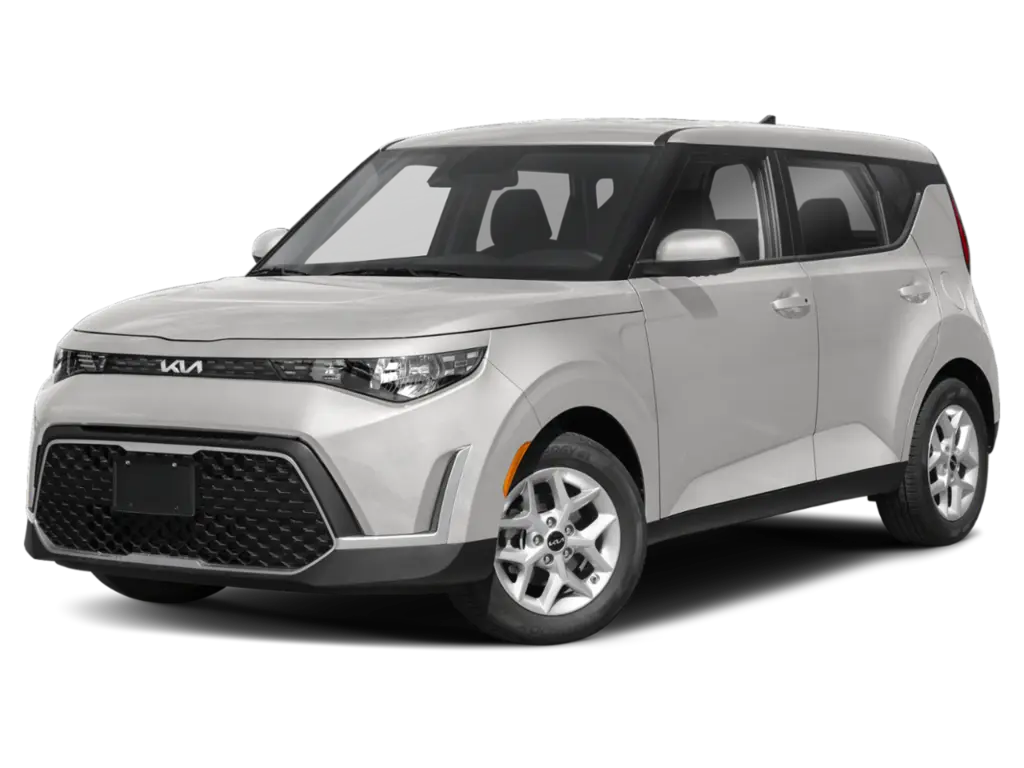
- Kia Sportage34
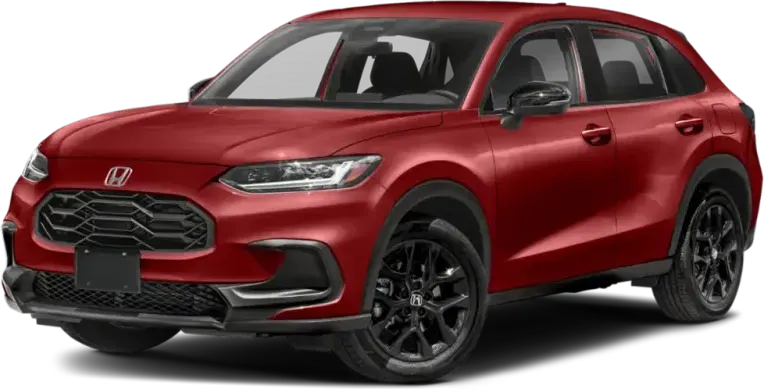
- Honda HR-V52
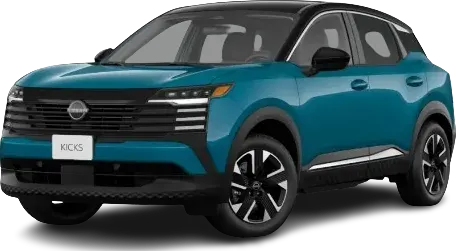
- Nissan Kicks66
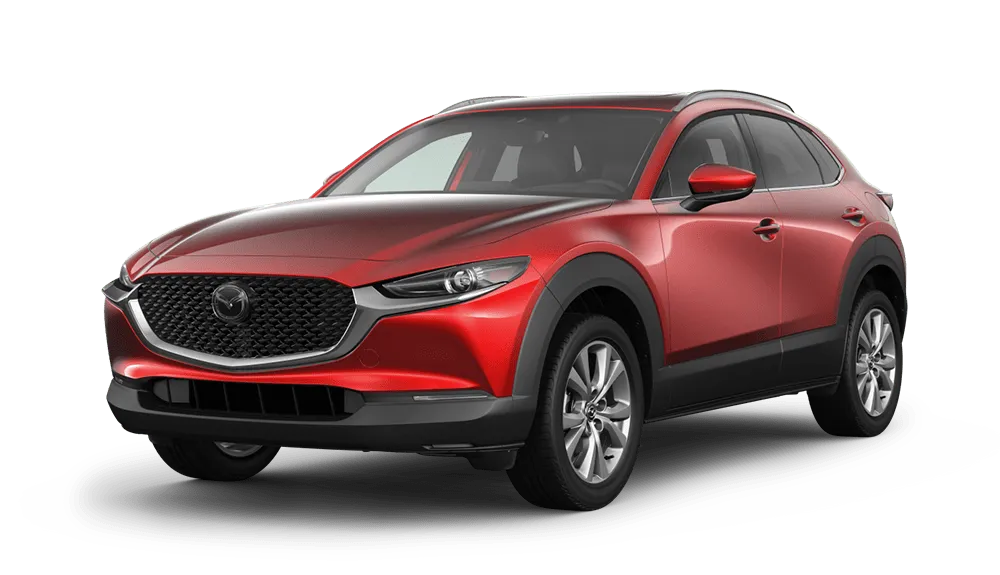
- Mazda CX-3094
- 2021 Hyundai Kona102
- Kia Soul190