2023 Hyundai Kona: What to check before buying
Owners have filed 68 complaints with NHTSA about this car, most about the electrical, transmission, and acceleration and cruise control. The 10 checks below target those problems, in the order you would do them at the car.
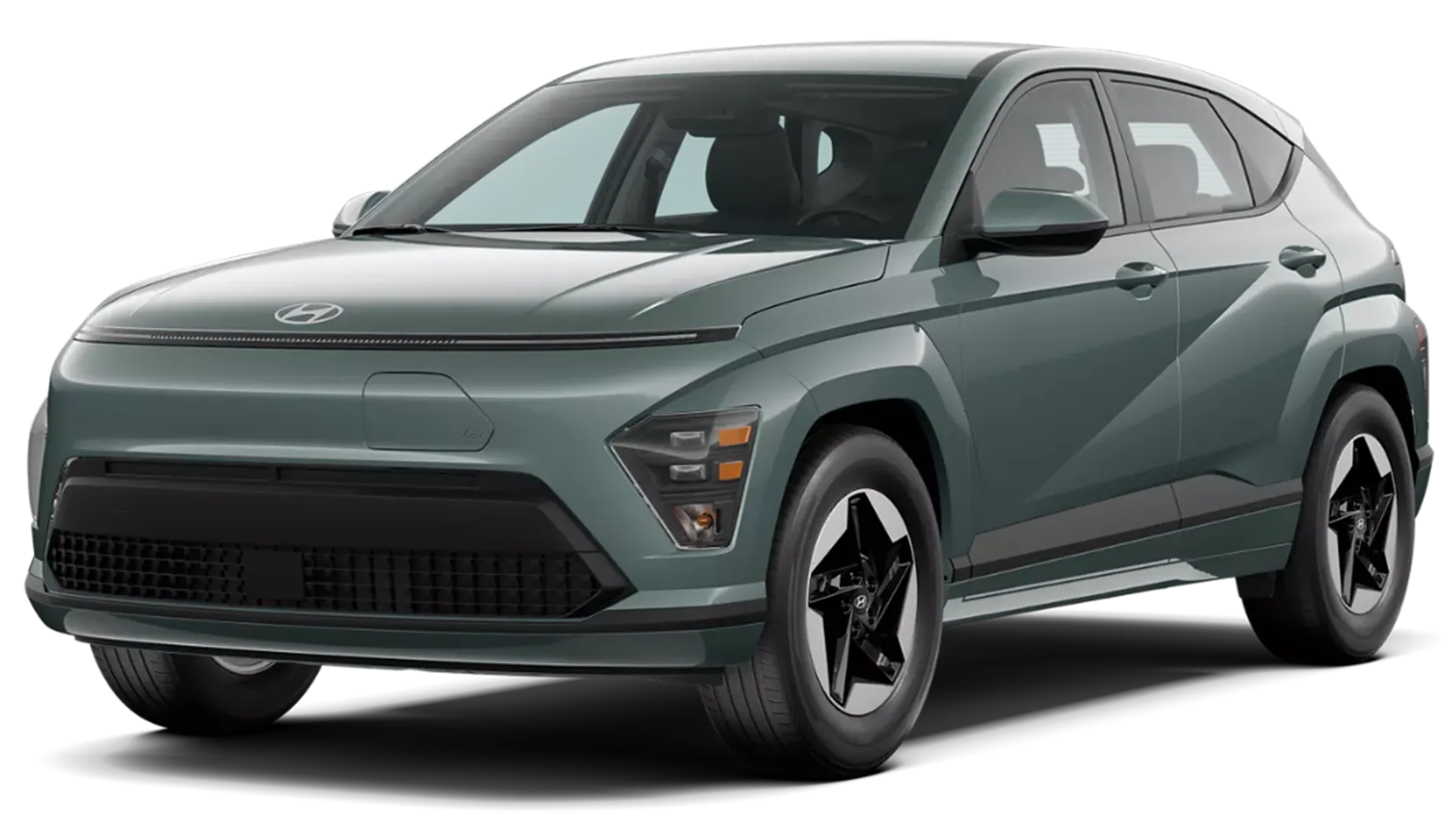 2023
- Owner complaints
- 68
- Recalls
- 2
- 1 urgent
- Crashes reported
- 4
- 3 injuries
One recall on this model year told owners to park outside until the repair was done.
Do not buy until you have dealer paperwork or a recall lookup showing it was completed for this VIN.
Your inspection sheet
Tick items off on your phone at the car, or print it. Ticks stay on this device.
0/10 checked
2023 Hyundai Kona: inspection sheet
Paperwork and questions
Before you go, or before you touch the car0/5
Walk-around and cabin
Engine off, key in hand0/1
Cold start, engine bay, and underside
Ask the seller not to warm the car up first0/1
Test drive
At least 20 minutes, with some highway0/3
These checks are specific to this model year. For tires, body panels, fluids, and the other basics every used car needs, use the general inspection guide.
Which Kona is it?
EPA figures for each version of the 2023 Hyundai Kona. Use them to confirm you are looking at the version that was advertised, and as a yardstick on the test drive.
| Version | Drive | EPA rating |
|---|---|---|
| 1.6L 4-cylGas | AWD, FWD | 29–32 mpg |
| 2.0L 4-cylGas | AWD, FWD | 30–32 mpg |
| Electric | FWD | 258 mi range |
- The 2023 Hyundai Kona was sold in three versions. Confirm which one this is from the window sticker, the engine cover, or the VIN report before you compare prices.
- With a full charge, the range estimate on the dash should land near the EPA figure of 258 miles. A much lower number on a mild day can mean a worn battery; ask for a battery health report.
Check the odometer against these mileages
Owners report these failures starting around the mileages below. A car inside one of these ranges deserves a closer look at that part, or records showing it was already fixed.
Horn stops working
7,467–12,000 miles
Why these checks: what owners reported
NHTSA complaints for the 2023 Hyundai Kona, grouped by the part owners named. Open a row to read what goes wrong.
Electrical23No crashes
The horn goes silent without warning. This is by far the most common complaint, and it often shows up between about 7,467 and 12,000 miles. Some cars have had the horn replaced up to four times, and it failed again each time. In a few cases a new fuse brought it back for a while. Several drivers found out during near-collisions. Other reports describe the radio screen going black, false tire pressure warnings, a backup camera that stays on, a rear latch that unlocks by itself, and a battery that died at 3000 miles.
Transmission10No crashes
The main pattern is a sudden loss of drive power. Cars stop accelerating on the highway, rev without moving, jerk from a stop, or shut down shortly after starting. Some show a transmission control system warning and need a tow. Several of these events happened at interstate speed. Kona N owners report a flashing check engine light, code P132600, and limp mode after a car wash or rain. Reports run from nearly new cars to 64,000 miles. Other filings are about waiting months for parts for a pending safety repair, and one owner describes a fire hazard.
Acceleration and cruise control6No crashes
With cruise control set, the car slows down on its own, for example from 71 to 65 mph, and sometimes surges back without warning. This can happen in the passing lane with traffic close behind. Dealers report several Konas with the same problem and no fix. Other drivers say the RPMs climb under throttle but the car does not speed up, so passing is risky. One car with less than 2,000 miles dropped into neutral at 70 mph and needed a new transmission.
Brakes32 crashes
The brakes fail to stop the car, and two of the three reports involve crashes, with two people injured. In one case the pedal went to the floor less than 24 hours after a dealer service, and the car hit a building. In another, the car could not stop on the highway and rear-ended another vehicle. A separate problem shows up in damp weather: the rotors corrode overnight, and the brakes grab hard on a light pedal touch, which raises the risk of being rear-ended.
Automatic emergency braking31 crash
The automatic emergency braking hits the brakes when nothing is ahead. One car locked up and skidded at about 20 mph on a dry, empty road. A related complaint says the system cuts the throttle for 2 to 3 seconds when pulling across lane lines into traffic, which leaves the car stalled in the path of oncoming vehicles. In the reverse case, one crash report says the system neither warned nor braked before the car hit the vehicle ahead.
Engine3No crashes
Water exposure causes a knock sensor fault. After a car wash or driving in rain, the check engine light flashes, code P132600 is stored, and the engine drops into limp mode with reduced acceleration. Owners call this common and a safety problem because power drops right away, sometimes while pulling into traffic. A separate complaint describes an oil leak that drips every day starting after the first oil change. The dealer found nothing wrong, and the leak continued.
Steering3No crashes
The car pulls to the right even after two dealer alignments, done at around 5000 and 8000 miles. A more serious report describes the steering jerking the car through a sudden S-shaped swerve at 60 mph. A red warning appeared on the screen, and the driver had to fight the wheel to stay in control. Another complaint says the car jerks and jumps when pulling out and turning, with suspension noise, which makes it hard to steer.
Lane keeping2No crashes
All of the driver-assist safety alerts stop working, according to both reports. One owner says the car also shut off at about 50 mph on the highway, along with other unresolved problems. In the other case the dealer said the car could not be repaired, and the owner reports the VIN was changed. There are only two complaints, so no wider pattern is clear, but both describe a complete loss of safety features, not a single bad sensor.
In owners' own words
Excerpts from complaints Kona owners filed with NHTSA, as written. Listen for the same symptoms on your test drive.
The radio/GPS screen cuts out and goes completely blank and I can't turn it off or down or do anything with the radio. The tire pressure lights come on and off at random times. The backup camera randomly stays on when I'm driving and I can't get it to go back to a regular screen. The lights randomly turn on and off when I am driving. There is obviously some kind of electrical issues.
Filed with NHTSA, December 2022
While driving, my car completely turned off and the dashboard say “engine turn off”. This happened on two separate occasions. Also on separate occasions while i was driving the beep to indicate that i was too close to another car went off when i was not near another car, during that time it also emergency breaked on its own.
Filed with NHTSA, June 2024
Car stopped accelerating on the highway and held me at 40mph. This happened twice. Then before being able to get it in for service while driving the car made a loud bang and came to a rolling stop again on the highway and the transmission control system alarm went off and the car would not move. Had to get towed off the highway and in a rental now. This was a brand new 2023 hyundai kona sel limited.
Filed with NHTSA, July 2023
Been waiting six months for Hyundai part to fix a fire hazard. They knowingly installed a defective part during manufacturing of the vehicle. A scared to drive the car knowing it can catch fire at any moment. Hyundai refuses to compensate in any way.
Filed with NHTSA, November 2023
While traveling at 70 mph on the freeway my 2023 Kona with less than 2,000 miles dropped into neutral and lost speed, almost causing a crash. I’m lucky the driver behind me braked in time. The dealer has informed me that the transmission needs to be replaced.
Filed with NHTSA, June 2023
This has happened 3 times and I’ve only owned the car since Sept 2023, the first time was Feb 4 2024, then Feb 28th and March 11, 2024, when I am trying to accelerate I push on the gas and the rpm’s will go higher but the car doesn’t gain any speed.so when trying to pass a vehicle I can’t because it will do this and it’s dangerous, I do have a video of this
Filed with NHTSA, March 2024
This is the second dangerous situation on the highway. Both were within reasonable speed and distance, and the car couldn't come to a complete stop. This time there was an accident and I hit the car in front of me. I realized the car had a very important brake failure malfunction.
Filed with NHTSA, April 2023
In damp weather the brake rotors corrode overnight. This causes the brakes to lock up when the brake pedal is touched gently. The car then stops quickly and unexpectedly. This could result in the car being rear ended in traffic. This problem has occurred 7 times since I bought the car.
Filed with NHTSA, March 2023
How the 2023 compares with other Kona years
Complaints for this year next to the average for the other model years, area by area.
The 2023 ranks fifth for owner complaints among 9 Kona years, close to the average of the others. Newer years have had less time to collect complaints, so compare like with like.
- Electrical2321
- Transmission1011
- Acceleration and cruise control63
- Brakes32
- Automatic emergency braking31
- Engine334
Where the 2023 fits in the Kona's history
Redesigns and mid-cycle updates change what can go wrong.
The 2023 is the sixth model year of the Kona's first generation (2018–2023).
It includes the 2021 update.
What changed for 2021
- Exterior aesthetic changes
- Increased cargo capacity
- Increased rear seat legroom
- Added mild hybrid system for 1.0L engine
Recalls to confirm (2)
Recall repairs are free at any Hyundai dealer, but the seller may never have had them done. Check each campaign number against the VIN.
23V526000TransmissionPark outsideJul 2023
Hyundai Motor America (Hyundai) is recalling certain 2023-2024 Palisade Tucson, 2023 Sonata, Elantra, and Kona vehicles. The electronic controller for the Idle Stop & Go oil pump assembly may contain damaged electrical components that can cause the pump controller to overheat.
Risk: An electric oil pump assembly that overheats increases the risk of a vehicle fire.
Fix: Owners are advised to park outside and away from structures until the recall repair is complete. Dealers will inspect and replace the electric oil pump controller, as necessary, free of charge. Owner notification letters were mailed starting September 7, 2023. Owners may contact Hyundai customer service at 1-855-371-9460. Hyundai's number for this recall is 246.
24V528000Fuel systemJul 2024
Hyundai Motor America (Hyundai) is recalling certain 2019-2022 Veloster N, 2019-2023 Genesis G70, 2022-2023 Elantra N, and Kona N vehicles. The fuel pump may fail, which can result in a loss of drive power.
Risk: A loss of drive power can increase the risk of a crash.
Fix: Dealers will update engine control module software. In addition, dealers will inspect and replace the fuel pump assembly, as necessary. All repairs will be performed free of charge. Owner notification letters were mailed beginning September 9, 2024. Some interim notification letters, notifying owners of the safety risk, were mailed September 3, 2024. Owners may contact Hyundai customer service at 1-855-371-9460. Hyundai's numbers for this recall are 262 and 023G.
Also looking at these instead of a Kona?
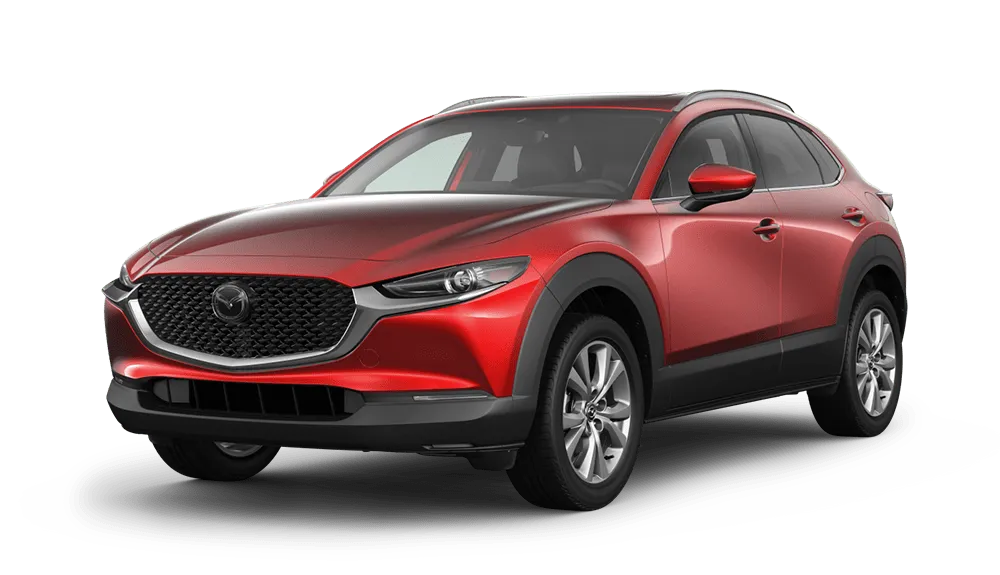
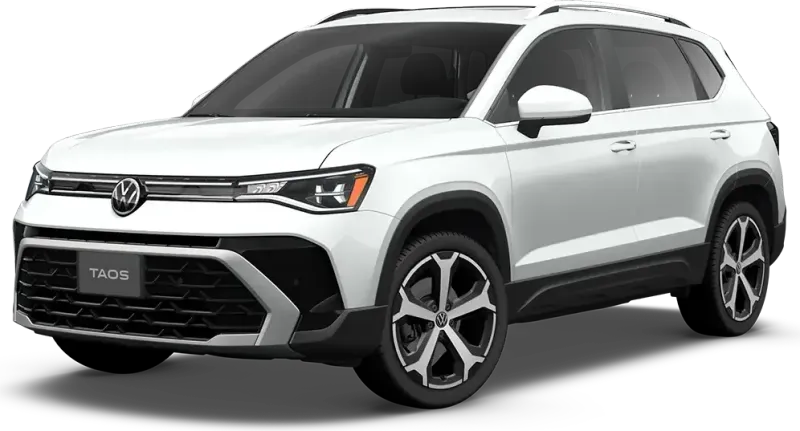
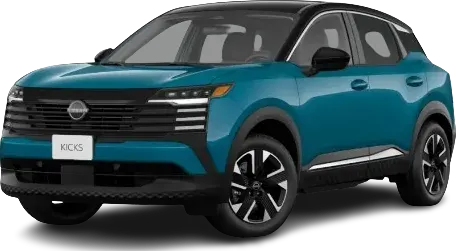
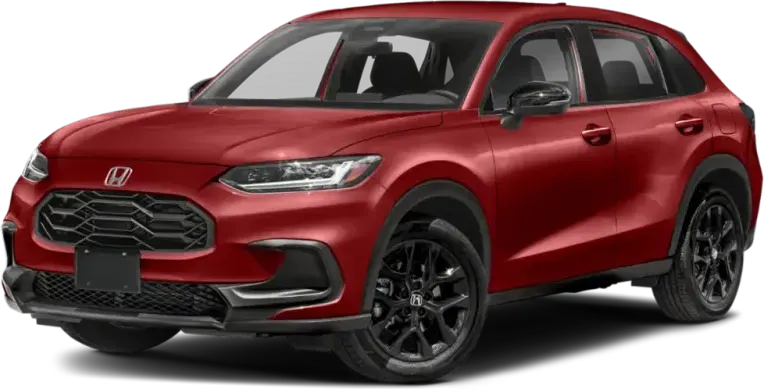
Cars shoppers compare with the Hyundai Kona, with their own 2023 checklists.
2023 owner complaints, side by side
- Mazda CX-3020
- Nissan Kicks23
- Kia Soul45
- 2023 Hyundai Kona68
- Volkswagen Taos87
- Kia Sportage257
- Honda HR-V673