2018 Hyundai Kona: What to check before buying
Owners have filed 66 complaints with NHTSA about this car, most about the engine, transmission, and electrical. The 8 checks below target those problems, in the order you would do them at the car.
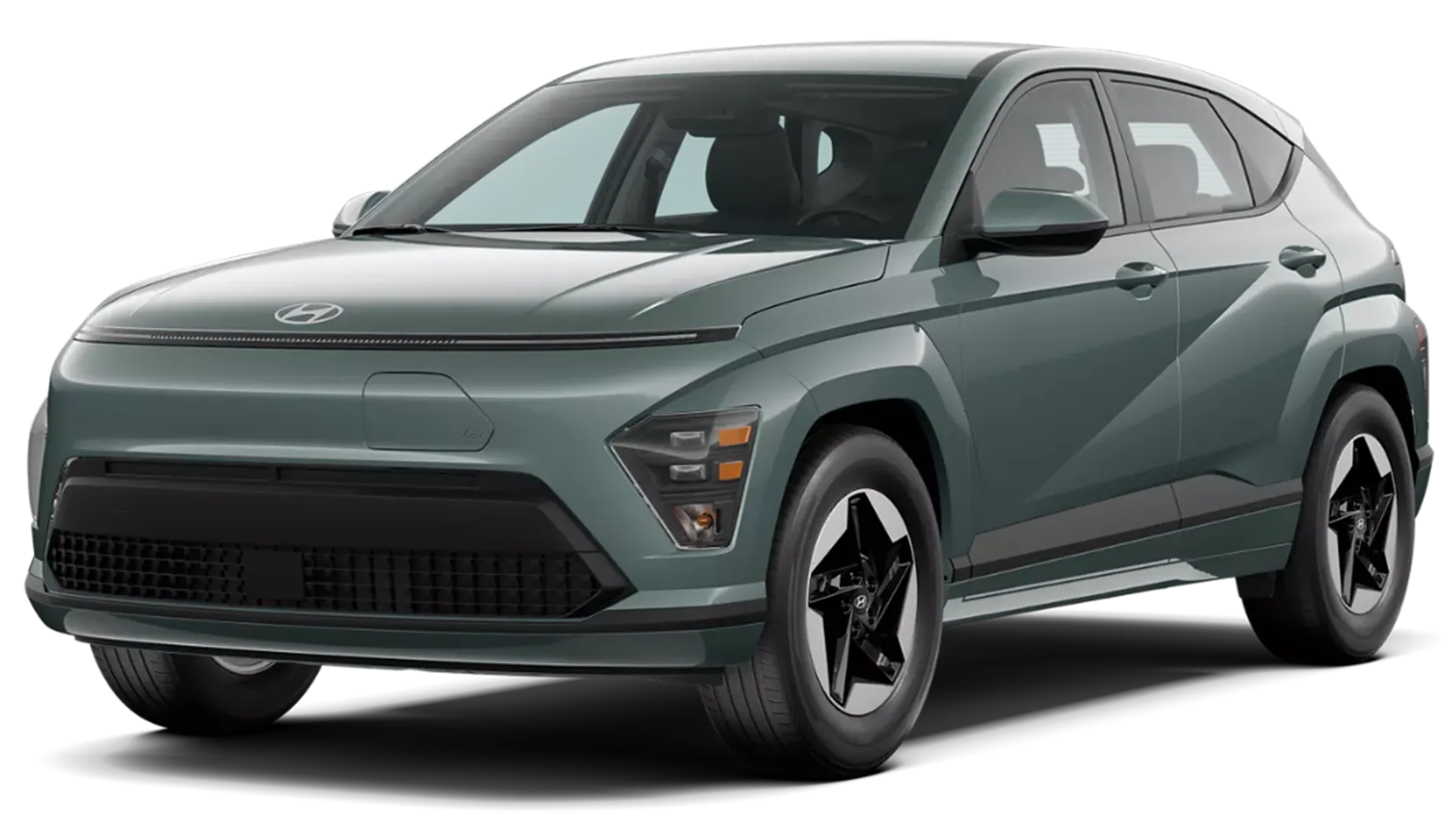 2018
- Owner complaints
- 66
- Recalls
- 0
- Crashes reported
- 9
- 12 injuries
Your inspection sheet
Tick items off on your phone at the car, or print it. Ticks stay on this device.
0/8 checked
2018 Hyundai Kona: inspection sheet
Paperwork and questions
Before you go, or before you touch the car0/1
Walk-around and cabin
Engine off, key in hand0/2
Cold start, engine bay, and underside
Ask the seller not to warm the car up first0/3
Test drive
At least 20 minutes, with some highway0/2
These checks are specific to this model year. For tires, body panels, fluids, and the other basics every used car needs, use the general inspection guide.
Which Kona is it?
EPA figures for each version of the 2018 Hyundai Kona. Use them to confirm you are looking at the version that was advertised, and as a yardstick on the test drive.
| Version | Drive | EPA rating |
|---|---|---|
| 1.6L 4-cyl | AWD, FWD | 27–30 mpg |
| 2.0L 4-cyl | AWD, FWD | 27–30 mpg |
- The 2018 Hyundai Kona was sold in two versions. Confirm which one this is from the window sticker, the engine cover, or the VIN report before you compare prices.
- Reset the trip computer at the start of the drive. A Kona that averages well under the EPA 27 mpg combined on a mixed route may have an engine or tire problem.
Check the odometer against these mileages
Owners report these failures starting around the mileages below. A car inside one of these ranges deserves a closer look at that part, or records showing it was already fixed.
Engine fire
17,000–63,000 miles
Engine knocking and failure
63,000–87,000 miles
Oil burning and stalling
100,000–126,000 miles
Why these checks: what owners reported
NHTSA complaints for the 2018 Hyundai Kona, grouped by the part owners named. Open a row to read what goes wrong.
Engine18No crashes
Heavy oil burning leads to engine knocking, lost power and stalling, and owners often report adding a quart every one to two weeks with no leak in sight. Shops and dealers diagnose failed piston rings, low compression or a slipped timing chain, and the usual fix is a new engine. Failures cluster from about 63,000 to 126,000 miles, many around 100,000. Sudden power loss at highway speed is a common theme. Three reports describe engine-compartment fires, including one at 17K miles and one in a home garage that injured the owner.
Transmission8No crashes
Oil burning followed by misfires, knocking and stalling makes up most of these reports, with piston ring failure and engine replacement as the usual result. The dual-clutch transmission draws complaints of jolting and shaking at crawling speeds, and one failed outright at 72,000 miles, leaving the car unable to accelerate on the freeway. One report blames a stall on a drain plug missing after an oil change. In one fire report, the car went into limp mode on the freeway and caught fire within minutes.
Electrical72 crashes
Fires are the main concern here. Four of seven reports involve fire, and five people were injured. One car smoked and caught fire while parked at 22,000 miles. Others describe the electrical system acting up just before a fire, though some of those cars had salvage history or aftermarket stereo wiring. Smaller complaints cover a front passenger door lock that stops working, headlights flickering after startup until the car has gone about a mile, and the touchscreen changing settings on its own.
Body and structure3No crashes
The roof antenna breaks off at interstate speed and becomes a possible road hazard. One report describes the front passenger-side bumper area coming loose from the frame and dropping to the ground, then tearing off when the car backed out. Another describes a rear passenger door that will not open from inside. The A/C also gives off a mildew smell at startup. Only three complaints are on file, and none involve a crash or injury.
Airbags22 crashes
The driver airbag fails to deploy in hard frontal crashes, leaving the driver unprotected. Both reports describe crashes, one into trees and one into a car that stopped suddenly in a fast lane, and both list injuries to the head, chest, knee or neck. One owner says Hyundai declined to look into why the airbag stayed folded. With only two complaints, this is not a broad pattern, but each case is serious.
Exterior lights2No crashes
Headlight performance on early-build cars is the complaint. Owners of LED-equipped Limited models built before June say oncoming drivers flash their high beams because the low beams cause so much glare. SE and SEL owners say their headlights were too dim and that Hyundai changed the design mid-year without offering a fix for cars already sold. Neither report describes a crash, but both owners say the problem makes night driving on narrow roads unsafe.
In owners' own words
Excerpts from complaints Kona owners filed with NHTSA, as written. Listen for the same symptoms on your test drive.
Pulled into driveway and saw smoke coming from engine. Popped hood and saw engine block was on fire. Quickly closed the hood and called 911. Within a few minutes the car was completely engulfed. I just had the car serviced a few days earlier and prior to that i had the 60k mile maintenance service done. There was around 63k miles on the car.
Filed with NHTSA, October 2023
I am having issues with my oil consumption and my car is going through a quart of oil every 1-1.5 weeks. There have been similar recalls on the 2019 Kona’s which have the same 1.6L 4-cylinder engine. My car is currently a little over 126,000 miles
Filed with NHTSA, December 2025
8/29/20002, the ABS brakes system and Fuel Injection system 10/31/2022, Battery 11/8/2022, car stalled on the freeway 11/9/2022, Car stalled on the freeway 11/19/2022, Timing Control and camshaft position sensors 12/2/2022, Engine fire, the smell of burning plastic 1/9/12, Grinding noise near the right rear tire. I can provide the invoices under separate cover .
Filed with NHTSA, March 2023
According to the garage Piston Ring failure causing engine damage and oil consumption. Vehicle shut off while excelling on a high traffic route. Vehicle has been in the garage since 1/13/23. As of today 2/1/23 still awaiting news of engine replacement.
Filed with NHTSA, February 2023
How the 2018 compares with other Kona years
Complaints for this year next to the average for the other model years, area by area.
The 2018 ranks sixth for owner complaints among 9 Kona years, close to the average of the others. Newer years have had less time to collect complaints, so compare like with like.
- Engine1832
- Transmission811
- Electrical723
- Body and structure30
- Airbags21
- Exterior lights21
Where the 2018 fits in the Kona's history
Redesigns and mid-cycle updates change what can go wrong.
The 2018 is the first model year of the Kona's first generation (2018–2023). First years of a redesign often carry teething problems that Hyundai fixes in later years, so the checks above matter more than usual.
Hyundai updated the Kona for 2021, so a 2018 does not have those changes.
What changed for 2021 (not on a 2018)
- Exterior aesthetic changes
- Increased cargo capacity
- Increased rear seat legroom
- Added mild hybrid system for 1.0L engine
Should you avoid the first year of a redesign? See the 45-car study.
Also looking at these instead of a Kona?
Cars shoppers compare with the Hyundai Kona, with their own 2018 checklists.
2018 owner complaints, side by side
- 2018 Hyundai Kona66
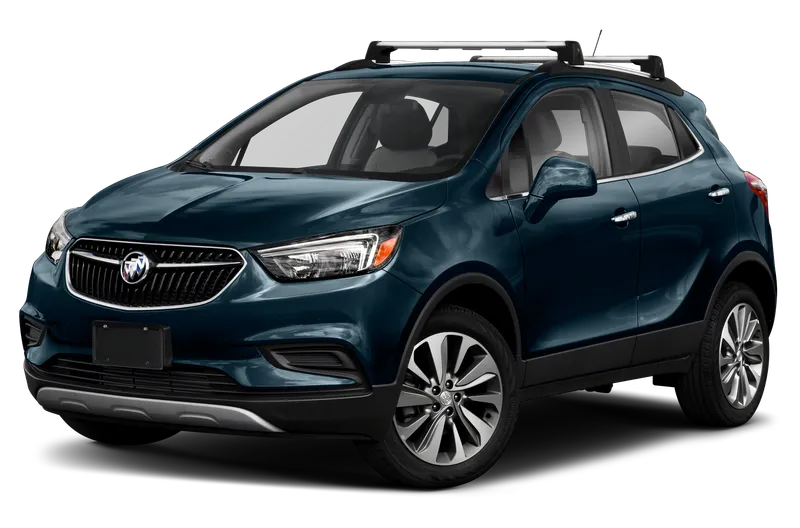
- Buick Encore72
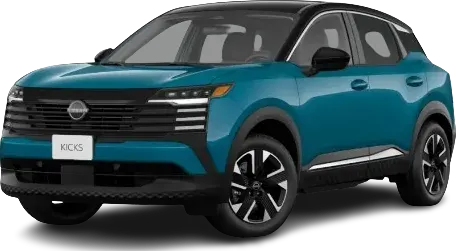
- Nissan Kicks78
- Chevrolet Trax93
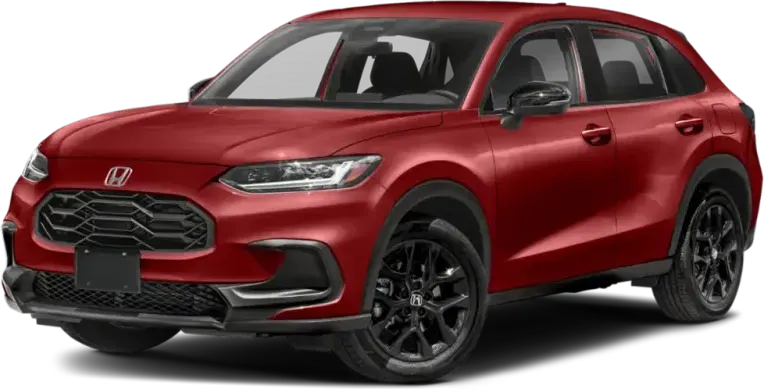
- Honda HR-V141
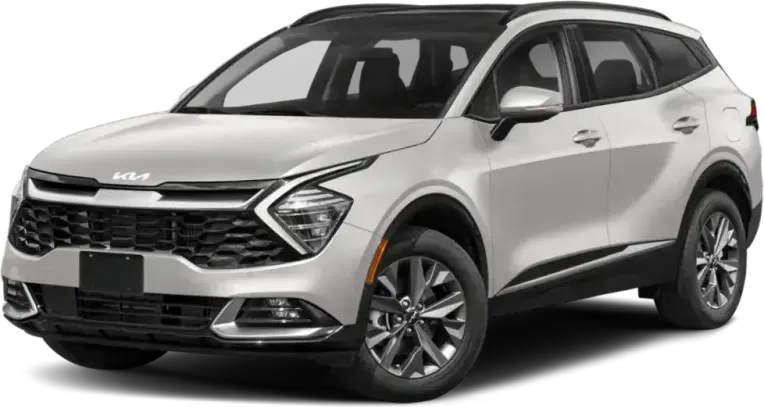
- Kia Sportage147
- Kia Soul199