2019 Hyundai Kona: What to check before buying
Owners have filed 224 complaints with NHTSA about this car, most about the engine, electrical, and transmission. The 11 checks below target those problems, in the order you would do them at the car.
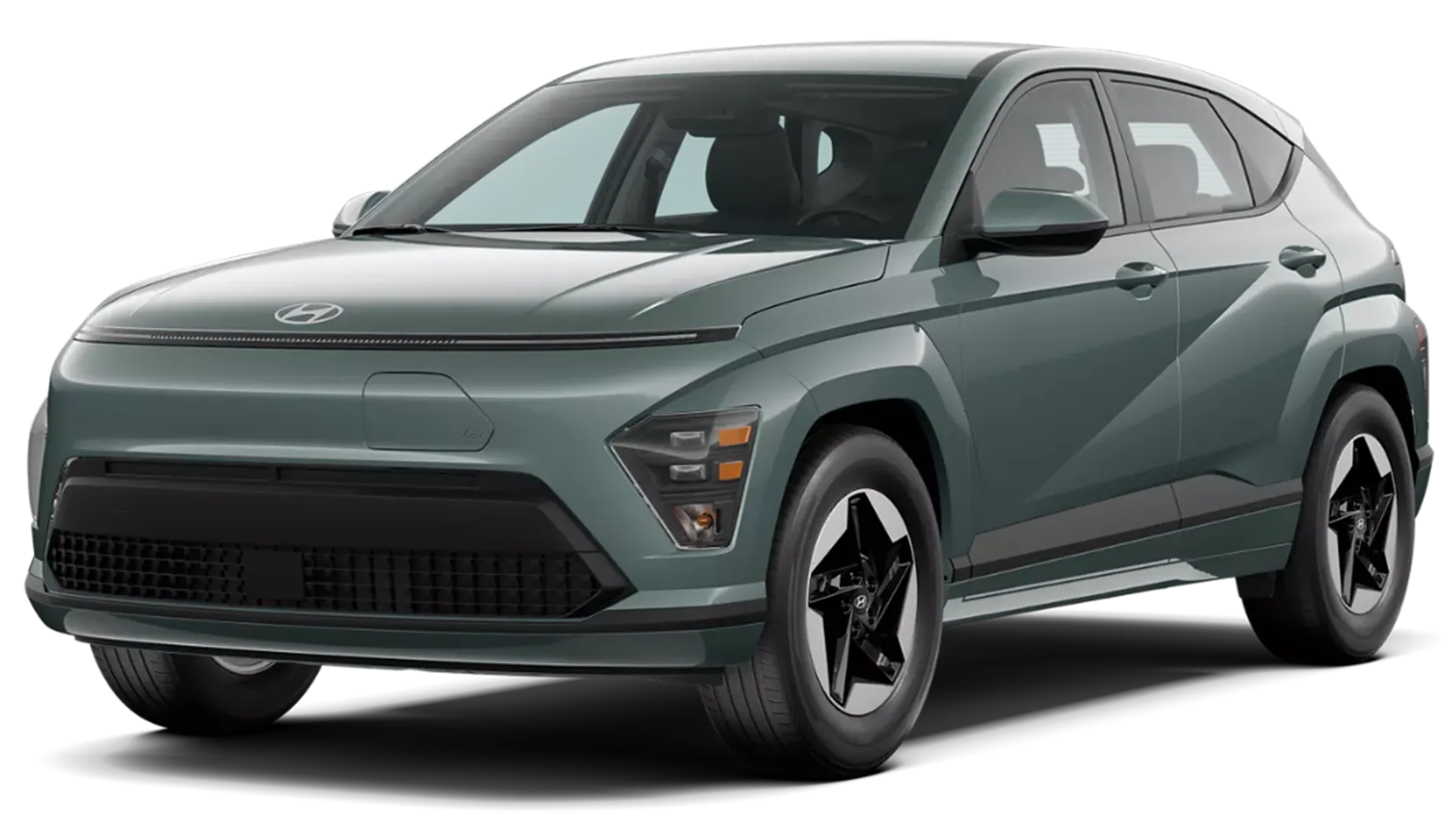 2019
- Owner complaints
- 224
- Recalls
- 4
- 2 urgent
- Crashes reported
- 13
- 7 injuries
Two recalls on this model year told owners to park outside until the repair was done.
Do not buy until you have dealer paperwork or a recall lookup showing they were completed for this VIN.
Your inspection sheet
Tick items off on your phone at the car, or print it. Ticks stay on this device.
0/11 checked
2019 Hyundai Kona: inspection sheet
Paperwork and questions
Before you go, or before you touch the car0/5
Walk-around and cabin
Engine off, key in hand0/1
Cold start, engine bay, and underside
Ask the seller not to warm the car up first0/3
Test drive
At least 20 minutes, with some highway0/2
These checks are specific to this model year. For tires, body panels, fluids, and the other basics every used car needs, use the general inspection guide.
Which Kona is it?
EPA figures for each version of the 2019 Hyundai Kona. Use them to confirm you are looking at the version that was advertised, and as a yardstick on the test drive.
| Version | Drive | EPA rating |
|---|---|---|
| 1.6L 4-cylGas | AWD, FWD | 27–30 mpg |
| 2.0L 4-cylGas | AWD, FWD | 27–30 mpg |
| Electric | FWD | 258 mi range |
- The 2019 Hyundai Kona was sold in three versions. Confirm which one this is from the window sticker, the engine cover, or the VIN report before you compare prices.
- With a full charge, the range estimate on the dash should land near the EPA figure of 258 miles. A much lower number on a mild day can mean a worn battery; ask for a battery health report.
Check the odometer against these mileages
Owners report these failures starting around the mileages below. A car inside one of these ranges deserves a closer look at that part, or records showing it was already fixed.
Stalling from low oil, camshaft damage
61,736–66,448 miles
Excessive oil consumption
80,000–90,000 miles
Why these checks: what owners reported
NHTSA complaints for the 2019 Hyundai Kona, grouped by the part owners named. Open a row to read what goes wrong.
Engine982 crashes
Burning oil is the dominant complaint, often a quart every 1,000 miles or worse, sometimes with no low-oil warning before the level runs dry. Knocking, ticking, smoke, lost power and sudden stalls follow, including at highway speed. Several reports end in a failed engine with little or no compression. Three filings involve fire, including flames from the engine bay. Dealers often order oil consumption tests or call the loss within spec. Some owners say parts for a pending repair were not available.
Low oil between changes is the common thread, often with no warning light until the level is already down. Owners describe knocking and clicking, hesitation, burning smells, and stalls while idling or at 45 mph. One engine suffered failed connecting rods that punched a hole in the block. Dealers sometimes find nothing wrong after a test drive. Several cars needed oil added monthly with no visible leak.
Electrical552 crashes
Most of these filings come from Kona EV owners waiting for a high-voltage battery replacement. Dealers told them to cap charging at 80% and then said parts were not available, sometimes for months. Separate reports describe sudden acceleration while stopped at a light that ended in a crash with 3 injuries, a burning-wire smell, a driver's door that would not open from inside or outside, and stalls with the electrical system cutting out.
Transmission19No crashes
Sudden power loss and engine seizure lead this group. Owners describe the car slowing to a stop in traffic, warning lights, code P1327, low compression, and one sheared camshaft pin with severe engine damage. Gas models with the dual-clutch transmission show hesitation or slipping when pulling away from a stop, plus abrupt downshifts at highway speed. Software updates often fail to cure it. EV owners report a failed gear drive and long waits for a replacement battery.
Fuel system9No crashes
Delayed acceleration is the main driving complaint. The car pauses for up to about 3 seconds or revs as if in neutral when pulling out, merging or passing, and dealer adjustments do not fix it. Two reports describe gasoline leaks, one from a cracked fuel pump mounting flange that left a puddle under the car. One engine lost compression and would not restart. EV owners describe long waits for a replacement battery with no parts date.
Airbags55 crashes
All 5 reports involve crashes. Two describe air bags that did not deploy in serious wrecks. In another, the plastic A-pillar trim broke apart on deployment and struck the driver's eye. One frontal collision at about 35 mph ended in a fire that burned until firefighters arrived, with a possible seat belt problem. Another owner found an air bag fault after a minor rear-end impact.
Brakes52 crashes
Brakes that intermittently fail to apply, including one crash where forward collision avoidance also did nothing, are the most serious reports. The opposite problem appears too: automatic emergency braking stops the car hard on the highway with room to spare, forcing traffic behind to swerve. Other filings describe a stiff steering wheel and no braking before hitting a pole, a surge forward while braking, and the engine dying with a shudder through the pedal.
Acceleration and cruise control41 crash
Unintended acceleration from a stop is the most severe report here. The car sped through an intersection with the brake pressed and crashed, injuring the driver, and was totaled. Other filings describe stalls with every warning light on and a frozen tachometer at around 62000 miles, speed loss going uphill, and a broken cruise control button that required removing the steering wheel and driver's air bag to replace.
Body and structure31 crash
Theft drives one report: a car stolen after a broken rear window and disabled ignition, then crashed, with repairs stuck behind high claim volume. Another describes a rear spoiler that squeaks on warm days because its retaining nuts had come loose or fallen out, leaving it at risk of detaching. Peeling paint is the third complaint.
In owners' own words
Excerpts from complaints Kona owners filed with NHTSA, as written. Listen for the same symptoms on your test drive.
Engine smoke’s every now and then I go through a quart of oil every 600-1000 miles doubt it’s supposed to do that one time I went the full oil change limit I was completely out of oil the car was ticking and all this other stuff scene then I’m topping off my oil every 1000 miles till I need a oil change and it don’t stop ticking now so that’s a defect I don’t know if it’s apart of the 19-21 recall or not but this is not an okay engine
Filed with NHTSA, February 2026
Oil consumption!! No low oil lamp!! Just cuts off. Then there is no oil. The engine can blow up and catch fire!! Having a oil consumption test now. First 1000 miles it's already burned half quart!!
Filed with NHTSA, January 2023
Manufacturer Recall Number200 NHTSA Recall Number21V127000 Recall StatusRecall Incomplete Summary HYUNDAI MOTOR AMERICA (HYUNDAI) IS RECALLING CERTAIN 2019-2020 KONA ELECTRIC AND 2020 IONIQ ELECTRIC VEHICLES. THE LITHIUM-ION (LI-ION) BATTERY MAY SHORT-CIRCUIT. I have been in touch with Hyundai corporate and they have no time estimate of when this recall can be completed. It has been way too long for this type of problem to not be fixed.
Filed with NHTSA, June 2021
The Charging unit made by Enel X called a JuiceBox 40 failed to complete a charge. Upon examination of the charger it was determined that the plug from the unit to the 240V receptacle was fused to the outlet and could not be removed. When my electrician opened the box he was able to force the plug out of the outlet. He found that the plug was burned as well as the copper wire that went to the plug from the electrical box.
Filed with NHTSA, January 2025
Camshaft pin sheared with 66,000 miles leading to severe engine damage and expense. No known cause but consistent with many online reports of engine issues with this make and model year. Vehicle was well-maintained prior to the incident. No warning lights present until after engine damage occurred.
Filed with NHTSA, April 2023
Chatter or transmission slips from full stop only when engine reaches operating temperature. Does not seem to happen when cold. Vehicle was serviced by Hyundai dealership and said it could be a software fix. They updated software but still have problem. My brother was an auto mechanic and suggested the problem could be related to the transmission oil pump and or defective parts associated with clutch..
Filed with NHTSA, January 2023
I did follow the multiple recommended recalls. I have set my battery at 80% max charge on April 28, 2021.. On August 4th, it has been determined by the dealer that I needed a new battery. The battery has been ordered but we are still waiting for it. It has been 6 weeks so far. Since my current battery is only charged at 80%, I have not been able to use my car at is full potential for the past 5 months .
Filed with NHTSA, September 2021
I left my car with the dealer at the end of August for a repair, and they identified that Recall 200 had to be done. I received a rental car at that time. It is now February and I have still not gotten my car back. I have contacted both the dealer and Hyundai corporate to try to find out what is happened but they just tell me there is no "ETA" on the replacement part.
Filed with NHTSA, February 2022
How the 2019 compares with other Kona years
Complaints for this year next to the average for the other model years, area by area.
The 2019 has the most owner complaints of the 9 Kona years we cover, about 3.2 times the average of the others. Newer years have had less time to collect complaints, so compare like with like.
- Engine9822
- Electrical5517
- Transmission1910
- Fuel system90
- Airbags51
- Brakes52
Where the 2019 fits in the Kona's history
Redesigns and mid-cycle updates change what can go wrong.
The 2019 is the second model year of the Kona's first generation (2018–2023).
Hyundai updated the Kona for 2021, so a 2019 does not have those changes.
What changed for 2021 (not on a 2019)
- Exterior aesthetic changes
- Increased cargo capacity
- Increased rear seat legroom
- Added mild hybrid system for 1.0L engine
Recalls to confirm (4)
Recall repairs are free at any Hyundai dealer, but the seller may never have had them done. Check each campaign number against the VIN.
21V127000ElectricalPark outsideMar 2021
Hyundai Motor America (Hyundai) is recalling certain 2019-2020 Kona Electric and 2020 Ioniq Electric vehicles. The lithium-ion (Li-ion) battery may short-circuit.
Risk: An electrical short in the Li-ion battery increases the risk of a fire.
Fix: Owners are advised to park their vehicles outside and away from structures until the interim action is complete. Hyundai will notify owners, and as an interim action, owners have the option to follow provided instructions to perform a battery update through the vehicle's infotainment system or request a Hyundai dealer to provide the update. Once parts are available, dealers will inspect the Battery System Assembly (BSA), and replace it if necessary. Repairs will be performed free of charge. Owners were notified of the safety risk, and the interim action, with a letter mailed April 9, 2021. Final owner notification letters were mailed June 17, 2021. Owners may contact Hyundai customer service at 1-855-371-9460. Hyundai's number for this recall is 200.
20V630000ElectricalPark outsideOct 2020
Hyundai Motor America (Hyundai) is recalling certain 2019-2020 Kona Electric vehicles. The lithium-ion (Li-ion) battery may short-circuit.
Risk: An electrical short in the Li-ion battery increases the risk of a fire.
Fix: Hyundai will notify owners, and dealers will update the Battery Management System (BMS) software and inspect the Li-ion battery, replacing it if necessary, free of charge. Owners are advised to park their vehicles outside and away from structures until the repair is complete. The recall began November 13, 2020. Owners may contact Hyundai customer service at 1-855-371-9460. Hyundai's number for this recall is 196.
21V301000EngineApr 2021
Hyundai Motor America (Hyundai) is recalling certain 2019-2020 Elantra, 2019-2021 Kona and Veloster vehicles equipped with 2.0L Nu MPI engines. The piston oil rings may not have been properly heat-treated, which could result in engine damage.
Risk: A damaged engine may stall, increasing the risk of a crash. In addition, oil may leak onto hot exhaust components, increasing the risk of a fire.
Fix: Dealers will inspect and, if necessary, replace the engine, free of charge. In addition, Hyundai will deploy Piston Ring Noise Sensing System (PNSS) software. Owner notification letters were mailed August 24, 2021. Owners may contact Hyundai customer service at 1-855-371-9460.
20V748000BrakesDec 2020
Hyundai Motor America (Hyundai) is recalling certain 2019-2020 Nexo Fuel Cell and 2019-2021 Kona Electric vehicles. The Integrated Electronic Brake (IEB) system may detect an abnormal sensor signal and as a result, may significantly reduce braking performance.
Risk: Reduced braking power could lengthen the distance required to stop the vehicle, increasing the risk of a crash.
Fix: Hyundai will notify owners, and dealers will update the IEB software, free of charge. The recall began January 25, 2021. Owners may contact Hyundai customer service at 1-855-371-9460. Hyundai's number for this recall is 199.
Also looking at these instead of a Kona?
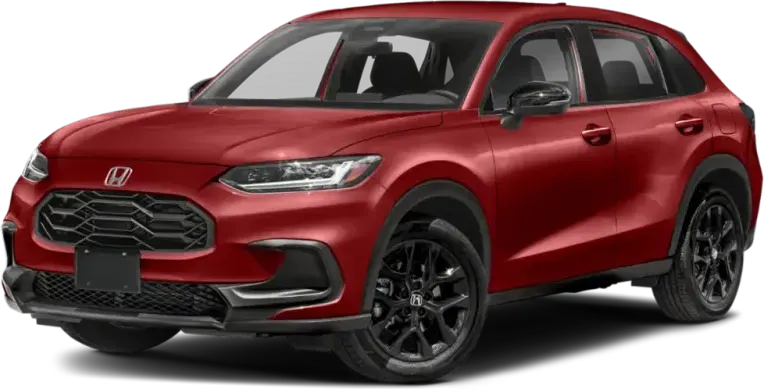
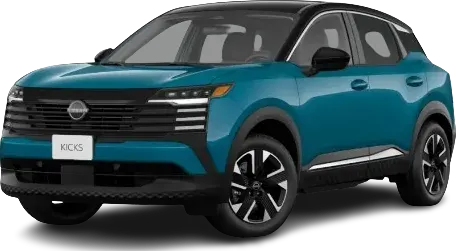
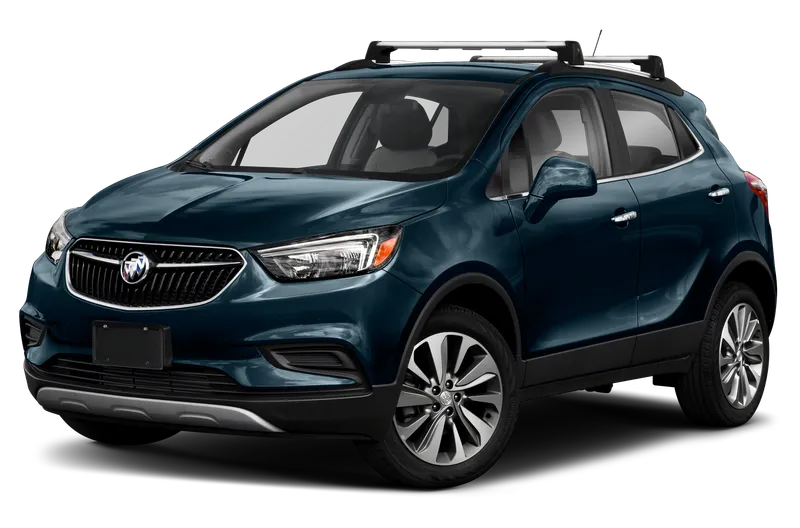
Cars shoppers compare with the Hyundai Kona, with their own 2019 checklists.
2019 owner complaints, side by side
- Kia Sportage63
- Buick Encore82
- Kia Soul123
- Nissan Kicks123
- Chevrolet Trax123
- Honda HR-V185
- 2019 Hyundai Kona224