2019 Buick Encore: What to check before buying
Owners have filed 82 complaints with NHTSA about this car, most about the engine, airbags, and electrical. The 9 checks below target those problems, in the order you would do them at the car.
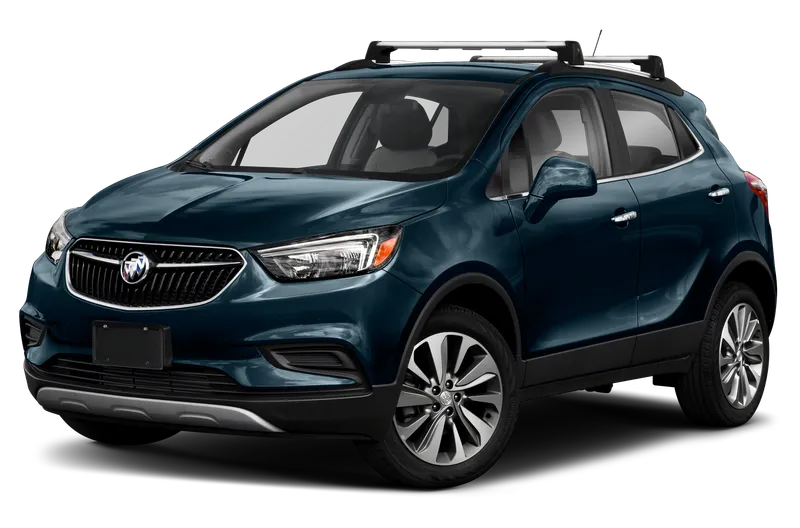 2019
- Owner complaints
- 82
- Recalls
- 2
- Crashes reported
- 9
- 9 injuries
Your inspection sheet
Tick items off on your phone at the car, or print it. Ticks stay on this device.
0/9 checked
2019 Buick Encore: inspection sheet
Paperwork and questions
Before you go, or before you touch the car0/1
Cold start, engine bay, and underside
Ask the seller not to warm the car up first0/4
Test drive
At least 20 minutes, with some highway0/4
These checks are specific to this model year. For tires, body panels, fluids, and the other basics every used car needs, use the general inspection guide.
Which Encore is it?
EPA figures for each version of the 2019 Buick Encore. Use them to confirm you are looking at the version that was advertised, and as a yardstick on the test drive.
| Version | Drive | EPA rating |
|---|---|---|
| 1.4L 4-cyl | AWD, FWD | 27–28 mpg |
- Reset the trip computer at the start of the drive. A Encore that averages well under the EPA 27 mpg combined on a mixed route may have an engine or tire problem.
Check the odometer against these mileages
Owners report these failures starting around the mileages below. A car inside one of these ranges deserves a closer look at that part, or records showing it was already fixed.
Original tire sidewall dry rot
40,000–44,220 miles
Turbocharger failure and power loss
50,000–67,067 miles
Why these checks: what owners reported
NHTSA complaints for the 2019 Buick Encore, grouped by the part owners named. Open a row to read what goes wrong.
Engine23No crashes
Turbocharger failure leads these reports. Cars sputter, lose power, and struggle to merge or climb hills, often with code P0299 or a wastegate fault. Some run rough and rock back and forth when accelerating. Reported failures range from 14,300 miles to about 67,000, with several between 50,000 and 67,000. Replacement turbos sometimes fail again. Related complaints describe coolant and oil leaks at the turbo or oil cooler, overheating, misfires, and a failed fuel pump control module. Check engine lights that keep coming back and stalling on the road are common.
Turbocharger failure leads these reports. Symptoms include power loss at highway speed, jerking, white smoke from the tailpipe, and the engine revving before the car moves. Mechanics blame a stuck wastegate or low oil pressure, and one turbo had already been replaced once for the same problem. Failures are reported at 63,360 and 63,500 miles and later. Other reports describe a burning oil smell before a stall, and coolant leaking into the cylinders at about 103,000 miles, which required taking the engine apart.
Airbags95 crashes
Failure to deploy in a crash is the main complaint. In most of the crash reports, the bags do not go off in front or side impacts at 20 to 35 mph. These reports list 7 injuries, including neck injuries, head strikes, and a brain injury. One report describes the side air bags going off on their own at about 35 mph. Other complaints describe a warning light that comes on at random and a passenger seat sensor that does not detect a passenger. One dealer could not fix that sensor after three visits.
Electrical91 crash
The engine shuts off while driving and often takes the headlights and dash power with it, which leaves the car dark and hard to control in traffic. Mechanics often find no codes. In stop-start complaints, the engine will not restart at a light and the doors and windows stop working, trapping the people inside. In another, the car surged forward when the driver lifted off the brake and pinned the driver's legs. Other reports cover wipers that turn on and off by themselves and an engine that would not shut off.
Transmission91 crash
Stalling in moving traffic is the most common complaint here. It sometimes comes with a check engine light and keeps happening after many dealer visits. Several reports describe the car creeping forward or bumping while in park, a hard jolt when the engine restarts after a stop-start shutoff, and a shifter stuck in park. One dealer found a failed transmission part that kept the car from locking in park and said there was no fix. Other reports cite a transmission pressure code with an oil leak, a cracked rear differential housing, and turbo valve faults that cause hard revving.
Brakes5No crashes
Brakes lock up while driving in several reports, including at speeds over 50 mph. In one case the car also would not shift until it sat turned off for a while. Dealers often find no codes. Other reports describe a pedal that sinks to the floor and has to be pumped, and a hard pedal with a burning front brake that came back after the calipers and pads were replaced. One owner reports pulsing when braking from uneven pad wear and worn rotors at 23,600 miles.
Suspension4No crashes
Lower control arms bend or break in these reports, with a loud clunk when braking. One arm snapped in two at 37,000 miles with no earlier warning signs. Another owner says a pothole can bend the arm near the ball joint, and that when the arm fails, the CV joint can pull out of the transmission. The remaining reports read more like engine trouble: power loss with a check engine light and a stability system message, leaks, hesitation, and the car lunging forward at a stop.
Acceleration and cruise control31 crash
Sudden acceleration is the main complaint. In one crash, a car pulling into a parking space at very low speed shot forward, jumped a curb, and hit a building. Another owner reports three sudden acceleration episodes by 34,000 miles. The remaining report describes transmission problems: whirring, skipping while driving, and gears that do not downshift after acceleration.
Wheels and tires3No crashes
Original Continental ContiProContact tires go flat within seconds at highway speed in these reports, right after the tire pressure warning comes on. A tire shop and roadside service blamed dry rot and split sidewalls, and the other original tires showed the same cracking. These failures came at about 40,000 to 44,220 miles. A separate report describes a sidewall cut or blowout on a tire with only 821 miles on it.
In owners' own words
Excerpts from complaints Encore owners filed with NHTSA, as written. Listen for the same symptoms on your test drive.
I haven't drove my car in 2 years because the engine and a/c went out on a vehicle that only have 67,000 miles. I should not have to replace a whole engine and a/c when I got the car brand new off the lot. This is my second buick that has had serious problem GM IS SELLING LEMONS TO THERE CUSTOMERS AND IM LOOKING TO STARTING A CLASS ACTION LAWSUIT IF THIS IS NOT FIXED.
Filed with NHTSA, April 2024
My engine light came on. The repair shop said I have to replace the fuel pump control module and that it is a known issue with Buick. I was advised not to drive the car. I am concerned that I could have been out and the car could have broken down. The car doesn’t even have 50,000 miles on it. This should not happen.
Filed with NHTSA, February 2025
The airbags never deployed. I sustained a brain injury in the accident along with whiplash. I told the deputy on scene, that they did not deploy. My insurance looked at it. They totaled the car out. It is now sitting in a junk yard somewhere.
Filed with NHTSA, September 2025
my car engine did not shut off i had to call on star to assist turn off my engine. there is problem with ANTI theft system and cruise control. i had to press cruise button numberous time to shut it off. on start customer advice me to take it to dealer to take look. they did on board diagnosit test they found these code
Filed with NHTSA, April 2024
My daughter owns a 2019 Buick Encore and the check engine light keeps going on. She took her car to the dealer and was told that it needed a Turbo Bypass Valve and Solenoid valve. The car is just a few months within the 10 year powertrain warranty and the dealer refused to cover as defect. She drives on the freeway 45 minutes to/from work and this is a serious issue that causes the engine to rev hard and not stop as well as stall intermittently.
Filed with NHTSA, June 2025
I've only had the car for under a month and twice this has happened. When I came to a stop, the start/stop system was activated (engine shuts off) and I put the car in P (parked). Then when I placed it into reverse and released the brake which started the engine, there was a huge jolt/jerk/buck. This happened twice and as far as I know this these are the only times I've committed this specific sequence of events.
Filed with NHTSA, June 2024
How the 2019 compares with other Encore years
Complaints for this year next to the average for the other model years, area by area.
The 2019 has the most owner complaints of the 5 Encore years we cover, about 3.0 times the average of the others. Newer years have had less time to collect complaints, so compare like with like.
- Engine236
- Airbags93
- Electrical92
- Transmission95
- Brakes51
- Suspension40
Where the 2019 fits in the Encore's history
Redesigns and mid-cycle updates change what can go wrong.
The 2019 is the seventh model year of the Encore's first generation (2013–2022).
It includes the 2017 update.
What changed for 2017
- Revised headlights
- New bumpers
- LED tail lights
- Revised dash and gauge cluster
- Revised center stack
- New infotainment system with an 8-inch screen
Recalls to confirm (2)
Recall repairs are free at any Buick dealer, but the seller may never have had them done. Check each campaign number against the VIN.
20V668000TransmissionOct 2020
General Motors LLC (GM) is recalling certain 2018-2019 Chevrolet Cruze and Buick LaCrosse, 2018-2020 Chevrolet Equinox, Chevrolet Traverse and GMC Terrain, 2018 Chevrolet Malibu, 2019-2020 Buick Encore, Buick Enclave, Cadillac XT4, Chevrolet Blazer and GMC Acadia, and 2020 Cadillac XT6 vehicles. The start/stop accumulator endcap may have missing bolts.
Risk: Missing bolts on the start-stop accumulator endcap could result in a transmission oil leak and may progress to a loss of propulsion, increasing the risk of a crash. A transmission fluid leak in the presence of an ignition source may increase the risk of fire.
Fix: GM will notify owners, and dealers will inspect the start-stop transmission accumulator and replace it if any bolts are missing, free of charge. The recall began December 15, 2020. Owners may contact GMC customer service at 1-888-988-7267, Buick Customer service at 1-866-608-8080, Chevrolet customer service at 1-800-222-1020 or Cadillac customer service at 1-800-458-8006. GM's number for this recall is N202313440.
18V774000AirbagsNov 2018
General Motors LLC (GM) is recalling certain 2019 Buick Encore, Chevrolet Spark, Traverse, and Trax vehicles. The Sensing Diagnostic Module (SDM) on these vehicle may not have been turned off of "manufacturing mode," preventing the air bags from deploying in the event of a crash.
Risk: If the air bags do not deploy in the event of a crash, it can increase the risk of injury.
Fix: GM will notify owners, and dealers will reprogram the SDM module to the correct mode, free of charge. The recall began November 6, 2018. Owners may contact Buick customer service at 1-800-521-7300 and Chevrolet customer service at 1-800-222-1020. GM's number for this recall is 18365.
Also looking at these instead of a Encore?
Cars shoppers compare with the Buick Encore, with their own 2019 checklists.
2019 owner complaints, side by side
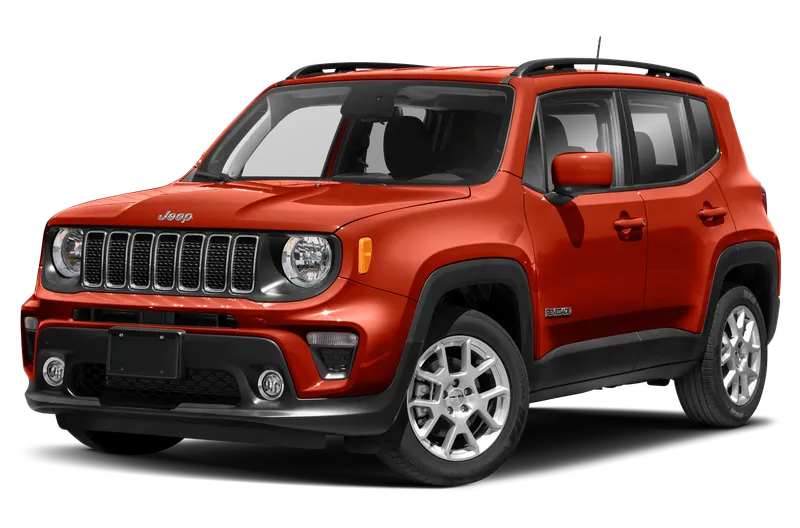
- Jeep Renegade77
- 2019 Buick Encore82
- Toyota C-HR101
- Chevrolet Trax123
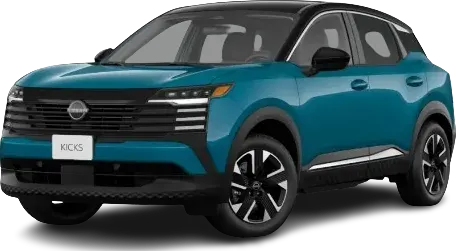
- Nissan Kicks123
- Kia Soul123
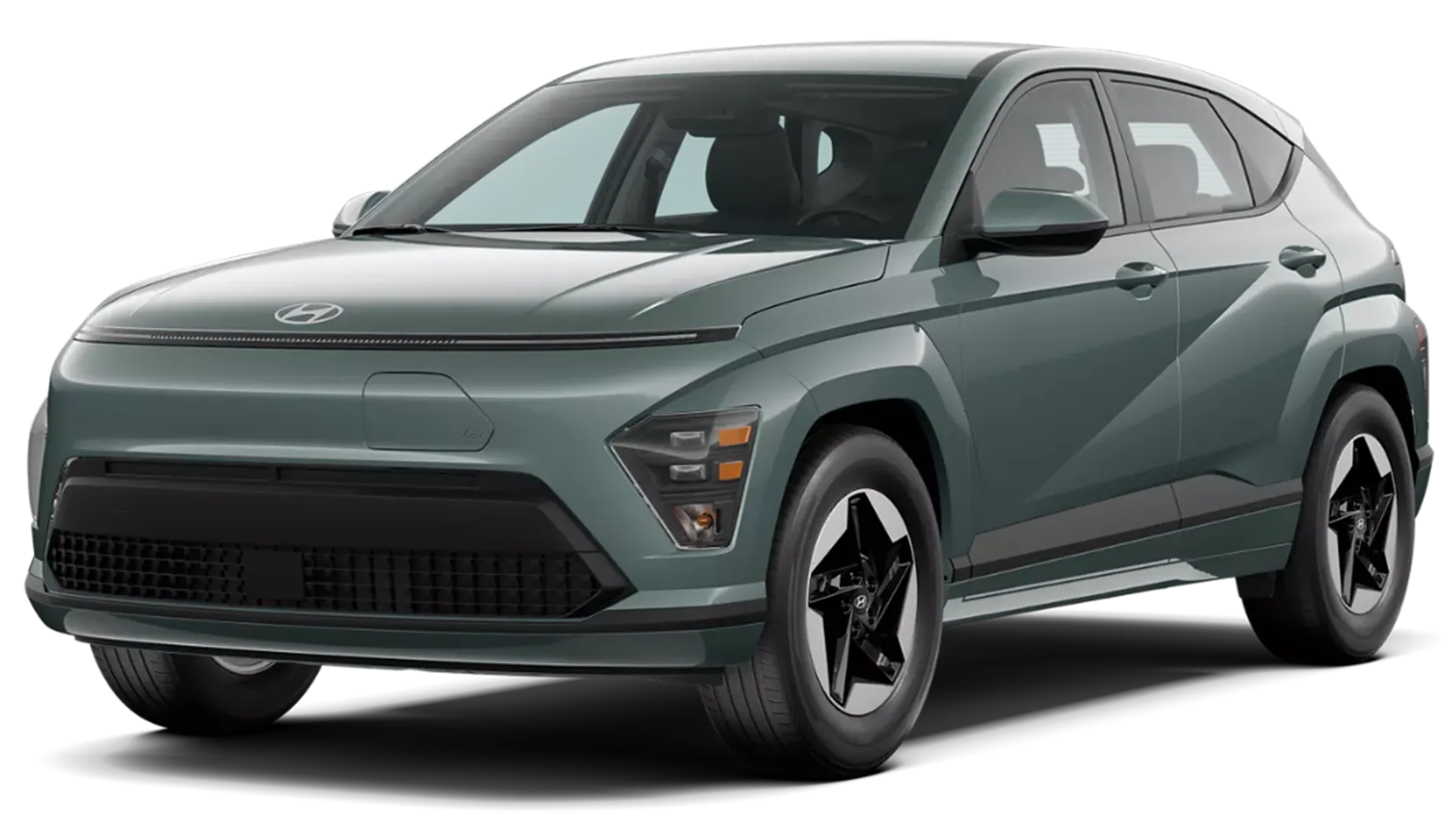
- Hyundai Kona224